
Check Your Home’s Electricity Supply Before Choosing a Sauna
Sauna planning
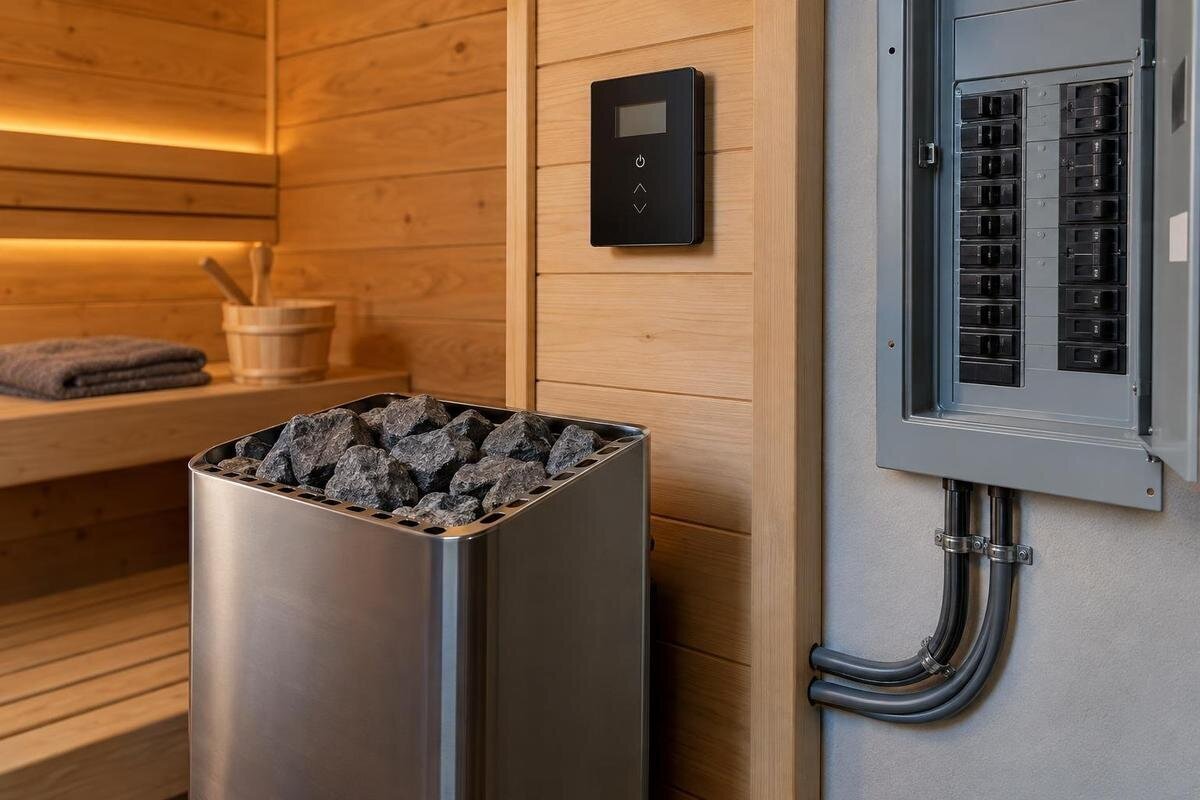
A sauna that fits your yard is not necessarily compatible with your home’s electricity supply. The assessment needs to account for the heater’s requirements, any other electrical components in the package and the household equipment likely to run alongside it. Before settling on a model, gather the current manufacturer documentation and ask a qualified electrician to assess your home and proposed sauna location. This gives you an answer for the configuration you intend to buy, rather than a guess based on a cabin name, a power bill or what another household can run.
Why electrical suitability is model-specific
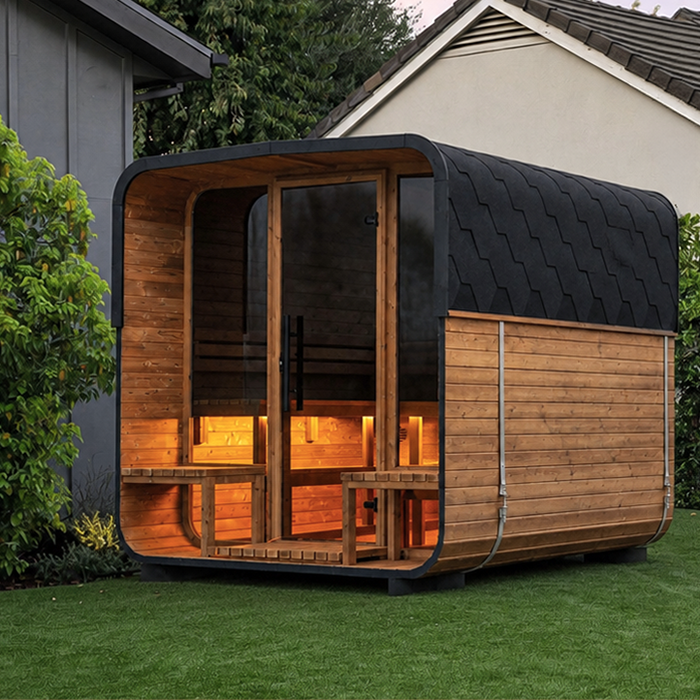
Electrical suitability depends on the specified heater and the supply at the property where it will be installed. Cabin dimensions, appearance and a product name do not show the heater’s electrical requirements, while a home’s usual energy use does not show how much capacity remains available. For a candidate such as the HC-150 Thermowood Barrel Sauna, use the model name to identify the option you are discussing, then obtain details for its exact heater and package. The assessment must relate to that configuration, rather than a similar-looking cabin or another model in the range.
The check can affect your choice of model, the work that needs to be planned and the installation timing, so raise it while the shortlist is still flexible. An electrician may be able to identify missing information early on, although a firm conclusion can require the exact heater documents and an assessment of the property. Buying before this check can leave you with fewer alternatives if the chosen configuration needs additional work. If the property’s supply history is unclear, mention that in the first conversation; the absence of previous problems is not proof of spare capacity. Keep the model, heater and intended location together in your notes.
The heater documents to request
Ask the seller or manufacturer for current technical information for the exact heater being supplied or specified. Useful documents include the heater’s installation instructions, technical data and, where available, a clear image of its rating plate. Ask them to identify the heater model and point out its required supply arrangement, voltage and phase, rated electrical input or current, and any supply, circuit-protection or connection conditions stated by the manufacturer. The HC-225 Thermowood Barrel Sauna can identify a cabin on your shortlist, but its name alone cannot tell your electrician what heater is paired with the offered configuration. Request the heater details rather than borrowing figures from a similar product or relying only on a sales summary.
Give the electrician the complete documents and note their revision or publication date, so it is clear which requirements are being assessed. If the supplier offers different packages, ask which heater and accessories are part of the version you are considering; do not infer this from a photograph or a general range description. If a document is missing a rating or leaves a requirement unclear, ask the supplier or manufacturer to resolve that gap. The electrician can interpret the stated requirements against the property’s installation. Avoid trying to turn a voltage, current or input figure into a decision about wiring or capacity yourself. Keep the documents with the quotation so the setup under review is easy to identify.
Matching the heater to the sauna
Keep the cabin identity and heater identity as separate entries. The sauna name identifies the cabin; the heater’s maker and model identify the appliance whose requirements need checking. If a heater is selected separately, or the package can change, record what is actually offered rather than only a family name. With a candidate such as the N-210 Thermowood Barrel Sauna, ask for the exact heater associated with the quotation and its own documents. The electrician should not have to guess from a cabin code, product photograph or assumptions about another model. This matters even when the quotation groups the cabin and heater under a single heading.
Compare the product details, quotation and heater instructions to make sure they describe the same setup. If the supplier proposes a substitute, ask for confirmation that the manufacturer specifies that heater for the cabin, along with its electrical requirements. A similar name, appearance or stated output does not establish compatibility. Keep this confirmation with the quotation so the relationship between the cabin and heater is clear, particularly when the package description lists them under a single heading.
What to gather about your home’s supply
Gather what you already know about the property’s electricity supply without opening equipment or making your own assessment. Useful starting material can include previous electrical reports, records of work to the switchboard or supply, and existing documents that identify the supply arrangement. Give these to the electrician and ask them to confirm what is current at the property. Existing labels or notes can be useful clues, but they are not a substitute for professional assessment and do not prove that capacity is available. If the home shares a supply or has another arrangement that could affect the assessment, say so at the outset rather than assuming the sauna will be the only additional load.
An electricity bill or retailer app can provide general context, but it records energy used over time; it does not tell you the spare capacity available when several appliances are operating together. A history of low usage, a particular tariff or a bill with little recent consumption cannot confirm that a heater can be supported. Pass on records of previous upgrades or inspections, and make clear when they were produced so the electrician can judge how relevant they are. Do not remove a switchboard cover, handle wiring or try to identify supply ratings yourself. The electrician can verify the relevant details and explain what remains unknown.
Other loads that affect the assessment
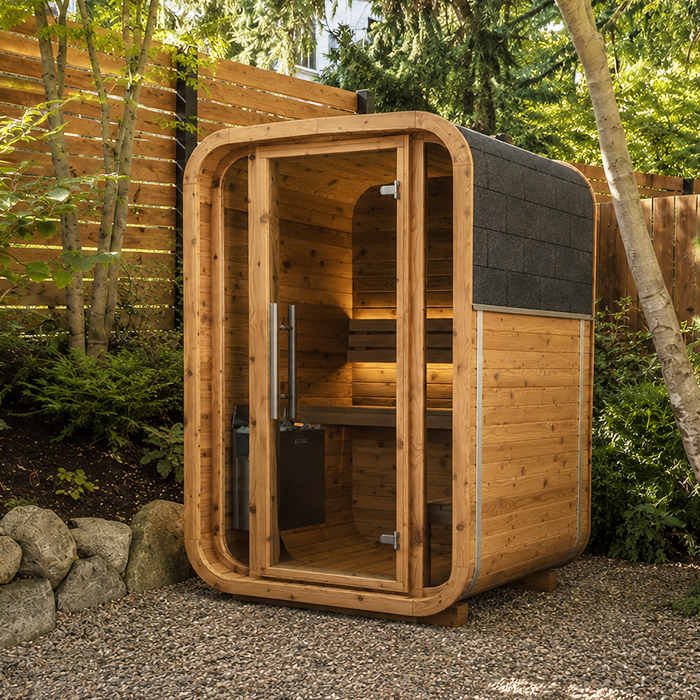
Describe what else may be running when the sauna is used, rather than considering its heater in isolation. Note major electrical equipment that operates at the same time or could reasonably overlap, such as heating or cooling, cooking equipment, hot-water systems, pool equipment, an electric vehicle charger or workshop machinery, where present. Include planned purchases or renovations even if they are not installed yet. Record usual patterns as well: an appliance used intermittently may still overlap with sauna use in practice. Put the sauna candidate—for example, the N-250 Thermowood Barrel Sauna—beside the loads you expect to use concurrently, so the electrician can assess the intended combination rather than a theoretical one.
Tell the electrician which equipment needs to remain available during sauna use and whether you would accept a managed operating arrangement, if one is proposed. Do not assume that switching off another appliance will be practical or that a device can be managed automatically; those are matters to discuss and assess, not workarounds to devise yourself. If you have solar panels, a battery, a generator or a home energy-management system, provide the equipment details and any existing installer documentation. Their presence does not, by itself, establish that the sauna supply is adequate. Ask the electrician to consider the actual system and the way you expect to use it.
The planned sauna location and cable route
Give the electrician a clear picture of where the sauna is intended to sit. A site plan or photos can show the proposed position, its distance from the existing switchboard, intervening walls or structures, and obvious access constraints. Explain if a route may need to pass through a building, across a yard or near planned landscaping, but do not choose a route or carry out electrical work yourself. The electrician needs to assess conditions at the actual property, not a generic sketch of a backyard. If the location is provisional, say so; the route and scope may need reconsideration when the final position is known. Make clear which details are confirmed and which are still being planned.
The route and surroundings can affect what installation approach is practical and what work a quote needs to include, so provide accurate information rather than assuming the shortest visible path will be used. Mention changes planned for the area, such as new structures or landscaping that could affect access. If the LC-260 Thermowood Barrel Sauna is one of your options, show the electrician the location you have in mind for that option, not just a general part of the garden. A move after assessment may alter what was reviewed. Ask what site details or inspection are needed before the installation plan is confirmed.
Electrical requirements for controls and accessories
Include every electrically powered item in the actual sauna setup, not just the main heater. Depending on what is offered, there may be controls, lighting or other accessories with their own electrical requirements. Do not assume an item is included, uses a particular supply arrangement or connects through the heater. Ask the supplier to identify the exact package and provide the relevant manufacturer documents for each item that needs a supply. For a product such as the HCF-300 Thermowood Barrel Sauna, the useful information is the configuration being quoted and its electrical components—not a guess based on a model name or product image.
Tell the electrician if an option has been added, removed or changed since you gathered the product information. That could include a different controller, an additional light or an accessory from another manufacturer; the important point is that the assessed list matches what will actually be installed. Keep separate documents together and identify which part of the package each one covers. If the supplier cannot confirm whether an item needs a separate supply or has particular electrical conditions, ask for clarification before treating the assessment as complete. This helps prevent the review from overlooking a connected item or relying on a specification for a different package.
What the electrician’s assessment should cover
A useful assessment should answer a specific question: can the home’s existing supply support this heater and the other expected electrical demands at the planned location, based on the manufacturer’s stated requirements? Give the electrician the product and heater documents, information about household loads and the site plan. Ask whether they need to inspect the property or obtain further supply information before answering. If they identify an issue, ask what kind of work or additional professional input may be needed, and which parts of the conclusion remain conditional. A general comment that a home ‘should be fine’ is less useful than an answer tied to the actual setup and the information available.
Request a clear summary of assumptions, confirmed details, missing information and proposed follow-up. Ask whether the assessment covers only the heater or the complete electrical package, and whether it assumes a particular location or pattern of use. For the LCF-300 Thermowood Barrel Sauna, as for any candidate, the answer should identify the heater assessed and any conditions that still need to be resolved. If another specialist or a supply enquiry is needed, clarify who will arrange it and which question remains unanswered. Do not make technical changes based on a preliminary opinion.
Comparing shortlisted models fairly
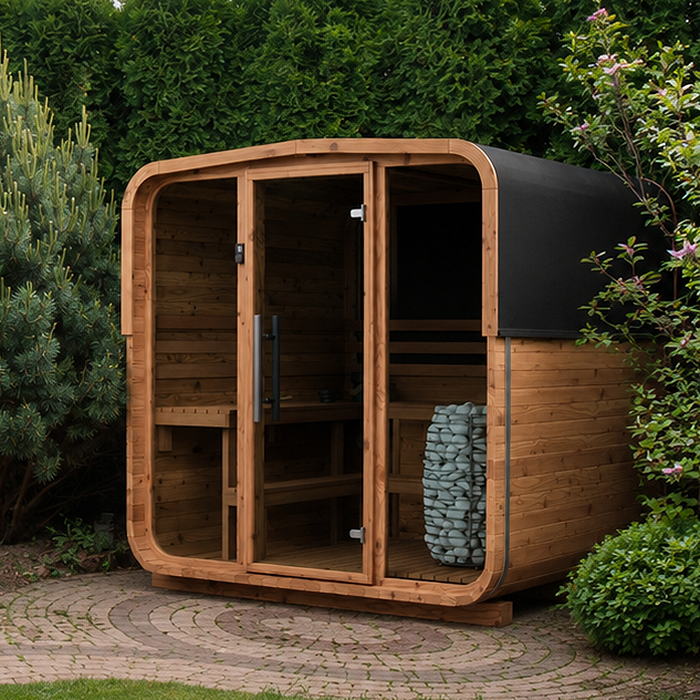
Make a simple comparison record for every serious candidate. Keep the cabin model, heater maker and model, package options, document versions, stated manufacturer requirements, proposed location, electrician’s conclusion and remaining questions together. Mark each point as confirmed, awaiting information or not yet assessed. For instance, the S-140 Thermowood Barrel Sauna can be one named line in the record, but its product name should not stand in for the heater data. This makes it easier to see which option has complete evidence and where a missing specification still prevents a meaningful answer. Include the date of the assessment so you can distinguish it from advice about an earlier setup.
Compare options on the same basis: an assessment for one heater does not automatically transfer to another, even when the cabins look similar. Keep confirmed requirements distinct from assumptions, especially if you are discussing options with more than one supplier. A candidate awaiting heater details is not yet comparable with one whose complete configuration has been assessed. Your record should make that difference visible, rather than presenting every option as equally ready for a purchase decision.
When to make the final purchase decision
Make the electrical result part of deciding which model and configuration to buy. Before committing, confirm that the quotation still matches the cabin, heater and options reviewed by the electrician. Offered packages can change, so check the current details with the seller rather than relying on an earlier page, conversation or estimate. If the assessment identifies work, clarify its scope and who is responsible for arranging it before scheduling the installation. Keep any unresolved conditions visible when agreeing on the purchase and installation timing.
If a preferred sauna cannot be assessed because the heater information is incomplete, keep it provisional and ask for the missing documents. If the assessment points to a different configuration, send that exact alternative for review; do not reuse figures or conclusions from the first model. Save the final product details, manuals and electrician’s written advice together so anyone coordinating the purchase and installation is working from the same version. A clear record reduces avoidable confusion when the order, supplied equipment and site plan need to match.
Frequently asked questions
Can my electricity bill show whether my home has enough capacity?
No. A bill records energy used over time, not the spare capacity available when appliances are running together. It can provide general context, but an electrician needs to check the property’s actual supply against the heater’s requirements and your other electrical loads.
Should I speak to an electrician before choosing a sauna?
Yes. You can discuss an early shortlist, but the assessment needs to match the exact heater and configuration you intend to buy. Share the manufacturer’s requirements and the proposed location before you settle on a model or package.
Can I choose a different heater if it seems to fit the cabin?
Do not assume that it is compatible based on appearance or a similar name. Ask the manufacturer or supplier to confirm that the heater is specified for that cabin, then give the electrician the electrical documentation for that heater.
Do solar panels or a home battery guarantee a suitable supply?
No. Having solar or a battery does not, by itself, confirm that the sauna can be supported. Give the electrician details of the system and how you expect to use the sauna so they can assess the complete setup.
What if the electrician cannot confirm suitability from the documents?
Keep the choice provisional and ask what information or inspection is missing. The supplier or manufacturer may need to provide clearer heater details, or the electrician may need to assess the property. Do not base a decision on figures from a different model.
An electricity check is not a general pass-or-fail for “a sauna”. It is a review of one heater configuration, your home’s actual supply, other electrical loads and the planned installation location. The more precisely those details are recorded, the more useful the electrician’s answer will be. Make that evidence part of comparing models, so your choice reflects a workable plan as well as a cabin you want.
