
Sauna Heater Stone Capacity: What Does It Change About the Experience?
SAUNA HEATER BUYING GUIDE
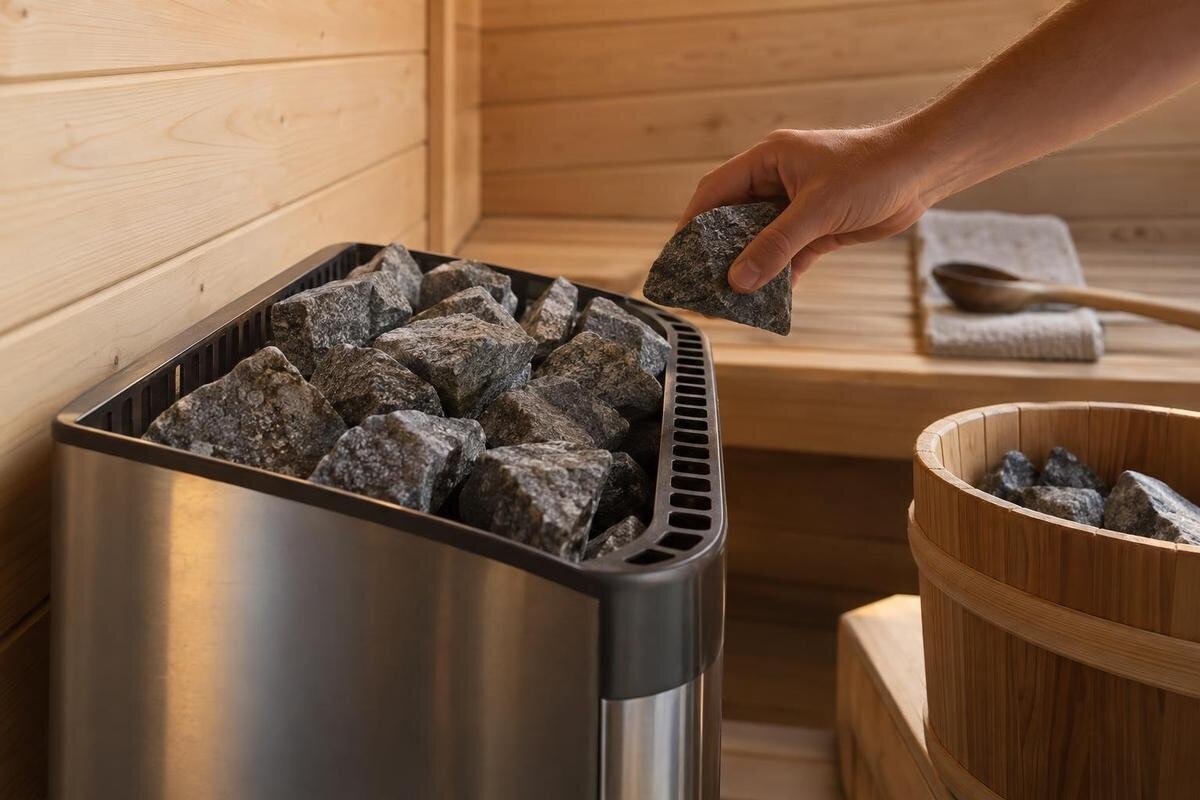
Stone capacity is one of the few sauna-heater specifications that looks simple: a figure, often in kilograms, beside a bed or basket of stones. It matters because stone mass and arrangement can influence heat storage and how the heater responds when water is used. But capacity alone cannot tell you how quickly a sauna will warm, what the heat will feel like or whether a particular heater suits a cabin. Those questions depend on the heater’s full design and the space it is specified to heat. Read the number as one documented design detail, then compare it with the manufacturer’s operating and installation information for the exact model.
What the stone-capacity figure means
Stone capacity describes the amount of stone a heater is designed to hold in the arrangement set by its manufacturer. It is commonly stated as a weight, often in kilograms, but establish what the figure means before comparing it: a recommended load, a maximum load and the quantity supplied are different things. Read the heading and the model manual rather than assuming every use of capacity has the same definition. The rating belongs to a particular heater configuration and may be tied to specified stone sizes or loading. If the manual distinguishes a normal load from a limit, do not treat the limit as the preferred routine setup. Match the exact model code to its instructions; a broad product-family name may not cover all relevant details.
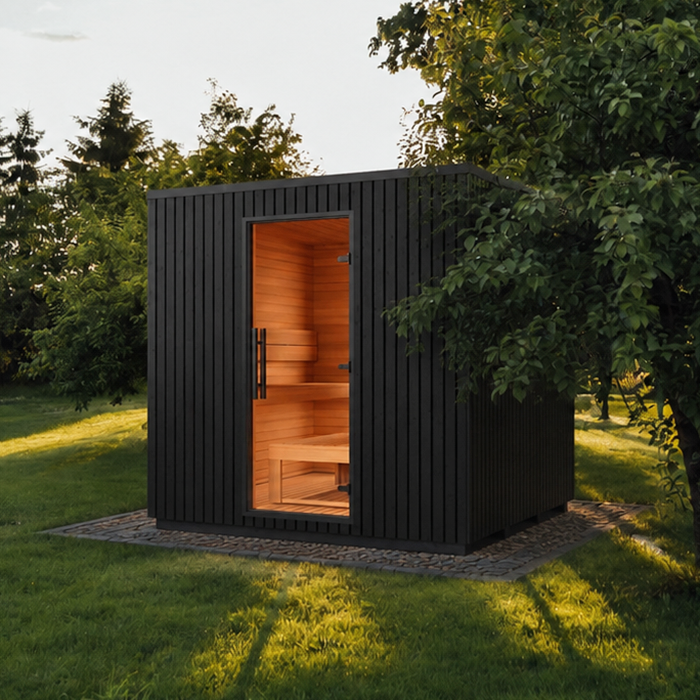
Capacity is a heater figure; area and internal volume describe the sauna around it. The listing for Thermowood Barrel Sauna N 250 gives an area of 5.27 m², not a stone load or a heater-sizing recommendation. Nor does a stone rating tell you the heater’s output, controls, outer dimensions or approved cabin range. Keep these values in separate columns when comparing options: they answer different questions, and square metres cannot be compared with kilograms. If a product page presents capacity without defining it, find the heater’s data sheet or manual and note whether the number is maximum, recommended or supplied. Don’t treat an unqualified figure as a complete specification.
How stone mass affects heat-up and heat release
Once hot, stones act as thermal mass. At a similar temperature and with the same stone material, a greater mass can store more heat and release it as the heater and stones cool. That can affect how quickly the system responds to changing demand, but it does not set a particular room temperature. What a person notices also depends on how much stone surface is exposed, how air moves through the heater, the stones’ temperature and the control behaviour. A large capacity therefore suggests more potential thermal mass, not a guaranteed softer, stronger or more even experience. Two heaters holding the same weight can behave differently if their stones are arranged differently.
Adding stone mass may alter the warm-up profile: under otherwise equal conditions, more stone needs more energy to reach the same temperature. That is not a universal prediction that every higher-capacity heater will warm more slowly or use more energy overall. Heater output and controls, cabin volume, heat loss, ventilation and starting conditions all change the comparison. When considering Thermowood Barrel Sauna LC 260, identify the proposed heater before comparing warm-up information. Use guidance and data for that exact heater and sauna combination, and check the conditions behind any stated warm-up time. Kilograms alone cannot predict elapsed time, and stone capacity is not an efficiency rating.
Why capacity is not a water allowance
Stone capacity is not the amount of water a heater can take, nor a direct measure of how much vapour it will produce. Water reaching sufficiently hot stones can create vapour and briefly change the moisture and sensation in the room. The result depends on stone temperature, exposed hot surfaces, how the stones are arranged, the amount and placement of water, and ventilation. A heater with a larger rated load may hold more stone mass, but its layout may expose different surfaces. Two heaters with the same kilogram rating can therefore have different water-use instructions and responses.
Use the exact heater’s manual for whether water is allowed, where it may be poured and any limits on amount or frequency. Don’t work out a water allowance by multiplying the capacity, or assume that extra stone weight means proportionally more water or a stronger vapour effect. Where the instructions specify a stone arrangement, water guidance relates to that design too. If using water is important to you, compare explicit instructions and the stone-layout diagram for each candidate. A headline capacity number cannot answer that practical question, and guidance for one heater should not be carried over to another.
Heater layout matters as much as stone weight
Stone capacity is only one part of heater design. In some electric heaters, stones sit around heating elements; other models use a different basket, bed or enclosure, while wood-fired heaters have their own chamber and airflow path. Those designs can place the same stone mass at different depths and expose different surfaces. Stone size and the gaps between stones matter as well. The capacity figure cannot show how much of the load is directly heated, how air moves through it or which surfaces are intended to receive water. Those details affect how relevant a capacity comparison is to the experience you want.
When assessing a heater proposed for the HCF-300 Thermowood Barrel Sauna, look for a drawing or manual showing its stone compartment and loading pattern. Photographs may help you recognise the heater, but they do not replace instructions for permitted stone placement. Compare the drawing with the capacity specification so you can understand where the stated load sits within the design. When two heaters have similar capacity, compare their construction, dimensions, stone depth, element position where applicable, and operating guidance. This makes the comparison more useful than treating equal kilogram figures as evidence that the heaters have equivalent stone systems.
Match the heater’s approved range to the sauna
The sauna’s internal volume is a separate check from stone capacity. A heater needs to be suitable for its enclosure under the manufacturer’s criteria. Those criteria may account for internal dimensions, ceiling height and features that affect heat loss, such as glazing or uninsulated surfaces. Follow the guidance for the exact heater rather than using capacity as a shortcut or conversion formula for room volume. Area alone does not show the full internal volume, and two spaces with a similar area may present different conditions to a heater. Use the maker’s method where it gives instructions for particular room features.
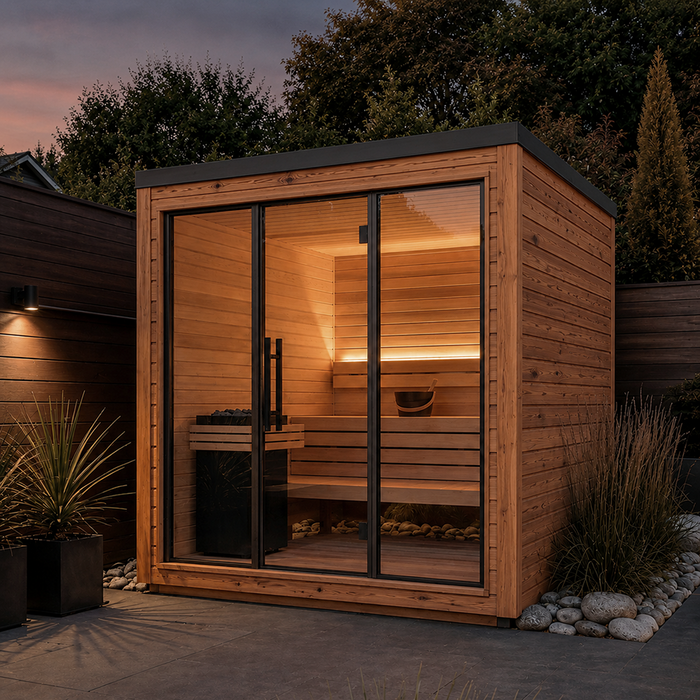
The LCF-300 Thermowood Barrel Sauna listing gives an area of 6.89 m², but that figure is not the heater’s approved volume range. Confirm the sauna’s internal dimensions and the heater specified for the chosen configuration, then check the manufacturer’s suitability guidance for that enclosure. If the room has substantial glazing, an unusual ceiling height or another feature covered in the heater instructions, account for it there. Do not select a heater simply because its stone capacity looks proportionate to the listed area. The heater’s room guidance, not the cabin area on its own, is the relevant basis for the match.
Check whether stones are included
Clarify whether the stated capacity describes what the heater can hold or the stones supplied with the purchase. Inclusions can differ between packages, and the word capacity alone does not settle the question. Check that the package information identifies the exact heater model and says whether stones are included. If they are, look for the stated type and quantity; if they are sold separately, confirm the specified size and the amount needed for the manufacturer’s loading instructions. A bare capacity figure should not lead you to assume the required stones will arrive with the heater.
For a package such as the S-140 Thermowood Barrel Sauna, read the inclusions alongside the documentation for the heater offered in the chosen configuration. Record the rated stone load and the supplied quantity separately, then check whether the included stones match the heater’s requirements. If the package description mentions a stone pack without giving its quantity, leave that item unresolved in your comparison rather than assuming it fills the heater. The useful buying distinction is between the stones required and the stones supplied. Establishing both helps you compare packages on the same basis and identify whether a separate stone purchase is needed.
Use the stone size and loading method in the manual
Stone size, shape and placement are part of the heater’s design, not a cosmetic choice. A manual may specify a size range or loading pattern because stones need to sit around the heater’s components and allow the intended airflow. Packing too tightly, leaving gaps where the instructions don’t allow them, or mixing sizes without approval can change the arrangement the manufacturer designed. Required coverage and spacing vary by heater, so don’t copy the stack from a photograph of another model. The same maximum weight does not mean that a different stone type or packing method will fit.
For a heater selected with Thermowood Barrel Sauna HC-150, use that heater’s instructions to choose the stone grading and loading method. Read the manual before buying extra or replacement stones, including whether it specifies one size or different sizes for parts of the load. Keep those size requirements with the model details so that a later replacement purchase follows the same guidance. Don’t substitute decorative stones, landscaping rock or a convenient mixed bag unless the heater maker approves it. If stones need attention, follow the model’s inspection and replacement advice rather than topping them up by guesswork until the rated capacity is reached.
Compare heat response, water guidance and controls
Think about the experience you want in terms the manufacturer documents. If you value a heater’s ability to store and release heat, pay attention to stone mass, but also check how the stones are heated and arranged. If the water-on-stone response matters, examine the exposed stone layout and the water-use instructions. Capacity cannot promise a particular feeling of softness, intensity or evenness. The sauna and its controls also affect the result, as do individual preferences. Treat descriptions of how a heater feels as guidance rather than as a substitute for model-specific specifications you can verify.
If you are considering the HC-225 Thermowood Barrel Sauna, compare the proposed heater’s controls with its guidance on warm-up and water use. Separate the features you can identify in the documentation from descriptions of how the heat might feel. For example, a stated stone load gives you a quantity to compare, while a description such as ‘soft heat’ does not by itself explain the operating conditions behind that impression. Don’t assume a large load is ideal for every preference, or that a smaller one is inadequate. Among heaters suitable for the sauna, use the documented differences to decide which design best matches your priorities.
Allow for the heater’s layout and loaded weight
A heater’s physical footprint and mass matter alongside its stone capacity. The stone load is not the same as the total installed weight: the heater body, the stones and the supporting surface are separate parts of the installation information. Check the exact model’s drawing for dimensions, clearances, any guard or access requirements, and its position relative to benches and doors. A larger capacity does not necessarily mean a larger casing, just as a compact-looking unit does not establish its clearance needs. Consider how stones will be placed and accessed for care as part of the layout.
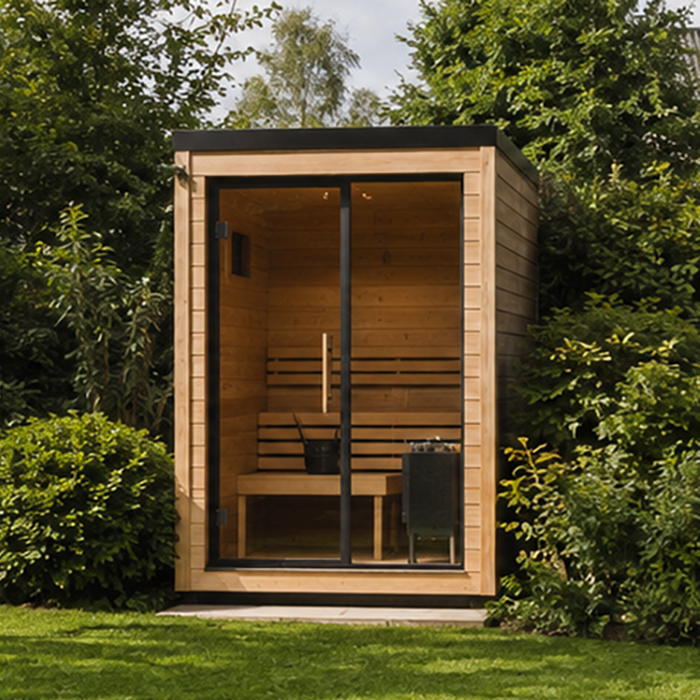
For a proposed heater in N-210 Thermowood Barrel Sauna, consider its position within the cabin using the current heater documentation. Identify the dimensions, loaded mass and required clearances separately; none can be established from the cabin’s floor area alone. If the supporting surface, electrical supply, flue arrangement or surrounding construction needs assessment, have a suitably qualified professional verify the proposed installation for the site. These questions cannot be resolved simply by subtracting heater dimensions from cabin area. The layout also needs to account for the access described in the instructions, including access for loading and maintaining the stones.
Make a like-for-like heater comparison
To compare heaters fairly, record more than the capacity number. Note its unit and whether it means a maximum, recommended or supplied load; the heater type and output; the approved sauna range; the stone size and arrangement; and whether stones are included. Add the model’s dimensions, installation requirements, water guidance and stone-care instructions. This gives you a clearer picture of the design than a capacity figure alone. A product sheet that supplies only some of these details may still identify a candidate, but it cannot support conclusions about every part of the sauna experience. Mark missing details as unknown rather than filling the gaps with assumptions.
Keep the cabin and heater specifications side by side, not in the same column. A cabin’s area and dimensions describe the enclosure; the heater’s documentation establishes its capacity and suitability criteria. Confirm the exact model code and configuration before comparing documents, particularly when product names are abbreviated. A larger stone load is worthwhile only if it belongs to a design that fits the sauna, the operating instructions and your preferences. Read capacity as information about the heater’s stone system—not as a score, a heat-up promise or a substitute for the rest of the specification.
Frequently asked questions
Is a sauna heater with greater stone capacity always better?
No. A greater load can provide more thermal mass, but its effect depends on heater output, stone arrangement and the sauna it is designed to heat. A smaller-capacity heater may be the appropriate choice if it matches the manufacturer’s guidance and suits the way you want to use the sauna.
Does stone capacity tell me how long the sauna will take to heat up?
No. With other conditions equal, more stone mass takes more energy to heat, but capacity alone cannot predict warm-up time. Heater output and controls, cabin size, heat loss, ventilation and starting conditions all matter. Use information for the exact heater and sauna combination.
Does more stone capacity mean more steam?
Not necessarily. Capacity does not state how much water to use or how much vapour a heater will produce. Stone temperature, the exposed surface, the arrangement and the manufacturer’s water-use guidance affect the result. Follow the instructions for the exact model.
Are sauna stones always included with the heater?
Not necessarily. A heater’s capacity may describe the load it is designed to hold rather than the stones supplied with it. Check the package inclusions and the heater documentation for the approved stone type, size and quantity.
What should I compare before choosing a heater?
Compare the meaning and unit of the capacity figure, heater output, approved sauna range, stone layout and stone specifications. Also check whether stones are included, what the manual says about water and care, and the model’s dimensions and installation requirements.
Stone capacity is most useful when you read it as a feature of a particular heater, not a promise about the whole sauna experience. The figure can help you understand the heater’s potential thermal mass, but its arrangement, output, water guidance and approved room range give it context. Comparing those details together makes it easier to see what a documented capacity does—and does not—tell you.
