
Lunar Gardening Calendar 2027: Sow, Plant, Prune & Harvest | Bloomcabin Canada
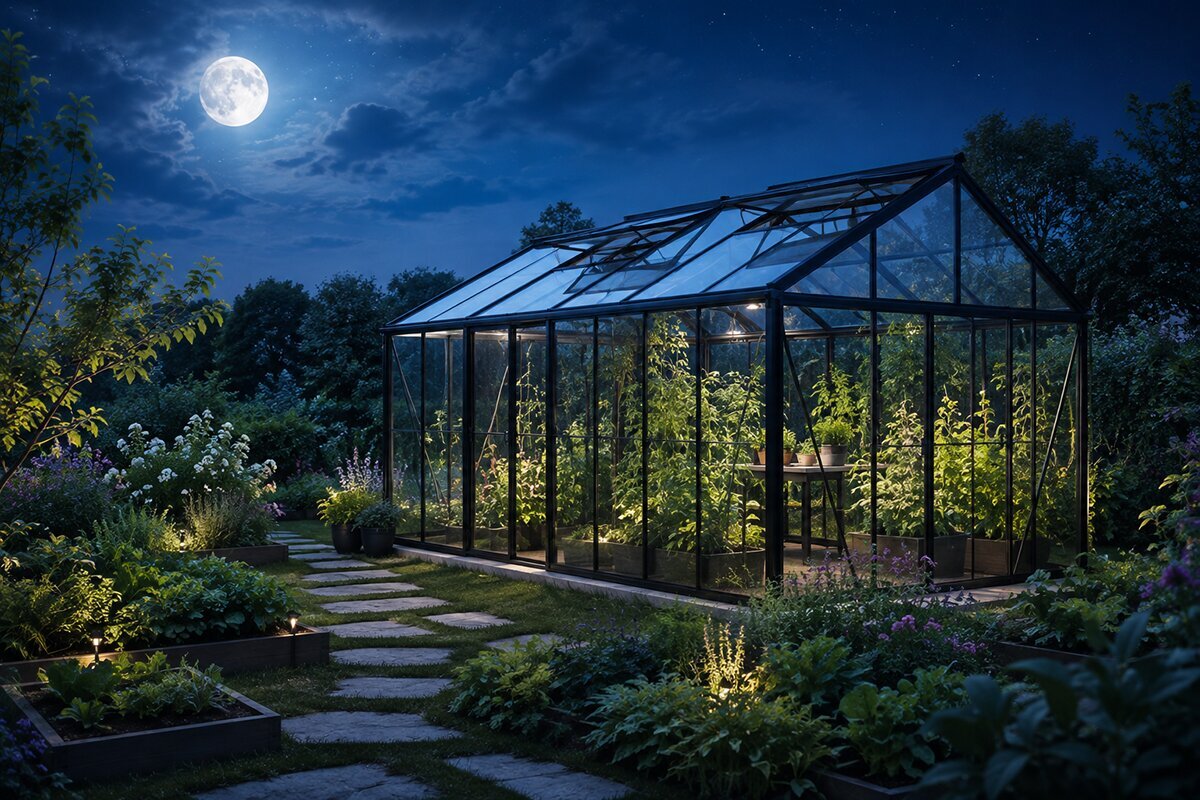
A useful way to approach this calendar
Treat the moon as a planning cue, not a growing instruction: temperature, light, moisture and plant health still decide the outcome.
Lunar gardening traditions assign different kinds of work to the waxing moon, full moon, waning moon and new moon. You do not need to follow those associations rigidly. Their practical appeal is that they create recurring moments to check seedlings, tend established plants, harvest crops and reset the garden for the next cycle.
Moon phase does not replace evidence from the garden itself. Soil warmth, available light, water, frost risk, cultivar needs and nutrition are all more dependable guides. In Canada, seasonal timing can differ sharply between regions and from one year to the next, so this calendar combines traditional lunar prompts with flexible horticultural judgement.
A greenhouse makes that flexible approach especially valuable. It can provide brighter protected space, shelter tender seedlings and lengthen parts of the season, but conditions under the glazing still need daily attention. Use each suggestion only when the crop’s development, day length and actual greenhouse temperature support it.
For more background on the tradition, begin with our lunar gardening guide . Then use this calendar to build your own 2027 routine.
How Canadian readers should interpret the dates
The phase dates listed below come from the source calendar’s conversion of astronomical UTC times to German local time; they have not been recalculated for every Canadian time zone.
A phase near midnight can have a different calendar date in Canada. Confirm the local date and time for your location with a current astronomical calendar before treating any listed day as exact.
That timing distinction rarely changes ordinary garden decisions. Your forecast, soil temperature, precipitation and greenhouse readings are more important than the precise hour of a lunar phase.
A four-part lunar routine
Traditional calendars divide each lunar cycle into these recurring checkpoints
New moon
Reset & begin
Use the start of the cycle to review plans, prepare supplies and, where conditions allow, begin another round of sowing.
First quarter
Build & grow
This stage is traditionally associated with tending seedlings and crops grown mainly for their above-ground growth.
Full moon
Observe & harvest
Make this a visible checkpoint for crop health, ripeness and the jobs that have been postponed since the cycle began.
Last quarter
Tidy & reduce
Tradition connects this period with root crops, pruning, soil work, cleaning and preparation for the next cycle.
A year of monthly checkpoints
Garden and greenhouse prompts for every month of 2027
Canada does not share one planting calendar. Coastal, Prairie, mountain, northern and inland locations can experience very different light, frost and temperature patterns, even within the same month. The guidance below therefore describes adaptable tasks rather than fixed national planting dates.
At each lunar checkpoint, ask what the plants and growing space need now. A recurring review of crop readiness, maintenance and upcoming work can provide structure without overruling local conditions.
01 / 2027
January
Map the coming season and inspect seeds, supplies and greenhouse systems
Moon phases — German local-date referenceNew moon: 7
First quarter: 15
Full moon: 22
Last quarter: 29
First quarter: 15
Full moon: 22
Last quarter: 29
January is not equally dormant everywhere in Canada, but it is a useful planning month for most gardeners. Inventory seed, select varieties suited to your available space and sketch how beds and greenhouse benches will be used. Sow very early crops only when you can provide the light and warmth needed to keep seedlings compact and healthy.
Turn one lunar checkpoint into a greenhouse inspection: wash glazing as conditions permit, test vents, examine doors and seals, and clear old plant material. In colder regions, an unheated structure may offer shelter without remaining frost-free. Whatever the climate, provide sensible air exchange and avoid leaving overwintering plants continuously wet.
02 / 2027
February
Begin selectively as daylight returns
Moon phases — German local-date referenceNew moon: 6
First quarter: 14
Full moon: 21
Last quarter: 28
First quarter: 14
Full moon: 21
Last quarter: 28
February brings noticeably more daylight, but the amount of usable light still depends on region and site. Gardeners with a bright, warm propagation area can consider peppers, chillies and other long-season plants. Protected lettuce, spinach or hardy greens may also be practical, but one sunny afternoon is not proof that spring has arrived.
Use the latter part of the cycle to check trays, growing media and sanitation. Preparing labels, pots, irrigation tools and bench space now makes a busy spring easier. Let minimum temperatures and the needs of each crop determine the schedule; milder and colder Canadian locations will not move at the same pace.
03 / 2027
March
Turn seed-starting plans into a workable spring layout
Moon phases — German local-date referenceNew moon: 8
First quarter: 15
Full moon: 22
Last quarter: 30
First quarter: 15
Full moon: 22
Last quarter: 30
By March, propagation can expand quickly. The waxing phase can prompt you to review tomatoes, herbs, annual flowers and other seedlings that fit your regional schedule. Plan for what happens after germination: trays require bench space, seedlings need potting on, and stronger sunshine increases ventilation demands.
Reserve the waning phase for bed preparation, compost, clean paths and irrigation checks. A mild coastal pocket may be weeks ahead of a northern or high-elevation garden, and late frost can remain a concern in either case. A well-run greenhouse provides useful protection, but only active temperature monitoring tells you what it can safely hold.
04 / 2027
April
Balance stronger light with frost-aware hardening off
Moon phases — German local-date referenceNew moon: 7
First quarter: 14
Full moon: 21
Last quarter: 28
First quarter: 14
Full moon: 21
Last quarter: 28
April can move from cold to intense sunshine in a matter of hours. Continue suitable sowings and pot on crowded seedlings during the waxing phase, but keep enough space between plants for light and air to reach the foliage. Overcrowded benches create uneven drying and make temperature control harder.
Make ventilation the priority around the full moon and waning phase. Confirm that roof vents and automatic openers move freely before a warm day tests them. Continue hardening plants in stages, bringing frost-sensitive crops forward only when your local nights and short-term forecast make that reasonable.
05 / 2027
May
Make room for the busiest part of the greenhouse year
Moon phases — German local-date referenceNew moon: 6
First quarter: 13
Full moon: 20
Last quarter: 28
First quarter: 13
Full moon: 20
Last quarter: 28
For many Canadian gardeners, May brings major planting decisions, but the appropriate week is local rather than national. Lunar tradition assigns tomatoes, cucumbers, peppers, herbs and other above-ground crops to the waxing phase. Use that association only after checking overnight temperatures and the continuing possibility of frost.
As established plants take over, shift from sowing to support and maintenance. Tie tomatoes, train cucumbers, even out irrigation and inspect ventilation daily. A waning-phase reset can include clearing paths, removing damaged growth and adjusting the layout wherever winter plans have proved impractical.
06 / 2027
June
Keep vigorous growth supplied with air and water
Moon phases — German local-date referenceNew moon: 4
First quarter: 11
Full moon: 19
Last quarter: 27
First quarter: 11
Full moon: 19
Last quarter: 27
June can bring rapid growth and long, bright days. Use a waxing-moon reminder to review succession sowings and fill suitable gaps with young crops. As tomatoes, cucumbers, peppers and other warm-season plants expand, reassess irrigation and airflow rather than assuming the setup that worked in May is still adequate.
Create a repeatable inspection around the full moon: look for unhealthy leaves, tight ties, stagnant air and containers that dry too quickly. Add shading during hot spells when conditions require it. Cleaning and selective pruning may fit the waning phase, but watering must always respond to roots, temperature and evaporation rather than a lunar date.
07 / 2027
July
Harvest often and manage greenhouse heat
Moon phases — German local-date referenceNew moon: 4
First quarter: 10
Full moon: 18
Last quarter: 26
First quarter: 10
Full moon: 18
Last quarter: 26
July’s recurring task is harvest. Use the lunar cycle to remind yourself to pick ripe tomatoes, cucumbers, herbs and other crops before they become overripe. Regular harvesting can keep productive plants manageable while creating space to consider another small sowing where the remaining season allows.
Heat can build rapidly behind closed glazing. Doors, roof vents and appropriate shading take priority over the calendar whenever temperatures rise. During a waning-phase tidy, remove diseased material, clean empty containers and prepare cleared areas for later lettuce, spinach or other crops suited to your local autumn.
08 / 2027
August
Keep summer crops productive while preparing the next season
Moon phases — German local-date referenceNew moon: 2 + 31
First quarter: 9
Full moon: 17
Last quarter: 25
First quarter: 9
Full moon: 17
Last quarter: 25
The source calendar lists new moons on 2 and 31 August using German local dates. Confirm both dates for your Canadian time zone. Use the first cycle to review succession sowing and the later one to decide which spaces will open, what can follow the summer crops and which plants are worth keeping under cover.
Continue steady watering and air movement around tomatoes, peppers and cucumbers. Thin only where needed, remove diseased foliage promptly and clean areas as they become vacant. Autumn light and temperature decline sooner in some Canadian regions than others, so base late sowings on the conditions you actually expect to maintain.
09 / 2027
September
Choose carefully what earns the remaining light
Moon phases — German local-date referenceNew moon: 30
First quarter: 7
Full moon: 16
Last quarter: 23
First quarter: 7
Full moon: 16
Last quarter: 23
September is a month for setting priorities. Use the waxing phase to assess any final quick-growing leafy crops, make the full moon a harvest and health checkpoint, and clear finished plants as the cycle wanes. Warm-season crops can continue only while light and overnight temperatures remain favourable.
Cooler air and shorter days allow moisture to linger. Ventilate when conditions permit, water with longer drying times in mind and avoid leaving foliage wet. Cleaning, soil care and pruning can anchor the waning phase. Keep appropriate space available if hardy greens or herbs are part of your winter plan.
10 / 2027
October
Clear summer growth and prepare protected crops for colder weather
Moon phases — German local-date referenceNew moon: 29
First quarter: 7
Full moon: 15
Last quarter: 22
First quarter: 7
Full moon: 15
Last quarter: 22
October can mean lingering harvests in one part of Canada and established frost or snow in another. The waxing phase is useful only for crops already adapted to low light or for established plants that still have suitable conditions. Starting new heat-loving crops is generally impractical at this point in the natural-light season.
Use the waning phase for a thorough greenhouse reset. Remove spent tomatoes and cucumbers, take plant debris outside the growing area, clean tools and organize empty beds or containers for winter. Good sanitation reduces avoidable pest and disease pressure, while ongoing ventilation helps control humidity in an occupied greenhouse.
11 / 2027
November
Protect the quiet season from unnecessary work
Moon phases — German local-date referenceNew moon: 28
First quarter: 6
Full moon: 14
Last quarter: 21
First quarter: 6
Full moon: 14
Last quarter: 21
November’s limited natural light calls for restraint. Rather than starting crops simply because a lunar date arrives, use the calendar to monitor hardy plants already in place. Cooler conditions slow both growth and water use, so check the root zone and air exchange before watering.
Cleaning, repairs and soil care give the waning phase a practical purpose. On suitable days, inspect gutters, doors, rollers and automatic openers, then remove fallen leaves and other organic debris. A tidy, functioning greenhouse is easier to manage through winter and simpler to restart in spring.
12 / 2027
December
Record what worked and design a more practical new season
Moon phases — German local-date referenceNew moon: 27
First quarter: 6
Full moon: 13
Last quarter: 20
First quarter: 6
Full moon: 13
Last quarter: 20
December is well suited to notes and decisions. Record the varieties that performed well, identify crowded areas and mark any irrigation problems. Around the new moon, turn those observations into a realistic bed and bench plan, ordering seed for the space and growing conditions you can actually provide.
Let the quieter weeks support maintenance rather than unnecessary sowing. After storms or snowfall, inspect the structure and follow its care instructions when dealing with roof or gutter accumulation. The calendar’s lasting value is the habit of observing, recording and preparing—not perfect obedience to every lunar date.
Build routines around crop groups
Use lunar checkpoints to revisit the different needs of each group
Leafy crops
Lettuce, spinach & herbs
Traditional calendars place leafy growth in the waxing phase. Your practical checks should focus on even moisture, usable light, air movement and temperatures that do not push the crop too quickly.
Fruiting vegetables
Tomatoes, cucumbers & peppers
For tomatoes, cucumbers, peppers and similar crops, lunar dates can prompt sowing, potting on, training, inspection and harvest. Temperature, root space and overall plant health remain the stronger guides.
Root vegetables
Carrots, radishes & beets
Root crops are commonly linked with the waning moon. Loose soil, suitable depth and consistent moisture have a much more direct effect on greenhouse-grown carrots, radishes and beets.
Flowers & herbs
Scent, flowers and beneficial insects
Use flowers and herbs to occupy suitable gaps, support a varied planting scheme and provide successive young plants. Stagger sowings only when light, room and the remaining season support them.
Repetition is where this calendar becomes practical. A first-quarter seedling check, a full-moon harvest review and a last-quarter cleanup divide a long task list into manageable visits. Over time, those visits can sharpen your awareness of how crops and equipment are changing.
That habit matters in a greenhouse because blocked vents, crowded foliage and dry containers can cause trouble quickly. Lunar timing does not create success; it simply supplies a regular invitation to inspect the growing space before small issues become larger ones.
Using lunar checkpoints under cover
A greenhouse turns a broad annual calendar into a set of practical maintenance and crop-care reminders.
Priorities shift through the greenhouse year. Early-season attention goes to light, room and frost protection; summer demands ventilation, water and possible shading; later months bring humidity control and sanitation. Monthly checkpoints can keep those changes visible without imposing fixed planting dates.
For an aluminium-and-glass greenhouse, inspect roof vents, sliding doors, gutters, shelving and paths before dense growth makes access difficult. Put equipment checks into quieter periods instead of waiting for a failure during peak season.
During seed starting, the greenhouse can form a useful transition between indoor propagation and the open garden. It may offer light and a place to harden young plants, but an unheated structure is not automatically frost-free. Move tender crops according to measured conditions, not the page of the calendar.
Summer reverses the challenge: solar gain can make the greenhouse far hotter than the surrounding air. Respond daily with suitable ventilation, shading and watering. A lunar checkpoint can remind you to inspect the system, but it should never dictate a fixed watering day.
Later in the year, remove plant debris, standing water and stale pockets of humid air wherever possible. If the waning moon helps you remember that routine, use it—the horticultural benefit comes from the cleaning and ventilation themselves.
One country, many growing seasons
Canadian gardeners need local decisions, not a single national planting date.
A calendar for all of Canada can provide organization, but not one shared growing schedule. Mild coastal sites, inland locations, Prairie gardens, mountain communities and northern regions differ in both seasonal timing and day-to-day risk.
Begin with your local frost history, then adjust to the current forecast and the temperatures you measure in your own garden. Tomatoes, cucumbers and peppers benefit more from suitable nights than from a traditionally favourable moon day.
A greenhouse can add useful protection in windy or cool locations, while warmer sites may depend more heavily on ventilation and shading. The benefit always depends on the structure, site and way it is managed; it does not erase the surrounding climate.
A sound routine has three parts: lunar dates for reminders, regional weather for timing and close observation for day-to-day decisions.
Frequently asked questions
Questions Canadian gardeners may have about the 2027 lunar calendar
Is gardening by moon phase scientifically proven?
No dependable effect on germination or yield has been established strongly enough to replace ordinary horticultural evidence. This article uses lunar phases as a traditional organizing method.
Which factors matter more than moon phase?
Give priority to soil and air temperature, usable light, moisture, frost risk, cultivar needs, nutrition, plant health and the weather at your site.
Can I use the calendar in a greenhouse too?
Yes. Its best greenhouse use is as a recurring prompt to inspect sowings, potted seedlings, ventilation, established crops, harvest readiness and sanitation.
When should I sow tomatoes in 2027?
There is no single Canadian sowing date. Work backward from a realistic local planting time and start only when you can provide enough warmth, light and space to maintain sturdy seedlings.
Which moon is traditionally intended for root vegetables?
Many lunar traditions associate root crops with the waning phase. Soil condition, depth and consistent watering are more consequential in practice.
Must I do every task exactly on the phase date?
No. Use each phase as a broad checkpoint. Suitable soil, a manageable forecast and healthy plants outweigh a lunar date that arrives during cold or wet conditions.
Why is an annual calendar still worthwhile?
It creates a repeatable observation habit. Regular reviews make it easier to notice seasonal change, equipment problems and crops that need attention.
Bloomcabin
Explore Bloomcabin greenhouses for your garden plans
Aluminium mini greenhouseView model
Aluminium mini greenhouseView model
Aluminium mini greenhouseView model
Bloomcabin OrangeryView model
Bloomcabin Prestige greenhouseView model
Hexagon greenhouseView model
Greenhouses & conservatoriesView model
T-Model OrangeryView model
Aluminium mini greenhouseView model
T-Model OrangeryView model
Greenhouse options for your 2027 plans
