
How Much Weekly Time Does a Greenhouse Need?
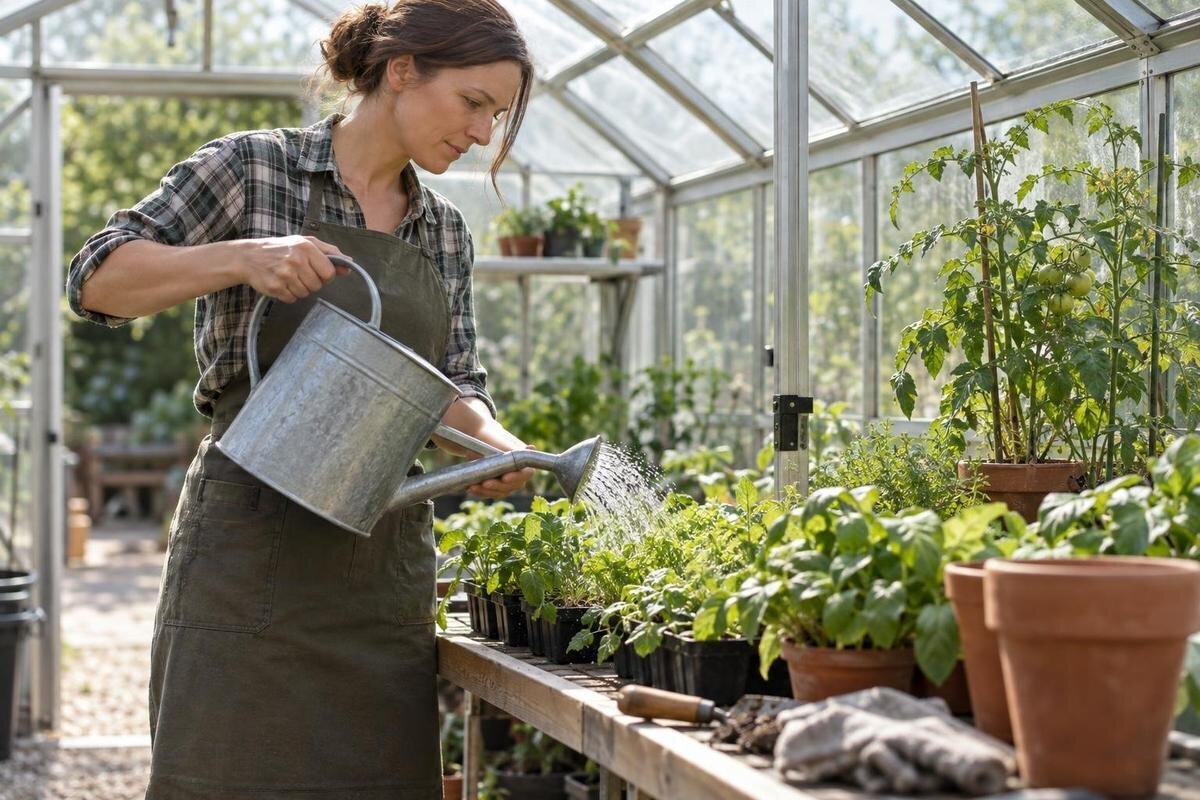
Greenhouse workload planning
A greenhouse has no dependable weekly time allowance that suits every crop plan. A quiet, mostly empty space calls for different care from one with seedlings, fruiting crops and regular picking. The workload also changes as plants establish, conditions shift and tasks overlap. For a useful estimate, list the plants you want, the jobs they create, how those jobs will be done and when they peak. Then separate hands-on work from automation that may reduce repeated actions. The result is a plan you can test, rather than a promise based on greenhouse size alone.

Why greenhouse time varies by week
A greenhouse is a growing space, not a self-running system. A week when it is mostly empty or between crops may involve little beyond a look around and occasional upkeep; sowing, potting on, training, harvesting and clearing can make an active week much fuller. The workload changes with crop stage, plant numbers and growing conditions, so a calendar average can hide the periods when you will need more time. Think in terms of a quiet week, an ordinary working week and a peak week. These are planning categories, not guaranteed seasonal patterns: your crop sequence determines when they occur.
Define what you mean by greenhouse time before adding minutes. Include watering, collecting and putting away tools, carrying seedlings or compost, harvesting and clearing up. If sowing happens elsewhere but supports the greenhouse crop plan, record that work too. Decide whether you are counting from the moment you arrive at the greenhouse or including time spent fetching equipment; either approach is fine if you use it consistently. Keep one-off jobs, such as a planned seasonal clean or rearrangement, separate from recurring care. This makes the regular weekly total easier to compare with the busier weeks.
Build the estimate from your crop list
Write down what you intend to grow rather than using a broad label such as vegetables. Note the number of plants, pots, beds or seed trays, and when each crop will be sown, moved into its growing position and cleared. Include your aim for the harvest: a few items for occasional use create a different plan from successive sowings or a steady supply. If the quantities are undecided, make a modest plan and a fuller one. Comparing those lists shows how changing plant numbers or adding another crop may alter the work before you settle on a greenhouse size.
Give each crop or group its own task row. Add relevant work such as sowing, potting on, tying in, pruning if needed, harvesting and clearing, then note when you expect each job to occur. Distinguish a task done once for a whole tray from one repeated for every plant: this helps you see which jobs increase when you expand the crop list. The Classic aluminium greenhouse is listed in sizes from 3.77 m² to 28.08 m², which provides a footprint range to compare with your plan. Beside each possible layout, write the proposed plant quantities rather than filling every available space on paper. You can then compare a manageable starting plan with a fuller version and see exactly which extra jobs the latter would involve.
Separate regular checks from seasonal jobs
A routine visit might include looking over the plants, checking whether watering is needed, noticing visible damage or pests, and checking the growing environment. List the checks that belong in your own plan and time a few visits. Do not assume every task needs to be done on every visit, or that a quick look takes no time at all. If watering and plant checks happen together, record them as one visit and note the tasks within it so you do not count the same minutes twice.
Set seasonal work apart from the regular routine. Sowing, potting on, changing crops and clearing plants tend to happen at particular stages rather than evenly every week. Mark those periods on a crop calendar and keep the actual job visible instead of dividing its time across the whole year. Where two jobs are likely to coincide, add them to the same week's estimate so the peak is clear. A lean-to aluminium greenhouse is one configuration to compare once you have sketched the crop layout. Use that sketch to distinguish ongoing growing areas from space you intend to clear and replant. For each changeover, list removing the previous crop, tidying the area and preparing the next planting as separate parts of the seasonal job.
Watering by hand and with automatic irrigation
With hand watering, the job may include getting the watering equipment ready, moving between containers or beds, checking which plants need attention and putting everything away. The number and location of plants, the type of growing containers and the route to your water supply all affect the time. Record what you actually do rather than assigning a fixed watering schedule from a general estimate. Conditions and crop stages can change the work, so one visit may not represent every week.
An automatic irrigation setup may reduce repeated carrying and watering, but it does not confirm that each plant is receiving water. Allow for checking the supply, equipment and results, and include refilling or adjustment if your arrangement requires it. To estimate the time saved, separate your current watering visit into preparation, distributing water, checking plants and putting equipment away. Identify which parts the proposed setup would replace and which would remain; do not subtract the whole visit if you would still inspect the plants. The Limited Edition aluminium greenhouse is listed in sizes from 3.77 m² to 28.08 m²; those figures are a size reference, not evidence that irrigation is included. Keep any projected saving provisional until you have chosen the configuration and separate watering equipment.

Ventilation and climate controls still need oversight
If you operate vents or make other adjustments by hand, record those visits as part of the workload. Conditions can change, so the number of checks in your plan may vary rather than follow a perfectly even weekly pattern. Note the action taken, not just the time spent with plants: for example, checking the environment, making an adjustment or returning later to see whether it needs attention. This gives you a clearer picture of the routine than a single entry labelled greenhouse check.
Automatic controls may reduce repeated manual adjustments, but they still need oversight. Include time to check that controls are responding as intended and to deal with settings, maintenance or an interruption. In your log, distinguish a brief check from a visit that involves an adjustment or troubleshooting. That lets you compare ordinary operation with occasional extra work without treating every visit as equally demanding. A T-model orangery greenhouse is listed in sizes from 16.52 m² to 30 m²; the name and size range do not show which vents, shading or monitoring equipment are included. When comparing configurations, identify the controls you would operate manually and those you expect to automate. Assign a time allowance to each remaining job rather than assuming a single saving for the whole greenhouse.
Sowing, crop care and harvesting are hands-on work
Watering is only one part of a growing routine. Depending on the crops, you may also sow seed, pot seedlings on, plant them out, support stems, tie plants in, prune, remove spent material and pick produce. These jobs often come in blocks: several plants may need attention at a similar stage, or a crop change may create a concentrated round of work. Include the time needed to gather tools, handle the plants and tidy the work area, rather than counting only the central task.
Your harvest aim also affects the amount of work to plan for. A small number of plants for occasional picking and a plan involving repeated sowing or regular harvesting will not create the same pattern. Decide where your time record ends: at picking, after sorting the harvest, or after putting it away. Keep that boundary consistent so a week with plenty to pick can be compared fairly with a quieter one. The Oasis Pyramid greenhouse is a product option to examine alongside your crop plan; confirm the selected configuration rather than inferring a crop capacity from its name. On your layout, identify the plants you expect to tend individually and the trays or groups you can work on together. This gives your crop-care estimate a clearer basis than floor area alone.
Include cleaning, pest checks and equipment upkeep
Keep routine observation separate from extra work prompted by a problem. Looking over leaves and growing areas may be part of an ordinary visit; removing debris, washing trays or clearing up after a crop change are distinct tasks to time. If you find visible damage or pests, the time needed to assess and respond can be unpredictable. Record it separately from the planned routine so one unusual week does not distort every other estimate. The aim is a realistic allowance for both ordinary care and occasional work, not a fixed cleaning schedule for every greenhouse.
Tool organisation can affect how long visits take. Keeping frequently used items close to the work may cut down on extra trips, while collecting and putting away equipment still takes time. The Limited-Edition aluminium greenhouse with built-in storage has storage in its product description, but that name alone does not say how much space is available or which tools will fit. Make a short list of the equipment you use for recurring jobs and compare it with the selected storage arrangement. Record fetching and returning items as part of those jobs, rather than adding a second general allowance that counts the same minutes again. Keep occasional sorting or clearing of the storage area separate: it is a different job from putting tools away after an ordinary visit.
Greenhouse size and layout are not a time estimate
Floor area can help you compare possible layouts, but it does not translate directly into weekly hours. A larger greenhouse may give you room for more plants, while an area that is mostly empty may add little routine crop care. A compact layout with many plants can create more individual jobs than a lightly planted space. Access also matters: note where you will work, how you will reach the plants and whether moving equipment or containers will add time. Use the growing arrangement and crop list together rather than relying on square metres alone.
For a size reference, the spacious greenhouse range is listed from 47 m² to 70 m². That information helps you compare stated sizes, but it is not a maintenance-hours forecast or a guarantee of planted area. Sketch where the plants, access routes and equipment would go, then trace an ordinary visit through the layout. Note any containers you would need to move before reaching other plants, or equipment you would collect from elsewhere. These actions belong in the estimate even though they are not crop-care tasks themselves. Leave unplanted space clearly marked rather than assigning it the same workload as a growing bed. This separates the time associated with your intended planting from the space available for later changes.

Set a workload limit before finalising the crop plan
Decide how much time you can regularly give the greenhouse, and keep a separate allowance for peak weeks. Then shape the crop plan around that limit. You might reduce the number of plants, choose fewer varieties or arrange sowings so that not every task falls in the same week. This is not a promise that work will be evenly spread: conditions and crop stages can still change the pattern. It is a way to identify which parts of the plan are essential and which could be scaled back if the estimate looks too demanding.
Use your workload limit when comparing greenhouse sizes, rather than treating the available area as a target to fill. The Prestige greenhouse is listed in sizes from 3.77 m² to 28.08 m²; that range describes size options, not a recommended crop load or a weekly time commitment. Compare each configuration with the plant numbers and access space in your intended layout. If the fuller crop plan exceeds your time allowance, identify what you would remove and recalculate the affected jobs. Reducing one group of plants may change several entries, including potting on, watering, tying in and harvesting. Keep the revised quantities beside the budget so you know what the estimate covers. You can reconsider unused growing space later without including its potential crops in the current weekly total.
Create a weekly budget you can revise
Keep a simple log with the date, task, minutes spent and whether the work was routine, seasonal or unexpected. Record the visit once, then note its component jobs so overlapping tasks are not counted twice. After several representative weeks, total the recurring work and keep the busiest weeks visible as well. Repeat the exercise when the crop plan changes or a growing stage brings different jobs. The result is more useful than a single annual average because it shows what you need to fit into an ordinary week and where extra time may be required.
Here is an arithmetic example, not a typical weekly allowance. Assume one active week with four container-grown fruiting plants and one seed tray, hand watering and no automated controls. The grower chooses five combined check-and-water visits of 10 minutes each (50 minutes), two 20-minute sessions for training and picking (40 minutes), and one 30-minute sowing and tidy-up session (30 minutes). The total is 120 minutes, or two hours. Those timings and visit choices are illustrative, not a watering prescription or measured benchmark. Replace them with your own recorded times; omit a task when it is not due and add any work your actual plan requires.
Frequently asked questions
How many hours a week should I allow for a greenhouse?
There is no dependable figure that applies to every greenhouse. The plants, season, watering method and amount of hands-on work all affect the total. Build an estimate from your own crop list and task log; treat the two-hour example in this guide as arithmetic for one set of assumptions, not a typical allowance.
Does a larger greenhouse always take longer to look after?
No. A larger footprint may make room for more plants, but the area itself does not create a fixed amount of care. A sparsely planted space may need less attention than a compact one packed with crops. Count plants, jobs, access and the time needed to complete each task.
Will automatic watering make a greenhouse hands-off?
It can reduce repeated watering work, such as carrying water and distributing it by hand. You still need to check that the system is operating as intended and that plants are receiving water. Sowing, pruning, harvesting, cleaning and other crop care remain hands-on tasks.
When is greenhouse work busiest?
That depends on what you grow and when tasks coincide. Sowing or potting on, supporting plants, picking produce and clearing crops can all add work during the same period. Use the stages in your own crop plan to identify likely peaks rather than relying on a fixed calendar.
How can I estimate the workload before choosing a greenhouse?
Write down the crops and quantities you intend to grow, then list the work each crop creates through the season. Add the time for routine checks, watering, crop care and cleaning, and compare the plan with the configuration you are considering. Keep estimated equipment or automation savings separate until you know what is included.
Treat greenhouse time as a working budget. Write down the intended crops, keep routine tasks distinct from seasonal bursts and revise the estimate when your own log gives you better evidence. A small crop plan and a fuller one can demand very different attention in the same-sized space, while a timer changes only part of the work. Your most useful figure is therefore your own logged range for a quiet, ordinary and busy week, with the assumptions beside it.
