
Choosing a greenhouse bundle for Black Friday: accessories worth including
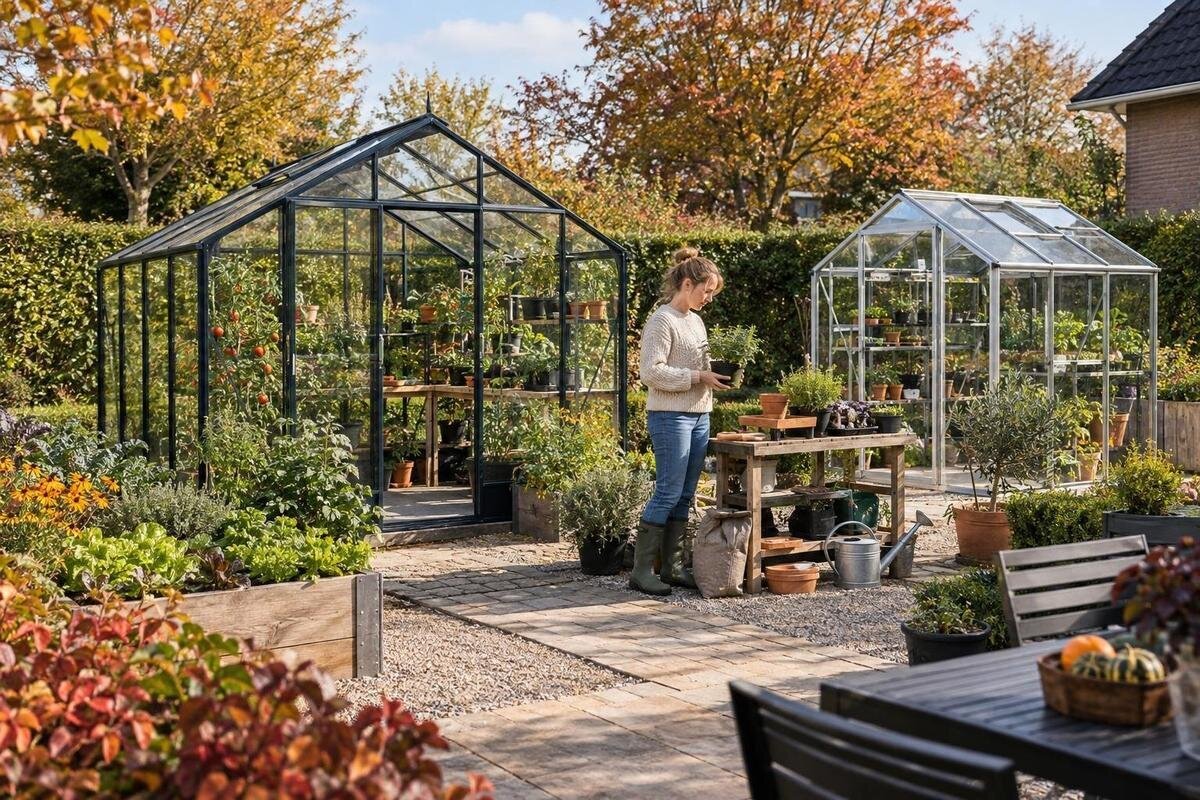
Greenhouse buying guide
Black Friday can be a useful moment to compare greenhouse packages, but the word ‘bundle’ does not tell you whether its extras will help in your garden. A shelf that suits one growing plan may be in the way of another; a watering accessory is only worthwhile if it works with your water supply and the greenhouse layout. Decide what you need the greenhouse to do, then judge each accessory against that plan and the package’s written contents. This guide focuses on that comparison, not on any assumed sale price or promotion: check the exact terms and items shown when you shop.

Bundle checklist 1
Choose the greenhouse before comparing bundles
Judge a bundle against the greenhouse it accompanies, not by the number of accessories in the box. Before browsing, decide where the structure could stand, how much growing space you need, how you will reach plants and what you intend to grow. Consider both usable area and the route through it: shelves, pots or equipment should not make routine access difficult. The greenhouse layout affects which add-ons can be used comfortably, so a long accessory list cannot make an unsuitable size or position work. Write down your essentials—usable floor area, access, ventilation options and an overall budget—before comparing packages. A short list of needs is easier to apply consistently than a bundle headline.
Compare the greenhouse listing itself first, then assess each extra. A page titled classic aluminium greenhouse is one product identity to investigate, not proof of a particular bundle’s contents. Record the stated dimensions and construction details from the listing, and separate those facts from accessories described as included, optional or sold separately. Check that the package you are comparing corresponds to the exact greenhouse configuration selected; similar wording can refer to different combinations. Looking at the greenhouse alone also helps you tell whether an accessory solves a real need or merely makes a package look fuller. Avoid counting a feature twice if it appears in both the core description and an accessory list.
Match accessories to the crops you plan to grow
Let your crops and routine decide which accessories deserve a place. Starting seeds, potting on, growing herbs or salad crops, and supporting taller plants call for different kit. Note what you expect to grow, whether you plan to raise plants from seed, how many pots or trays you use, and whether you need a work surface or plant supports. If you are new to greenhouse growing, begin with a manageable plan rather than buying equipment for every possible crop. You can add to it after you have seen which jobs actually take time. A short list of likely tasks makes bundle contents easier to judge.
Sort possible extras into three groups: needed for your first season, useful but deferrable, and unnecessary because you already own something similar. A seed tray matters if you plan to sow; extra shelving may not if your crops need open floor area. A bundle’s starter-kit wording is not a substitute for matching each item to your plan, and more pieces do not automatically mean more value. Give every accessory a clear purpose—holding plants, organising tools, helping with watering or monitoring conditions. If you cannot name a task it will support, leave it out or compare a package without it, if that choice is available.
Bundle checklist 2
Ventilation and temperature monitoring
Consider ventilation before buying an opener. An automatic vent opener may be useful when opening and closing a vent by hand is inconvenient, but it must suit the vent and greenhouse. Check the product’s stated compatibility, operating range and fitting instructions, and find out whether it operates one vent or more; those details affect its usefulness. An opener does not create a complete climate-control system, and it does not remove the need to check the greenhouse and plants. If you can visit regularly and are comfortable managing vents manually, an automatic mechanism may be a lower priority than an accessory for a more frequent task.
Temperature and humidity instruments are monitoring accessories: they show conditions rather than changing them. A thermometer or combined thermometer and hygrometer can help you notice variation and decide when to inspect ventilation or shading, but do not rely on one reading in isolation. Check whether the instrument is intended for greenhouse conditions, how it should be positioned and whether the display is easy to read. For a candidate such as the aluminium lean-to greenhouse, use the written vent details to check opener compatibility; a catalogue name alone cannot confirm that an accessory fits or comes in the package.
Staging and shelves should preserve usable space
Staging, shelves and benches can make pots, seed trays and young plants easier to organise, but they take up space. Sketch how you would arrange them, keeping a clear route to the plants and allowing for the door and any equipment you need to move. Consider which crops will be at floor level and whether taller plants would be hidden or obstructed by shelving. Check the stated width, depth and number of units in the package; ‘staging included’ may mean one shelf or section rather than all the surfaces you had in mind. Dimensions and quantities matter more than a generic accessory label.
Make sure each surface is useful for the containers you actually use and suits your working arrangements. Existing benches or shelves may already cover the job, while floor-grown plants can benefit from leaving more open space. Look for the specified fixing method and any stated load limit rather than judging strength by appearance; follow the product instructions. A page such as limited-edition aluminium greenhouse identifies a greenhouse to compare, but only its written package details confirm whether staging is included and what the accessory dimensions are. If measurements or contents are not stated, do not assume that a pictured arrangement will fit your plans.

Bundle checklist 3
Watering equipment needs to suit your water supply
Watering accessories should match both your water source and growing method. A hose, connector, drip line, timer or capillary mat may reduce repeated hand-watering or help distribute water among containers, but each solves a different problem. Check connection requirements, the route for a hose or line and whether your supply can be used with the selected system. Compare the quantities included—such as tubing, connectors or outlets—with the number and arrangement of plants you expect. A timer is not a reason to stop checking plants: watering needs still depend on conditions and the crop, so avoid paying for automation you will not use.
For a small number of pots, a watering can and tray may be easier to manage than a fitted system; a larger planting plan may make compatible irrigation equipment worthwhile. Decide how often you will be at the greenhouse and whether the kit’s connectors and instructions suit your setup before including it. When comparing the Garden Orangery T with another candidate, assess watering equipment separately against the greenhouse details and your water source. The product name does not tell you which hose, connector or watering accessory is included; use the package list for that and the accessory’s own compatibility information to check fit.
Shading and seasonal protection are conditional extras
Shade cloth or a greenhouse blind may help manage strong direct sun, but choose it for the greenhouse dimensions, ventilation and plants you intend to grow. Check the stated coverage and attachment method, and whether the material can be removed or adjusted as conditions change. An accessory that blocks more light than your crops need may be counterproductive, so shade is not a universal extra. If you already have a suitable screen or shade net, compare that with the bundle item before paying for another. Consider the greenhouse and its surroundings rather than judging a product from a generic seasonal label.
Cold-weather accessories are a separate decision. Insulation material or horticultural fleece may suit certain crops or periods, but no accessory guarantees a frost-free growing space. Check whether it is intended for greenhouse use, how it affects light and ventilation, and what care or storage it needs. With a candidate such as the Bloomcabin Oasis pyramid greenhouse, compare the accessory’s stated dimensions and fixing method with the exact greenhouse details rather than selecting by the model name alone. Buy seasonal protection only when it serves a specific crop or growing period, and keep normal ventilation in mind when deciding how it will be used.
Bundle checklist 4
Check fit, fixings and what the package includes
Compatibility deserves as much attention as the bundle’s price. An accessory may be designed for a particular frame, vent, glazing type or set of dimensions; resemblance between two greenhouses is not enough to establish a fit. Read the compatibility information and check the exact model, quantity and supplied fixings. For shelves and hanging fittings, look for any stated load limit and follow the product instructions rather than guessing from appearance. For vents, blinds or screens, verify where the accessory attaches and that it does not obstruct normal operation. If a crucial compatibility detail is missing, ask the seller or manufacturer before choosing the package.
Read the contents list separately from both the product title and photographs. Identify what comes with the greenhouse, what the bundle adds and what is sold separately; then check quantities, dimensions and any choice of version. A title such as aluminium greenhouse with built-in storage is not an itemised package list: establish which items the listing describes as part of the greenhouse and which are additional bundle contents. This prevents counting the same feature twice or assuming that an accessory shown in a picture is part of the purchase. If the package description uses broad terms such as ‘accessories included’, get the exact item names before comparing prices.
Compare the bundle price with equivalent items
To assess value, compare the bundle with an equivalent shopping list: the same greenhouse, the same accessory models and quantities, and any options needed for them to fit. Use prices displayed at the time you are comparing, including separate prices when available. Do not compare a full accessory set with one or two simpler items and call them equivalent. If you already own an included item, its practical value to you may be little or none, however prominent it looks in the offer. A package can still be worthwhile because it saves time choosing compatible items, but convenience and a financial saving are different benefits and should be assessed separately.
Black Friday wording alone does not show that a bundle is cheaper or suitable. Check the exact greenhouse model, accessory inventory and price for the particular configuration, then decide whether each extra justifies the difference. If contents cannot be identified or separate prices are unavailable, weigh the package by its usefulness and clarity rather than assuming a saving. For a page such as the Prestige greenhouse with metallic base, establish which listed configuration you are comparing before adding the bundle extras to your calculation. A seasonal label should prompt comparison, not replace it; there is no need to buy an accessory simply because it appears in an event package.

Bundle checklist 5
Consider how the package fits your garden and routine
Practical fit includes the work you will do around the greenhouse as well as whether an accessory attaches. Consider the route through the space, how often you will be there, and whether a bench, trays or watering line will make routine tasks easier or get in the way. If you plan to grow at floor level, preserve that area; if you expect many pots, staging may matter more. Decide where tools, empty pots and seasonal covers will be kept, but do not buy a storage accessory without checking its dimensions and intended use. Useful equipment should make a task easier without turning growing space into a dumping ground.
Think about upkeep and the people who will use the greenhouse. A set of several fittings may suit someone who is happy to assemble and adjust equipment; a simpler arrangement may be better if you want fewer separate jobs. Read care and assembly instructions before purchase, and check whether any fitting work calls for a skill you do not have. Use a qualified professional where the work requires one, rather than improvising. A page such as Bloomcabin orangery gives you a specific greenhouse listing to assess, but its published details—not the catalogue name—should guide questions about dimensions, access and compatible accessories.
A simple shortlist for comparing packages
Make a side-by-side note for each package: greenhouse model, stated dimensions, accessory names and quantities, compatibility evidence, anything you would need to buy separately and the total displayed price. Mark each accessory as essential, useful later or unnecessary. This comparison exposes bundles that contain many small extras but omit the one item you genuinely need. It also keeps your judgement consistent when several pages use similar product names or photographs but specify different contents. Treat the written listing as your record, rather than relying on a banner, image or the general promise of a bundle.
Check the shortlist against your site and first-season plans. Make sure you have not overlooked an item needed for the crops you chose, but resist paying for equipment meant only for hypothetical future use. Confirm the exact configuration, package contents and any stated exclusions on the page for the option you intend to order; pause if a key detail is missing. Black Friday is a reason to compare the particular package, not to rush into a purchase. A greenhouse with a small number of well-matched accessories is often a better fit than a larger bundle whose contents will remain unused.
Frequently asked questions
Which greenhouse accessories are useful in a first bundle?
There is no universal starter set. Choose items linked to your first-season plans: staging if you will use pots and trays, a thermometer if you want to monitor conditions, or ventilation, watering and shading accessories when you have a clear need for them. Check compatibility before including any of them.
Does a Black Friday greenhouse bundle always cost less?
No. Compare the same greenhouse and the same accessory models and quantities with their separate prices, where those are available. Take out anything you already own and assess what the remaining items are worth to you. If the contents are not itemised, you cannot make a reliable like-for-like comparison; the seasonal label alone does not prove a saving.
What should I check before buying an accessory?
Confirm the exact greenhouse model, the accessory’s stated compatibility, its dimensions and the quantity included. Check any fitting requirements and whether fixings are supplied. For watering equipment, look at connection requirements; for staging, check dimensions and any stated load limit. Follow the product instructions and ask for clarification if a key detail is missing.
Is an automatic vent opener essential?
No. It may be useful if opening and closing vents by hand does not suit your routine, but it must be compatible with the greenhouse vent. Check what it operates and read its fitting guidance. An opener does not remove the need to monitor the greenhouse or make it a complete climate-control system.
Can I buy accessories after buying a greenhouse?
You can defer extras that are not needed for your initial plans, but do not assume a particular accessory will be available later or fit your greenhouse. Check compatibility before deciding. Include items that affect your initial layout or growing routine in the package you compare; leave uncertain, non-essential extras until you have a clearer use for them.
An accessory is worth including when it solves a named job, fits the exact greenhouse and has clear value at the price shown. Prioritise the practical basics that match your growing plans—perhaps staging, monitoring, ventilation, watering or shade—rather than choosing the longest list. Compare itemised contents with your own routine and note what you already own. A Black Friday package is best judged by how well it supports the greenhouse you intend to use, not by the number of pieces advertised.
