
Buying a Greenhouse for Orchids and Tropical Plants
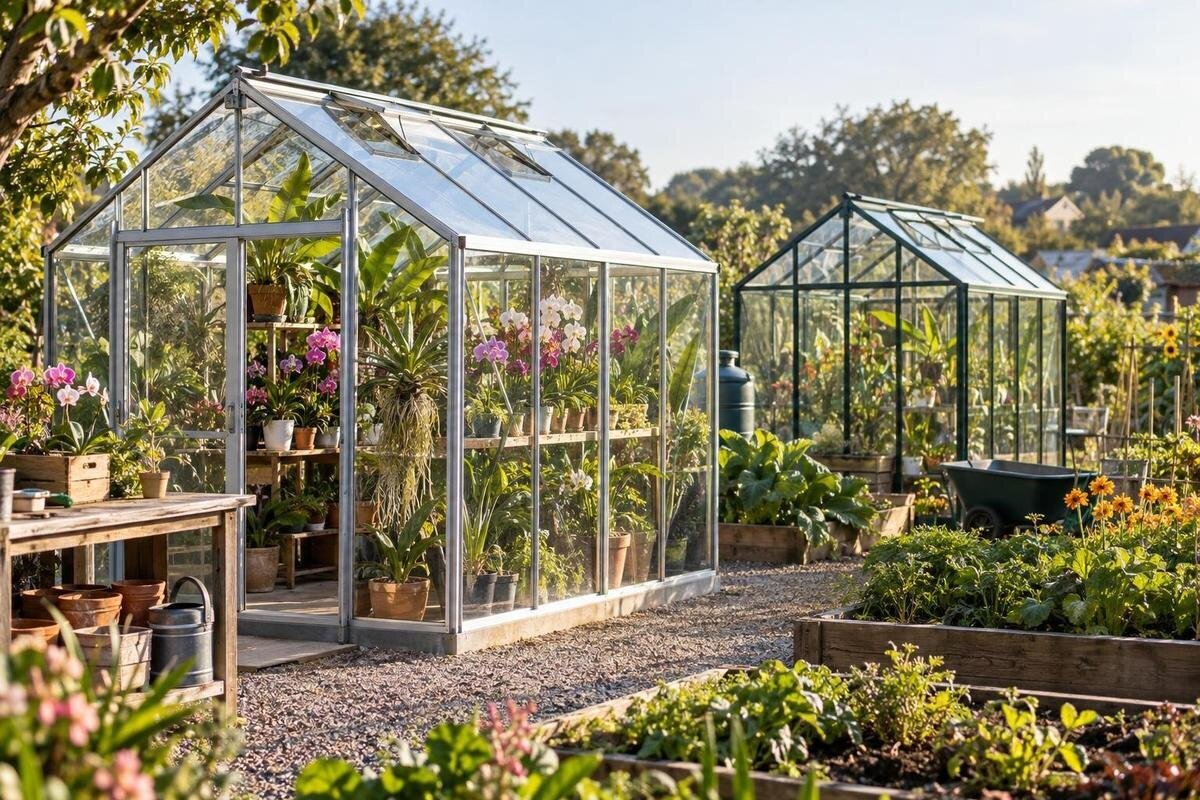
Greenhouse buying guide
Planning to buy a greenhouse for orchids and tropical plants means choosing for a varied collection, not a single crop with one set of conditions. Orchids and tropical plants can differ widely in their needs. A greenhouse gives you a dedicated growing space, but the structure alone will not maintain suitable conditions through every season. The best purchase depends on the plants you keep, the light and space available, and the environmental controls you are prepared to manage. This guide turns those factors into a practical shortlist: how to assess your plants and site, compare layout and construction, and confirm what an order includes. The emphasis is on choosing a suitable structure, rather than prescribing a growing regime.

01
Write down each plant’s requirements
Begin with the plants rather than a broad label such as orchids or tropicals. Those categories include plants with different preferences for light, warmth, humidity and seasonal conditions. Identify the species or cultivars you intend to keep and consult reliable care information for each one. Note the range of conditions they can tolerate, not just a single ideal point, and record any differences between day and night or between active and resting periods where relevant. If you expect to add plants, include likely additions in your plan: a greenhouse chosen around a few small pots may prove restrictive as specimens grow or the collection changes.
Make a simple profile for each plant group: its light exposure, temperature range, moisture needs, approximate mature height and the number of pots you expect to accommodate. Mark which requirements are essential and which you may be able to adjust with shading, ventilation or heating. Do not assume that every orchid needs the same humidity or that all tropical plants tolerate the same warmth. If your notes point to conflicting needs, treat that as a design question. Work out whether you can manage distinct areas, or whether a more consistent collection is a realistic basis for your purchase.
Group plants by compatible growing conditions
Look for overlap in the conditions your plants can tolerate before deciding that one shared greenhouse is practical. A group with broadly similar preferences is usually simpler to manage than one with sharply different needs. Group plants by their growing conditions rather than relying on labels alone: two orchids may need different care, while an orchid and a foliage plant may suit a similar environment. Make a short list of the conditions that need to remain stable and the plants that could be kept together. This gives you a clearer basis for deciding whether you need one main growing area or a more varied layout.
Benches at different heights can make better use of a space and alter how plants are positioned, but they do not create separate temperature or humidity controls. A divider helps only if the structure and equipment can support the separation you need. For a mixed collection, keep the plan manageable: the more distinct conditions you want to maintain, the more monitoring and control may be involved. If the requirements conflict substantially, a single greenhouse may not be a suitable purchase for every plant. Decide which plants are the priority before letting the size or appearance of a structure determine the collection.
02
Assess light at the proposed site
Visit the proposed position at different times of day and consider how the light changes through the year. Trees, fences, neighbouring buildings and eaves can cast shade or alter exposure, and garden growth may change the pattern over time. A brief look on one bright afternoon will not show the whole picture. Consider the light where the plants will sit as well as the amount of open sky; a sunny position may also call for shading during brighter periods. Since orchids and tropical plants differ in their tolerance of direct light, judge the site against the plants you have listed rather than assuming one orientation will suit them all.
Check the site as a working place too: how you will carry pots and supplies to it, where water can be brought, whether doors and vents can be operated freely, and whether nearby shrubs or structures limit access for maintenance. If a wall-adjacent layout is on your shortlist, compare your site with any published dimensions and installation requirements for an aluminium lean-to greenhouse. Its name does not tell you how much light that particular position receives. Avoid choosing an attached or free-standing format purely by appearance; the available light and a practical approach both matter to everyday use.
Allow room for plants and daily work
Measure the area you can actually allocate, including the route to the door, the door opening and room to move around the structure for routine cleaning. The external footprint is not the same as usable growing space: frames, shelves, pots and equipment all take up room. Sketch a simple plan showing benches, expected pot positions and the largest plants you intend to grow. Leave enough space to reach plants with your hands and watering equipment without repeatedly moving others. An overcrowded arrangement can make everyday care awkward and limit air movement around foliage, so plan the working area as carefully as the growing area.
Think vertically as well as across the floor. Check internal height under roof slopes and at the centre, the height of doors and shelves, and whether tall specimens can be placed without touching the glazing. Do not base capacity on the number of pots you can fit at first; allow room to inspect, prune and repot them. A named option such as Garden Orangery T belongs in your comparison only after you have checked the dimensions published for it and worked out how much floor space and headroom remain for your own layout. Compare usable space, not the impression given by a product name.

03
Plan ventilation, shading and temperature control
An enclosure changes the conditions around plants but does not regulate them by itself. Sun can warm a greenhouse quickly, while conditions can fall when sunlight fades, so ventilation, shading and any planned heating need to be considered together. Check what types of vents are specified, where they are positioned and how they are operated. Decide how you will monitor temperature and humidity, and how you will respond when conditions move outside the ranges in your plant plan. A humidity reading alone does not tell you whether ventilation and moisture management are working well for the plants.
When looking at the aluminium classic greenhouse listing, use the same questions you would ask of any model: which controls are included, which are optional, and what might need to be added separately? Do not infer ventilation, glazing or heating from a photograph or the word greenhouse. If your collection depends on powered heating, fans or controllers, confirm that the proposed equipment is compatible with the structure and have electrical work assessed and installed by a qualified professional. Also consider how you would notice and respond if a control failed, rather than relying on an unmonitored setting.
Compare frame and glazing specifications
Frame and glazing affect day-to-day ownership as well as the initial choice. Compare the stated frame material and finish, glazing type, panel thickness if given, fixings and care guidance. If you are weighing glass against plastic glazing, compare light transmission, insulation, impact behaviour, weight, cleaning and replacement options for the exact products. There is no universal choice for every garden or collection. Ask how a damaged panel or fitting could be replaced and whether replacement parts are identified. These details can matter when you need to maintain the growing space, so make them part of your comparison rather than treating the frame as a purely visual decision.
When considering the aluminium limited-edition greenhouse, do not judge construction from the name alone. Check the actual specification for the frame, glazing and fittings, and compare those details with your plants’ light and temperature needs. Look for information about cleaning and panel replacement instead of assuming that structures with similar wording use the same materials or care routine. If a detail affects your decision and the published information is unclear, seek clarification before ordering. Product images can help you understand the general appearance, but they cannot settle questions such as glazing type, included fittings or maintenance requirements.
04
Plan for watering, humidity and cleaning
Watering and humidity influence the practical layout of a greenhouse. Consider how pots will be watered, where spilled or drained water will go, and how easily benches and the floor can be cleaned. Condensation and damp surfaces may make routine wiping and inspection important, so think about access to corners and the base when choosing a floor or arranging shelves. If you plan to carry water in containers, make sure there is somewhere to place them without blocking the route or crowding plants. If your plan involves a fixed water supply or drainage, check that it is suitable for the site and arrange any installation appropriately.
Settle the storage question before you buy. Tools, labels and routine supplies should be easy to reach without obstructing plants or working space. If you are considering an aluminium greenhouse with built-in storage, check the exact arrangement and dimensions stated on the listing; the name alone does not show what will fit or how much growing space remains. Include any shelves, benches or containers you expect to provide yourself, and confirm whether they are included or sold separately. This helps you compare a complete working setup rather than assuming that an empty structure already meets every practical need.
Design the interior around access
Arrange the interior around the tasks you will do, not just the way plants look on display. Allow room to water, inspect plants, remove fallen material and carry pots in and out without shifting the whole collection. Consider bench depth, access to plants at the back, vertical clearance for tall foliage or hanging baskets if you plan to use them, and whether an open door leaves enough room to pass. Keep any controls visible and within reach so that you can monitor them as part of your routine. A clear route also makes it easier to maintain the growing area without accidentally damaging plants or equipment.
For Pyramid Greenhouse Bloomcabin Oasis, as for any product, base your decision on the published internal and external measurements, door position and any included fit-out, not on the model name or image alone. Sketch benches and plant groups onto a plan using the available measurements, then check that you can reach each area. Think through where a newly purchased plant would go and where you would set down a pot during routine work. If the layout only works when equipment or plants are left out, include those omissions in your comparison rather than assuming you will find room later.

05
Confirm the base, assembly and delivery details
Before placing an order, confirm what is included and what you must arrange separately. Check the stated dimensions, glazing, vents, base components, fixings and instructions, as well as any optional accessories you intend to use. Establish what assembly involves and what preparation the site requires. Check the route from the delivery point to the greenhouse position, including any narrow gates or other access constraints. If the suitability of a base or prepared surface is uncertain, ask the supplier for the relevant guidance and consult a qualified professional where the site needs an assessment. Do not rely on a general product description to answer site-specific questions.
If a title refers to a base, as in Bloomcabin Prestige greenhouse with metallic base, verify what the product information says about the base, its inclusion in the order and any fixing or preparation requirements. A model name is not a substitute for checking the order contents. Review the current delivery, assembly, returns and warranty terms before committing, without assuming that an accessory or service is included. If the delivery route or installation plan is unresolved, settle that first; a greenhouse that fits the garden on paper may still be difficult to get into position or assemble there.
Compare complete options against your priorities
Use the same questions for every greenhouse on your shortlist: does its usable space fit your plants and working layout; can you manage the light and temperature; are the glazing and ventilation details clear; and can you maintain the structure as planned? Separate essential requirements from preferences, then mark which details are confirmed and which remain unknown. This makes trade-offs easier to see. A striking shape or generous-sounding product name cannot compensate for a missing control or an unsuitable layout, while a smaller structure may be a better fit if it meets the collection’s requirements and is practical to run.
A listing such as Bloomcabin Orangery can be assessed as one option among others, using the same published details and questions. Do not assume suitability for orchids or tropical plants from the name, appearance or category alone. If an unanswered point could change your decision, ask for clarification before ordering or remove that option from the shortlist. Your final comparison should account for the plants, the site, the equipment you plan to add and the work involved in maintaining the growing space, so the decision reflects how you will use the greenhouse rather than appearance alone.
Frequently asked questions
Can one greenhouse suit every type of orchid?
Not necessarily. Orchids vary in their preferences for light, temperature and humidity, so a setting that suits one group may not suit another. List the plants you want to grow and check their individual requirements. If they need markedly different conditions, consider whether you can manage separate zones or whether a single greenhouse is the right choice for the whole collection.
Will a greenhouse keep tropical plants warm through winter?
A greenhouse provides shelter, but it does not maintain a particular temperature by itself. Conditions depend on the structure, its glazing, the weather and any heating or controls you add. If your plants require warmth during colder periods, check that your plan includes suitable, compatible equipment and ongoing monitoring. Seek professional advice for electrical work.
Does a greenhouse for orchids need to be in full sun?
There is no single answer for every orchid or tropical plant. Check the light preferences of your collection, then observe how sun and shade change at the proposed site through the day and seasons. A bright position may need shading, while a heavily shaded one may not provide enough light for your plans.
How much room should I allow inside?
Plan for mature plants, not just the pots you own now. Include benches or shelves, space to reach plants, room for watering and routine work, and any equipment or storage you expect to use. Check internal height as well as floor area, since roof slopes, doors and fittings can affect where taller plants will fit.
What should I confirm before ordering a greenhouse?
Check the published dimensions, glazing and frame details, ventilation options, base requirements, included components and any items sold separately. Also establish what assembly involves, whether the proposed site can be prepared as required, and how delivery can reach it. If a detail affects suitability, ask for clarification before placing the order.
For orchids and tropical plants, a greenhouse is a useful choice only when its light, dimensions and available controls line up with the plants you actually keep. Start with a plant list, establish whether their conditions can be managed together, then test the proposed site and layout against mature plant sizes and daily work. Treat glazing, ventilation, base, assembly and included items as specification questions, not assumptions. A sound purchase balances the growing conditions your collection needs with a structure and routine you can realistically maintain.
