
Buying a Greenhouse for Snowy Winters: Questions About Structural Loads
Greenhouse buying guide
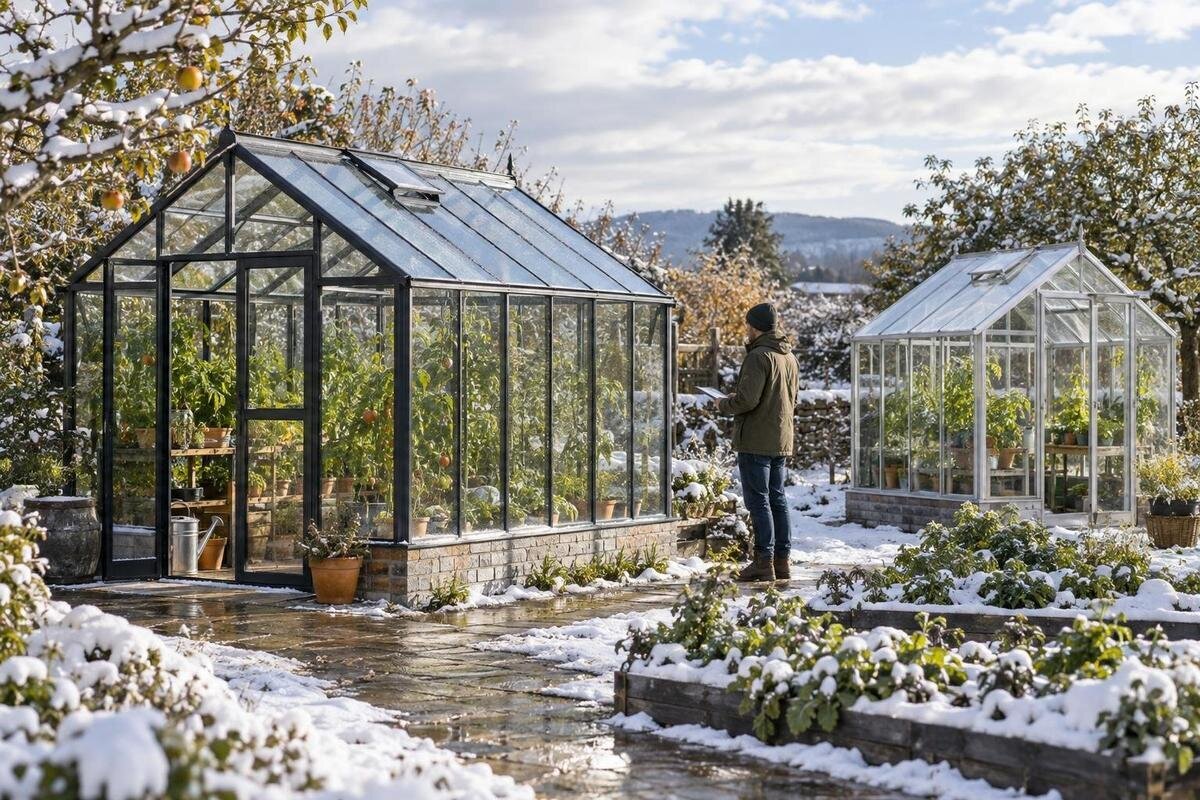
Buying a greenhouse for snowy winters means looking beyond its footprint, glazing and appearance. The key structural question is whether the complete model, in the size and installation you intend to order, has documented capacity for the snow loads expected at your site. A sturdy-looking frame, a sloping roof or wording such as “winter-ready” is not proof of a rated capacity. You need to know what a figure covers, the assumptions behind it and whether it applies to the base, supports and chosen options. This guide sets out the questions to ask before comparing listings, and explains when a supplier’s information is not enough to make a sound choice.
Questions to ask before you buy 1
Assess the site before comparing snow-load figures
Snow around the proposed greenhouse is not necessarily distributed as evenly as a snowfall photograph suggests. Wind can build drifts, while nearby walls, fences, roof edges, trees and changes in ground level can alter where snow settles or is shed. An adjoining building may discharge snow onto the footprint, even if that area receives little direct snowfall. Note what surrounds the position you intend to use, what sits above it and where snow could accumulate unevenly. A simple sketch showing nearby structures and roof edges can help you explain the site. These observations help frame a technical assessment; they do not let you calculate safe capacity by eye.
Ask what site information a structural professional needs to identify the appropriate design basis for your plot, and share it before settling on a product. This is especially relevant where the position is exposed, close to a taller structure, on a slope, or liable to drift or snow shed from another roof. A nearby greenhouse’s rating is not a reliable substitute: its span, support, foundation, installation and condition may be different. Nor does a reported snowfall depth alone establish the weight or distribution on your chosen roof. Keep the site assessment distinct from the supplier’s model specification; a buying decision needs both.
Find out what a snow-load rating measures
Ask what the quoted number represents before comparing it with another listing. It may be stated as a load per unit area or as a total load, and the document may describe a design value, a test result or another limit. The unit and the area to which it applies matter; so does whether it refers to the greenhouse roof or another reference surface. A ground-snow figure is not automatically the roof capacity of a greenhouse. Ask the supplier to explain in writing how the value is defined, which roof area it applies to and whether it is a design allowance or a test outcome. The same depth of dry, wet or compacted snow need not have the same weight, so depth alone is not a load rating.
Ask too whether the value assumes snow spread evenly or allows for uneven accumulation, and whether it describes the whole installed product or only one component. Do not compare two numbers until their units, definitions, model sizes and assumptions are clear; a higher-looking figure is not necessarily stronger evidence. If a document uses an unfamiliar unit or technical term, ask the supplier or an independent structural professional to clarify it rather than trying to convert or interpret the figure yourself. Keep the original number and its stated unit in your notes. A useful comparison is based on figures with a comparable, stated basis, not simply the largest value in a product description.
Questions to ask before you buy 2
Request written evidence for the exact model
Descriptions such as sturdy, heavy-duty, winter-ready or reinforced are not snow-load specifications. Ask for a written figure and supporting document, such as a model-specific technical sheet, design information or test report, where available. The paperwork should identify the exact product and explain what its number means; a catalogue name or photograph cannot tell you the calculation basis. If a supplier quotes a figure verbally, request it in writing along with its conditions, including the size, support arrangement and installation assumed. Ask who issued the document and which version it covers if that is not stated. This gives you something concrete to compare and lets an adviser check whether it relates to your site.
A page such as the classic greenhouse listing can help identify the item you are considering, but the model name and images are not evidence of structural performance. Ask which technical document belongs to that exact listing and whether it covers the version you intend to order. If the seller cannot provide a figure, ask whether the manufacturer has one or whether capacity has not been established for the configuration. An unclear answer is a gap in the buying information, not reassurance that the greenhouse will cope. Record the response, any document reference and the conditions attached to the figure so you can check that they match your intended purchase.
Check which parts the capacity figure covers
A load figure can refer to a frame or roof calculation without making clear whether the complete supplied assembly is covered. Ask whether the evidence includes roof bars and their joints, connectors, roof panels, doors, vents, bracing, base and fixings. Find out whether openings or optional parts change the configuration covered by the document. The point is not to inspect every component yourself; it is to establish whether the number applies to the full assembly in the chosen specification and whether any part is excluded. A rating for one component is not automatically a rating for a finished greenhouse. Ask which parts carry or transfer the load and which details must match the evidence.
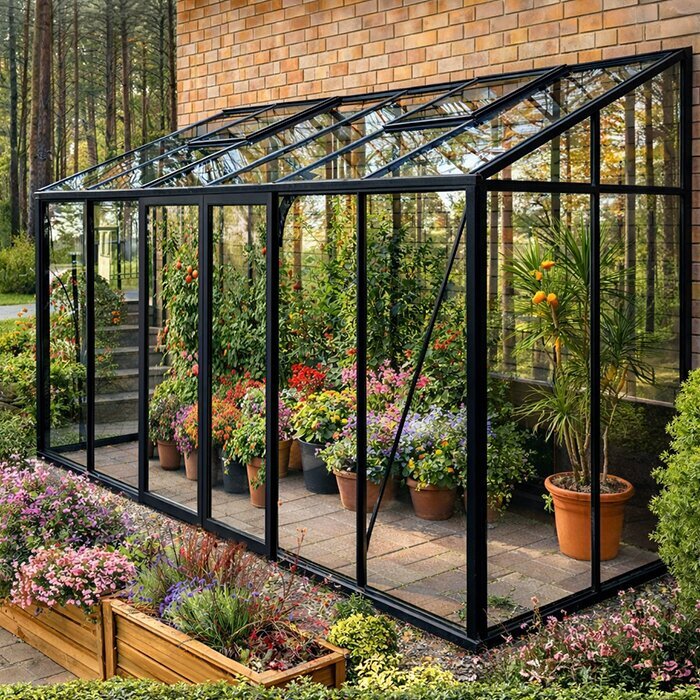
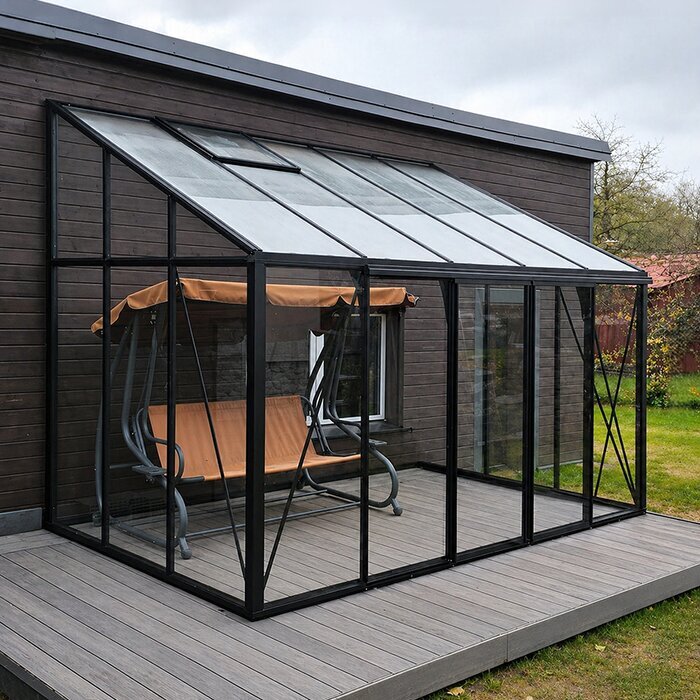
For a lean-to design, ask how its support arrangement is treated: is the stated capacity for the greenhouse alone, for a specified wall connection, or for an installation that includes particular supports and fixings? A page such as the lean-to greenhouse listing identifies an option to investigate, not the details of its load path. Confirm which wall or support conditions the supplier assumes and whether your intended arrangement needs professional assessment. Do not assume that data for a freestanding greenhouse, or for a differently installed lean-to, applies unchanged. The answer should match the actual supporting structure and the exact version you plan to buy.
Questions to ask before you buy 3
Match the rating to the size and options you want
Capacity may depend on dimensions, roof span, support spacing and the way bays or modules are joined. A figure for one size should not be applied to a larger or altered configuration unless the supplier confirms that it covers it. Ask for load data tied to the exact model code, dimensions, roof form and option combination on your order. If there are alternative lengths, widths, extensions, roof vents or bracing kits, ask which are included in the assessment and whether choosing an option changes the applicable document. If the paperwork lists a product family rather than a specific version, ask how your variant is identified. This is more useful than comparing a product range by name alone.
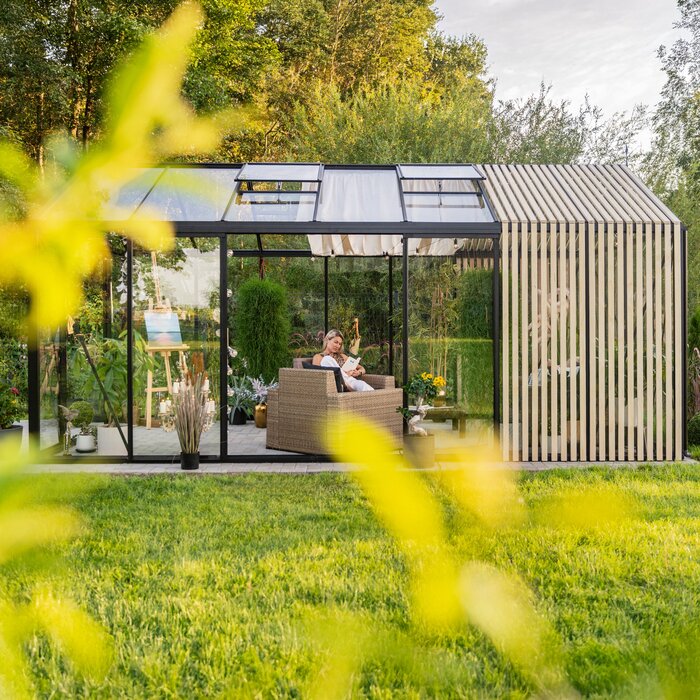
When reviewing the limited-edition greenhouse listing, note the exact item and configuration you are considering, then request matching structural evidence; the label alone gives no capacity information. If two options have the same headline rating but different dimensions or supports, ask for confirmation that the figure applies to both. Keep the answer with the quotation or order record and check that the model description on the document matches the item ordered. If you change the size or configuration after asking for the information, get written confirmation that the evidence still applies. This avoids receiving technical information for a related model rather than the one you expect to buy.
Include the base and supporting structure in your questions
The greenhouse does not transfer roof load in isolation: its base, anchorage and supporting surface form part of the arrangement to be considered. Ask whether a base is included, specified separately or assumed in the load evidence, and what type of ground or supporting structure the instructions require. Find out how the supplier defines anchoring and support details; do not improvise a substitute from a different kit. Also establish who is expected to provide or fit any supports, and whether those are included in the order. If the greenhouse is attached to a building or rests on a purpose-made foundation, the suitability of that connection or foundation may need assessment by a qualified professional.
For the T-shaped greenhouse listing, as with any shortlisted model, use the exact product information to establish which base and support arrangement is covered; do not infer inclusion or strength from the name. Request assembly and foundation instructions before purchase, not just after delivery, and compare them with the proposed site. Where the ground, wall or foundation is unusual, or the supplier’s assumptions do not match it, pause and ask a structural professional to assess the specific arrangement. A product rating cannot resolve a mismatch between documented assumptions and the actual support. Leave any required foundation or connection design to a qualified professional rather than estimating it from a brochure.
Questions to ask before you buy 4
Ask how uneven snow accumulation is covered
Snow is not always evenly spread across a roof. Wind, nearby structures, adjoining roof edges and changes in roof geometry can create local build-up or make snow slide and collect elsewhere. A pitched surface does not prove that snow will clear: surface conditions and weather affect what remains, while moving snow may create a separate concern around the greenhouse. Ask what accumulation pattern the manufacturer or technical report has considered and whether the rating includes uneven or localised loading. The answer should relate to the exact design rather than a general claim about roof shape. If the evidence assumes an unobstructed setting, find out whether it still informs your location.
For another roof form, including the pyramid greenhouse listing, ask for information tied to that geometry and the chosen size. Do not assume that a pointed or sloping profile sheds snow safely, or that one headline figure covers every part of the roof equally. If a neighbouring roof could discharge snow towards the greenhouse, mention it to the professional assessing the site and ask whether the product evidence addresses that exposure. This is a question about loading and siting, not a reason to make a structural judgement from a photograph or the visible roof angle. Ask whether the supplier states any limits on where the model can be placed.
Separate snow capacity from other structural loads
Snow is only one part of the structural picture. A document may give a snow value without saying whether it also accounts for wind, the structure’s own weight, maintenance access or loads from attached accessories. Ask which load cases the value covers, whether any are considered together and whether the supplier publishes separate information for other conditions. This does not mean every greenhouse needs the same combination of figures; it means you need to understand the limits of the number used for a winter purchase. Do not compare a snow figure with a wind claim or assume one substitutes for the other. If you expect to add equipment, ask which loads the supplied design takes into account.
A name that mentions an added feature, such as the greenhouse listing with built-in storage, is an identifier, not evidence about snow capacity or what the structural document includes. Ask whether the exact supplied configuration and any attached components are covered by the technical information. If you intend to add shelving, hanging equipment or other items, ask whether those are allowed for instead of assuming there is spare capacity. Keep the question focused on what the manufacturer documents, and have a qualified professional assess combined or unusual loading where needed. This prevents a feature label from being mistaken for a statement about structural strength.
Questions to ask before you buy 5
Ask for winter inspection and snow-management guidance
Before ordering, ask for the manufacturer’s written guidance on winter inspection and snow management for the exact model. Find out whether the instructions expect snow to be cleared, how to recognise a condition that calls for action, which methods are permitted and whether access onto the roof is ruled out. Ask whether fitted vents, doors or removable panels need particular treatment during winter. These are operating questions, not substitutes for a rated load: maintenance advice should sit alongside, not replace, structural evidence. If guidance is vague, request clarification rather than assuming that occasional checking will make an unrated structure suitable. Also ask who the supplier expects to carry out any specified maintenance.
For a shortlisted model such as the Prestige greenhouse listing, request instructions that match its exact configuration and installation, and keep them with the technical sheet. Ask whether changes to the supplied arrangement affect the assumptions behind the stated capacity; do not guess from generic greenhouse advice. Snow removal can involve access at height and falling or shifting snow, so do not plan an improvised roof-clearing method. If the required procedure is unclear or cannot be carried out safely, seek specific guidance from the supplier or a competent professional before deciding whether the model and site are a practical match. This lets you consider maintenance requirements before you buy.
Compare the evidence before placing your order
Make the comparison in writing, with one line for each greenhouse you might order. Record the model and size, documented snow figure and unit, the surface and loading pattern it describes, the parts and supports included, the assumed base and installation, and relevant exclusions. Add the source document and its date or revision if supplied, plus the seller’s reply to unresolved questions. Mark each point as documented, clarified or still unknown. Keep the item identifier exact so a quotation and a report cannot be confused. This makes it easier to spot when two options are not being compared on the same basis, rather than letting a persuasive headline carry more weight than the evidence.
Use the orangery greenhouse listing in the same way as any other option: identify the exact item, then compare its written load information rather than its name, shape or image. If the seller cannot match a capacity figure to your requested size and installation, do not fill the gap with an estimate or a neighbour’s experience. Ask the manufacturer for the missing evidence; if site or support conditions remain uncertain, have the proposed arrangement reviewed by a qualified structural professional. You can then decide whether that model, a different documented option or another site meets your needs before committing to an order. A confident answer without a stated basis may still leave the technical question unresolved.
Frequently asked questions
What should I do if a greenhouse listing gives no snow-load figure?
Ask the seller or manufacturer for a written, model-specific figure and a document explaining it, including the size and installation assumptions. If none is available, do not infer capacity from the frame’s appearance, product name or a nearby greenhouse. Treat the capacity as unconfirmed for your comparison and seek advice from a qualified structural professional familiar with the site before ordering.
Is ground snow load the same as greenhouse roof capacity?
No. A ground figure describes a different reference condition; the load on a greenhouse roof depends on how site conditions, roof geometry and snow distribution are accounted for. Ask the supplier exactly what its figure applies to. If documents use different bases, get them interpreted by a suitable professional rather than trying to convert one figure into another yourself.
Does a pitched roof make a greenhouse safe in snow?
No. A slope can affect whether snow stays on a roof or moves elsewhere, but it does not prove the structure’s capacity. Weather, roof conditions and nearby structures also matter. Check the documented rating for the exact geometry and size; do not assume that snow will slide off or that a general claim about roof shape applies to the model you want.
Can I rely on clearing snow instead of checking capacity?
A snow-clearing plan is not evidence of structural capacity. Ask for the rating as well as written guidance on any snow management expected for the model. Roof access and falling or shifting snow can be hazardous, so do not improvise a clearing method. If the supplier’s instructions are unclear or impractical for your site, get specific professional advice before deciding.
Who can assess whether a greenhouse suits my site?
The supplier or manufacturer should identify the technical information for the exact model. A qualified structural professional can assess whether its assumptions match your site, supports and intended installation. Share the product documents and information about the proposed position, nearby structures and base. A neighbour’s greenhouse rating or a general online figure cannot confirm that your particular arrangement is suitable.
Buying for snowy winters is less about choosing a roof that looks as though it will shed snow and more about matching documented capacity to the particular site and installation. The evidence should identify the greenhouse and size, explain how the snow-load figure is defined, and state which supports and assumptions it covers. Compare only like with like, and leave unresolved design questions to a qualified professional. If a listing cannot be matched to clear evidence for the configuration you need, treat that as an unanswered buying question—not a promise of winter performance.
