
Buying a Greenhouse in Stages: Essential Features and Later Upgrades
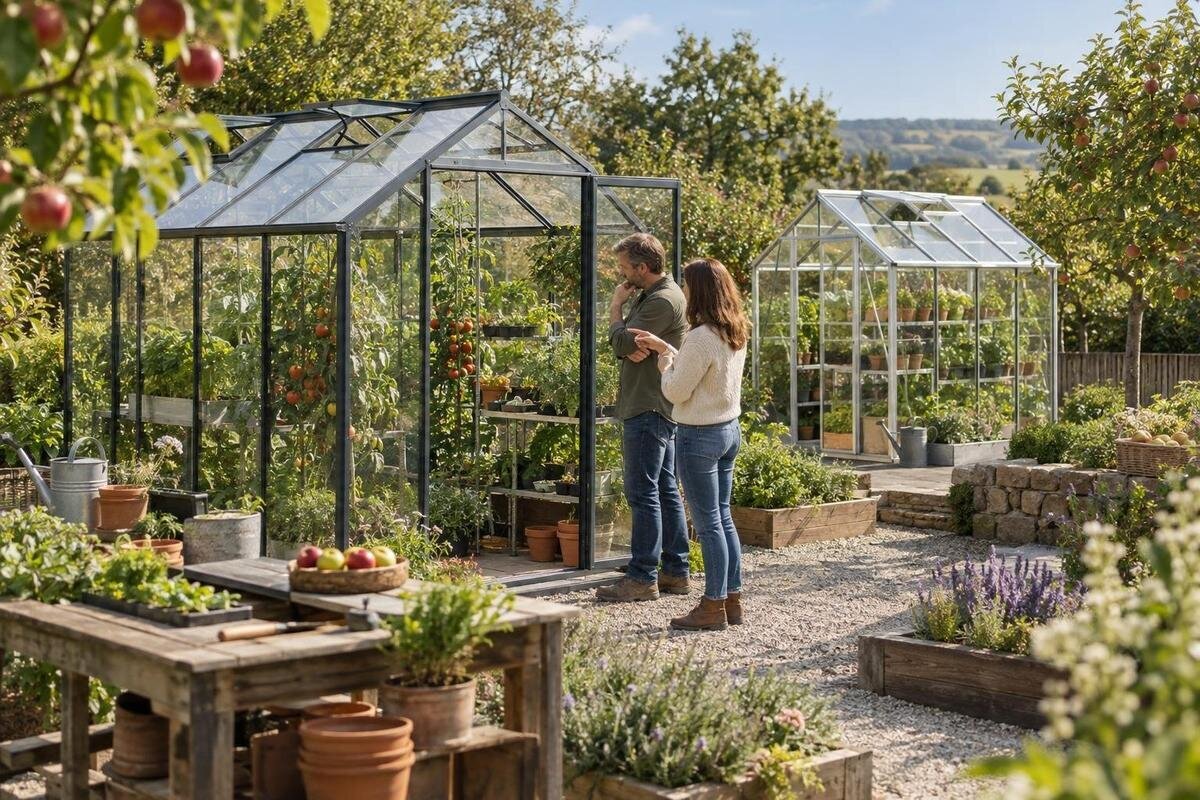
Greenhouse buying guide
Buying a greenhouse in stages works only if the first purchase leaves a sensible route for later choices. Some decisions are difficult to alter once the structure is installed: the footprint, position, base requirements, frame and glazing, doors and ventilation. Other choices, such as movable staging, pots and the final arrangement of plants, can often wait until you have used the space. The aim is not to buy a bare shell and hope every extra will fit. It is to secure the essentials now, identify which accessories are genuinely optional, and compare listings against your growing plans and site rather than against a photograph.
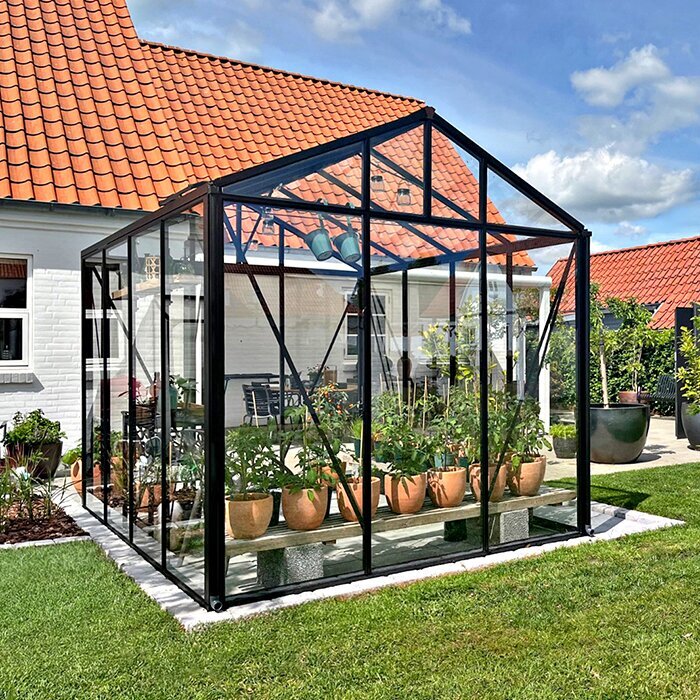
01
Separate essential growing needs from preferences
Start with the plants and tasks rather than a preferred shape. Write down whether the greenhouse will mainly be used for raising seedlings, growing mature crops, keeping tender plants, or a combination. Note the number of plants you expect to manage, their mature height and spread, and whether you need to pot on, water, prune or harvest inside. Plan for the busiest period, not only the moment when seedlings are small: later growth uses space and can change how you move between plants. Include your work routine too. A layout that looks generous on paper may be inconvenient if you cannot reach the beds or carry supplies through it easily.
Turn this into a short must-have list and a separate wish list. Essentials may include enough measured growing space, a practical entrance, suitable ventilation and the required base arrangement; wishes might include extra shelving or a particular accessory. Ask of each item: if it is absent when the greenhouse is ready, can you still use the space for its main purpose? If not, it belongs in the first purchase or needs confirmed compatibility as a later addition. Note why each item matters, so preferences do not become requirements by default. Use the page for an aluminium classic greenhouse to practise applying the same checklist to a listing’s written information rather than its name or photograph.
Choose a footprint for the whole growing area
Measure the plot, then draw both the external footprint and the internal layout. Allow for the full dimensions stated for the model, including any projections or door movement shown in its plan, and leave a route to approach the structure where access is needed. Inside, mark beds, containers, staging, paths and the space needed to turn or carry a tray. The advertised footprint is not all growing space: you need room to reach plants and move around them. If useful, mark the outline on the ground with string or chalk before ordering. Check whether a listing gives the frame size, base size or another measurement rather than assuming those figures are interchangeable.
Consider how your use may change, but do not pay for a larger footprint without a reason or assume you can enlarge a greenhouse later. If you expect to grow more, decide whether the existing interior could take movable equipment or a different bed arrangement. Ask whether a documented extension is offered for the exact model and which original components it requires; if that information is missing, treat the dimensions as fixed. For a listing such as a T-shaped garden orangery, look for a plan or stated measurements: the shape name cannot tell you the external dimensions, door position or usable interior. Compare those details with your plot and sketch.
02
Treat the greenhouse position as a fixed choice
Observe the intended spot at different times of day and, if possible, at different points in the growing year. Note shade from buildings and trees, nearby walls, and whether branches could overhang. Consider how that shade might change as trees grow or seasons shift. Mark the route from the house or garden entrance: you will need to carry compost, pots and plants in, and move through the door with whatever you plan to use. A location that is easy to reach and receives the light your intended plants need may be more useful than the most secluded corner. Record measurements and photographs, then compare candidate footprints against what is actually available.
Check the ground and approach as well as light. The level and drainage of the site, exposure to weather, nearby boundaries and access for delivery or fitting may affect the preparation required; suitability depends on the exact model and conditions. Read the manufacturer’s requirements for the base and fixing, and do not assume a greenhouse can compensate for unsuitable ground. A lean-to aluminium greenhouse should stay on your shortlist only if the proposed wall, door access and stated fitting requirements all work together. Where ground or exposure raises technical questions, ask the manufacturer or a qualified installer rather than guessing. Keep space for the access and maintenance the chosen model requires.
Compare the frame and glazing before adding extras
Set frame and glazing choices before optional interior equipment. Read the exact specification for the frame material, glazing type, panel retention, maintenance and available replacement parts. These details affect what you are buying and what might be changed later; a model name or photograph is not a substitute for written product information. If qualities such as visibility, heat retention or impact resistance matter to your growing plans, compare confirmed information for the actual version rather than relying on a general claim about a material. Consider who will handle panels during building or maintenance, and whether the supplied guidance suits the help you plan to use.
Do not select a simpler version on the assumption that you can replace its glazing or frame later. Panels, bars, clips and measurements can be specific to a model; changing the frame may mean changing the whole structure. Ask whether replacement parts or alternate glazing are available for the selected version and whether any option must be chosen when you order. You can inspect the details for the aluminium limited-edition greenhouse as one comparison point, but the product title does not establish its glazing, performance or accessory compatibility. Keep the exact version and its specification with your order so future questions refer to the right product.
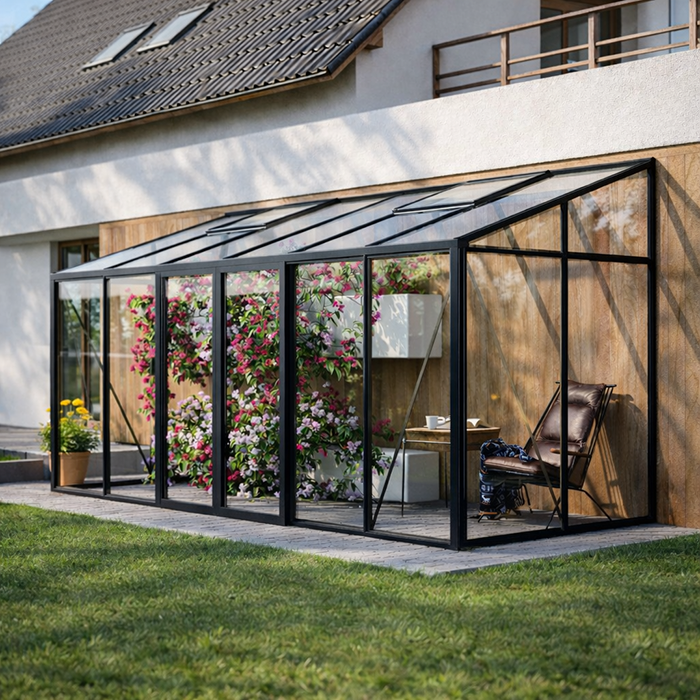
03
Check ventilation and access in the basic specification
Doors and ventilation belong among the first-stage essentials because they affect access and everyday operation. Check the stated door opening against the trays, pots or larger plants you need to carry through it; then allow for the internal layout so a bench or tall plant will not make the route difficult. For ventilation, note how many openings are included, where they are placed, how they are operated and whether you can reach them once the greenhouse is furnished. Compare these details in the specification, not just in photographs that may show optional components. Think about how you will use the door and openings in your ordinary routine.
An automatic opener, additional vent, shade or other accessory may be a later purchase, but only if it is offered and fits that exact model and version. Ask whether a fitting point, compatible panel or other provision has to be specified when ordering. If the greenhouse will be hard to use without a feature, treat its availability and inclusion as a buying requirement rather than a possible future upgrade. For example, look up the specific door and ventilation information on the pyramid greenhouse listing, and do not apply those details to a different product. This avoids planning around an accessory that cannot be fitted as expected.
Confirm the base and ground requirements before ordering
Find out what base the chosen greenhouse requires before you finalise the order. The product may specify a base, a prepared surface or particular conditions for installation; check which parts are included and which are separate, and confirm the preparation needed for your site. Do not assume an accessory base removes the need to prepare the ground, or that a base shown in a picture comes with the greenhouse. Written requirements let you compare options properly and help avoid discovering after delivery that an essential component was not included. Whether you arrange the preparation yourself or use professional help, settle what is required before placing the order.
Also consider drainage, secure fixing, delivery access and the space needed for future water collection or servicing. These choices can affect the groundworks or position even if an accessory itself is bought later. Do not calculate fixings or alter a base by guesswork; if the site, exposure or manufacturer’s requirements are unclear, ask the supplier or a suitably qualified professional. The page for the Prestige greenhouse with a metallic base is a prompt to verify exactly what the named base means in that listing and what preparation is still required. A product label alone cannot confirm suitability for your plot.
04
Save movable equipment for a later stage
Items that are freestanding and do not change the structure are usually the easiest to leave until later. You can choose staging, shelves, trays, pots, plant labels and many hand tools once you have decided how to use the floor area. Buying them after measuring the route through the greenhouse can stop equipment from narrowing the main aisle or placing plants beyond easy reach. It also lets you match quantities and heights to the crops you actually grow, instead of filling every surface at the outset. Some supports or hanging items may need a particular fixing point, so confirm their approved use and do not assume they can be attached anywhere.
Storage is different if it is integrated or fixed, because it may shape the structure and the space left for plants. Read the exact listing for what is included, where the storage sits, how you reach it and whether it suits the items you intend to keep there. For a page titled an aluminium greenhouse with built-in storage, ask what the named arrangement consists of rather than inferring capacity or fittings from the title. Apply the same care to later irrigation, shading or water-collection items: check the model and version, the required fittings and whether their position will obstruct doors, vents or growing space.
Check what is included and what can be added
Build a comparison sheet with a column for each model and rows for footprint, frame, glazing, door, vents, base, included fittings, optional extras and stated requirements. Mark each item as included, offered as an option, not offered or not specified. This separates the greenhouse itself from the bundle shown in a picture or product description and makes it easier to compare the total set-up you need. If prices are shown, compare like with like: the same dimensions and major options, plus the same assumptions about base preparation, delivery and fitting. Do not treat an unlisted accessory as included.
Before ordering, ask which extras can be added later, which are specific to the selected model or version, and whether compatible parts are available. Save the answer with your order details, including the model name, options and any accessory references. Use the listing for the Bloomcabin orangery as you would any other product page: verify its own size, inclusions and stated accessory options rather than borrowing information from another greenhouse. If one feature determines whether the structure will work for you, get that point resolved before choosing, not after delivery. This record will also make later questions about a replacement part or an additional item more precise.
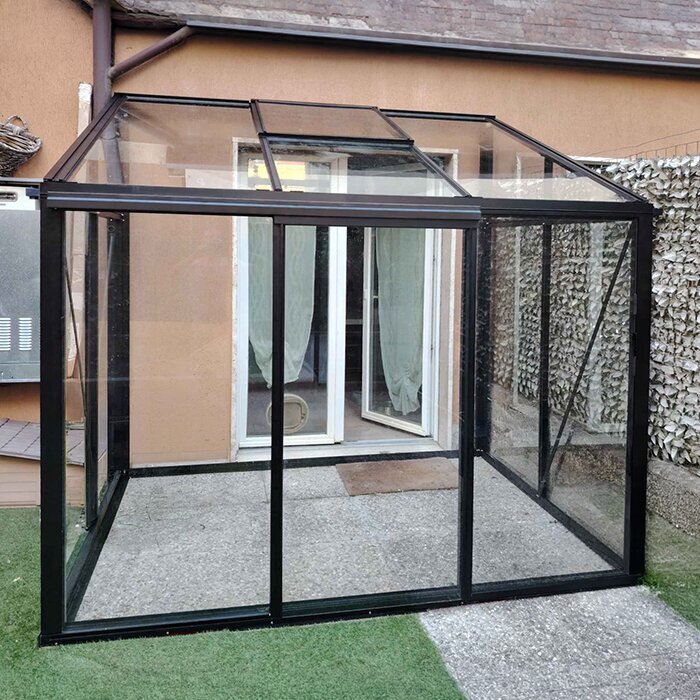
05
Compare greenhouse shapes against the space you have
Compare shapes by how they fit the site and your routine, not by a broad label such as classic, lean-to or orangery. Plot the precise footprint and entrance first, then place the intended beds, staging and clear route inside. A lean-to form relates to a wall, while a freestanding design can occupy a separate part of the garden; each arrangement needs its own check for light, access, preparation and fitting. Named layouts may also differ in how much of their footprint is easy to use. Consult the plan and stated openings for the particular model, rather than assuming a familiar name predicts internal clearance.
Ask whether every distinctive feature answers a need on your must-have list. A shape that creates an appealing layout may still leave a narrow route, an awkward approach to the door or less room for growing than you expect; its plan and measurements are what settle the question. Compare two or three suitable listings using the same checklist and write down the trade-off for each. One option may meet the footprint requirement while another offers a layout you prefer, but neither should be judged from a single feature alone. Remove any design that fails a non-negotiable site or use requirement before considering extras.
Make a phased buying plan that works as one project
Set the first-stage budget around a greenhouse you can use as intended, not simply the lowest initial structure price. Include the selected model, any required base or ground preparation, essential vents or access features, delivery and any fitting or professional help you have decided to arrange. Put movable staging, extra pots and crop-specific supplies into the later-stage column only if the greenhouse will function without them at first. Compare the same specification across options, including frame and glazing choices, so a simpler listing is not being compared with a more complete package. Keep uncertain extras out of the first calculation until you know whether they are necessary.
End with a written decision record: what must be included on the initial order, what you will add later, and what needs confirmation before purchase. For each postponed item, mark whether compatibility is confirmed, merely possible or unknown; do not put an unknown item into the plan as if it were guaranteed. This small distinction makes staged purchasing deliberate instead of speculative. If a basic requirement depends on a retrofit whose fit or availability cannot be confirmed, resolve it before ordering or compare a greenhouse that meets the need from the outset. You will then know what the first purchase must deliver and which extras can genuinely wait.
Frequently asked questions
Which greenhouse features should I choose at the outset?
Choose the dimensions, position, base requirements, frame and glazing, access and ventilation before ordering. These decisions affect how the greenhouse fits your site and supports the way you plan to grow. Check the exact specification for the model you intend to buy.
What greenhouse upgrades can usually wait?
Freestanding staging, pots, trays, labels and hand tools are often easier to add later because they do not alter the structure. Check that any fixed accessory, such as a shelf or plant support, is permitted and compatible with your model.
Can I add vents or change the glazing later?
Possibly, but options vary by greenhouse and version. Ask whether the required parts are available and compatible, and whether a fitting point or panel choice has to be specified when you order. Do not assume a retrofit will be possible.
How much space should I allow around a greenhouse?
Use the model’s stated external measurements, including any door movement or projections shown in its plan. Allow for access and the route you need around it, then sketch beds, staging and paths inside. The outside footprint is not all usable growing space.
Should I buy a greenhouse larger than I need now?
Only if the site, access and your likely growing plans justify the extra space. Consider realistic future changes, but do not pay for a footprint you cannot use or assume it can be extended. Check whether the specific model has a documented extension option.
Buying in stages is sensible only when the staged items are truly optional. Settle the greenhouse’s size, position, base, construction, access and ventilation around your growing plan; defer movable equipment only after checking that it will fit and can be added later. Comparing each option against that sequence gives you a greenhouse you can use from the outset and a realistic list of additions, rather than a first purchase that depends on uncertain upgrades.
