
Power Cuts in a Heated Greenhouse: A Frost-Protection Plan
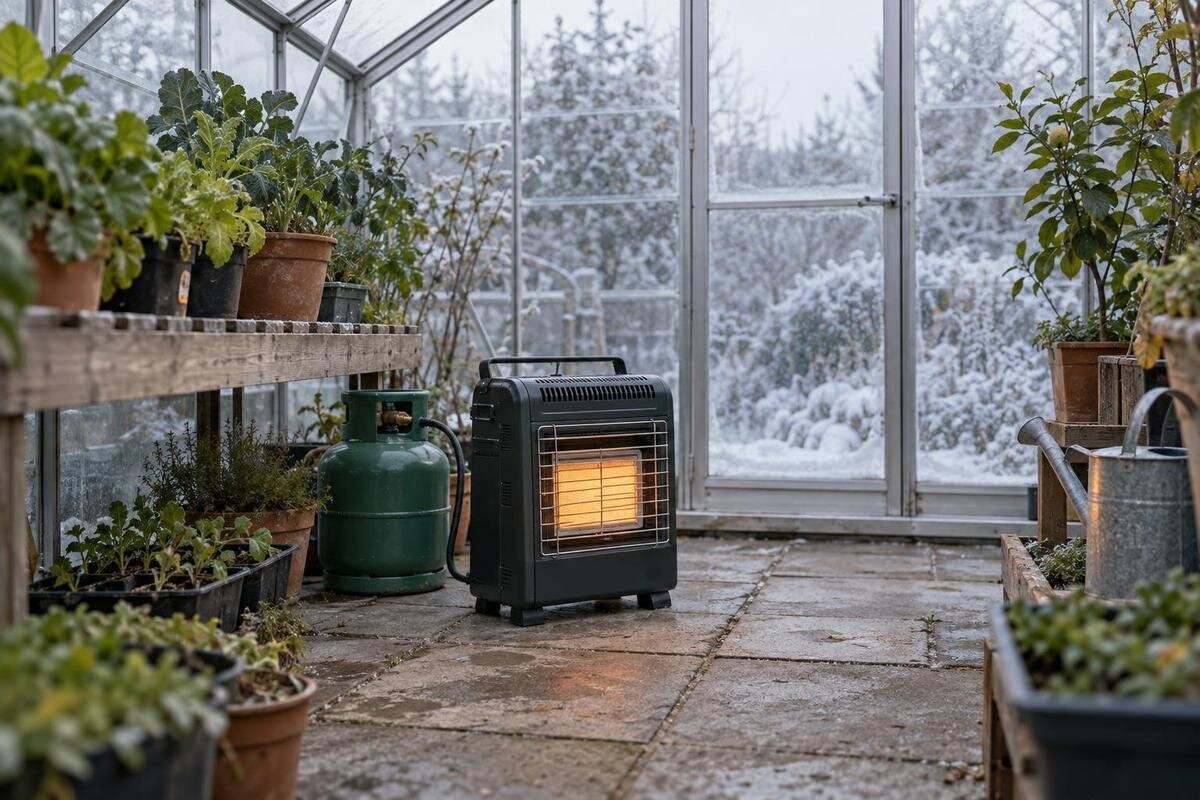
Greenhouse heating and winter energy
When a heater stops during a cold spell, the important question is not simply how cold the greenhouse will get. It is which plants will be affected first, how quickly you will know, and what safe action is available before their limits are reached. A practical power-cut plan sets plant-specific temperature triggers, checks that alerts still work without mains electricity, groups vulnerable plants and identifies backup equipment suitable for the space. It cannot promise a frost-free greenhouse: outside weather, exposure, glazing, gaps and the building's size all affect how temperatures change.

Set temperature triggers for your plants
Set a trigger from the plants, not from the calendar. List every crop or collection that must stay under cover and check its lowest acceptable temperature in a dependable horticultural reference or with the supplier. Look for whether the stated limit refers to a brief dip or conditions sustained overnight, and whether it applies to plants at your stage of growth. Use the most cold-sensitive plant in each group when deciding when an alarm should sound. Tropical specimens, newly raised seedlings and dormant hardy plants can have very different limits; no single temperature guarantees safety for every greenhouse. An outdoor frost forecast is a warning to prepare, not a reading from the crop zone.
Set the alert early enough for you to act: allow for the monitor's response, notification delay and the time needed to reach the site or move a plant. Add a margin informed by observations during normal use rather than relying on a universal buffer, and record the sensor position and trigger beside the plant list. When comparing sizes in the Classic aluminium greenhouse range, consider where vulnerable plants would sit and how you would reach them. A larger collection may need separate alert zones, while a smaller greenhouse still needs a sensor positioned to represent its priority plants. Revise the trigger and sensor position if you move containers into a colder area. Do not wait until a plant reaches its stated lower limit if there may be a delay before you can respond.
Make temperature alerts dependable
Choose a thermometer or monitor that shows both the current reading and how low the temperature has fallen. Position its sensor close to the most vulnerable plants, at about their growing height, rather than beside a heater, doorway, vent or sunlit glazing. Those locations may not reflect conditions around leaves and pots. If beds and benches sit in different parts of the greenhouse, check whether readings vary and add a sensor for a genuinely separate zone. Compare the monitor with a second thermometer during normal use, so a faulty reading is less likely to go unnoticed in an emergency. Avoid placing a sensor where it could be splashed unless it is designed for that environment.
Check the whole alert route, not just the sensor. A phone notification can depend on mains power to a router or gateway, an internet connection, mobile coverage and an app that is still working; a cut or signal problem can interrupt any link. A local audible alarm helps only if someone can hear it. Confirm which parts have their own batteries, whether a loss of power or signal produces an alert, and how low-battery warnings work. Test the system using the manufacturer's procedure and send a test to each named responder. A second person should know what the warning means and how to reach the greenhouse, so one phone is not the only point of failure.
Prioritise plants before an outage
Rank plants by cold sensitivity and by the consequences of losing them. Separate those needing prompt action from those that can stay if readings remain within their documented tolerance; decide which containers can be moved and how long that will take. Check any alternative room for suitable temperature, light and space before treating it as a refuge. Moving a treasured specimen or a tray of seedlings early may be simpler than trying to heat the whole greenhouse, but a cold shed or unprepared room is not automatically safer. Note heavy or awkward containers that cannot be carried safely by one person, and write down the choices so a helper is not left to identify plants under pressure.
The amount of stock you have to prioritise changes with the space. The Spacious Greenhouse range is listed at 506–753 ft²; when considering that much growing space, think about the number of containers a responder might need to locate and move. Make a simple three-level list: move first, protect in place with a suitable cover or documented backup method, and monitor. Mark plants by location as well as name, and identify the route to each one. Estimate the practical workload during normal conditions, including opening doors and finding somewhere to set containers down. The aim is to make the first actions quick and realistic, not to promise that every plant can be saved during a long outage. Review the list when you add seasonal trays or rearrange the greenhouse.
Reduce avoidable heat loss safely
Reduce avoidable draughts before a cold spell. Check that doors, vents and opening panels close as intended, and deal with damaged glazing or worn seals using the greenhouse maker's recommendations. Keep ordinary openings closed during an outage only when weather and heater instructions allow; conditions inside can still require ventilation. Do not seal the space so tightly that an appliance's required air supply is blocked, or cover vents specified for safe operation. A quick check of latches, vents and known gaps is more useful than improvising with tape after temperatures start to fall. Make sure people can still reach the door and equipment controls.
Temporary insulation or an internal screen may slow heat loss, but it cannot keep a greenhouse above a chosen temperature indefinitely. Use products intended for greenhouse conditions and fit them as directed; keep covers stable and clear of heaters, controls, wiring, vents and doorways. Do not improvise a curtain or blanket around an appliance, and check the heater manufacturer's clearances before adding a cover. If you are considering the limited-edition greenhouse range, ask which insulation options are compatible with the exact model and how they affect access to opening panels. The range name does not establish those details. Plan how covers will be removed or adjusted when normal ventilation resumes, and monitor conditions around plants instead of assuming a covered area will stay warm.

Create a manageable priority area
Focus in-place protection on the plants that need it most. Group movable pots within the part of the greenhouse you can monitor, but leave a clear route to the door, heater controls and emergency equipment. Avoid tightly wrapping foliage or creating a damp, stagnant pocket, and do not stack containers where a bump could topple them. Any screen or cover must suit the plant and remain well away from heat sources and electrical equipment. Reducing the area you need to watch can simplify a response; it is not proof that the enclosed plants will remain above their limits. Keep plant labels visible so a helper can identify priority pots quickly.
Keep growing and storage areas distinct in your plan. The greenhouse with built-in storage is listed with a storage area, but the supplied information does not establish whether that area is heated, insulated or at the same temperature as the growing space. Measure each zone before putting sensitive plants there. Keep tools, pots and stored materials from blocking the route to priority plants or covering a sensor. Label any plant that cannot be moved, recording its temperature trigger and the safe action available for it. Store protective materials where they can be retrieved without shifting heavy containers, and keep them dry as their instructions require. Do not rely on an adjacent cupboard as a warm refuge without checking its conditions.
Choose backup heat for the actual setting
Select backup heat for the intended environment and the manufacturer's stated use, not by fuel type or headline output alone. Check the documented supply requirements, operating conditions, required clearances, control method and any restrictions on unattended use. Compare those details with the greenhouse, the heater location and the minimum conditions you are trying to maintain. A simple output-per-area rule cannot account for leaks, glazing, exposure or the outdoor temperature during a prolonged cut. If it is unclear whether equipment is suitable for a greenhouse, ask the maker or a qualified installer before relying on it. Keep the manual where the person responding can find it.
Do not bring a camping stove, candle, barbecue, domestic cooker or unapproved gas or paraffin heater into a greenhouse as an emergency substitute. Combustion can produce carbon monoxide and other hazardous fumes, while naked flames create a serious fire risk. A generator must run outdoors exactly as its maker directs, well away from the greenhouse and building openings; never run one inside a greenhouse, shed or doorway. Have a qualified electrician assess any connection to greenhouse or household wiring. The Lean-To Greenhouse range is listed from 40 to 154 ft²: the footprint can inform a comparison, but it does not establish heater compatibility. Check the complete setup in advance rather than improvising during an outage.
Check what a backup power supply can run
Separate power for warnings from power for heat. A battery-backed sensor or communications device may preserve alerts, while a greenhouse heater can require a much larger supply and a different connection. Before buying a battery station or generator, check the heater's documented input and start-up requirements against the backup unit's continuous and peak output, usable runtime and permitted operating conditions. Ask whether the exact combination is suitable and have a qualified electrician assess any changeover or connection to fixed wiring. Do not try to connect a generator to household wiring with a homemade lead or improvised back-feed. Keep equipment in the conditions its manufacturer specifies.
Plan for charging and availability as well as capacity. A battery reserve helps only if it is charged, maintained and ready when a cut begins; solar generation can vary in winter and should not be assumed to replenish a heater continuously. Ask the equipment maker for expected runtime with your exact load and conditions, and retain a plan for moving or protecting plants if heat cannot be sustained. If you are considering the Pyramid greenhouse range, assess the backup supply alongside the heater selected for your particular greenhouse, rather than choosing it from the model name or floor area. Record which devices the reserve must support and what happens when its charge runs low. Use a cautious planning estimate for runtime, not a guaranteed duration based on the battery's headline capacity.
Write a clear outage response
Put the response in a short order that another person can follow. When an alert arrives, check the live and minimum readings, confirm which plants are approaching their limits and look for a second reading if one is available. If safe, find out whether the cut affects the greenhouse circuit or a wider area; do not open equipment or handle wet cables. Close ordinary openings only where weather and heater instructions allow, move the highest-priority portable plants to the preselected suitable place, then use backup equipment documented as suitable for the setting. Name the point at which the responder should call a qualified professional or ask someone else to attend. Deal with the most vulnerable group before lower-priority tasks.
Keep a printed copy indoors and another where it can be read before entering, with the plant list, phone numbers, torch location and equipment manuals. For a layout such as the T-shaped Orangery Greenhouse, use the actual plan and measurements to mark doors, controls and separate growing areas; do not assume that one sensor or one action represents the whole space. Rehearse the alert and call sequence without deliberately cutting heat to vulnerable plants. Make sure a substitute can find each item, knows how to contact you and understands what not to touch. Include clear location descriptions rather than directions that only the regular gardener would recognise. Agree who confirms that the greenhouse has been attended to, so a sent message is not mistaken for a completed response.

Use temperature records to assess your greenhouse
Use measured records to understand your greenhouse rather than relying on general assumptions. During ordinary cold weather, log temperatures at the height and locations of the most vulnerable plants, alongside outside conditions, heater use and whether doors or vents were opened. Compare different areas if the structure has separate growing zones. A reading beside the heater, a single thermostat display or one mild night cannot describe the whole space. Add times as well as minimum readings, so you can see how conditions changed and which areas cooled first. Note any missing readings or sensor faults rather than treating gaps as evidence that conditions were stable. Weather and wind can alter the pattern; past observations are a guide, not a guarantee.
For normal running-cost estimates, use the heater's documented electrical input, a realistic estimate of running time and your current electricity unit rate; write down the assumptions and compare them with meter records where possible. When considering the Prestige Greenhouse range, obtain the exact dimensions, glazing details, opening arrangements and any verified insulation information for your chosen version. These are more useful for assessing heating needs than a range-wide floor-area figure. If you need a heat-loss assessment, ask a suitably qualified professional to make the assumptions explicit, including the indoor target and outdoor conditions. Keep routine cost planning separate from emergency runtime: different questions need different evidence. Neither an estimated bill, a nominal heater rating nor a trial in mild weather proves frost protection during a cut.
Review the plan after cold weather
After a power cut or a cold spell, record what happened while the details are clear: outside conditions, lowest readings, how long until someone acted, which plants moved and whether each alert or device worked. Note the gap between the first warning and the coldest reading; the alarm may arrive promptly while the greenhouse continues to cool. If a sensor sat near a heater or doorway, move it or add one, then compare readings on a later cold night. Replace batteries, update contact details and note any failed equipment rather than relying on memory. Use the record to refine your alert margin.
Review the plan whenever plants, heating equipment, network access or household routines change, and again before winter. Remove any backup method you can no longer verify instead of treating it as a working safeguard. If the response depends on somebody travelling to the garden, name a substitute and make sure they can reach the controls and priority plants. Decide ahead of time which plants are better moved to a suitable alternative space. Check that the heater documentation still matches the equipment in use. A realistic plan recognises that a long outage may exceed available power or safe backup capacity, and avoids risky improvisation.
Frequently asked questions
What temperature should I set for a greenhouse frost alarm?
There is no single setting that suits every plant. Use the lowest acceptable temperature for the most sensitive plants in each group, based on dependable growing information. Set the alert above that limit by a margin that allows for the sensor, notification delay and your response time, then test the alert.
How quickly will a greenhouse cool during a power cut?
There is no reliable fixed time. The temperature drop depends on outdoor conditions, wind, the greenhouse's size and exposure, openings and the location of the plants. Use readings from your own greenhouse to guide the plan, but do not assume a previous cold night predicts what will happen in different weather.
Can I use a camping stove or portable gas heater as emergency backup?
Do not bring in a camping stove, naked flame or heater that is not documented as suitable for that greenhouse environment. Combustion can create carbon monoxide and other hazardous fumes, and flames present a fire risk. A generator must be operated outdoors as its manufacturer directs, not in a greenhouse or shed.
Will insulation keep a greenhouse frost-free?
Suitable insulation can slow heat loss, but it does not provide heat or guarantee a frost-free space. Follow the material and heater manufacturers' instructions, keep covers away from appliances and vents, and monitor temperatures around vulnerable plants rather than assuming the cover is enough.
Can a portable power station run a greenhouse heater?
It depends on the heater's documented requirements, the power station's output and usable runtime, and whether the combination and connection are suitable for the environment. Check the equipment instructions and ask a qualified electrician about connections to fixed wiring. Do not rely on a power station without testing the complete setup safely.
A useful winter plan links a plant-specific temperature trigger to a dependable alert, a clear priority list, sensible heat-retention measures and backup equipment whose use has been checked. If one part fails, an outage can pass unnoticed or prompt an unsafe improvisation. Keep the instructions short, update them after cold weather and be realistic about what the reserve supply can sustain. The aim is not to promise that every plant will stay warm, but to give the most vulnerable ones a safer, faster response.
