
Setting Up Greenhouse Irrigation for a Two-Week Holiday
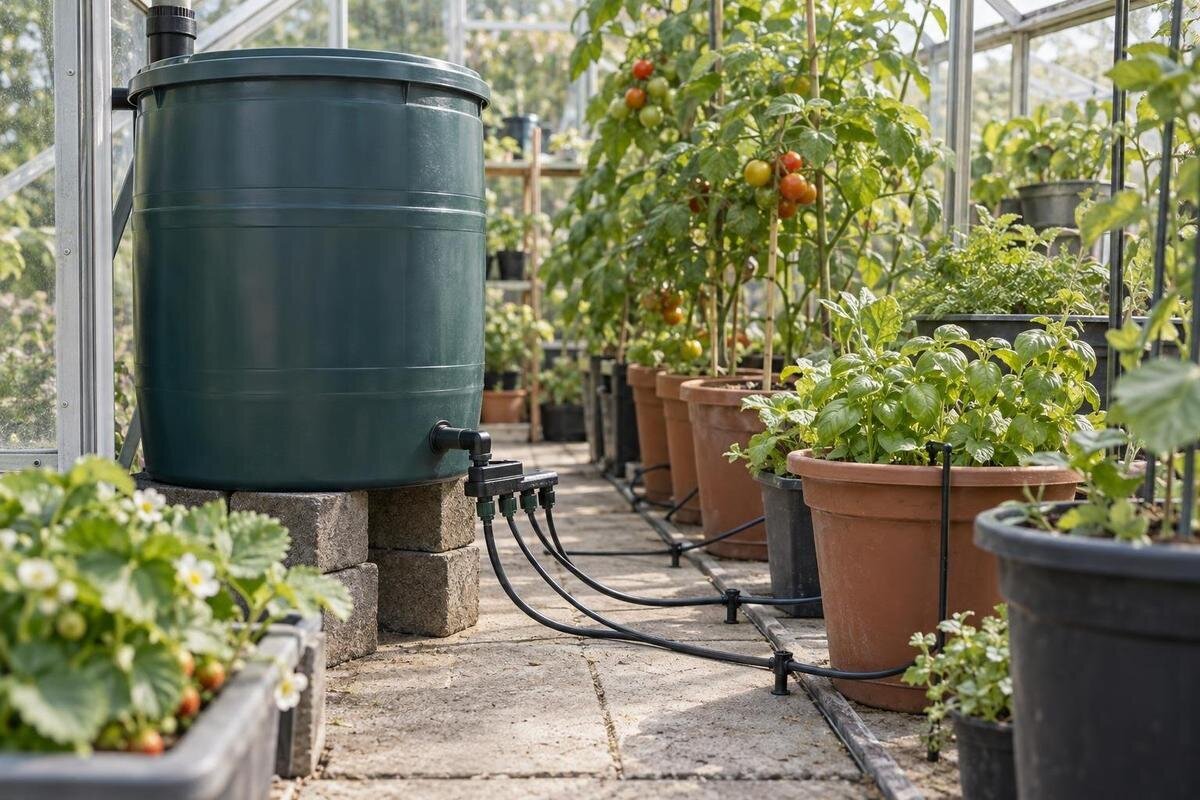
Greenhouse watering
Two weeks away can expose weaknesses that a timer test on one afternoon will miss. A reservoir may empty sooner in warm weather; a blocked outlet or loose connection may leave one group dry while the rest look fine. Build the plan around measured water use, check every zone over several ordinary cycles, and decide who will act if a warning appears. Automation can handle a routine, but it does not prove that water reaches each root or provide a response to every failure. A reliable holiday plan combines enough usable water, a tested schedule, alerts that reach a person and a named backup visitor.

01
Map the plants and greenhouse layout
Begin with the plants and containers, not the timer. List each bed, pot group, seed tray and newly planted crop, noting container size, how established it is and how quickly its growing medium dries in ordinary conditions. Record the current watering interval and which groups already need attention most often. Include hanging baskets or trays that are easy to overlook. Separate small pots from established beds if their drying patterns differ, and group plants only when their root volumes and water needs are similar. One schedule can leave a shallow pot dry while a bed stays wet; the aim is to identify the groups that must remain reliably watered for 14 days.
Sketch the greenhouse as it is arranged now: beds, benches, pots, doors, water source, reservoir, controller and the route a visitor would take. Mark where each proposed line will run and what it serves, including far corners or shelves that are easy to miss. For a T-shaped orangery greenhouse, for example, map the actual growing areas rather than assuming one straight line will reach every bed. Use the confirmed dimensions and layout of your own structure, not its product name alone. Keep the tank, timer and any shut-off accessible without moving pots or stepping over tubing.
Measure water use in representative conditions
Start a log while there is still time to make changes. For several days, run the routine you intend to leave in place and record the date, approximate weather, starting and ending reservoir level, any refill and which zones operated. Mark levels with a gauge or a known-volume top-up rather than judging a dark container by eye. If rain can refill the store, record it separately so it does not make the system's draw appear lower than it was. With another water source, measure volume where practical; do not assume that a timer's run time tells you how much water reached the plants.
Choose a test period that includes warm, bright conditions if possible, and note any days when demand rises. A mild-weather result is not a guarantee for a hot spell, so use a cautious figure when planning capacity and retain a way to check the plants. Reservoir draw helps estimate the supply needed; checking the growing medium in each group shows whether water is reaching the roots. If the crop or container layout changes after the test, review the estimate. Whether plants are in a pyramid-type greenhouse or another structure, the log needs to reflect the plants actually growing there.
02
Calculate usable water for all 14 days
For regular daily watering, multiply a cautious daily draw by 14. If the schedule waters on particular days, count the cycles expected during the holiday and use the volume each cycle draws. Base the estimate on representative conditions and a high credible reading, not an unusually cool-day average. As an arithmetic example, a setup drawing 6 litres a day would use 84 litres in 14 days; three further days at that rate would bring the working total to 102 litres. Those figures illustrate the calculation only: they are not a standard allowance for a greenhouse.
Count usable volume, not just the capacity printed on a container. Some water may sit below the pickup point or otherwise be unavailable to the system, so mark the level from which it can actually draw. Choose a reserve that reflects variation in your log, the possibility of warmer weather and how quickly someone could refill the supply; no single percentage suits every setup. A greenhouse with built-in storage does not, by its name alone, establish that an irrigation reservoir is present. Count only measured water that is connected to the system and available to it. Do not rely on forecast rain as a guaranteed refill.
Separate crops with different watering needs
A single schedule is convenient only if it suits every group. Small pots, newly planted crops, seed trays and established beds can dry at different rates, so check them separately during the trial. Where the equipment allows, use independent zones for groups with different needs. If it does not, consider whether the schedule can safely cover all the plants or whether a visitor will need to water one group manually. Do not compensate for a dry pot by adding water to every bed without checking the effect on the rest.
For each zone, write down when it should run and what a satisfactory result looks like in the growing medium. A timer setting is not proof that the plants have received the right amount: it only controls the schedule. Check the equipment instructions for the number of zones and settings it supports, and do not assume that separate lines automatically mean separate schedules. Whatever structure you use, including a Prestige Greenhouse, base the grouping on the crops and their observed needs rather than on convenience when routing the tubing.

03
Check that every line delivers water
Before relying on the setup, inspect the reservoir, timer, connections and visible lines. Look for leaks, kinks, loose joins, blocked outlets or tubing that could be knocked out of place. Check any fitted filter and clean or maintain it only as its instructions specify. Confirm that the water source is suitable for the equipment and that the timer has the correct schedule. Then run a complete cycle and inspect each plant group; a click from the timer does not show that water has travelled to the end of a line. Check the manufacturer's required supply pressure and flow against your actual supply. Where the instructions allow, collect water over a timed interval in a graduated container to measure flow at the specified test point. Use a suitable gauge or ask an irrigation installer to check pressure if required. For a reservoir-fed system, repeat delivery checks near the lowest intended operating level: a successful test with a full tank may not represent conditions later in the holiday.
Where the system uses emitters, compare representative outlets along the run using a method allowed by the manufacturer, then check the compost or other growing medium around the roots. Look for both dry areas and standing water. The Spacious Greenhouse listing gives size options from 506 to 753 sq ft; that stated floor area does not tell you what a particular watering line will deliver. For any layout with several beds or distant corners, inspect near and far areas separately and note any uneven result before you leave.
Rehearse the full schedule before departure
Test the complete arrangement with the source, timer, reservoir and lines you will use while away. Begin early enough to correct a fault and repeat the trial; a new system set up just before departure leaves little time to learn how it behaves. Run the intended schedule through several cycles and, if you can, leave it under observation for a week or longer. Pay particular attention to the longest gap between watering events. Compare the measured draw during the trial with your 14-day estimate rather than expecting a shorter trial to consume the full holiday allowance. Include any overlapping zones in the rehearsal, since testing each separately may miss a supply problem when they run together. Check that the timer retains the intended programme between cycles and that watering stops at the scheduled time. Record the settings that passed the trial so an accidental change can be spotted before departure.
At the first cycle, check that each zone starts and stops as expected. Later, inspect the plants and growing medium before the next scheduled run, and look for pooling, persistently dry areas or an unexpectedly falling reservoir level. Change one part of the setup at a time, then repeat the relevant checks so you know what improved. Whether yours is a classic aluminium greenhouse or another structure, the trial needs to use its real planting layout and the equipment that will remain in place.
04
Use alerts that someone can act on
First establish what the equipment can actually monitor. If supported, a low-reservoir warning may allow time for a refill; an indication of unusual flow or a leak may point to a problem that needs attention. Some timers have no remote alerts at all, and features vary between systems, so check the instructions rather than assuming that an app or sensor is included. Choose warnings with a clear response: an alert that nobody can interpret or act on is not a useful backup.
Test each alert using the method recommended for the equipment, without creating a damaging fault or letting the tank run dry. Confirm that the message reaches the intended phone or other device, including with the greenhouse closed and the recipient away from it. A lean-to greenhouse does not tell you where a controller or sensor will be installed, so test the actual alert path at its real location. Check whether the system reports a lost connection: silence may mean that monitoring has stopped, not that watering is working. If you will have limited phone reception while travelling, agree who receives warnings directly and who can authorise a visit without waiting for your reply. Name the person who will respond, and agree what they should do if the alert arrives or cannot be confirmed.
Give a named visitor a clear backup plan
Choose a particular person and agree the dates and checks before you go. Arrange an early visit to catch faults after departure, then space further checks according to how quickly the most vulnerable plants dry and how long the water supply should last. A visit shortly before the reservoir is expected to empty will not catch a blocked line early enough. Explain which plants to inspect, what reservoir level is acceptable and how to refill it. Give the visitor a way to contact you if a zone is dry, the tank level has dropped unexpectedly or the system shows a warning. Mark representative pots or bed areas on the plan so the visitor checks the same places each time. Ask them to record the date, reservoir level and any water added; a quick photograph can help you interpret a change remotely. Leave a measured container for any agreed manual watering, with amounts based on your trial rather than an instruction to give everything a generous soak. If your first choice cannot attend, confirm who will take over instead of leaving the arrangement open-ended.
Leave a short written plan beside the entrance or send it directly to the visitor: mark the growing groups, reservoir, refill point, controller and shut-off, and keep the route clear. A walk-through before departure can show what a normal level and a normal cycle look like. For any structure, including a limited-edition aluminium greenhouse, the visitor needs a map of your actual installation, not a model name. Make clear which simple actions are permitted and when to contact you rather than adjusting settings or attempting a repair.

05
Plan for weather changes and system failures
Think through the signs of common problems before they occur. A reservoir that falls much faster than the trial may indicate a leak, increased water use or a refill that was missed or smaller than planned. One dry group beside normally watered plants may point to a local blockage or line problem; a fully dry greenhouse could mean the supply or schedule has stopped. These are clues, not diagnoses. Tell your visitor how to isolate an obvious leak using the installed shut-off, and ask them to contact you if the cause is not clear rather than dismantling equipment.
Warm weather can raise demand, while a forecast cannot promise what conditions will be like throughout the holiday. If a hot spell is expected, arrange a timely check or a measured top-up rather than making an untested last-minute change to every zone. Irrigation also does not replace a separate plan for greenhouse ventilation. If a controller depends on power, a connection or another external supply, check its instructions for what happens when that supply is interrupted. Do not assume it will restart or behave in a particular way; make sure the visitor knows the backup action.
Make a final check and review the result
On the day before departure, run the complete scheduled cycle and check the plants, lines and reservoir once more. Refill to the measured starting level, confirm the timer's dates and settings, and make sure the reserve is genuinely available to the system. Check that alerts reach the agreed person and that your visitor has access, contact details and the written plan. Avoid an untested change at the last minute: an extra run is not a dependable substitute for a measured schedule and can leave some containers overwatered.
When you return, inspect the growing medium, plants, reservoir and visible lines before changing the schedule. Compare the remaining water with your estimate and ask the visitor about any refill, alert or adjustment. Record what happened, including weather changes and groups that dried more quickly than expected. Use those observations to revise the demand estimate, reserve or visit timing before the next absence. A holiday plan improves when you keep a record of its real performance rather than relying on memory.
Frequently asked questions
How much water will my greenhouse need for a two-week holiday?
There is no reliable amount that suits every greenhouse. Measure what your own setup draws in representative conditions, then total the water needed for the 14-day schedule. Add a reserve based on variation in your measurements, likely weather and how quickly someone could top up the supply.
Can I leave a timer running without asking anyone to visit?
A timer can run its schedule, but it cannot guarantee that water reaches every plant or respond to an empty reservoir, blockage or leak. If no one can check the greenhouse, make the supply and trial especially robust; for a two-week absence, a named backup visitor is a useful safeguard.
How long should I test the watering system before leaving?
Start early enough to correct a fault and repeat the test. Run the full schedule with the actual water source and lines; a week under observation is more informative than a single cycle, and a longer trial is preferable if you can arrange one. If the test is short, ask your visitor to check early in the holiday.
Which irrigation alerts should I set?
Use only alerts your equipment actually supports. A low-water warning or an indication of unusual flow can be useful if it gives someone time to act. Test the alert, check that it reaches the intended person, and agree what they should do. Do not treat a notification as a substitute for a visit.
What should a backup visitor check?
Leave a simple map and ask them to check the reservoir level, the condition of representative pots or beds, and any visible leaks or warning lights. Mark the refill point and shut-off, give clear instructions on when to contact you, and do not expect them to repair equipment.
A dependable holiday watering system need not be complicated. What matters is measured demand, enough usable water and a schedule tested with the plants and equipment that will remain in place. Set the reserve from your own observations, make warnings actionable and give your backup visitor clear checks and agreed responses. With those arrangements in place, your two-week absence has a practical fallback if watering does not go to plan.
