
Insulated or Single-Glazed Greenhouse: Which to Choose?
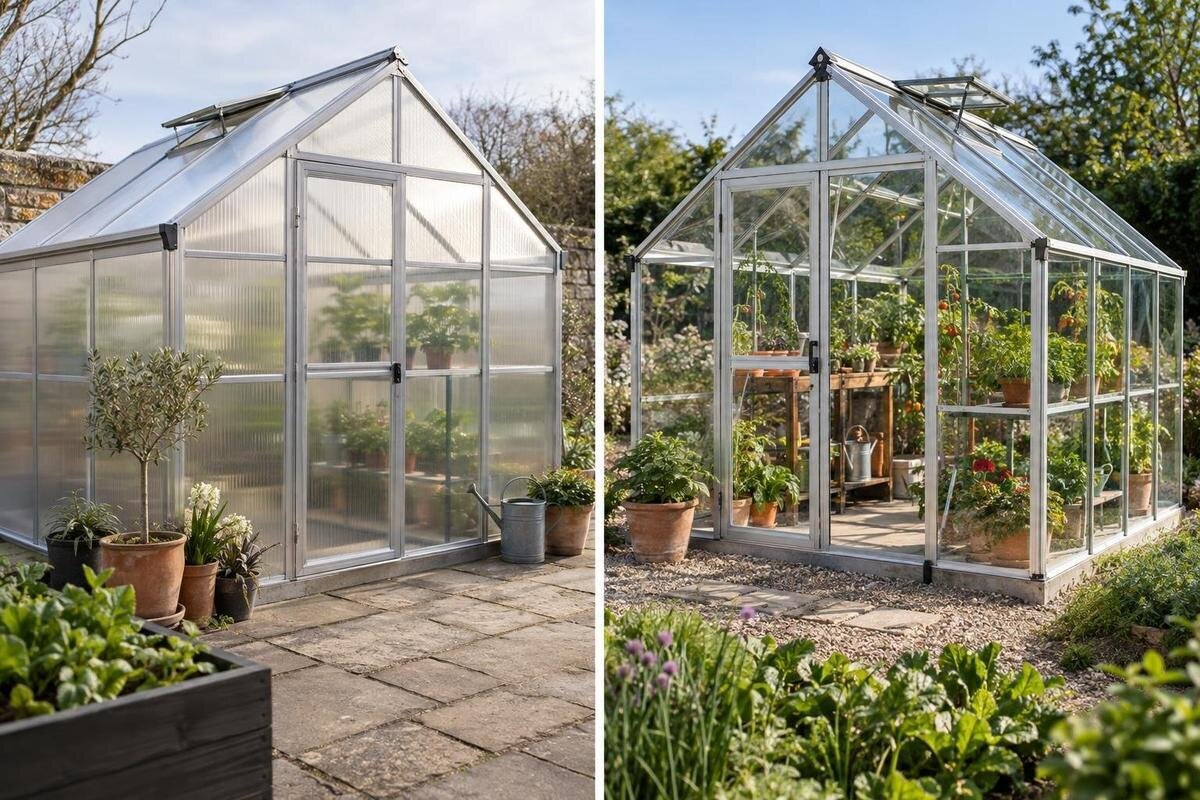
Greenhouse glazing guide
Choosing between a single-glazed and an insulated greenhouse is not simply a matter of counting panes. The glazing affects heat loss and light, but the frame, seals, openings and the temperature you want for your plants matter too. Here is how to compare the complete structure and decide which specification fits your growing plans.

What does ‘insulated greenhouse’ mean?
On a greenhouse listing, single-glazed ordinarily means one pane in each glazed panel. Insulated greenhouse is less precise: it might refer to double-glazed glass, multiwall polycarbonate, an added internal layer or a broader building specification. These are different constructions, not interchangeable labels. Ask what material and build-up is used on the roof, walls, gables, doors and lower panels. For layered glazing, establish whether the space between layers is sealed, open or formed by a multiwall structure; those terms describe different assemblies. A domestic window’s double-glazing description cannot be transferred to a greenhouse without that detail.
Horticultural glazing must admit light for growing, so insulation is only one part of the choice. A claim about an insulated panel does not necessarily cover every glazed surface, the frame, the door or the joints. Nor does the term mean the building will maintain a particular temperature without heating. Treat it as a prompt to find out exactly what is included: which panels use that construction, whether the same specification applies throughout, and what the performance figures describe. That is a more useful starting point than comparing products by a single word on a page.
How glazing affects heat loss and light
A pane’s thermal performance helps describe how readily heat passes through it. A U-value is one measure: for comparable stated assemblies, a lower value means less heat transfer under the conditions used for that figure. Ask whether the number applies to the centre of a pane or to a more complete assembly, and check that you are comparing like with like. Glass, cavities, spacers and the way a panel fits into its frame can all affect the result. Additional layers may reduce heat transfer, but the exact construction matters more than the word double-glazed.
Light transmission matters just as much for a growing space. Different materials, thicknesses, tints and layers can affect how much light reaches plants, so a thermal figure does not tell you whether a panel is suitable for your crops. Ask for the relevant light-transmission information and how it was measured, alongside the thermal data. If you are considering the Limited Edition aluminium greenhouse, request those figures for the glazing offered in your chosen configuration. Check whether the light figure describes total visible light or light in the wavelengths used by plants: figures measured on different bases are not directly interchangeable. Also distinguish transmission from diffusion. A panel that scatters light is not necessarily transmitting the same amount as a clear alternative. The useful comparison is between documented panels, with their thermal and optical properties considered together, rather than between photographs showing how bright each greenhouse looks.
Why the frame and seals matter
Glazing is only one route for heat to leave a greenhouse. Heat can also pass through the frame and escape around doors, vents, panel edges and other joints. The size and layout of the building affect the amount of exposed surface, while gaps can allow air to move in and out. A high-performing panel cannot, by itself, establish how the complete structure will behave. Check whether any advertised figure covers the pane alone or takes account of the frame and the way the components meet.
Look for drawings or a written specification that show how the glazing joins the frame, how the door closes, and how the vent and base details are constructed. Where an aluminium frame is proposed, ask what information is available about its thermal performance rather than assuming that the glazing figure covers it. For the T-shaped orangery greenhouse, request the drawings for the selected size so you can identify the roof sections, external corners and junctions included in the comparison. These details help you understand where panels meet and which components need separate information; they do not establish a heat-loss rating by themselves. Ask how seals can be inspected and replaced, and whether door and vent adjustments form part of the maintenance guidance. A specification that explains both the initial construction and how its joints are maintained is more useful for long-term heating plans than a pane rating alone.
Set a temperature target for your crops
Before choosing glazing, decide what you want to grow and what conditions those plants need. A greenhouse used for seasonal crops has a different job from one where you intend to keep tender plants through cold weather. Write down whether you need only a longer growing season, protection from occasional cold, or a maintained minimum temperature overnight. Daytime warmth and overnight conditions are not the same requirement, and plant needs vary, so use reliable crop-specific guidance rather than a single target for everything.
An unheated greenhouse can buffer conditions, but it still follows the weather outside; it is not a temperature-controlled room. If your plan depends on warmth during cold spells, specify the minimum you intend to maintain and how it will be achieved. When assessing the Pyramid greenhouse, use the specification of the exact version alongside a growing calendar that identifies when temperature-sensitive plants will be inside. Separate plants that merely need protection from rain and wind from those that require a maintained minimum temperature. If you already have a greenhouse, records from a thermometer at plant height can help reveal the difference between a sunny afternoon and the coldest part of the night. Such observations describe your existing conditions, not the guaranteed performance of a new model. They can nevertheless help you explain your requirements more clearly and decide whether the main need is seasonal shelter or dependable overnight heating.

Estimate heat demand from the whole greenhouse
Heating demand depends on more than the glazing choice. Relevant factors include the temperature you want to maintain, the difference between that target and outdoor conditions, the area and volume being heated, air leakage and the amount of exposed roof and wall. Sunlight can add warmth during the day, but it does not guarantee the same conditions overnight. For those reasons, a reduction in heat loss through one panel should not be treated as an equal percentage reduction in energy use or cost.
If regular heating is part of the plan, ask for any estimate to be based on the chosen dimensions, glazing schedule, frame, doors, vents and stated operating conditions. Clarify what assumptions it makes about temperature and hours of use. For an aluminium greenhouse with built-in storage, establish which parts of the selected layout would be heated and whether any internal division is included in the assessment. Storage space should not simply be deducted from the heated area without knowing how it is separated from the growing space. Distinguish the heating capacity needed during cold conditions from estimated energy consumption over a season: they answer different questions. Also ask what energy price has been used if an estimate includes running costs, so that you can update it rather than treating the quoted cost as permanent. Have a qualified professional assess the heating requirements and the suitability of the equipment and installation where appropriate.
Ventilation and condensation remain important
More insulating glazing does not remove moisture from a greenhouse. Water vapour from plants and watering can condense when humid air meets a cooler surface. Where condensation appears, and how it drains or is managed, depends on the glazing and frame details. Condensation on an exposed pane does not by itself show that a sealed unit has failed; moisture between the panes of a sealed unit is a different matter, so ask the supplier how to interpret it for the system being offered.
Ventilation still matters in an insulated greenhouse. Sunlight can warm an enclosed space, while restricted air movement can leave humid conditions around plants. Check which vents and openings are included in the proposed configuration, where they sit, and how you will use them alongside heating. When reviewing the Prestige greenhouse, ask for the ventilation arrangement to be shown on the selected drawing, including how each opening is operated. This lets you assess whether plants, benches or stored equipment would obstruct access. If automatic controls are offered, establish what they operate and how their settings interact with any heating controls; neither feature should be assumed from the model name. Consider your routine as well: a greenhouse that you visit only in the evening needs a different management plan from one you can attend throughout the day. The aim is to manage excess heat and moisture without relying on permanently closed vents to conserve warmth.
When single glazing suits seasonal use
Single glazing can be a sensible choice when you do not plan to heat the greenhouse regularly and your crops can cope with the conditions it provides. It may suit seasonal growing where the aim is to extend the useful period of the year rather than maintain reliable warmth through cold weather. The important qualification is the plants’ tolerance: a greenhouse with one layer of glazing should not be treated as frost-free simply because it is enclosed. Plan sowing and moving plants under cover around their needs, rather than assuming the enclosure makes any planting date suitable. Tender seedlings may still need a separate, suitably controlled place during cold periods, even if the greenhouse is useful for them later in the season.
Think about how much growing space you will actually use across the year. The listed size range for the Spacious Greenhouse is 506–753 ft²; that indicates footprint scale, not insulation level, air volume or heating demand for a particular configuration. Draw a seasonal layout showing which beds or benches will be occupied in spring, summer and winter. A large unheated space for seasonal crops and a smaller, separately controlled area for tender plants are different requirements, not simply two glazing choices. If you intend to divide a greenhouse, confirm that the proposed separation is compatible with its layout, ventilation and access before relying on it to reduce the heated space. Where no suitable division is planned, concentrating pots at one end does not make that end a separate thermal enclosure. This distinction helps avoid buying extra floor area on the assumption that only the occupied portion will need heat.
When insulated glazing is worth investigating
Insulated glazing deserves closer consideration if you expect to heat the greenhouse regularly, want to extend the season, or need to keep plants within a narrower temperature range. It may help reduce heat transfer through the glazed areas, but whether that benefit is worthwhile depends on the complete structure and how often you use the heating. Consider the intended temperature alongside the amount of light your plants need; a warmer space is not automatically a better growing environment if the selected panels do not suit the crops.
Compare the exact alternatives rather than treating all layered products as equivalent. Double-glazed glass and multiwall polycarbonate have different constructions, and each needs its own thermal and light-transmission data. Ask whether the chosen frame is designed for the panel and whether the same build-up is used on the roof and walls. Added layers can bring extra complexity and may affect light, moisture behaviour or panel compatibility, so confirm those details before choosing an upgrade or changing an existing greenhouse.

Compare complete specifications, not labels
For a fair comparison, match the greenhouse size and layout first. Then check the glazing material and build-up for the roof, sides, ends and doors; the frame and panel joints; and the arrangement of vents and openings. Ask for U-values with a clear explanation of what they cover, plus relevant light-transmission figures. If a supplier provides information about air leakage or whole-structure performance, check the test basis and whether it applies to the exact configuration you are comparing.
Ask the supplier to identify what is standard and what is an optional change, and to show the selected panels on a drawing or specification. For a model such as the Classic aluminium greenhouse, keep the chosen size, door arrangement and vent provision consistent when requesting alternative glazing quotations. Record any differences that cannot be matched, rather than attributing every change in expected performance to the panels. Compare the total specified purchase, including any frame changes required for the glazing, rather than just an upgrade price per panel. Include maintenance information too: cleaning access, replacement-panel availability and the procedure for dealing with damaged glazing can affect ownership. Where a performance figure is unavailable, leave it marked as unknown in your comparison. A clear gap in the evidence is more useful than filling it with a value from a different model or a domestic window with a similar description.
Lean-to walls and retrofits need separate checks
A lean-to greenhouse shares a boundary with another building, but that wall is not automatically an insulating part of the greenhouse. Its contribution depends on what lies beyond it and how it is constructed, while the roof and other exposed surfaces still need to be considered. If you are considering the Lean-To Greenhouse, use the proposed position and drawings to establish which surfaces are exposed and how the greenhouse meets the adjoining wall. A wall beside a heated room presents different conditions from one beside an unheated garage, but neither arrangement supplies a guaranteed greenhouse temperature. Note any existing windows, doors or vents in the adjoining wall, as they may affect the proposed layout and require professional assessment. Keep any expected benefit from the wall separate from the documented glazing performance. This makes it easier to compare a lean-to proposal fairly with a freestanding alternative without assuming that attachment alone provides dependable winter warmth.
If you are considering adding an inner layer to an existing single-glazed structure, check compatibility before making changes. An extra panel or lining can affect light, condensation, drainage, access to vents and the way existing panels fit. The frame may not be intended for a different glazing build-up, so seek confirmation from the supplier and suitable professional advice where needed. If the aim is winter growing, compare the retrofit’s documented performance with the needs of the plants and the whole space you intend to heat.
Frequently asked questions
Will double glazing keep a greenhouse frost-free?
No glazing choice alone guarantees that. Frost risk depends on outside conditions, the complete greenhouse envelope and whether suitable heating is used. If your plants rely on a minimum overnight temperature, base the design on that requirement and the specification for the exact greenhouse, not on the word insulated.
Is greenhouse double glazing the same as a house window?
Not necessarily. Greenhouse products can use different combinations of panes, cavities or multiwall panels, and need to suit the structure and its growing environment. Ask for the exact panel build-up and relevant thermal and light-transmission figures; do not assume domestic window values apply.
Is single glazing enough for an unheated greenhouse?
It can be, if your crops and planting calendar suit the natural temperature changes inside. Single glazing does not promise a frost-free space or a fixed night temperature, so check the minimum conditions your plants need before planning winter use.
Does multiwall polycarbonate count as insulated glazing?
It is a layered panel construction, but it is not the same assembly as either one sheet of glass or a sealed double-glazed unit. Its thermal performance and light transmission depend on the exact panel and how it is fitted. Compare the published data for the specified product.
Will insulated glazing reduce heating bills?
It can reduce heat loss through the glazed panels, but bills also depend on greenhouse size, air leakage, target temperature, weather, heating controls and hours of use. Ask for an estimate based on the complete building and your intended use; pane performance alone cannot predict savings.
Choose the glazing after deciding whether your greenhouse will be unheated, used seasonally or kept at a temperature your plants need. Single glazing can suit seasonal growing when natural changes are acceptable; insulated glazing is worth comparing when regular heat retention matters. In either case, consider the whole structure, the light available to your crops and the actual conditions you intend to maintain. That leads to a choice based on your growing routine, rather than an undefined label.
