
Can You Manage a Greenhouse If You Visit Only at Weekends?
Greenhouse planning
Visiting a greenhouse only at weekends does not rule out growing under cover, but it changes what is sensible to grow and how much you can rely on equipment. Plants do not follow the diary: a sunny spell, a blocked dripper, a fallen pot or a sudden growth surge can make a gap feel longer than expected. The useful question is not whether a greenhouse is low maintenance in general. It is whether your crop plan, watering, ventilation and backup arrangements can handle the longest period when nobody can intervene.
Can weekend visits be enough?
Weekend attendance can suit an established, deliberately limited planting plan, especially when plants have adequate growing medium and a dependable source of water. It is less forgiving during germination, after transplanting, in small pots or when crops need repeated training and picking. A greenhouse shelters plants from some outdoor conditions, but it can warm quickly when sunshine returns and dry out; it does not provide supervision. Whether the arrangement works depends on what can happen before your next visit and whether anyone can respond if it does.
A useful test is to picture the greenhouse immediately after you leave. Could a plant dry out, a vent stay shut, a hose leak or a crop become ready to pick before you return? Some changes can wait; others can damage plants or waste a crop. Write down the problems that would need attention sooner than your next visit. If several are likely and nobody else can help, reduce the demands of the plan rather than expecting a greenhouse to make the gap safe.
Map the longest gap, including exceptions
Plan around the longest stretch when nobody can inspect the plants, not just the usual weekend-to-weekend pattern. A missed visit, a short break away or a busy weekend can extend the gap. Different seasons also bring different pressures: seed starting and transplanting need close observation, while bright weather can increase drying and overheating risks. Record the periods when you expect to be away and compare them with the stages of the crops you hope to grow.
For each crop, note the jobs that may arise between visits: watering, tying in, pruning, checking for pests, harvesting or moving a tray. Then decide which jobs can wait and which need another person. Use the seed packet or growing guidance for the variety you have chosen, since timing and care differ. Avoid starting a batch of vulnerable seedlings just before a known absence; you can adjust sowing dates or begin with a smaller group instead.
Choose crops for the time between visits
Plant stage and growing container can matter as much as crop type. Small seed trays hold little compost, so they can dry out quickly; young plants are also less established than plants with a larger root system. Containers may need more frequent attention than a well-prepared bed, particularly in warm weather. For a weekend routine, consider established plants in generously sized containers or beds before committing to many shallow trays. Cooler-season leafy crops may avoid some summer heat pressures, but still need watering and timely harvesting. Tomatoes can be manageable with suitable support and reliable irrigation, although cordon varieties add regular tying and sideshoot removal. Cucumbers and other crops that need frequent picking can be less convenient if nobody visits during the week. Choose varieties using their growing guidance and your intended harvest pattern, not a general promise of low maintenance. A crop that survives your absence but repeatedly goes unpicked may still be a poor match for the way you use the greenhouse.
A small trial of established plants is often a more realistic starting point than filling every bench with seedlings. Some crops, including tomatoes and cucumbers, may need support and regular picking; the exact work depends on the variety and how you grow them. The Lean-To Greenhouse range is listed from 40 to 154 ft², but a footprint does not tell you how demanding its contents will be. Match the planted area to the care you can provide, and avoid sowing more than you can use or manage.
Use irrigation as support, with a genuine fallback
Automatic watering can reduce routine hand-watering, but it is not a guarantee that plants will receive the right amount. Requirements change with the crop, container, growing medium and conditions. Check that water reaches the furthest parts of the planting, and look for blocked emitters, loose connections, a depleted supply or a timer that has stopped working. Group plants with similar watering needs where practical, rather than expecting one setting to suit seedlings and mature plants equally. If you use a reservoir, record its level before leaving and when you return, alongside the weather and plant condition. This gives you evidence of consumption under those particular conditions, not a universal allowance for every week. Retest as plants grow and during warmer weather, and leave a margin rather than planning to use the last available water just before your return. Where a system connects to a mains supply, ask the equipment supplier or a qualified plumber to confirm the appropriate connection and safeguards.
Test the arrangement while you are present and check the growing medium around the roots, not just whether the timer has activated. Decide what happens if the main supply fails. A spare battery will not help with a blocked outlet, and a second timer on the same failed supply is not an independent backup. A helper with access to a separate usable water source may provide a more practical fallback than duplicating controls. When comparing the Limited Edition greenhouse range, listed from 40.6 to 302 ft², sketch the planted zones and the route of the watering equipment. Keep connections accessible for inspection and identify which plants would be affected by a fault in each zone. Confirm the equipment's operating requirements separately; floor area alone cannot tell you which irrigation arrangement will work.
Ventilation needs to work while you are away
A greenhouse can warm quickly when sunshine returns, even if the weather was cool or cloudy when you last visited. Ventilation therefore needs to work during the gap, rather than only being adjusted by hand on a Saturday. Keep vents and their opening paths clear of plants and stored items, and check that they move as intended when you are on site. Shade can be part of a growing plan, but it does not replace ventilation or a way to respond if conditions change.
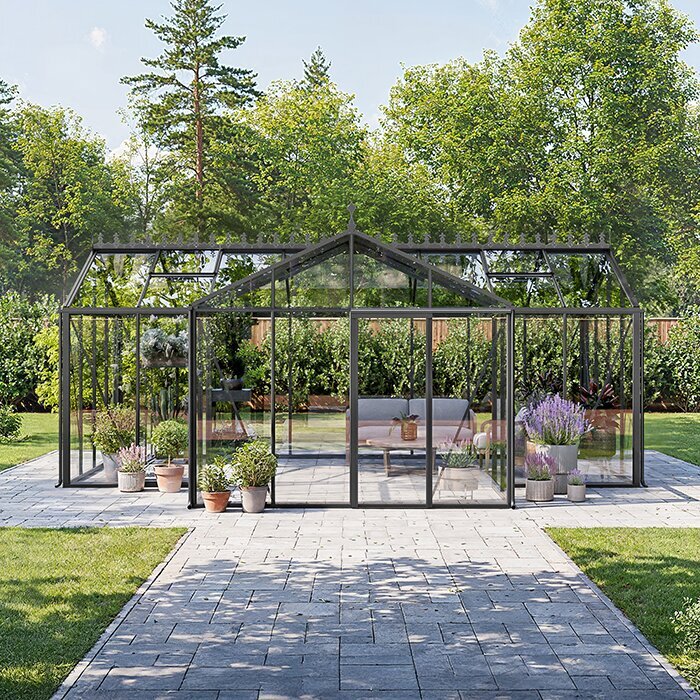
An automatic vent opener may reduce the need for manual adjustment, but it still needs inspection. Observe its operation while you are there, follow its manufacturer's maintenance guidance and check that growing stems cannot obstruct it. Before leaving, consider both the expected weather and what would happen if the mechanism failed to open. Your response might involve an agreed visit from a helper or postponing a vulnerable planting. When looking at the Prestige Greenhouse with Metallic Base, ask for the opening positions and details of any controls included in your chosen configuration. The named base does not establish the ventilation specification. Use those details to assess how you will check the vents and whether someone covering an absence can operate them safely according to the supplier's instructions.
Make routine checks quick and complete
Arrange plants so you can inspect them without shifting pots or reaching over a crowded bench. Leave a clear route to the back of beds and to the watering points, and make sure plants will not block vents as they grow. A simple layout plan can show where the door, beds, containers, shelves and equipment will sit. That makes it easier to spot areas that would be awkward to water, harvest or check for problems during a short visit.
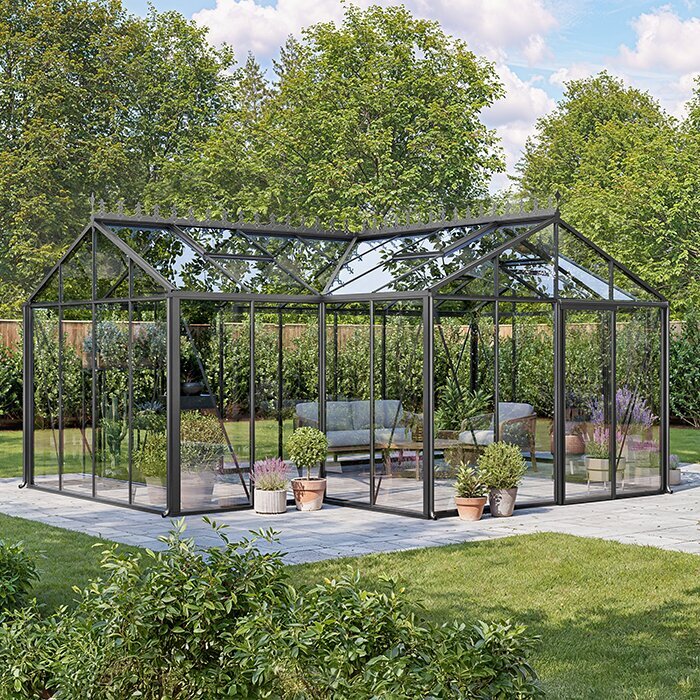
When considering the T-Shaped Orangery Greenhouse, use the actual plan and dimensions to test your intended arrangement of benches and beds. Mark where you would stand to inspect each planting area, operate accessible controls and handle watering equipment. Allow for the mature spread of plants, not just the size of newly planted pots. Corners and bench ends deserve particular attention because foliage can conceal a dry container or a leaking connection. Keep labels visible from the inspection route so that a helper can identify the right plants without searching. If checking a bed depends on moving several containers first, simplify the arrangement before planting. A route that works with a watering can or harvest basket in hand is more useful than one that merely looks clear on an empty floor plan.
Keep tools and water access organised
A predictable place for tools, plant labels, ties and watering equipment can make a weekend inspection more straightforward. Keep frequently used items where they can be reached without blocking the door, vents or routes between beds. Think about the full task, not just storage: you may need to carry a watering can, remove a harvested crop or deal with a loose plant tie. A clear layout helps you notice small problems before they become harder to address.
The greenhouse with built-in storage is worth comparing if you want supplies close to the growing area. Ask for the storage layout, capacity and access details, then list what you actually need to keep there. A watering can, spare ties and replacement irrigation parts have different space requirements, so check them against the proposed arrangement rather than relying on the feature's name. Keep a small, clearly labelled set of essentials available for anyone covering an absence; they should not have to search through all your gardening equipment to replace a tie or find a clean watering can. Store other supplies according to their own instructions. Useful storage should support the inspection route without reducing access to plants, vents or watering connections.
Set a limit on the planted area
A large greenhouse does not have to be planted from end to end. Set a limit based on the crops you will use and the work you can manage, and leave other space empty or available for a later trial. The number of plants, containers and time-sensitive crops matters more than the bare footprint. A few crowded pots can be harder to water and inspect than a larger, clearly arranged bed, so think about access and density as well as area.
The Pyramid-type greenhouse range is listed from 60 to 203 ft², providing several footprints to compare with your proposed planting plan. Draw the beds, benches and containers you actually intend to use, then check that each can be reached. Separate the space you want to own from the space you intend to cultivate in the first season. An unplanted area can give you room to work without adding another group of plants to water and inspect. Set an initial limit in terms of containers, beds or crop groups, so that it is clear when an extra sowing would exceed your plan. Resist filling spare corners with small pots simply because they fit: scattered containers can create extra watering points and make it harder for a helper to complete a reliable check.
Arrange cover for faults and longer absences
Decide who could check the greenhouse if a visit is missed or a fault appears. A neighbour, friend or gardener may be able to help, but only if they have agreed and can get to the site. Leave clear instructions on what to look at, which jobs take priority and what to do if watering or ventilation has failed. Explain how to contact you and where the relevant controls are. Do not assume that someone can make decisions or access the greenhouse simply because they live nearby.
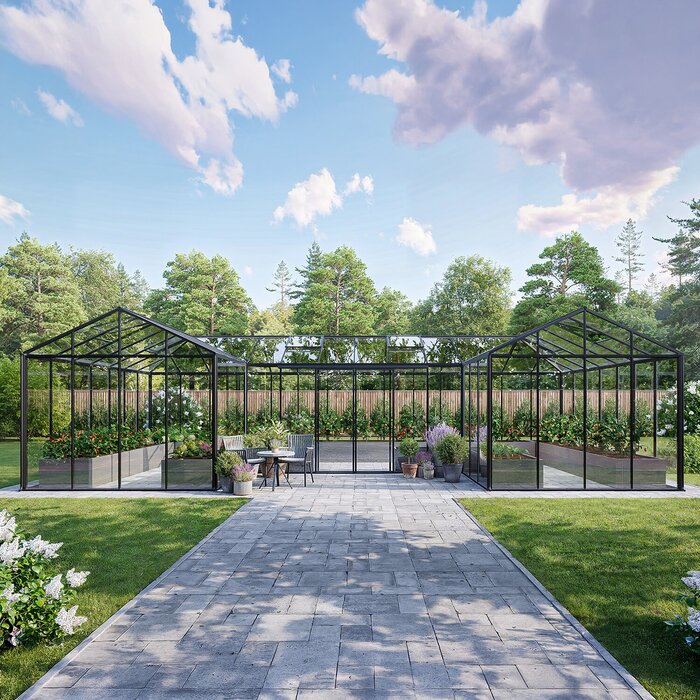
The Spacious Greenhouse listings range from 506 to 753 ft², so distinguish the overall footprint from the areas a helper would actually need to inspect. Mark those areas and agree a simple route through them. Walk it together before an absence, showing what normal watering and vent operation look like and which changes need a call. Leave access arrangements and instructions somewhere the helper can use them without relying on your phone being available. A camera or sensor may help you notice a problem, but an alert does not water plants or open a vent. Agree who receives alerts, who can attend and what happens if that person is unavailable. If nobody can respond, reduce the vulnerable planting or change your plans rather than treating remote monitoring as cover.
Test the routine before you expand
Try the intended routine on a small group of plants before committing to a full crop plan. Keep a brief absence log: record when you left and returned, the weather, the crops and their stage, the watering settings and any problems found. At each return, inspect the plants before making adjustments so that you can see what the previous arrangement achieved. Note dry containers, rapid growth, missed harvests or equipment that needs attention. Distinguish problems caused by the gap itself from faults that would also matter with daily visits. If one container repeatedly dries while neighbouring plants remain adequately watered, investigate its water delivery and growing medium rather than increasing water everywhere. A mild or cloudy spell is not a complete test. Reassess when conditions or crop stages change, and keep the trial small enough that a setback does not affect your entire season's planting.
The Classic aluminium greenhouse range is listed from 40.6 to 302.3 ft². Compare the exact footprint with the layout you have tested, allowing for access and the equipment you intend to use. A trial with a few established plants cannot demonstrate what a dense arrangement of seedlings or containers will require. Expand one part of the planting at a time so that you can identify what has added pressure to the routine. Decide what would make you pause: repeated drying, an unreliable supply, missed picking or a helper who cannot cover the necessary gaps. You may find that the greenhouse works well for selected crops or seasons rather than for year-round production. That is a useful result, not a reason to fill the remaining space before the care arrangements are ready.
Frequently asked questions
Can I leave a greenhouse from one weekend visit to the next?
Possibly, if the crops are established, watering and ventilation are dependable, and the longest gap has been considered rather than guessed at. Seedlings, small pots and hot, sunny spells can make the same gap much harder to manage. Try the plan with a limited planting before relying on it for a full greenhouse.
Will a timer make greenhouse watering dependable?
A timer can reduce routine hand-watering, but it does not prove that every plant receives enough water. Check the water supply, power or batteries where relevant, tubing, emitters and coverage across the planted area. Decide who can respond to a fault, and test any backup rather than assuming it will work.
Which crops are easiest to manage with weekend visits?
There is no universally easy crop: variety, season, growing medium and plant stage all affect the care required. Established plants are generally less vulnerable to a missed check than tiny seedlings in shallow trays. Crops that need regular tying, pruning or picking may also demand more attention than their footprint suggests.
Do automatic greenhouse vents remove the need to check ventilation?
No. An automatic opener can help respond to changing conditions, but it may be obstructed, incorrectly adjusted or simply not included with a greenhouse. Check that the vents move freely and that your plan has a person who can act if they do not work as expected.
What should a neighbour check during a longer absence?
Give them a short, clear priority list: confirm the water is reaching the plants, look for leaks or wilt, check that vents are operating, and deal with urgent harvesting or visible damage. Explain what action to take if a problem appears and how to contact you. An alert is useful only if someone can respond.
Weekend greenhouse growing is most realistic when the planting plan is chosen for the gaps you actually leave, not for an ideal week. Keep the planted area within your capacity, test watering and ventilation while you are present, and arrange cover for problems that cannot wait. If a trial shows that seedlings, containers or a particular season need more attention than you can give, change the crop plan or organise help before expanding. Successful weekend care means knowing which tasks can wait until your return and having someone able to deal with those that cannot.
