
Buying Wooden Greenhouses on Black Friday: Comparing Prices and Maintenance
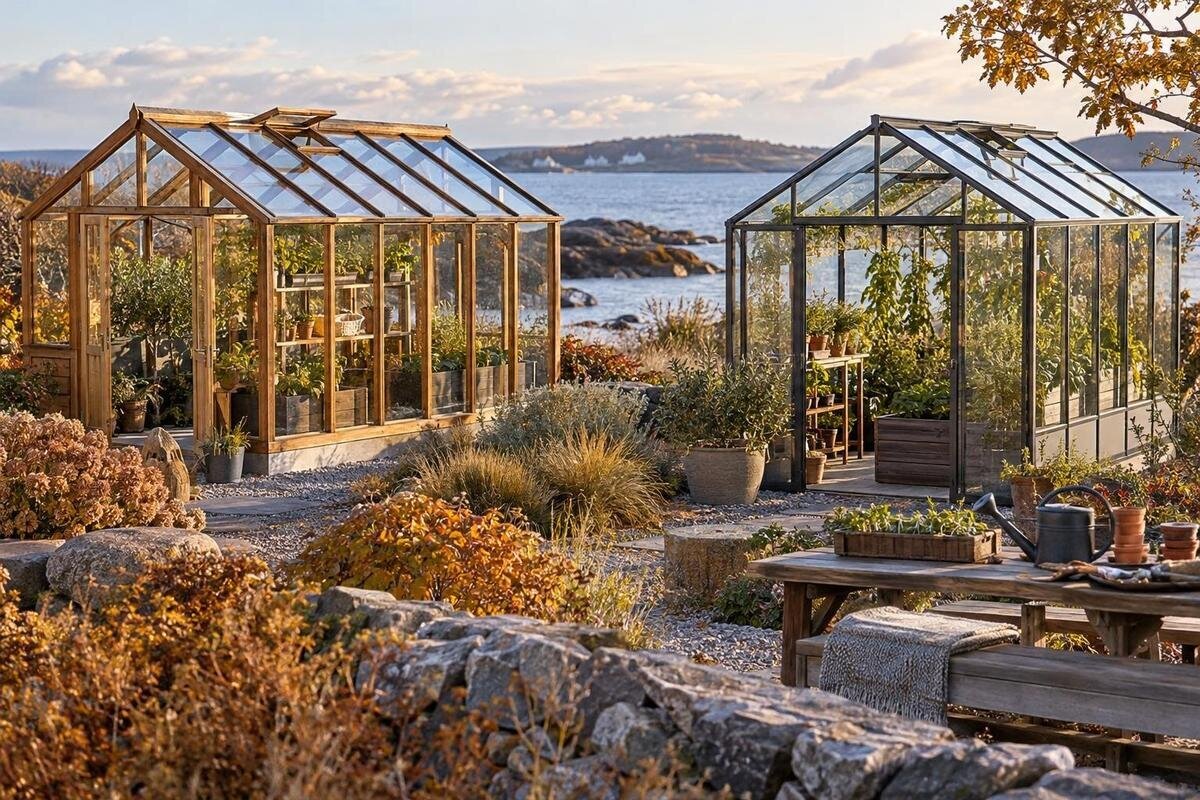
Greenhouse buying guide
Black Friday may be a convenient time to compare greenhouse prices, but the event label alone does not show whether a wooden greenhouse is good value. Compare the exact kit and its total order cost first, then read the timber and finish information alongside the care guidance. A lower upfront figure may reflect a different size or fewer included items, while maintenance can add both recurring costs and time. This guide explains how to assess possible offers without assuming that any particular model is discounted, and how to weigh upkeep against the purchase price.

How to compare Black Friday prices fairly
Before you weigh a Black Friday price, record the exact product name, selected size or configuration, displayed amount and date. Note any previous or reference price separately from the amount you would pay. The event itself does not prove that a wooden greenhouse is discounted, and a crossed-out figure does not tell you what is in the kit. If you have seen the same model before, check that the earlier and current entries refer to the same configuration and any stated offer terms. Comparing a base kit with a more complete package can make a price change look larger or smaller than it is.
Build the comparison around the amount you expect to pay, including any stated delivery charge, selected options and accessories that are not part of the kit. Keep these separate from later setup and maintenance estimates. If you are open to a different frame category, the aluminium classic greenhouse listing can sit in another row; its title alone does not establish dimensions, included parts, upkeep or suitability. Check the page information before using it as an alternative, and do not treat its price as a direct benchmark for a wooden greenhouse unless the two configurations are genuinely comparable.
Compare complete greenhouse kits, not headline prices
Decide what counts as the same purchase before comparing two listings. Note the outside dimensions and configuration, frame material, glazing, door and ventilation arrangements, base or base kit, fixings, and whether shelves or other accessories are included. For a wooden greenhouse, record any stated treatment or finish as well. These details can change the price without changing the headline model name. A cheaper line may simply be smaller or omit components you would otherwise buy; a bundle may cost more while including something you planned to purchase separately. Use the stated contents rather than the photograph as your checklist.
Design and material should be separate columns. A freestanding wooden greenhouse and a lean-to model are not necessarily comparable just because both are greenhouses. If the aluminium lean-to greenhouse listing is on your wider shortlist, record it as a different format and check its actual page details; the title is not enough to compare dimensions, contents or suitability. Once the format is settled, compare a wooden kit with another option of similar size and inclusions. That helps show whether a price difference comes from material, format or the chosen package, rather than treating those variables as one.
What to check in the timber and finish specification
Look for the timber species or type, any stated grading, and whether the wood is supplied treated, coated or unfinished. A general description such as wooden greenhouse does not tell you what the frame is made from or what protection is included. Check which parts the description covers: the frame may be described separately from trims, doors or other timber components. Do not assume that two wooden models with a similar appearance use the same material or need the same care. Keep the written specification beside the offer so you can see whether apparent price differences are explained.
Read the care and assembly documents before deciding that a finish is ready to use or maintenance-free. Look for the manufacturer's instructions on any preparation before assembly, surfaces that need attention, suitable cleaning or finishing products, and when inspections or renewal are recommended. If those details are missing or ambiguous, ask the seller for product-specific guidance in writing. Check whether the instructions apply to all timber parts, including less visible or more exposed areas. Clear answers make upkeep easier to estimate; a photo or short product title cannot replace them.
Turn the care guide into a maintenance budget
Turn the care guide into a list of tasks rather than relying on a broad claim that timber is easy or difficult to maintain. Write down the inspections and treatments the manufacturer actually specifies, the areas they apply to, and the intervals stated. If the guidance gives different instructions for a particular finish or part of the frame, preserve those distinctions in your notes. Do not invent an annual schedule where none is given: ask for clarification, especially if a task affects whether you will need particular materials or help. This gives you a product-specific basis for an upkeep estimate instead of a guess based on another greenhouse.
Price each recurring task using the products and quantities identified in the instructions, where those can be established, and note tools, replacement items or paid labour separately. Include your time as well as cash expenditure: a task you intend to do yourself still needs room in your schedule. If you may hire someone, ask for a quote based on the actual greenhouse and work required rather than applying a generic amount. Keep routine care distinct from repairs; you cannot know in advance which repairs may be needed, so avoid presenting an invented figure as a guaranteed yearly cost. A clear range is more honest than false precision.

Compare the upfront price with ongoing upkeep
Set a comparison period that makes sense for your plans: how long you expect the greenhouse to be part of the garden. Put one-off and repeated costs on separate lines. The starting total may include the greenhouse, delivery, a base or other site work, assembly and accessories; recurring costs should come from the product's care guidance. Do not add a made-up maintenance allowance just to make two options look comparable. If information is incomplete, mark it as unknown and request an estimate. This exercise is not a promise of future costs; it shows which parts of the decision are supported by a current quote or written instruction.
If you are weighing several greenhouse types, keep each candidate's information distinct. For example, a Bloomcabin Orangery listing belongs in your comparison only if it is a genuine option for your garden; its name does not reveal its material, supplied components or maintenance requirements. Check those details on the page and in its care documents before comparing the total with a wooden kit. The useful question is not simply which listing starts lower, but which exact purchase and realistic care routine fit the budget you can sustain. If one option needs more follow-up than you want, that matters even when its initial price appears attractive.
Check whether extras are included or optional
Treat extras as separate decisions. Identify what is included in the listed kit and what is an optional upgrade: examples may include shelving, staging, ventilation additions, water-handling components or other accessories, but do not assume they come with the greenhouse. Ask whether an extra is useful for your growing plans, whether you would buy it anyway, and whether it changes assembly or care. Give an accessory value only if you can confirm both its price and contents. This prevents a bundle from seeming like better value merely because it contains more items, some of which may be unnecessary or unsuitable for your intended use.
A product title can point to a question without answering it. If you are comparing a wooden option with the aluminium greenhouse with built-in storage listing, check the exact configuration and what the page says is supplied; do not assign value to a feature on the strength of wording alone. Use the same test for the wooden greenhouse: confirm whether included fittings, shelves or finish are part of the price, or offered separately. If a package contains an item you will not use, leave it out of your value judgement rather than treating the full bundle price as a saving. Compare only confirmed items and their stated costs.
Add the base, delivery and assembly to your budget
Budget for the pieces and work around the greenhouse as well as the structure. Check whether a base is supplied, whether the seller states a particular base requirement, and what site preparation, delivery handling or assembly is excluded. A wooden greenhouse price may not include the foundation work or accessories you need, so record any firm quotations separately rather than assuming them. Consider access to the garden for delivery and the intended installation area, and find out who is responsible for assembly if you are not arranging it yourself. Where ground conditions or support requirements are uncertain, ask a qualified installer to advise on the site.
An alternative listing such as Bloomcabin Prestige greenhouse with metallic base is a reminder to verify what the chosen product page actually includes; its title alone does not establish what is supplied in the selected configuration, what site work remains, or whether it suits your plan. Apply that scrutiny to a wooden greenhouse's base and assembly notes too. Put quoted delivery, preparation and installation amounts on their own lines so they are not mistaken for maintenance. Once these are known, compare the initial outlay with the ongoing care estimate; they answer different budget questions.
Check the greenhouse format against your garden
Measure the intended area and the route to it, then compare those measurements with the product's stated external dimensions and clearances. Leave room to reach doors and carry out the care described in the instructions; a greenhouse that fits on paper may be awkward to use if access is blocked by paths, beds or boundaries. Note nearby walls, fences or plants only where they affect the space you can actually use, rather than assuming a particular orientation or growing result. Check that your chosen format and intended layout suit the site before letting a Black Friday price determine the decision.
If a Garden Orangery T listing is among the alternatives you are considering, use its published measurements and layout information, not the word T, to assess its footprint. A named style does not confirm usable growing area or how much space is needed for access. Apply the same approach to the wooden model: compare the full dimensions and any required clearance, then check that there is a practical way to maintain the timber surfaces. A shape, price or product photograph can help you shortlist, but only the stated measurements and care information can confirm whether the option fits your plans.

Read the offer terms before ordering
Read the terms for the exact wooden greenhouse and configuration before ordering. Check whether a promotion is explicitly shown, what price it applies to, whether a code or selected option is required, and whether exclusions or delivery charges change the total. Note any start or end date only when the retailer states one; do not assume every product in a greenhouse category has the same offer. Read the delivery, assembly, returns and cancellation information supplied with the order, and make sure the final checkout matches the item you compared. If a term is unclear, ask before placing the order rather than relying on a general banner.
Words in a product name are not offer terms. The title limited-edition aluminium greenhouse does not by itself establish a Black Friday reduction, an expiry date or a reason to buy; the same principle applies to descriptions of a wooden greenhouse. Look for the explicit price and conditions attached to the exact item, and save the details with your comparison notes. If no clear reduction is stated, compare its actual price and upkeep on their merits rather than inventing a saving from the event label. That keeps seasonal wording separate from the decision about the greenhouse.
Use a shortlist to make the final decision
Bring the shortlist together in a small table: configuration and confirmed dimensions; price and stated offer terms; included parts and extras; delivery, base and assembly; timber and finish details; care tasks and likely time or charges. Mark each entry as confirmed, quoted or unknown. This is more useful than scoring a greenhouse by a single number, because it shows where a low price is offset by omitted items or unclear maintenance. If a key fact is missing, ask for it or leave the model off the final comparison until you can assess it. Avoid awarding points for features you have not verified.
If another design, such as the pyramid greenhouse listing, remains on your shortlist, keep it as a separate candidate and check its own specifications and care information; do not use its name as a proxy for the wooden option's dimensions, cost or upkeep. Then choose the greenhouse whose complete, verified initial cost fits your available budget and whose stated maintenance is manageable for the time and money you can give it. When two prices cannot be compared fairly, a missing detail is a reason to clarify the choice, not a reason to assume the cheaper line is the better deal.
Frequently asked questions
Is Black Friday always the best time to buy a wooden greenhouse?
Not necessarily. A seasonal label does not confirm a discount, and the lowest displayed price may relate to a different size or kit. Compare the exact configuration, final amount and stated offer terms with prices you can verify. If you cannot make a like-for-like comparison, do not assume the event price represents better value.
How should I compare maintenance costs?
Start with the care guidance for the specific timber and finish. List the tasks and intervals it gives, then estimate the cost of any named materials, tools or paid help. Record your own time separately. Avoid using a generic annual figure or assuming that all wooden greenhouses need the same routine.
Does treated timber mean I will not need to maintain it?
The word treated does not tell you which parts are covered or whether later inspection or care is specified. Check the product documents for coverage, preparation and ongoing guidance. If those details are missing, ask the seller before using treatment as a reason to choose one model.
What should I check beyond the greenhouse price?
Confirm what the kit includes and what is optional, then add any stated delivery charge, base or site work, assembly and accessories you will need. Keep those one-off amounts separate from future timber care. If site requirements are uncertain, ask a qualified installer rather than guessing.
Should I choose a cheaper wooden greenhouse over a more expensive one?
Only if the cheaper option also meets your needs and its total costs are clear. Compare dimensions, included parts, timber details and care guidance, not just the headline price. A higher price is not automatically better value either; choose the option whose verified purchase and maintenance costs suit your plans.
Use Black Friday as a point to check prices, not as proof of value. A wooden greenhouse belongs on your shortlist when you know what the kit includes, understand the specified timber care, and can budget for delivery, setup and future upkeep. Compare complete configurations and written offer terms, then choose the option that fits both the garden and the time you are willing to spend maintaining it. If crucial information is missing, get it clarified before committing; a clear comparison is more useful than a headline reduction.
