
Buying a Sauna for Frequent Use: Practical Features to Prioritise
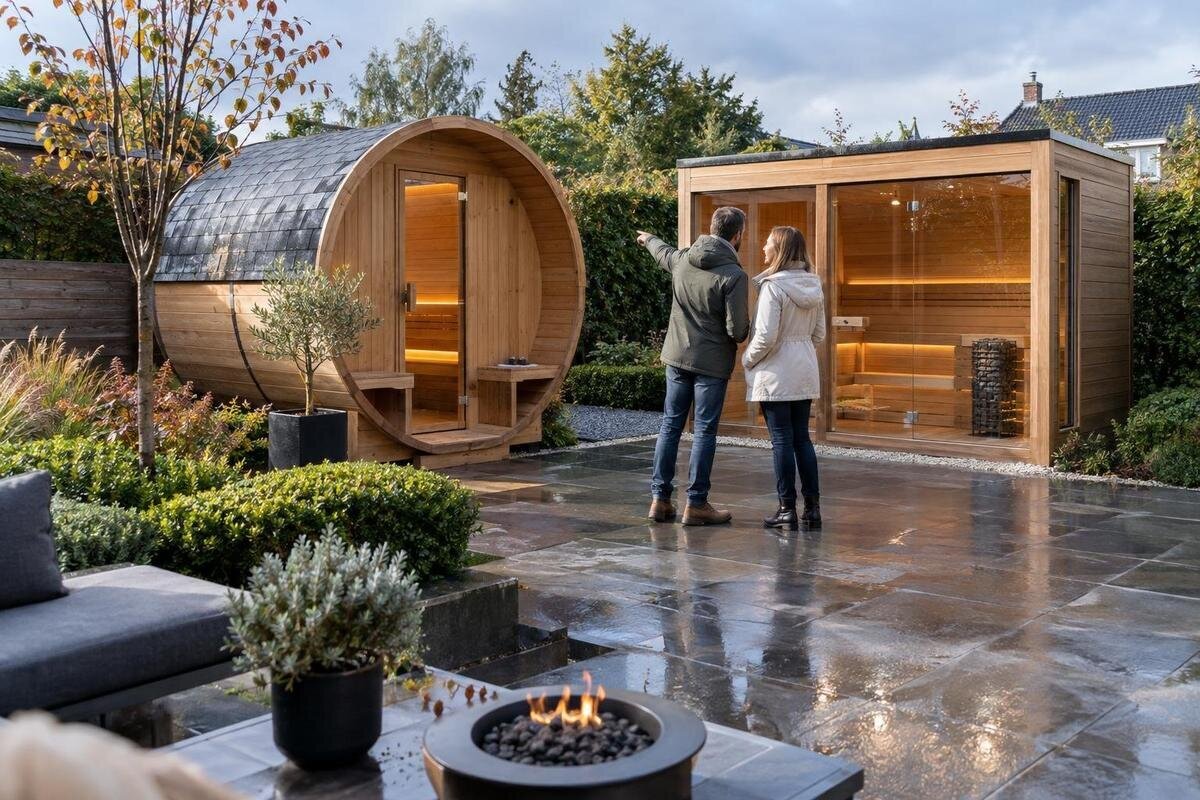
Sauna buying guide
If a sauna will be used regularly, small inconveniences become part of the routine. A tight bench, confusing controls, a long or unpredictable warm-up, or a complicated clean can matter more than a feature that looks impressive on a product page. Buying well is not simply choosing the biggest cabin or the longest list of options; it is matching usable space, heating information, controls, site requirements and upkeep to the people who will use it. Start with an ordinary week, then check each option against published specifications and installation information. This guide focuses on the details worth settling before you place an order.
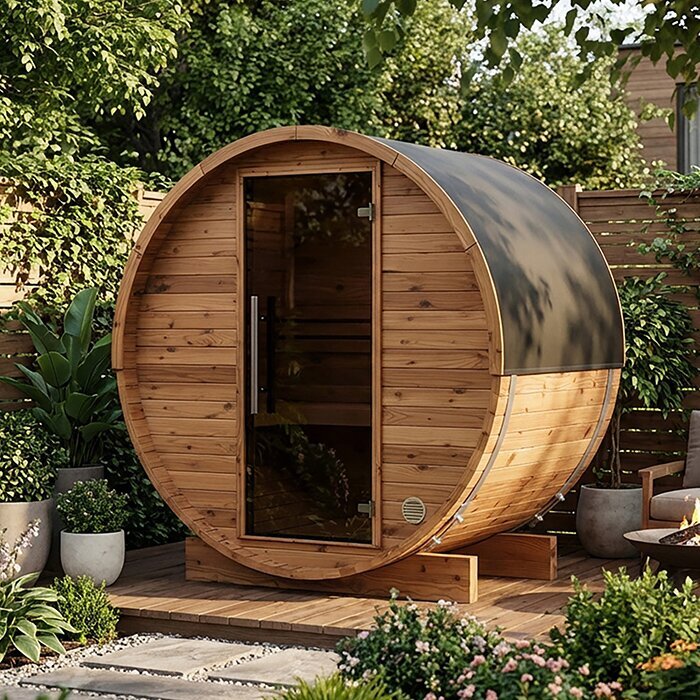
Before you buy 1
Start with your regular routine
Define frequent use in terms of your household rather than assuming it means the same thing to everyone. Note how many people are likely to use the sauna at once, how often they expect to use it, and whether they will take turns during one visit. Include the usual start times and how much time you can allow for preparation; those details affect the practical value of heating and control features. You do not need to forecast every exception. A typical week and a busier one are enough to show whether your main priority is a quiet solo routine, shared capacity or a quick changeover between users.
Turn that pattern into a short priority list: simultaneous capacity, preparation time, ease of repeat operation and the work needed to clean between users. Separate essentials from desirable extras so a display or accessory does not distract from a cramped room or awkward schedule. When you compare the Thermowood Barrel Sauna S 140 listing, look for stated seating capacity and internal measurements rather than drawing conclusions from a product name or image. If those details are missing, request the specification or plan and apply the same questions to each alternative. Rank the answers by how often they will affect your routine.
Compare capacity with usable bench space
Capacity is more than a headline number. Ask how the stated user count was determined and compare it with the internal dimensions, bench lengths and arrangement. A room might technically accommodate a given number yet feel crowded if people cannot sit in their preferred positions or move comfortably; the count alone does not show whether there is room to stretch out. Two saunas with the same stated capacity may offer different layouts. If lying down matters to your household, check that specific requirement against a plan rather than assuming a standard bench will suit. Look for usable floor area and internal height too, where these are provided.
Measure the proposed location against the sauna’s external dimensions, not the size of the room inside. Allow for opening the door, reaching the entrance and carrying out routine cleaning or servicing; check ceiling height and the route from the delivery point as well. The HC150 Thermowood Barrel Sauna page can be one reference when comparing published plans, but do not assume a model code explains capacity. If a drawing is not supplied, ask for one before treating the sauna as a fit. This matters particularly where walls, gates, steps or tight turns restrict access.
Before you buy 2
Check the site and access route
Check the full footprint and height against the proposed site, including room around the entrance and any space needed for regular care. Indoors, consider ceiling clearance, doorways and how the sauna relates to the room’s other uses. Outdoors, confirm that the product is intended for the location and exposure you have in mind; do not infer suitability from a photograph or a general category label. Think through the entire route from the delivery point to the final position, including narrow passages and level changes. Plan where people can change and leave towels or clothing without blocking access. A sauna that fits on paper can still be difficult to deliver or assemble if those details are overlooked.
Before ordering, ask for an installation drawing and written site requirements, including any specified preparation, access or service clearances. Coordinate the intended position with the installer so ventilation and the planned electrical supply can be assessed for that site. Do not try to size a support or electrical connection from a product image; have the relevant professional confirm what is required. The Thermowood Barrel Sauna HC 225 listing is one page to review for published dimensions and installation information. Request anything missing before finalising the location, and make sure the installer is working from the same information as you.
Assess heating performance for repeat use
With frequent use, heating performance affects the rhythm of each session. Compare the manufacturer’s declared heater requirements and sauna-room compatibility, along with any published warm-up time and the conditions behind it. A time measured from a cold start at a stated ambient temperature cannot automatically be compared with a figure that leaves out its starting conditions. Ask whether the data describes a cold start, a maintained room or another test setup. If your household may use the sauna in succession, check how the instructions describe repeat operation and any pause between uses. These details are more useful than a power figure on its own.
Treat the sauna and heater as a specified combination, not something to pair by guesswork. Confirm whether a heater is included, its exact model and the components supplied, then check compatibility against the manufacturer’s written guidance. If heating equipment is selected separately, obtain the sauna’s requirements before choosing it; do not use a rule of thumb or model code as a substitute. Review the N 210 Thermowood Sauna product page for any stated heater information, and ask about gaps. Have a qualified electrician or installer confirm the electrical and installation requirements for the selected setup, including that any named controls match the chosen heater.
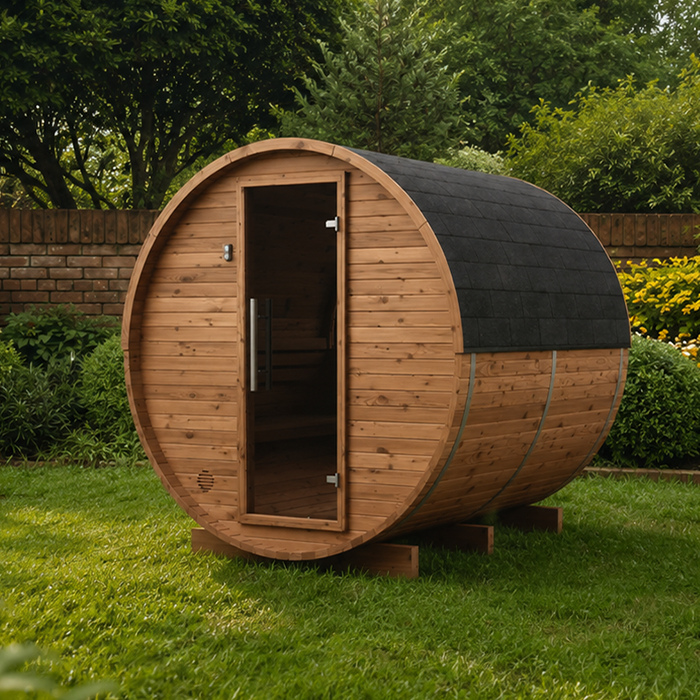
Before you buy 3
Choose controls that are easy to use
Controls matter most when they make the usual routine straightforward for everyone who will operate the sauna. Check how the system starts and stops, how settings are adjusted, and whether the display and instructions are understandable to each user. If several people share the sauna, a consistent way to operate it can reduce uncertainty between sessions. Consider whether someone unfamiliar with the system will use it too. Where the supplier publishes control details, compare what each function actually does rather than choosing by the number of buttons. Ask to see the manual or a clear control description before assuming a feature is available.
Timers, delayed starts, remote controls or app functions may suit some households, but they are not automatic advantages. Confirm whether each is included or optional, which heater it works with, whether a network or separate component is required, and what limits the manufacturer places on its use. If a connected function matters to you, ask what happens when the network is unavailable and whether ordinary controls remain usable. The Thermowood Barrel Sauna N 250 listing can be checked for disclosed control details; if a function is not specified, request written confirmation rather than inferring it from the product name.
Consider insulation and running costs
Energy use deserves attention because regular sessions make operating patterns more important over time, but no single insulation claim guarantees a particular bill. Ask what is specified about the walls, roof, door and seals, and whether the information describes tested performance or simply the materials used. Find out which surfaces any insulation data covers, including whether doors or seals are included. Insulation and construction affect how a sauna holds heat, while actual consumption also depends on the selected heater, warm-up, session length, standby use and surroundings. Treat a vague phrase such as energy-efficient as a prompt for evidence, not as a forecast.
For cost planning, request energy-use estimates for a typical session and the assumptions behind them, including the heater and operating period. If the supplier cannot give a comparable estimate, use verified appliance data and your own electricity tariff with help from the supplier or a qualified adviser; avoid presenting a precise annual figure based on guesses. Think about how many sessions you realistically expect, not an idealised schedule, and include standby consumption only if it is documented. While looking at the LC 260 Thermowood Sauna page, note which energy and construction details are stated and ask about anything unclear.
Before you buy 4
Check materials and construction details
Frequent use means benches, door hardware and interior surfaces are handled repeatedly, so ask what the main components are made from and how they are finished. The specification should identify materials by area rather than relying on a broad label, and explain whether any finish needs periodic care. Descriptions should distinguish bench-contact surfaces, cladding and trim where those materials differ. Ask which cleaning methods are approved and whether routine care changes the finish. If a seller uses a timber or treatment term, verify what it refers to in the actual construction; do not assume a product name explains every surface, joint or fastener.
Look for information about bench construction, door operation, fixings and the parts that may need adjustment or replacement over time. These details help distinguish a first impression from a design you can care for after months of regular use. Read maintenance conditions alongside any written warranty terms; do not assume coverage or durability from general wording. Ask whether commonly replaced items can be identified and ordered separately. The Thermowood Barrel Sauna HCF 300 listing identifies a particular product, but selection should rest on its documented materials and care instructions. Request those details if the page leaves them unclear.
Understand the ventilation requirements
Ventilation is part of the sauna’s operating design, not a detail to improvise after the room is in place. Ask for the manufacturer’s ventilation plan and follow the arrangement specified for that sauna and heater. You should know where openings are intended to be, whether they are adjustable, and what must remain unobstructed, without guessing at vent sizes or moving them independently. For frequent use, also ask how the room should be aired and allowed to dry between sessions. Do not assume the layout from another model is appropriate; the instructions should be clear enough to pass to the person installing the sauna.
Check whether the ventilation guidance accounts for the intended installation setting and whether any components or clearances are part of the specification. If the page shows only a picture, request the manual or a drawing rather than copying the position of vents from a different sauna. The LCF 300 Thermowood Sauna page is a product reference to examine for published ventilation and installation details, not evidence that a particular layout will suit your site. Have an installer resolve uncertainties before the order fixes the design, and make sure they have the relevant instructions.
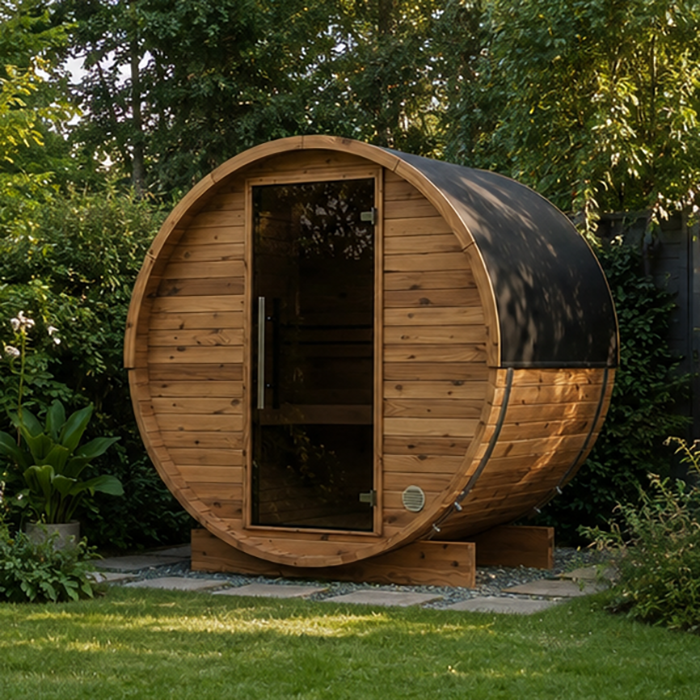
Before you buy 5
Plan for cleaning and routine maintenance
Cleaning time is part of the day-to-day cost of frequent use. Before buying, read the care instructions for benches, floor, interior surfaces and accessories, including which products or methods the manufacturer permits. Do not assume that a timber surface can be washed or treated in the same way as another finish. Ask how moisture should be managed after use and what routine is needed before the next session. Find out which tasks are expected after each use and which are periodic. Clear advice makes it easier to decide whether the upkeep will fit your household’s schedule.
Check how easily the surfaces that need regular care can be reached, and whether any parts are intended to be removable; verify these points in the specification rather than assuming. Ask which components can be replaced, whether spare parts are identified and how support works if routine wear develops. Cleaning access may matter as much as the material itself, particularly around edges, beneath benches or in corners. Ask whether the care instructions specify any drying interval before reuse. A written maintenance schedule helps you compare the time involved as well as the visible features.
Confirm what the order includes
Before placing an order, match the written quote to the setup you expect to use. Confirm exactly what is included, such as the heater, controls and any stated accessories, and separate optional items from those required for operation. Ask specifically about any heater components listed by the supplier rather than assuming they are part of the package. Check whether delivery, unloading, assembly and installation are included or arranged separately; a product image does not show everything supplied. Ask what preparation is your responsibility and what a qualified installer will need to confirm. A clear specification and inclusion list can prevent surprises after delivery.
Compare the full cost of ownership rather than looking only at the displayed product price: include any separately quoted delivery, preparation, assembly or professional installation, and consider documented energy and maintenance needs. Check the delivery conditions against the access route you have measured, and read the seller’s applicable terms for changes, returns and aftercare before you commit. Keep your questions and the answers with the product details you are comparing. If a crucial figure or inclusion remains ambiguous, resolve that point first; a confident choice depends on knowing what arrives and what remains to be arranged.
Frequently asked questions
How many people should a sauna accommodate for frequent use?
There is no universal number. Decide whether people will use it together or in separate turns, then compare the stated capacity with internal measurements and bench layout. A seat count cannot show whether each person has room for their preferred position or whether someone can stretch out. Use a plan to check the dimensions, and avoid buying more floor space than you need just to meet a nominal capacity. Your ordinary household pattern is the useful measure.
Does frequent use mean I need a more powerful heater?
Not necessarily. Frequent use makes predictable operation important, but a larger heater is not automatically the right choice. Ask the sauna manufacturer to identify a compatible heater and its recommended room range, then compare warm-up information and the conditions behind it. If the heater and sauna are selected separately, get the pairing confirmed in writing and ask a qualified electrician or installer to check the setup requirements.
Which controls are worth paying for?
Choose controls by how people will actually operate them. Clear start and stop instructions and straightforward settings may be more useful than remote functions no one needs. If you are considering a timer or app, confirm whether it is included or optional, compatible with the heater, and dependent on a network or separate component. Ask what remains usable if a connected feature is unavailable, and review the control instructions before ordering.
How can I compare sauna running costs?
Request published energy data or an estimate for a typical session, with the heater, warm-up period, use period and any standby assumptions stated. Compare alternatives on like terms, then consider your expected number of sessions and current electricity tariff. A product name or power figure alone does not provide an annual cost. If the assumptions are unclear, ask the supplier to explain them rather than relying on a precise-looking estimate.
What maintenance should I expect from a frequently used sauna?
Ask for the manufacturer’s cleaning and maintenance instructions before buying. They should explain how to care for benches and interior surfaces, which methods are acceptable, and which tasks are needed after use versus periodically. Check how easily the areas requiring routine care can be reached and whether wear parts are identified. With frequent use, cleaning and drying time becomes part of the schedule, so include that workload alongside capacity, heating and energy use.
Frequent use is best served by a sauna that suits the way your household actually uses it: enough usable bench space, heating and controls matched to documented specifications, a site that works, and maintenance you can realistically keep up with. Rank those needs against your usual week, then compare written dimensions, energy data, ventilation and care instructions, and order inclusions. A sauna with fewer extras may be the better choice if it meets those practical needs; a longer feature list helps only when each item solves a real problem in the routine.
