
Buying a Sauna Kit: Assembly Requirements and Common Omissions
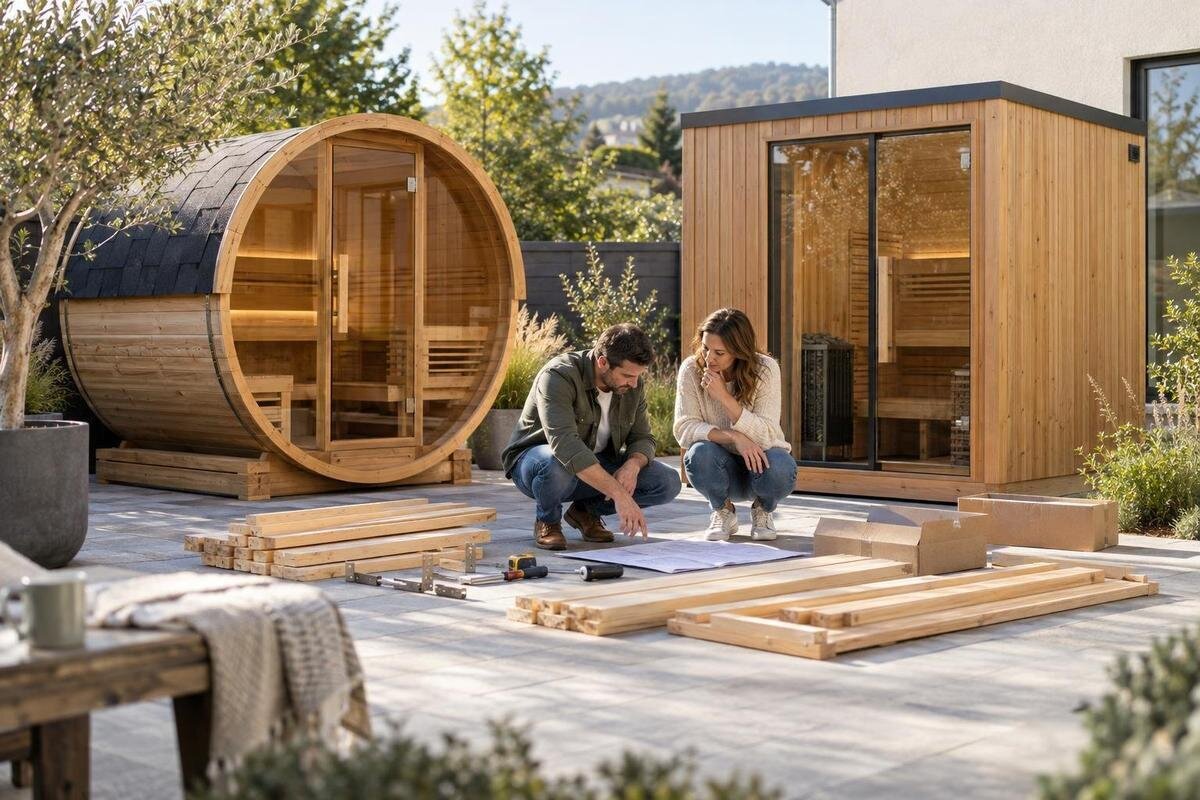
Sauna buying guide
Buying a sauna kit is as much about the work and contents as it is about the finished cabin. A kit description may not include every part needed for assembly or operation, and an image of a complete sauna does not settle what arrives in the package. Before choosing, find out which components are supplied, what preparation and trades are needed, and who is responsible for the remaining tasks. The checks below help you compare the actual package with your site, skills and budget.
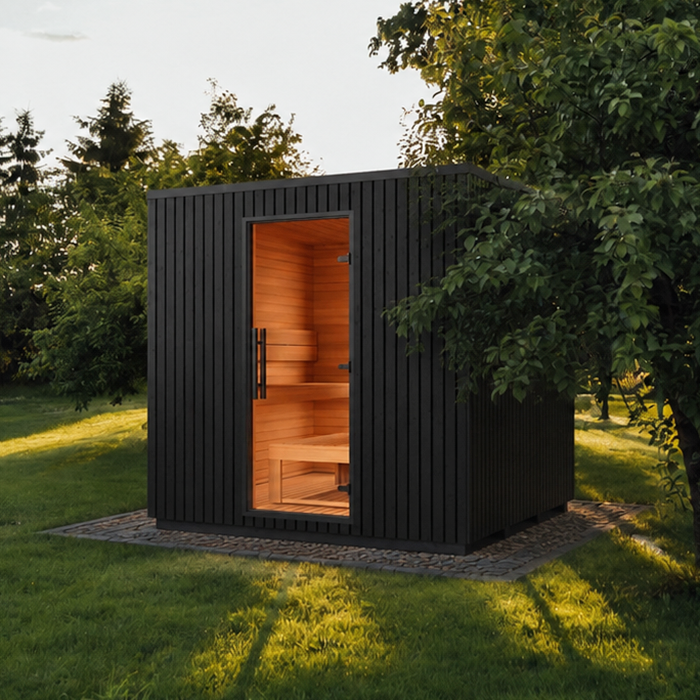
What “sauna kit” means on a product page
The word “kit” is not a reliable contents list. Depending on the supplier and chosen configuration, it may describe a set of cabin components rather than a sauna that is ready to use; the label alone does not establish whether a heater, controller, stones, floor elements, lights or every fitting is supplied. A polished product photograph can show a complete-looking sauna without identifying what arrives in the package. Treat the product name, product page and itemised contents list as separate information. For a model such as the Thermowood Barrel Sauna S 140 page, ask which exact version and package the answer covers, rather than assuming the pictured arrangement is the one being sold.
Look for each item to be marked clearly: included in the selected package, an optional extra, not included, or shown for illustration only. If the page is silent, do not read that silence as inclusion. Make two lists—what the supplier will provide and what you must buy or arrange—and mark anything awaiting confirmation. Check whether selecting an option changes the package, and whether accessories apply to the same model. Use the final selection shown at checkout, not an assumed default. This distinction helps avoid finding that a component or service needed to complete assembly or operate the sauna was budgeted separately.
Read the assembly instructions for the exact configuration
Before buying, ask for the assembly guide for the exact sauna and configuration. A manual for a similar design may not cover the same components or sequence. Read the parts list and order of work, not just an illustration of the finished sauna. Check stated tool requirements, handling instructions, preparation or finishing steps, and whether any work by a qualified trade is identified. If guidance is not available online, ask what documentation comes with the order and whether you can review it beforehand. A page such as the HC150 Thermowood Barrel Sauna listing identifies the model to ask about; its name alone says nothing about the assembly method.
Turn the guide into a task list. Note which jobs depend on earlier preparation, whether the instructions call for particular tools or materials, and where a skill or trade is needed. Check for labelled diagrams, numbered components and a parts list that matches the selected configuration. If a step is unclear, ask for an explanation before ordering rather than relying on a video for a different sauna or guessing from a photograph. Any assembly time estimate is useful only if you know what it covers: ask whether it includes preparation, fitting the kit, finishing work or only the assembly itself.
Decide who will assemble the sauna
Self-assembly may suit some buyers, but the useful test is whether you can complete the work described for that particular kit—not whether you have assembled furniture before. Compare the instructions with your experience, available tools, time and ability to handle the components safely. Ask whether the manual specifies particular handling arrangements or recommends a professional installer; do not infer that from the product image. If Thermowood Barrel Sauna HC 225 is on your shortlist, refer to that exact model when asking what the assembly involves and what preparation is expected.
If you plan to hire someone, confirm that the installer has agreed to work on the particular kit and that the quotation covers the tasks you expect. “Assembly” may not cover site preparation, missing parts, heater work, electrical work or packaging removal, so have the scope written down. Ask who supplies tools and consumables, who checks that the parts list is complete and what happens if a component is damaged or absent. Do not assume that an installation service or contractor is included with the sauna; have any separate service and its cost confirmed for your order.
Check the site and base requirements
The finished footprint is only one part of site readiness. Use the drawing and instructions for the selected model to check the space and clearance needed for assembly and later access. Allow for room to work around the components, rather than planning only for the outline of the completed sauna. Consider where the parts can be placed during assembly and whether the door or other moving parts can be used as intended. Requirements can differ between designs and between indoor and outdoor settings, so do not copy assumptions from another sauna or infer what is needed from a product photograph.
Ask whether a base, floor, support, anchoring pieces or other site components are supplied or must be prepared separately. The manufacturer’s directions and the conditions at your property determine what is suitable; a photograph of a finished installation does not establish how its base was built. If you are unsure about the supporting surface, ground conditions or building work, ask a qualified builder or other relevant professional to assess them. Keep preparation separate from kit assembly in your budget and schedule. For the Thermowood Barrel Sauna N 210, request the requirements for the exact product rather than inferring them from its name.
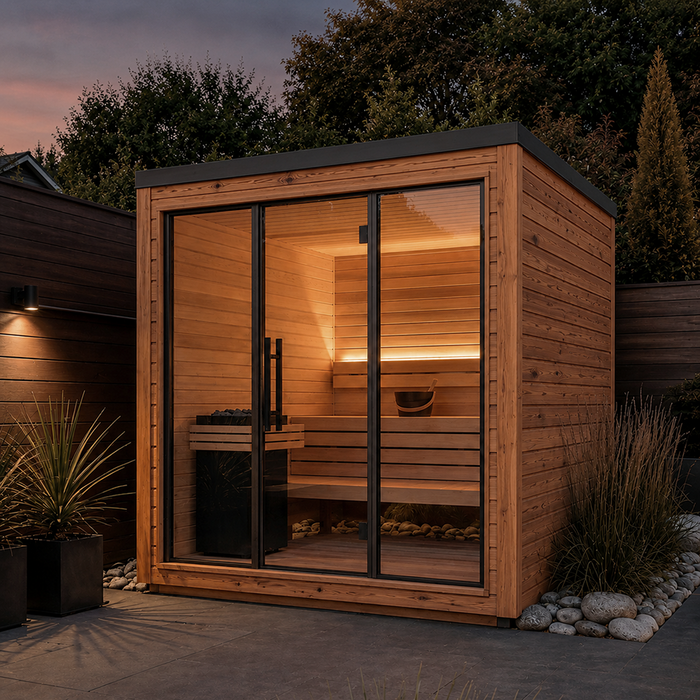
Match the contents list to the parts diagram
Turn the package description into a component check. For the cabin, establish which wall or roof sections, floor elements, benches, backrests, door and any windows are supplied, and compare the list with the model drawing. These are examples to verify, not a standard set promised with every kit. Check that the contents list gives quantities where relevant and identifies separately sold parts. If the product has configurable options, make sure the list matches the option you intend to order, rather than a generic image or base configuration. The Thermowood Barrel Sauna N 250 listing can identify the model you are asking about; its identity alone does not establish what is in the package.
Check the less visible pieces that join or finish the main components: fasteners, brackets, trim, seals, hinges, latches and any ventilation parts specified by the design. Ask which are supplied and whether the quantities are for the chosen configuration. If the manual refers to numbered bags or parts, compare those references with the contents list; a broad term such as “hardware” may not tell you what is included. Ask before accepting a substitution, and save the final list with your order confirmation. It gives you a useful reference when unpacking and a clear record of what the supplier said would be supplied.
Confirm the heater and electrical scope
Clarify whether the heater is included, optional or to be selected separately; do not assume that a cabin package comes with one. If it is separate, ask for the exact heater model and which controls or other components are supplied with it. Stones, sensors, a guard, lighting or a control unit may be listed separately, so check each item instead of relying on the word “heater”. Verify compatibility against the sauna and heater manufacturers’ documents before buying accessories. If the Thermowood Barrel Sauna LC 260 page is on your shortlist, use its exact model name when asking which package and equipment options apply.
Electrical requirements depend on the selected equipment and the property. Ask a qualified electrician to assess what supply and installation are appropriate, and confirm what the electrician’s quotation covers. Follow the manufacturers’ documentation rather than online guesses or specifications for an unrelated model. Do not treat a cable, plug or connection as included or suitable unless the product documents say so and the electrician agrees. Establish who will arrange the work and when it needs to happen in relation to assembly. That scope matters to the purchase: the cabin can arrive while essential professional work is still unplanned.
Check small parts and optional accessories
Separate items needed for assembly or operation from extras chosen for convenience. A bucket, ladle, thermometer, lighting, headrests or other accessories may be optional; whether they are supplied should be stated rather than inferred from a staged photograph. Finishes can also be unclear: ask whether any protective treatment or roof covering, where relevant to the design, is part of the package or must be arranged separately. Use the product’s own care instructions when considering a finish or treatment, rather than relying on a generic recommendation. For the HCF 300 sauna product page, tie each accessory or finish you ask about to the selected configuration.
Ask whether the manual names loose parts or consumables needed for assembly, such as screws, seals, adhesives, sealant or trim, and whether they are in the package. Not every item applies to every design or assembly method, so use the instructions rather than buying a generic bundle. Note any tools or materials you must supply, too. Put each item in one of three categories— included, optional or arrange separately—and record who confirmed it. This catches possible omissions without treating them as universal: it can prevent both duplicate purchases and the opposite problem of finding that a small but necessary item was assumed to be in the box.
Separate kit supply from installation services
A completed project can involve separate purchases and separate people, so map out who is responsible for each part. Ask what the supplier provides, what an assembly contractor supplies and what a builder or electrician must arrange. If a service is offered, clarify whether “assembly” covers unpacking, preparation, fitting the structure, heater work, commissioning or cleanup; do not infer its scope from a short label. When asking about the Thermowood Barrel Sauna LCF 300, use the exact product name so the reply applies to the configuration you mean rather than another model.
Check that the order paperwork identifies the selected configuration and its contents, and that any separate service quotation states the tasks and materials it covers. Clarify who coordinates work that depends on another task being finished, and who deals with a missing component or an incompatibility. If options have been added, make sure they appear on the order rather than only in a conversation. Read the seller’s stated process for reporting damage or missing parts, along with relevant cancellation or return terms, before placing the order. These details vary, so rely on the paperwork for your purchase rather than assuming a particular policy or division of responsibility.
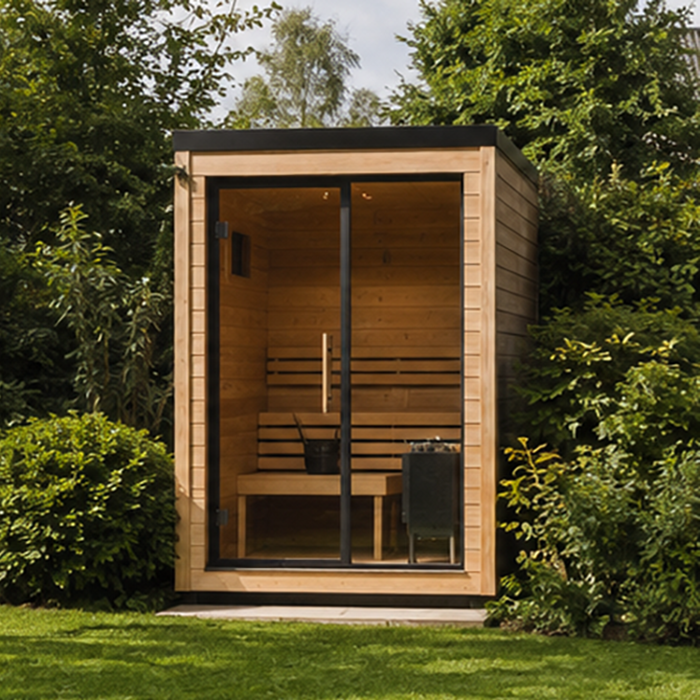
Compare the full project cost
A kit price does not make two plans directly comparable if one includes equipment and the other does not, or if assembly is treated differently. Build a line-by-line budget that separates the sauna package from any heater and controls bought separately, required accessories, site or base preparation, assembly, electrical work, tools and consumables. Add other services that are relevant to your own plan, such as delivery or placement, only once you have established what is included. Mark uncertain items as quotations to obtain rather than guessing, and do not add every possible extra before checking which are needed for the chosen model.
Compare packages on the same assumptions: note the contents, exclusions, configuration and expected work for each, then obtain separate quotations where needed. Ask providers to itemise labour and materials and to identify anything outside the quote. A lower initial price may leave more components or work to arrange; a package with extras may include items you do not need. The useful comparison is the cost of the setup you actually intend to assemble and operate, with uncertainties visible. Do not assume a price or saving from a headline figure; use current, model-specific costs for your own project.
Make a written checklist before ordering
Before checkout, make a record of the exact model and configuration, the complete contents list, the assembly manual, tools and skills required, site and base conditions, heater and control scope, and any separate professional work. Include accessories and consumables only after you know whether they are required or optional. Ask unresolved questions in writing, particularly whether a component is included and whether the answer applies to the configuration you selected. If a package is described as a bundle, ask what the bundle contains rather than assuming it includes every item in your plan. Keep the reply, quotation and checkout summary together.
For every item, write included, not included, optional or awaiting confirmation; do not leave a blank that might later be mistaken for an answer. Make sure the assembly requirements fit the intended location and your plan for completing the work, and have relevant professionals review tasks outside your competence. Recheck the total once separate costs are counted. If an essential point remains unresolved, pause before committing instead of filling the gap with an assumption. The best fit is the kit whose documented contents and assembly demands match your plans, budget and ability to arrange the remaining work.
Frequently asked questions
What does a sauna kit include?
There is no dependable one-size-fits-all contents list. A kit might cover cabin components without including equipment or installation work. Check the itemised list for the exact model and configuration, and ask what is optional, excluded or shown only for illustration.
Is a heater always included with a sauna kit?
No. Confirm whether the heater is included, optional or sold separately. Check the controls and other equipment listed for the selected package, and verify compatibility against the manufacturers’ documents. If electrical work is needed, ask a qualified electrician what is appropriate for your property.
Can I assemble a sauna kit myself?
It depends on the instructions for the exact kit, the work involved and your skills, tools and ability to handle the components safely. Check the manual before deciding, and identify any tasks that need a qualified professional. Do not assume an assembly service is included.
What items are easy to overlook?
Possible gaps include fasteners, seals, trim, tools, site preparation, a heater, controls and professional work. These are not necessarily missing from every kit. Compare the manual and contents list, then ask about anything the documents leave unclear.
What should I confirm in writing before ordering?
Get the selected model and configuration, complete contents list, assembly instructions and exclusions confirmed. Clarify the heater and electrical scope, site requirements, any separate assembly services and the cost of items you must arrange yourself. Keep the reply with the order details.
A clear contents list shows what you are buying; the assembly manual shows what the work asks of you; written quotations expose tasks and costs left outside the kit. When those details line up with your site and plans, you can compare options on a sound basis. Any unresolved part, task or responsibility is useful information too: it shows what needs clarifying before you commit.
