
Buying an electric outdoor sauna: checking the power supply
Sauna buying guide
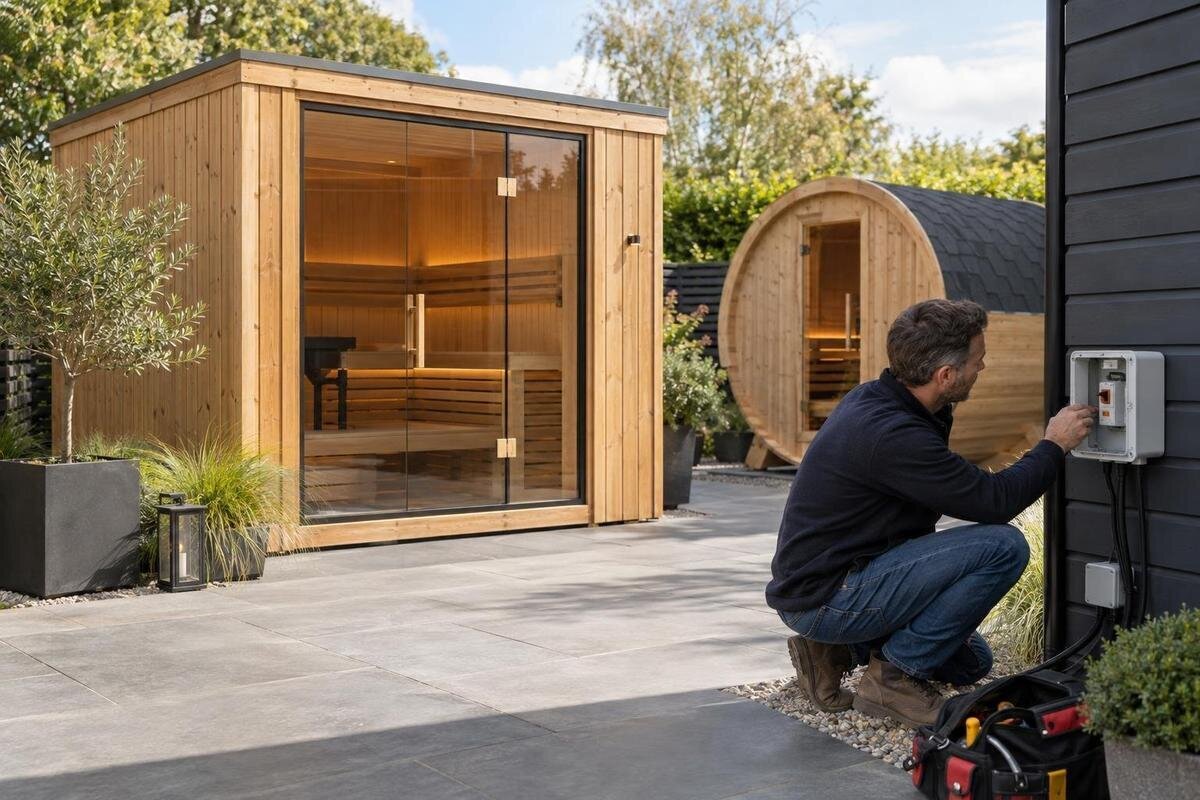
An electric outdoor sauna is a straightforward purchase only when the heater’s requirements can be met at its intended location. A nearby socket, a model name or the word electric does not establish that your home’s supply is suitable. Before choosing, find out which heater and controls apply to the exact sauna, obtain the manufacturer’s electrical information and ask a qualified electrician to assess your property and the proposed outdoor location. That assessment gives you a basis for comparing models, understanding any work that may be needed and deciding whether the order makes sense before delivery.
01
Check what the sauna listing includes
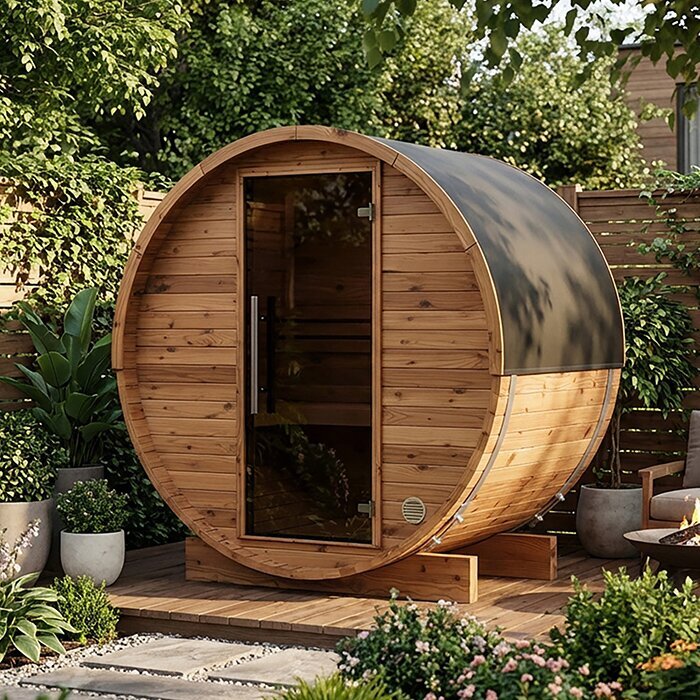
An electric outdoor sauna may be listed with an included heater, with a heater sold separately, or with a choice of options. The word electric alone does not tell you which applies. Check the written product details to establish what is included, what must be ordered separately and whether controls or other electrical components are part of the quoted package. Also ask whether any heater option shown is the exact version recommended for that sauna. The supply assessment needs to relate to the equipment you intend to buy, not a placeholder or an assumption. If the listing is unclear, ask the seller to identify the heater model before you compare electrical requirements.
A product page such as the S 140 sauna listing identifies a candidate to ask about; it does not make the electrical details self-evident. Save the exact product name and variant, selected options and the seller’s reply together. Check that each document refers to that same configuration, rather than to a similar sauna or an optional heater that is not in your order. A general statement that a sauna is electric, or that a heater can be fitted, still leaves questions open. When the page and documentation differ or omit a detail, request written clarification instead of inferring it from photographs, model numbers or another product’s specifications.
Get the heater’s electrical information
The key document is the manufacturer’s specification for the heater intended for the sauna. Look for its rated input or power, stated supply voltage, whether it is specified for single-phase or three-phase supply, and any current, circuit or connection requirements the manufacturer gives. The instructions may also identify control equipment and conditions that apply to the heater. Check that the document covers the precise heater version and control arrangement being offered; a different option may mean different details need to be assessed. Ask the seller or manufacturer for missing information in writing and keep it with the sauna listing. A figure for another version is not a reliable basis for checking your home.
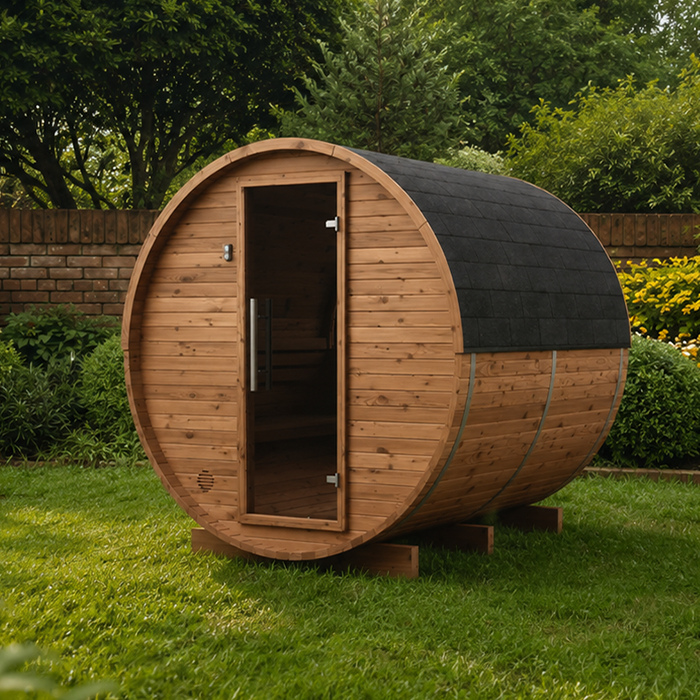
Use those figures as information for your electrician, not as an invitation to size a circuit or choose protective equipment yourself. Do not estimate a suitable connection from the sauna’s dimensions, the heater’s appearance or a headline power figure. For the HC150 Thermowood barrel sauna page, the useful question is whether the page or supplier can identify the exact heater and provide its requirements; the model label alone cannot answer that. Record the stated values and mark anything missing rather than guessing from a similar listing. This makes the electrician’s review more focused and exposes information gaps before you commit to a particular version.
02
Have your home’s supply assessed
A heater specification describes the equipment; it does not show how much capacity is available in your home. A qualified electrician can assess the incoming supply, existing installation and other loads that may run at the same time, then advise whether the proposed sauna setup can be accommodated. Other electric heating, cooking appliances, water heating or vehicle charging may matter if they are used concurrently. Describe how you expect to use the home rather than making your own load calculations or assuming equipment will never run together. The assessment should be based on your property and its existing installation, not on a house type or a neighbour’s experience.
Do not treat a spare switch in the consumer unit or fuseboard, an old circuit or a socket near the garden as proof that capacity is available. Those details may be useful to mention, but they do not replace a professional assessment of the complete arrangement. Ask for a clear answer tied to the exact heater: suitable as it stands, potentially feasible with further work, or not advised. If the conclusion depends on assumptions about what else may be in use, ask the electrician to explain them in plain language. Use the HC 225 model listing to identify the candidate, not as evidence that your home can supply it.
Include the outdoor location in the assessment
With an outdoor installation, discuss the location and proposed route as well as the heater rating. Exposure to weather, physical access, the path between the home and sauna, and planned landscaping are site facts for the electrician to consider alongside the manufacturer’s installation guidance. Share the intended position, nearby structures and any planned changes so the assessment relates to the real site. There is no universal cable route or connection plan for a buyer to copy. A sketch or photographs may help explain the location, but they are context for a professional assessment, not a design to follow yourself.
Ask which outdoor-use conditions the product instructions specify and have the electrician confirm how the complete installation will account for them. This may include the position of controls and the planned connection, but exact placement and protective arrangements are professional design matters, not a list of parts for you to install. A page such as the N 210 sauna page is a prompt to request information for that particular model, not evidence about its electrical rating or suitability for your location. Keep the manufacturer’s instructions available when discussing the site, and tell the seller if the intended position or accessories change.
03
Plan the sauna position and route together
Set a provisional sauna position before asking for a final assessment, because moving it may change the route and work being considered. Mark where you expect the unit to sit, how an electrician and installer could reach it, and where a route may need to pass in broad terms. Note fixed paths, walls, planting, planned paving or other site features that could affect access or work. The aim is not to map a cable route yourself; it is to give the electrician enough context to assess whether the preferred position is practical and discuss alternatives while the purchase is still flexible. If several locations are possible, say which one you would prefer.
Ask whether the proposed route has been included in any estimate and what assumptions it makes. A short, accessible route and a longer or more complicated one may not be interchangeable, so a generic allowance should not be treated as confirmation of the actual job. If the garden layout or chosen position is likely to change, mention that before treating a quote as final. Bring product information for the N 250 sauna listing if it is under consideration; identifying the precise model keeps the discussion tied to one configuration, while the electrician determines the route and work. Mention any access constraints before work is scheduled.
Confirm the heater suits the sauna
Do not let the available household supply push you towards a heater that is merely convenient on paper. The sauna maker’s guidance should identify which heater models are compatible with the exact sauna and how to select one for it. The heater’s power figure alone cannot establish that it is suitable. Ask how the maker’s guidance applies to the version and options you are considering rather than using a generic rule or selecting by a single number. A heater with different electrical requirements is an alternative only if the manufacturer confirms that it suits the sauna and the electrician confirms the proposed supply arrangement.
Keep two questions separate, then bring them together: which heater is specified for the sauna, and can your home supply that exact unit at the chosen site? If the heater changes, repeat the electrical review using its own documentation rather than carrying over a previous answer. If the sauna model or options change too, ask for compatibility to be confirmed again. A page such as the LC 260 sauna page identifies a candidate; ask the seller or manufacturer to confirm any heater pairing rather than inferring it. Written confirmation should name both the sauna and heater versions.
04
Compare the full electrical work and cost
Compare the whole project, not just the sauna listing. Check expressly whether the quoted product includes the heater, controls and other components you need; do not assume that electrical work or changes recommended after an assessment are included. Ask the seller what is supplied and ask the electrician for an itemised estimate based on the exact heater and intended position. The estimate should make clear what it covers, such as a site visit, materials and labour, and what remains outside its scope. Ask whether access, route changes or related site work affect the estimate instead of assuming every task is included.
To make quotations comparable, give each electrician the same heater documentation, proposed location and description of the existing installation, and ask each to state assumptions and exclusions. If more information is needed, find out what would settle it; a firm assessment and a rough estimate using a different route are not like-for-like. For the HCF 300 product page, as for any candidate, first establish the exact equipment covered, then request an estimate for that setup. You can weigh the full commitment against your budget without treating a generic figure as a prediction of the work at your property.
Resolve open questions before ordering
Electrical questions are easier to resolve while the order is still flexible. Before finalising a purchase, collect the product information, exact heater identification, full electrical data and any maker guidance for the sauna-heater combination. Share those documents and the proposed site position with the electrician. Ask whether an initial view can be given from the documents or whether a site visit is needed, and what that view does and does not cover. A document-only review may help identify missing information, but it should not be treated as a full site assessment if the route or property has not been considered. An early check can reveal a mismatch before delivery.
Write down outstanding questions and who is responsible for answering them. Tie the LCF 300 listing to the precise heater and options in your quote; if the final order changes, tell the seller and electrician before relying on the earlier assessment. Confirm who supplies separately listed equipment and who arranges the electrical work, then keep the final product documents and professional advice together. This record reduces the chance that an installer is asked to assess a different heater or position from the one discussed during the purchase. If a substitution is proposed, request updated confirmation.
05
Compare models using the same details
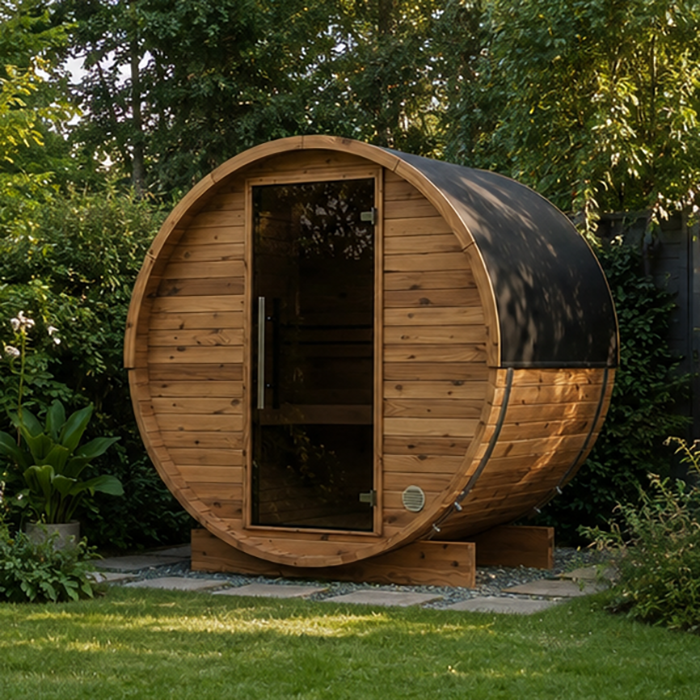
When comparing saunas, use the same fields for each: exact sauna version; exact compatible heater; the manufacturer’s rated input and supply details; any stated circuit or connection requirements; which components are included; and whether an electrician has assessed the home and site for that option. Mark each item as confirmed, to be requested or not yet assessed rather than filling gaps by guesswork. Do not rank options by a power figure alone; the other stated supply requirements and your household assessment matter too. If one listing gives less detail than another, treat that as an unanswered question, not proof of lower demand or easier installation.
Ask the seller for product-specific documents rather than reassurance based on a similar sauna or different heater. Ask the electrician to use those documents and identify any assumptions about household loads or the site route. Once both views are available, weigh them alongside layout, intended use and your other buying preferences; a model that fits the garden still needs a workable electrical plan. Supply compatibility is a threshold for a viable choice, not a substitute for deciding whether the sauna suits your routine. If details remain incomplete, compare what is known and keep that option provisional.
Decide what to do if the supply is unsuitable
If the electrician says the present arrangement is not suitable, treat that as a decision point rather than trying to work around the advice. Ask whether a professionally designed change to the home’s supply or installation could make the exact sauna viable, what would need to be assessed and what a separate written estimate would cover. This is not a promise that an upgrade is possible or worthwhile; feasibility depends on the property and proposed equipment. Keep the seller involved if the heater or sauna options may change, so the new combination is confirmed before you revise the order. Ask for the reasons in plain language if you are weighing alternatives.
If the assessment rules out the setup, or the work does not suit your budget or plans, pause and compare another configuration using current manufacturer information. Any alternative heater still has to be specified for the sauna and checked against your home’s supply; do not assume that a lower electrical rating is automatically compatible or suitable. The relevant decision is whether the full combination—the sauna, heater, property and site—has a professionally reviewed plan. That is a sounder basis for ordering than hoping the installation can be resolved after delivery. If key information is still missing, keep the purchase decision open.
Frequently asked questions
Which heater details should I request?
Ask for the manufacturer’s information for the exact heater: its rated input, supply voltage, phase requirements and any stated current, circuit or connection requirements. Confirm which sauna and control configuration the information applies to. If details are missing, ask the seller or manufacturer for them in writing. A qualified electrician can then assess them against your home’s supply.
Can I use an outdoor socket that is already there?
Do not assume so. A socket’s location does not establish that it meets the chosen heater’s requirements or that the existing installation can support the proposed use. Get the heater’s exact specification and ask a qualified electrician to assess the supply and site before relying on an existing connection.
How do I know if my home has enough capacity?
You cannot tell from the sauna model name, a spare switch in the fuseboard or the property type alone. Ask a qualified electrician to assess the home’s supply and existing installation, including other equipment that may run at the same time. Ask for a conclusion based on the exact heater and planned location.
When should I involve an electrician?
Before you finalise the order, once you have identified the sauna and heater you are considering. Share their product-specific documentation and the proposed location. If the heater, sauna version or position changes later, tell the electrician; an earlier assessment may not cover the revised setup.
What if the listing omits the electrical requirements?
Ask the seller or manufacturer for the exact heater details and confirmation of the sauna-heater combination. Do not fill gaps using a similar model’s information or the product’s name. If the required details remain unavailable, you cannot establish whether the setup suits your home; keep the purchase decision on hold until they are clarified.
Choose an electric outdoor sauna with its exact heater and intended site in mind. Get product-specific electrical information, have a qualified electrician assess the home’s supply and route, and include any proposed work in your buying decision. If a listing lacks key details or a different heater is suggested, seek confirmation for that exact combination before changing the order. The sound choice is the one whose sauna, heater and site have all been considered together—not one based on assumptions about what the house can support.
