
Can You Move an Outdoor Sauna When You Move House?
Outdoor sauna planning
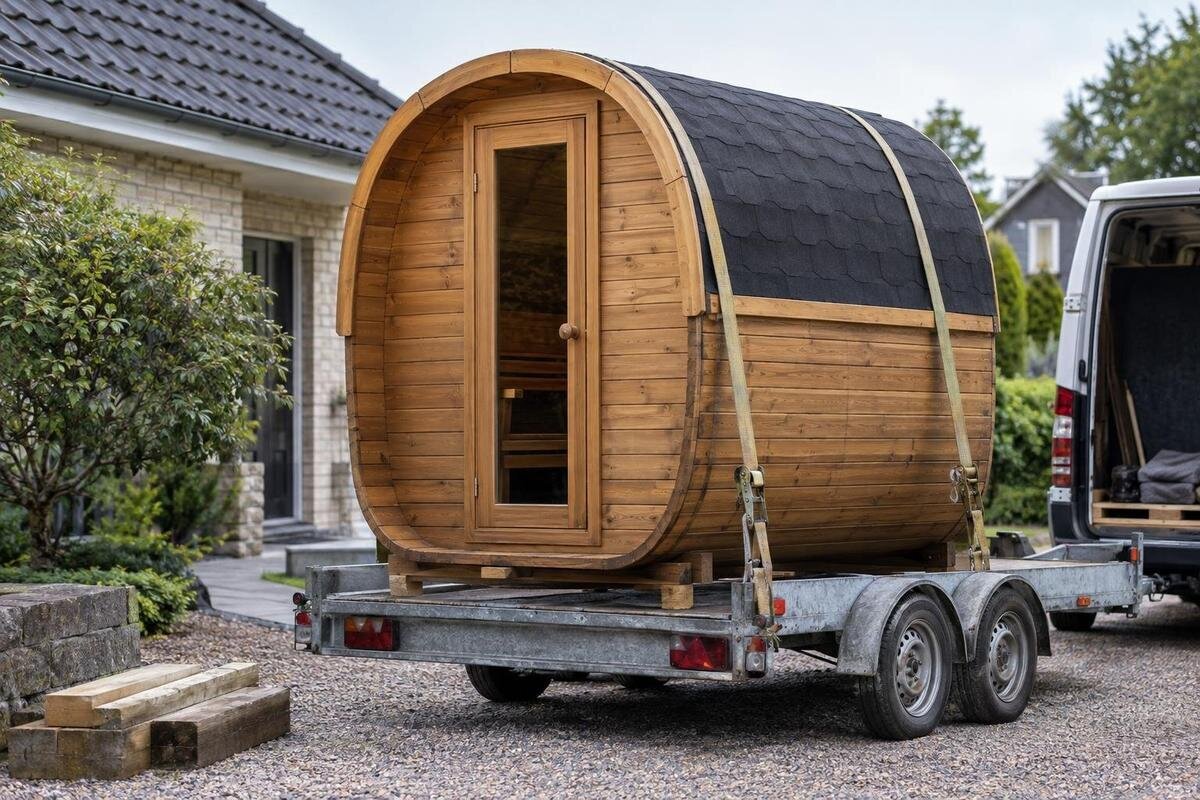
Moving an outdoor sauna to a new house may be possible, but it is not automatically a case of lifting it onto a trailer and setting it down again. The design, the maker’s instructions, the sauna’s condition, access at both addresses and the new site all matter. Before arranging transport, find out whether this exact model can be dismantled or moved intact, and who is qualified to handle its structure and connected services.
When can an outdoor sauna be moved?
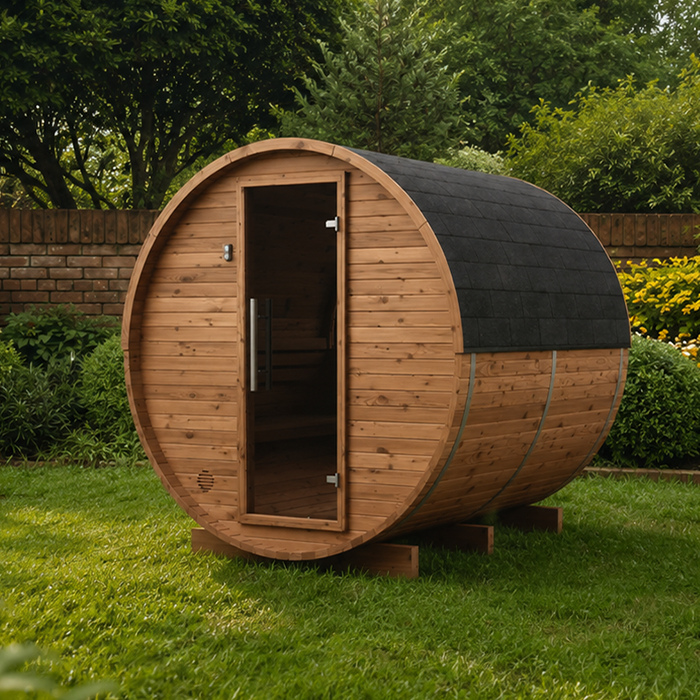
Sometimes—but being built for outdoor use does not mean a sauna is portable. Whether it can go to a new address depends on its exact design, condition and the manufacturer’s approved method for handling and reassembly. One model may be supplied in sections that its instructions allow to be dismantled; another may need specialist handling as a complete unit, while a third may have no approved relocation method. Do not infer this from its shape, apparent size, how it arrived at the first house or whether it looks sturdy. Treat the individual sauna, not the product category, as the subject of the decision.
Relocation also covers more than the journey between properties. It may involve disconnecting services, preparing components for transport, loading and securing the structure, checking it after transit, preparing the new site and putting it back together. Each stage needs to follow instructions for that sauna. A unit that reaches the new address can still be damaged by unsuitable lifting, a tight route, poor storage or improvised reassembly. Approval for an intact move does not automatically approve dismantling and rebuilding, or vice versa. If the manual is missing or the method is unclear, treat that as an unresolved question, not permission to proceed.
Identify the exact model and contact the manufacturer
Find the exact product identity before contacting anyone: model name or code, serial or batch reference if present, purchase paperwork, original manual and any changes made after installation. Photograph labels and the sauna as it stands; an installer’s invoice or previous service record may also clarify how it was assembled. If the label is unreadable or paperwork is missing, contact the manufacturer or seller with clear photographs and whatever identifiers you have. Do not assume that a similarly shaped sauna, an online assembly video or a manual for a nearby model is an adequate substitute.
Ask the manufacturer or an authorised support contact to confirm in writing whether relocation is allowed for your configuration, which method is accepted, and who should dismantle, lift and reinstall it. Ask what components may be removed, whether any fixings or seals need replacement, and whether the new installation must be inspected before use. Find out which drawings, handling information and assembly steps the moving team should receive. An exact catalogue name such as Thermowood Barrel Sauna N-250 can help distinguish a listed model, but only instructions matching the sauna at your address answer the relocation question. Keep the reply with your move paperwork so everyone works from the same guidance.
Choose an approved dismantling or lifting method
There are two broad possibilities: move the structure intact or dismantle it to the extent the manufacturer permits. Neither is automatically safer or cheaper. A complete-unit move avoids some reassembly, but it may require specialist lifting arrangements, substantial clearances and a vehicle suited to the actual load. Dismantling can make access easier, yet leaves more joints to rebuild and more loose parts to protect. The maker’s instructions—not a guess based on the sauna’s appearance—should determine which options are acceptable. A route that rules out one method does not make the other automatically acceptable.
Before choosing, ask who will disconnect services and remove doors, benches, glazing, roof elements or other fittings, if these need to come off. Do not cut, drill, prise apart panels or loosen structural fasteners unless the manufacturer’s procedure calls for it. Agree who will label parts, record their original positions, keep fixings together and protect components in transit. If your enquiry concerns the LC-260 barrel sauna, include that full model code when requesting dismantling instructions. Ask which components can be removed and whether any removed component or fixing must be replaced rather than reused. This helps the team establish the scope of the work before they begin.
Measure the sauna and the full access route
Ask for current manufacturer drawings showing the sauna in the form in which it will travel. Check its overall length, width and height, projecting fittings, door openings and the size of separately packed parts; internal floor area is not enough to plan a lift or vehicle. Obtain the actual weight and any specified handling points from model-specific documentation rather than estimating from a photograph or a similar model. If dimensions or weight are unavailable, ask the manufacturer or installer to verify them before booking a carrier. If you are also considering Thermowood Barrel Sauna HCF-300 as a replacement, assess its confirmed measurements against the same route. Keep the two sets of measurements separate so the access assessment clearly identifies which sauna each option involves.
Survey both properties along the full route, not just the driveway. Measure gates and narrow passages, check turning room and overhead clearance, and note steps, slopes, soft ground and places where a vehicle or lifting equipment could stand. Include the route from the current base to the road and from the new access point to the installation area; a unit may fit through one opening and still be impossible to manoeuvre round a corner. Share measurements, photographs and restrictions with the moving specialist so they can assess the route in person where needed. Do not remove fences, branches or other obstacles until you have permission from the relevant owner and a safe plan.
Arrange specialist handling and transport
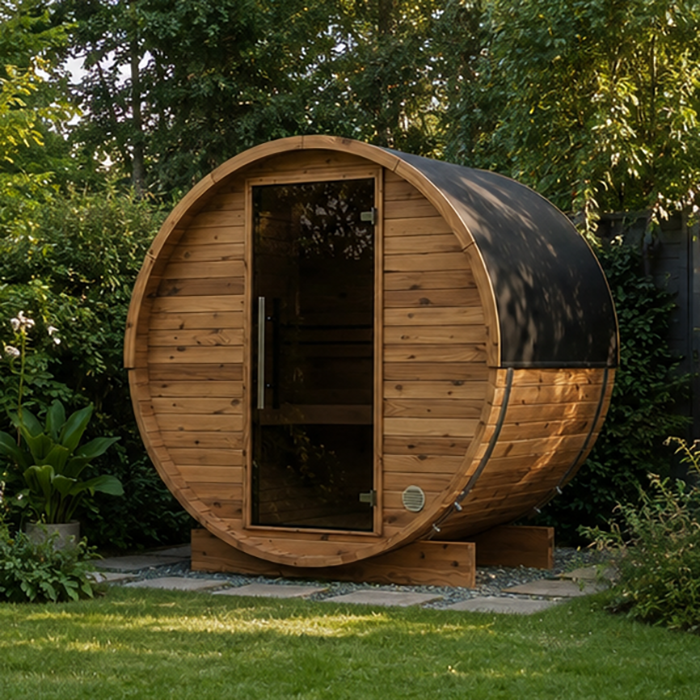
Use a mover or sauna installer who can assess the actual structure and the work at both addresses. Ask whether the quote covers the survey, service disconnection, dismantling, lifting, transport, storage if needed, unloading, reassembly and coordination with other trades—or only the road journey. Confirm who supplies any lifting equipment, who protects the sauna and loose components, and how access constraints are handled. A written scope is more useful than a general assurance that the sauna can be moved; it should identify assumptions about the route, site access and the condition of the unit. Ask who is responsible if the survey reveals a problem that changes the plan.
Give the specialist the model details, manual, drawings, photographs and the manufacturer’s written guidance. Ask them to explain the proposed lifting and transport arrangements; do not nominate a lift point or improvise straps yourself. The transporter should also know whether the sauna is travelling assembled or in labelled parts and whether there are fragile components. For an enquiry about the LCF-300 model, identify the actual configuration and provide the handling information that applies to it, rather than requesting a quote simply for a ‘barrel sauna’. If the specialist cannot confirm how the sauna will be lifted, secured and delivered, the arrangements are not yet complete. Resolve those gaps before agreeing a collection date.
Check the sauna before and after transport
Record the condition before anything is detached. Photograph each side, the roof, the base, internal surfaces and visible connection points; include close-ups of existing marks. Look for movement, cracked or split timber, loose joints, damaged glazing, a door that no longer closes as before, missing fittings, signs of water ingress or previous repairs. Not every sauna has the same components, so use the manufacturer’s checklist where available. Share concerns with the installer before work starts: damage can affect both the handling method and whether the structure is suitable for reinstallation. Keep the photographs with your paperwork as a record of its pre-move condition.
After transport, check parts against the inventory before discarding packaging or storing loose fixings. Compare the structure with your photographs and look for new splits, distortion, impact damage, missing pieces or movement during transit. Do not force parts together or treat a damaged pane, joint or seal as a cosmetic issue. Ask the manufacturer or a suitably experienced installer to assess anything that could affect the structure, weather protection or fit. Keep dismantled components stored as the maker directs and record any damage found. If the assessment leads you to compare repair with a replacement such as the S-140 barrel sauna, treat these as separate options: a replacement product listing does not establish whether its parts are compatible with your existing sauna.
Prepare the new site and connected services
Before delivery, confirm that the new site can accept the sauna in the form in which it will be installed. Compare the actual model’s drawings and base requirements with the available space, supporting surface and access for assembly. Have the installer or a relevant building professional assess level, stability, drainage and ground conditions where these affect the manufacturer’s requirements. Do not assume that a surface already at the new house is suitable, or try to calculate structural requirements from a product photograph. The site plan should also account for the space needed to bring the sauna into position and complete reassembly.
Check room to open the door and any windows, reach external fittings and carry out routine cleaning or maintenance. Confirm how the sauna will reach its final position before landscaping, fencing or paving closes off access. Identify the electrical supply and any other connected services at the destination, but do not assume the old connection can be reused. Ask the installer what the exact model requires and whether a professional should assess the route or supporting surface. If you are considering Sauna HC-150 for a replacement purchase, assess its own installation requirements against the new site. Record which site work each option would need, so you can compare relocating your existing sauna with installing a different model.
Plan reassembly and electrical checks
Reassembly should follow the manufacturer’s sequence and use only specified fixings, seals and replacement parts. Ask in advance who will perform the work and what checks they will make for alignment, secure joints, door operation and any components removed for transport. If the structure does not sit as expected or parts are missing, stop and ask for guidance rather than adapting it on site. Keep the instructions and photographs available throughout the job, and make a record of work completed. These details help distinguish transport damage from a problem that was already present before the move.
Where the sauna has an electrical heater, controls or other fixed electrical equipment, arrange for a qualified electrician to handle disconnection and reconnection and confirm the installation before use. Do not treat unplugging or reconnecting a visible cable as proof that the system is safe. Check with the manufacturer which configuration applies and whether any other specialist work is required. When arranging work on the HC-225 sauna, give the electrician the details of the equipment actually fitted, along with the relevant manufacturer’s instructions. The model name alone is not a description of the electrical installation. Do not use the sauna until the relevant installer and electrical checks are complete and identified defects have been resolved.
Confirm warranty, insurance and total costs
Ask about warranty or guarantee status before booking the move. Relocation, dismantling, work by a third party or a change of site may be treated differently under the applicable terms, so do not assume cover will continue unchanged—or assume it will end. Request written guidance from the manufacturer or seller that identifies any conditions, approved personnel, inspection requirements and effects on future claims. Keep the reply, service records and before-and-after photographs. Check separately with your home insurer and the mover about cover while the sauna is removed, transported, stored and reinstalled. Confirm limits and exclusions directly rather than relying on a verbal assurance.
Ask for an itemised estimate covering surveys, disconnection, dismantling, lifting, packing, transport, storage, reassembly, site preparation, electrical work, inspection and likely repairs, where each applies. Note what is excluded and who pays if damage or unexpected access problems change the plan. Allow for the time the sauna may be unavailable as well as the cost of the work. Then compare the complete relocation cost with replacing it, including the new unit’s installation and site work. If Thermowood Barrel Sauna N-210 is on your replacement shortlist, check its current local configuration and inclusions before making that comparison. Keep the purchase cost and any additional installation work clearly identified rather than comparing a full relocation quote with the price of a new sauna alone.
Decide whether relocation is worthwhile
Relocation is worth considering when the manufacturer approves a clear method, the sauna is in suitable condition, the route is workable and an installer can put it back into service at the new address. Pause if there is no reliable model information, the proposed lift has no documented basis, structural damage is unresolved, the receiving site is not ready or the manufacturer will not confirm an acceptable method. These gaps do not automatically mean the sauna must be discarded. Distinguish issues that a professional can resolve before the move from those that leave no acceptable way to relocate it. That assessment is more useful than committing to transport first and discovering later that reinstallation cannot go ahead.
Work backwards from the house move: arrange manufacturer advice and site surveys before agreeing removal dates, allow any base and service work to be completed, then coordinate the mover and installer so the sauna is not left partly dismantled or exposed in storage. Confirm who is responsible at each handover and where parts will be kept under the maker’s instructions. If the dates do not align, include the storage arrangements and delayed reinstallation in your comparison rather than treating them as details to settle later. Choose between relocation and replacement on the basis of the complete work involved, the sauna’s condition and the practical arrangements at the new address—not the transport quote alone.
Frequently asked questions
Can an outdoor sauna be moved without being dismantled?
Sometimes, but only if the manufacturer permits a whole-unit move and a specialist confirms that the sauna, lifting method and route are suitable. The actual dimensions, weight, access at both properties and delivery arrangements all matter. Do not decide from its appearance or how it was delivered originally.
Will moving the sauna cancel its warranty?
Do not assume that the warranty or guarantee will continue unchanged, or that it will automatically end. Ask the manufacturer or seller for written guidance before work begins. Check whether the terms specify who must dismantle and reinstall the sauna, whether an inspection is needed and how relocation affects future claims.
Can I put the sauna on a base at my new home?
Only if the base meets the requirements for the exact sauna and is suitable in its present condition. Compare the manufacturer’s installation information with the new site, then ask the installer or a relevant building professional to assess any concerns. A surface already at the property is not automatically suitable.
Do I need an electrician to disconnect and reconnect the sauna?
If the sauna has an electrical heater, controls or other fixed electrical equipment, arrange for a qualified electrician to handle the disconnection and reconnection. Confirm the requirements for your actual configuration with the manufacturer, and do not use the equipment until the relevant checks have been completed.
Is moving an outdoor sauna cheaper than replacing it?
There is no reliable answer from the transport cost alone. Compare the full cost of surveys, handling, transport, storage if needed, site preparation, reassembly, electrical work and repairs with the cost and practicalities of a replacement. The condition of the existing sauna and whether the manufacturer supports relocation can change the comparison.
An outdoor sauna may be able to move with you, but the decision depends on the permitted handling method, its condition and whether it can be reinstalled at the new address. Settle those questions before committing to removal. A complete relocation plan lets you compare keeping the sauna you own with replacing it, including the work and costs beyond the journey itself. If a key part of the plan remains unresolved, pause rather than letting the house-moving date dictate an unsuitable move.
