
Sauna Upgrades: Which Extras Are Worth It?
Sauna buying guide
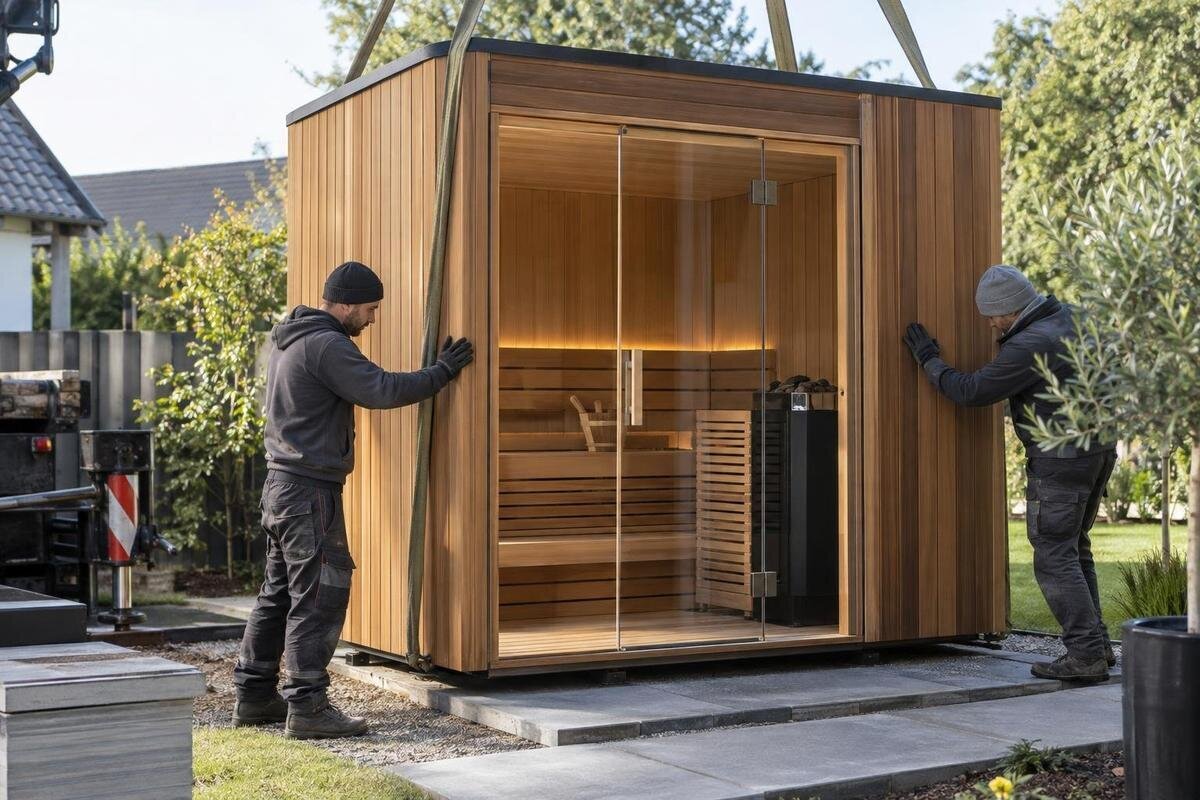
Sauna option lists can make every add-on look useful, but a feature earns its place only if it improves the way you will actually use the sauna. First establish what the quoted configuration already includes. Then separate equipment needed to complete that setup from comfort, convenience and appearance choices, and compare each optional extra against your routine and the full cost.
Separate the standard specification from optional extras
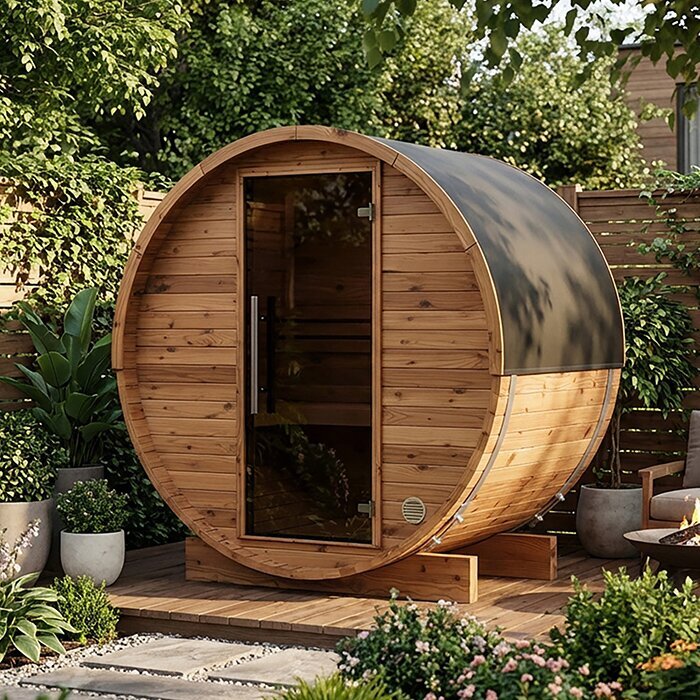
The word “upgrade” can cover several different changes: a more expensive model, an alternative configuration, a convenience feature or an item omitted from a headline package. Those are not equivalent. If an item is required for the selected setup to function, it belongs in the cost of the complete specification even if the quote lists it separately; a comfort or appearance addition may be discretionary. Ask for a written schedule naming the model and version, what is included, what is excluded, and which items are necessary for that configuration. Keep model changes separate from add-ons, and note who supplies any third-party equipment.
Use that schedule to establish the same baseline for every candidate. Record the sauna, the selected heating arrangement and its operating equipment where applicable, controls, seating, loose accessories and any components the manufacturer specifies for the chosen configuration. Mark uncertain entries as “not confirmed”, rather than assuming they are supplied. The catalogue identifies the Sauna HC-150 Thermowood Barrel Sauna, but its product name alone does not establish package contents. Ask for the exact specification and quote before comparing extras; this also helps you spot an essential item that has been listed separately.
Match upgrades to your actual routine
Build a realistic use profile rather than choosing for an occasional guest. Note how often you expect to use the sauna, who will use it together, whether one person normally prepares it for others, and where the routine might feel awkward. Is there a repeated delay around controls, little convenient storage for towels, or a preference for a different seating arrangement? These answers suggest which categories to examine. They do not establish capacity or comfort: check the exact layout and measurements in model-specific information instead of inferring them from a photograph. Separate the routine you genuinely expect from special occasions you might host. An extra should not become a priority solely because it would be useful for a larger group you rarely expect to accommodate.
For each offered extra, write down one moment when it would help and how often that moment occurs. A feature used on most visits may be easier to justify than equipment used only for occasional guests; a shared feature should also suit the people likely to use it. If household preferences differ, consider whether the option helps most regular users or only one person once in a while. When considering the HC-225 barrel sauna, assess the quoted configuration against those priorities. Give each regular user a chance to name one improvement they would value, then look for overlap. That produces a more useful shortlist than collecting every suggested accessory. A preference shared by several people can carry more weight, but an individual need still deserves consideration if it makes the setup more practical for that person.
Count required equipment in the base specification
Price the complete operating setup before comparing conveniences. Ask what heating system or other operating equipment is included, what controls are supplied with it, and whether the manufacturer specifies further components for that exact configuration. The answer depends on the selected model and system, so a short product title or cabin photograph is not enough. Request item names or references where possible, and identify anything you must source separately. If an item is needed to complete the chosen setup, count it with the standard specification, not as a luxury upgrade.
Establish who can confirm compatibility with the proposed site. The supplier can explain what is included; a qualified electrical professional or other relevant installer should check site-specific requirements and the proposed equipment. Do not use a generic option list as confirmation that a connection or installation suits your property. If comparing the Sauna N-210 Thermowood Barrel Sauna, request the exact configuration and any manufacturer drawings or manuals needed to clarify equipment. A complete, compatible base setup takes priority over an app, decorative light or other optional convenience.
Prioritise seating and comfort you will use
Comfort extras matter when they change how people use the cabin, rather than just adding a premium label. If different bench arrangements, backrests, headrests or interior lighting are offered, consider who benefits and whether the change will be noticed on regular visits. Seating can affect how people share the space and reach controls; a small accessory may suit one user but not another. Treat these as personal preferences, not universal improvements. Ask for actual measurements and a layout drawing before deciding that a different arrangement will solve a space or access concern. Be specific about what feels more comfortable: support while sitting, room for your preferred position, or an arrangement that suits several users together. Ask whether a proposed accessory changes the usable seating space and whether it can be moved or removed. This helps distinguish a genuinely useful adjustment from an extra whose appeal is mainly visual.
Where possible, have regular users look at the same drawing and describe how they would enter, sit, move and keep towels within reach. A picture can suggest a style but may not answer questions about clearances or fitted items. If you are considering the Sauna N-250 Thermowood Barrel Sauna, request the relevant layout and a written list of the seating and fittings included in that version. Pay extra for a named change you can identify; “comfort package” is too vague to judge without knowing its contents.
Judge controls and lighting by their practical benefit
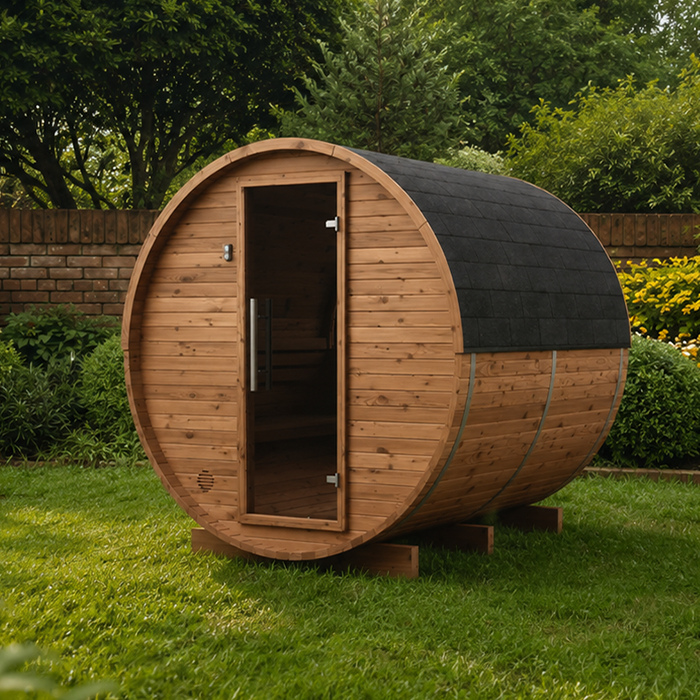
Controls earn their place when a change makes a recurring task easier or clearer for the people using the sauna. Compare the standard controls with any offered alternative: what function changes, where the interface is located, who can operate it and whether it is compatible with the selected equipment. Remote operation or an app may sound useful, but do not assume either is offered, works with every configuration or fits your routine. Ask the supplier to explain the actual functions and have proposed installation arrangements confirmed by a qualified professional.
Assess lighting in the same way. Establish whether a light is included, what the extra adds, and how it is intended to be fitted and operated. If atmosphere is the main benefit, decide whether it is worth more to you than an option used for everyday access or control. An appearance-led choice can still be worthwhile: the important point is to recognise what you are paying for, rather than treating it as essential equipment. Compare the offered lighting with the standard arrangement and describe the difference you actually want. If connectivity is advertised, ask what the feature operates and what controls remain part of the setup. For the LC-260 sauna configuration, use the exact control and lighting schedule to assess those differences. Avoid counting two features as separate benefits if both merely offer another way to perform the same task.
Check exterior options against the exact installation
Outdoor extras need to suit both the exact sauna and the place where it will be installed. A canopy, porch, cover, exterior finish or storage feature may sound useful, but the product category does not tell you whether an accessory is included or designed for your site conditions. Ask the supplier or manufacturer to confirm compatibility for the exact model and intended installation in writing. Check whether the option changes access, maintenance or installation scope. Do not assume a general garden shelter is suitable for a sauna, or that an image shows a weather-protection option.
Consider the problem you want to solve. If changing or storing clothing and towels outdoors is a regular inconvenience, a purpose-designed entrance or storage feature—if offered and confirmed compatible—may be more relevant than a decorative finish. If you already have practical storage and shelter, another exterior item may add little. Confirm who supplies and fits it, what care it needs and whether it is truly optional. A page for the Sauna HCF-300 Thermowood Barrel Sauna identifies a model; do not infer the suitability of an exterior accessory from its name or photograph.
Buy accessories only after checking the bundle
Small accessories are easy to overbuy because a package may group useful and rarely used items together. Possible add-ons include a bucket and ladle, a thermometer, hooks, a mat or other storage pieces, but availability and inclusion vary by exact package. Ask for an item-by-item list and check which objects you already own or can use. For anything placed inside the sauna or near operating equipment, follow the manufacturer’s compatibility and use guidance rather than assuming an ordinary household item is suitable.
Separate items that must fit the chosen setup from those that can be selected later. A fitted accessory, or one whose material and placement need approval, deserves earlier attention; a portable item may be easier to defer if the manufacturer confirms that. Check dimensions, finish and cleaning needs for the specific item, and ask whether anything in a bundle is already part of the standard package. Compare the individual cost of the items you will use with the bundle price. An unused item does not become valuable simply because it is part of a discounted collection. Equally, a bundle may be convenient if every item has a clear purpose and you would otherwise buy them separately. When reviewing the LCF-300 barrel sauna package, distinguish included accessories from additional purchases. Keep a short list of items to choose later rather than adding them to the initial order just to complete a matching set.
Include upkeep and replacements in the value test
An upgrade’s value does not end at purchase. Ask whether it needs regular cleaning beyond the base setup, replacement parts, consumables or maintenance, and whether those needs are documented for the specific item. A one-off convenience with little upkeep may compare differently from an option that relies on supplies you will need to keep buying. Do not accept an unquantified promise that an add-on will save energy or time; request evidence tied to the precise system and pattern of use, or leave that claimed saving out of your calculation.
Use current written figures where the supplier can provide them, and record unknowns honestly rather than treating them as zero. Compare the option’s purchase price and any separate fitting or site work with how often you expect to use it and what it changes in the routine. Ask about cleaning instructions and replacement availability without assuming a particular lifespan or warranty. For the Sauna S-140 Thermowood Barrel Sauna, base the comparison on its quoted specification and selected extras, not a generic package description. Consider the effort as well as the expense: are you willing to carry out the stated care for a feature you might use only occasionally? A lower purchase price does not by itself make an extra better value. Conversely, a costlier option may deserve priority if its confirmed benefit matters on most visits and its upkeep suits you.
Compare options in a simple priority list
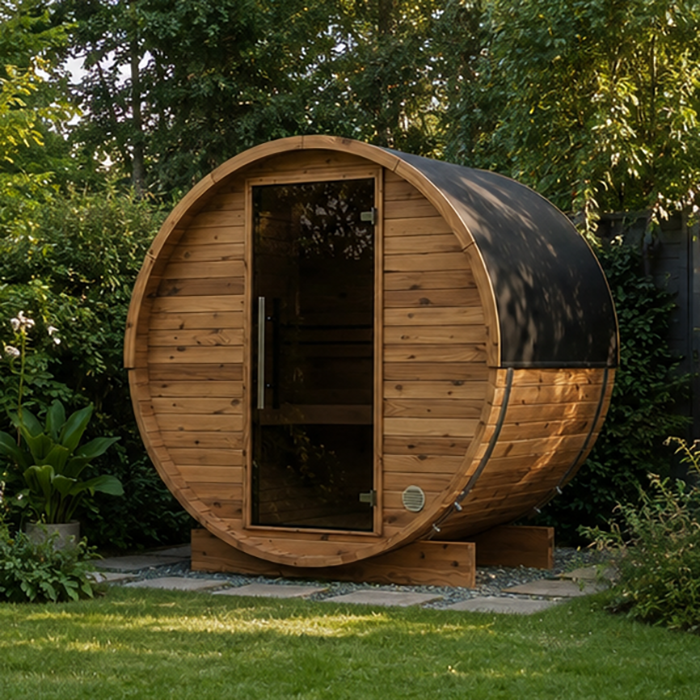
Put the options into a short priority table before accepting a quote. Useful columns are: feature name; included, optional or not confirmed; the specific benefit; who uses it; compatibility or installation dependency; up-front cost; ongoing care; and whether it can be deferred, as confirmed by the supplier. Record who is responsible for supplying and fitting each item, along with any exclusions. Keep model changes separate from accessories so that choosing a different cabin is not mistaken for adding a small extra. For each optional item, also name what you would choose instead if you left it out. That could be another comfort feature or simply keeping the money unspent. This makes the trade-off visible without turning the exercise into a comparison of entire installation quotes.
Rank each row in three groups: required for the selected setup, improves frequent use, or occasional or decorative. The first group belongs in the baseline, not the luxury budget; the second is where a comfort upgrade is most likely to earn consideration; the third can wait if funds are limited. If two options solve the same problem, compare them directly instead of paying for both by default. Write a short reason beside each choice, such as “used by everyone on regular visits”. If you cannot name a practical benefit, leave the option unranked until you can.
Decide what to add now and what can wait
Some choices may be straightforward to add later, while others may affect layout, preparation or installation. Do not assume either way. Before leaving an option out, ask whether it can be added later to the exact model, what needs to be confirmed in advance, and whether late fitting would involve extra work or limit the available choices. If a feature is difficult to change after assembly, it may be sensible to decide earlier—but only when the supplier confirms that this applies to the configuration you are buying. There is no universal rule for every sauna or accessory.
Set a maximum spend for the complete sauna before reviewing discretionary extras. First allow for the confirmed base equipment and any professional or site requirements; then choose the features that address the most frequent, clearly identified needs. If a quote exceeds the limit, remove low-use or cosmetic extras before cutting items needed to complete the selected setup. Compare a version with only your highest-priority extras against the fuller package. Ask yourself which omitted feature you would genuinely miss during an ordinary visit, rather than which version looks more impressive on paper. Keep uncertain options off the order until their function, compatibility and full cost are clear. The aim is a package you can explain item by item, with no add-on retained merely because it appeared in the first proposal.
Frequently asked questions
Which sauna extras should be treated as essential?
An item the manufacturer specifies as necessary for the exact model and chosen operating system belongs in the complete base specification, even if it appears on a separate quote line. Ask the supplier to distinguish required components from optional comfort, convenience or appearance features.
Does a sauna cabin automatically include its heater and controls?
Do not assume so. Package contents depend on the exact model and configuration, and a product title or photograph may not state the full list. Get written confirmation of the heating equipment, controls and any other components required for the selected setup before comparing extras.
Are upgraded controls or lighting worth paying for?
They may be, if the change has a clear practical benefit in your routine. Compare it with what is already included, confirm compatibility and installation arrangements, and weigh how often you will use the added function against its full cost.
Can sauna accessories be added later?
Some may be straightforward to choose later; others may depend on the sauna design or installation. Ask whether the specific accessory can be fitted to your exact model later, what preparation it needs, and whether delaying the decision changes the available choices or cost.
Should I choose an accessory bundle?
Ask for an itemised contents list, then remove anything already included or unlikely to be used. A bundle is worthwhile only when its items suit your routine, are confirmed as compatible and compare favourably with buying the extras you actually need.
Paying for upgrades is easiest to justify when the base specification is clear and each extra has a defined purpose. Include everything required for the selected setup first, then prioritise comfort and convenience that will matter in regular use. Leave unclear, duplicate or low-use options out; if you may want them later, confirm whether they can be added after installation. The best option list is not necessarily the longest. It is the one that suits your expected routine without spending money on features you are unlikely to use.
