
Calculate Electric Sauna Running Costs per Session
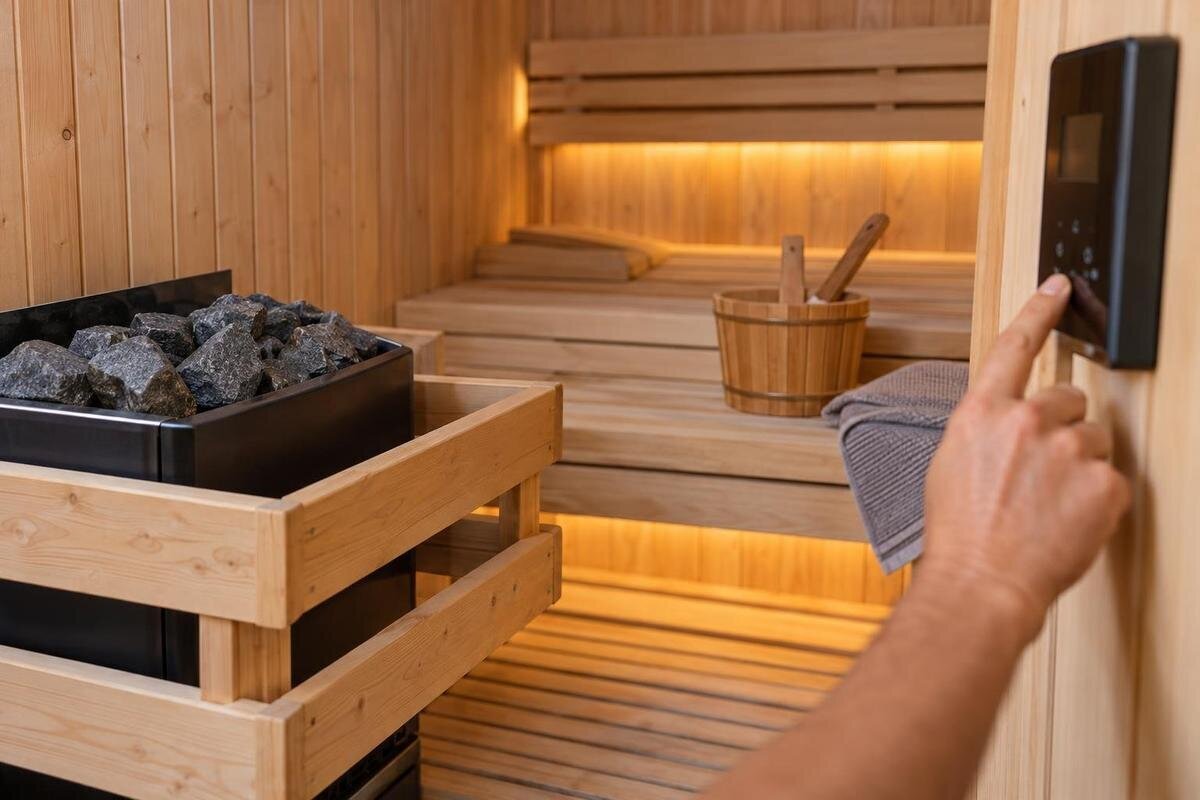
Electric sauna running costs
To calculate an electric sauna’s running cost, use the electricity consumed over a complete session and the unit rate that applies while it runs. Meter the warm-up as well as the time in the sauna, rather than treating a heater’s rated power as constant consumption. The method below shows how to take the reading, handle tariff changes and keep fixed charges separate from the cost of one session.
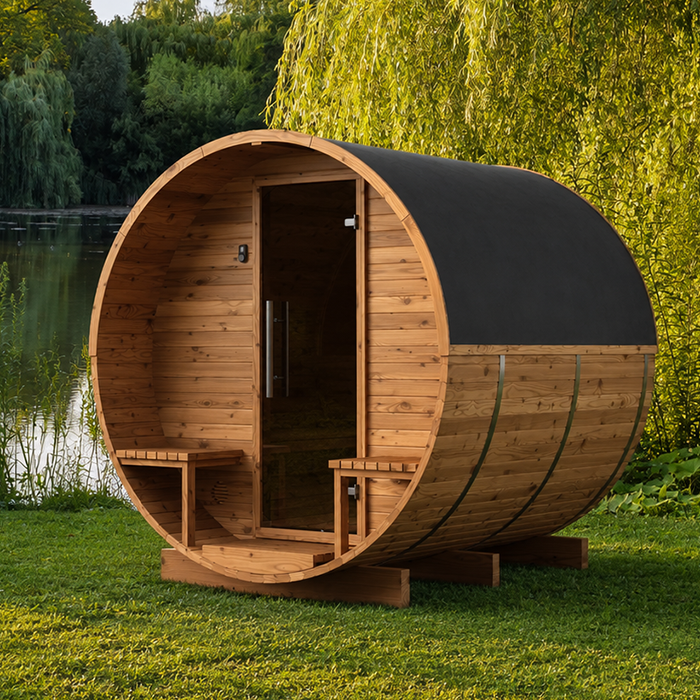
Calculate the cost from kWh
Use this calculation: cost per session (€) = energy used (kWh) × unit rate (€/kWh). If the meter shows cumulative kWh, subtract the reading taken before preheating from the reading taken after the session. Take both readings from the same meter and confirm that its display has not been reset or changed in between. If it displays watt-hours, divide the difference by 1,000 to convert to kWh. Keep the unrounded difference through the calculation, then round the final euro amount to the nearest cent. Record kWh and the rate separately from the result: the energy figure remains useful if a tariff changes, while the euro figure describes what the session cost at the time.
The result describes the electricity counted by that meter, so name what it covers alongside the calculation. For instance, Sauna LC-260 can identify the sauna, but the model label is not a consumption figure; use the reading for the heater and controls actually installed. A heater-only reading and a reading for the wider sauna circuit answer slightly different questions, because the latter may include other electrical loads. Do not combine them as though they measured the same thing. Keep the energy total distinct from the cost: one is the measured consumption within that boundary, and the other is the amount calculated using the applicable tariff.
A heater’s rated power is not session consumption
A heater’s rated electrical input is a power figure, usually expressed in kilowatts (kW). A kilowatt-hour (kWh) measures energy accumulated over time: a load drawing 1 kW continuously for one hour uses 1 kWh. The label is not a promise that the heater will draw that amount for every minute of a session. A thermostat or controller may switch the element on and off, or otherwise regulate it, after the sauna warms. Preheating and later use can therefore have different patterns. The rating helps identify equipment and its electrical requirements, but it does not tell you the kWh recorded from one start to one finish.
Multiplying rated kW by the total elapsed time assumes full rated input continuously from switch-on to switch-off. It can show a clearly labelled full-load scenario when no reading exists, but it is not a measured bill estimate; do not apply an invented cycling percentage to make it look exact. For example, 6 kW for 1.5 hours at full draw is 9 kWh, but that arithmetic does not establish how long a real heater drew full power. Use the electrical-input rating from the correct manual, not a model name or a heat-output figure. Sauna HCF-300 identifies a model, not session consumption.
Measure preheating and the full session
Set the measurement window before comparing sessions. Take the opening reading immediately before switching on for preheating, then the closing reading after use, once the heater has been switched off. The difference includes energy for warm-up and for the time people are in the sauna, including pauses when the heater remains active. If a timer starts the heater before anyone arrives, that preheating still belongs to the session it was intended to prepare. If several people share one continuous run, keep the total reading intact; any division between users or visits is an allocation, not a second measurement.
Do not begin the calculation only when the sauna reaches its chosen condition, as that excludes energy used to get there. Conversely, do not add an assumed cooling period after the heater and any included controls have stopped drawing electricity. Decide whether the meter covers the heater alone or the full sauna circuit: a separate light, controller or accessory outside that boundary will not appear in the reading. Keep the boundary consistent and note whether anything remained on after use. For a record labelled Sauna LCF-300, note the installed heater separately so future tests match the same configuration.
Use a meter suited to the electrical setup
Use a meter only where it suits the sauna’s electrical arrangement. Do not assume a general plug-in energy monitor is suitable for a heater: it may be fixed-wired, and a monitor must be rated for the actual connection and load. Check the sauna and heater instructions, and ask a qualified electrician to confirm whether a compatible circuit meter can be used and arrange any work. Do not open an enclosure or alter wiring for the sake of estimating running costs. The objective is to read energy safely, not to change the installation or use an unapproved adapter.
If there is no separate meter, a whole-home electricity meter can show the difference between a reading before and after the session, but that difference includes every other appliance running at the same time. Choose a period with little competing use if possible, repeat the test and label the result as a whole-home estimate rather than sauna-only energy. Cooking, water heating and other substantial loads make it less specific. Smart-meter interval data can help identify the time window, but it will not isolate a sauna if several loads overlap. For Sauna S-140, confirm the actual heater and installation rather than choosing a metering method from the cabin name.
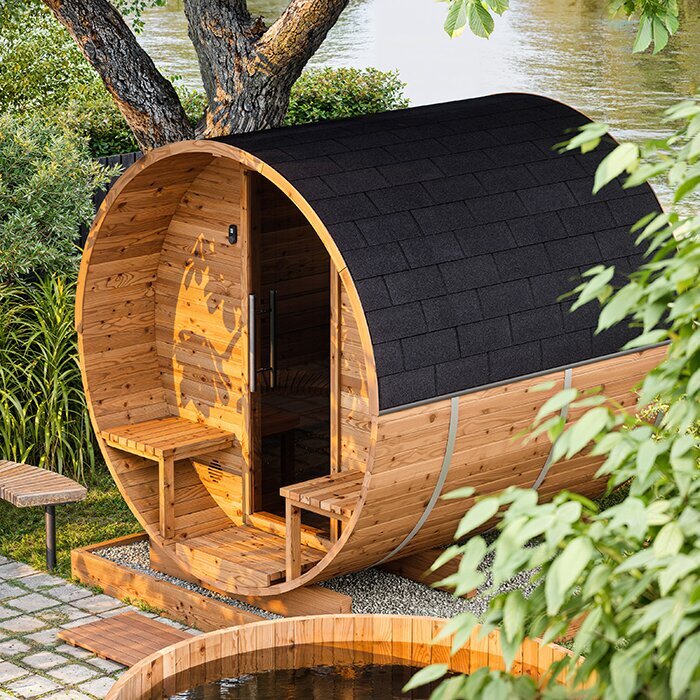
Apply the unit rate for the session time
Use the per-kWh charge for the tariff that applied during the session, from the relevant bill, tariff details or supplier account. Check whether the rate is quoted in euros or cents: 30 c/kWh is €0.30/kWh, so make the units consistent before multiplying. Use a rate on the same tax basis as the amount you expect to pay, and check whether tax or another variable element is already included so it is not counted twice. Do not divide the whole household bill by total kWh to find the extra cost of one sauna session; that average may include fixed charges and unrelated use.
With a time-of-use tariff, a session can cross between unit rates. If you can measure the kWh used in each rate period, multiply each amount by its own rate and add the costs. Do not split consumption evenly by elapsed time unless you know that is a fair approximation: heater draw can change as it warms and cycles. If you have one total reading, the exact split is unknown; state any assumption rather than presenting false precision. A daily standing charge is not caused by one session, so show it separately or allocate it only in a clearly labelled all-in budget. Date each calculation beside the model, for example Sauna HC-150.
A worked example with hypothetical figures
Here is an arithmetic example only, not a current Irish tariff or a typical sauna result. Suppose a meter records 4.8 kWh from switch-on to the end of warm-up, then another 3.2 kWh from then until the heater is switched off. Total session energy is 4.8 + 3.2 = 8.0 kWh. If the applicable unit rate were €0.35/kWh, the cost would be 8.0 × €0.35 = €2.80. Replace both figures with your own measurement and tariff. The rate is hypothetical and does not describe an offer or average.
If the 8.0 kWh fell across two rate periods, the total would depend on the energy measured in each, not just the minutes spent in each period. For example, if readings at the boundary showed 2.0 kWh in the first period and 6.0 kWh in the second, calculate (2.0 × first rate) + (6.0 × second rate), using the rates on your account. Do not infer the split from elapsed time alone, because heater draw can change. These figures only illustrate the arithmetic; an actual record for Sauna HC-225 would need its own measured energy and applicable tariff.
Estimating before you have meter readings
Before you have meter readings, a full-load calculation can make a planning assumption explicit. Multiply the heater’s electrical input in kW by the assumed running time in hours to obtain kWh, then apply the unit rate. State that this assumes the heater draws its rated input throughout that period. It does not account for the controller reducing or interrupting the draw after warm-up, so it cannot establish actual session consumption. Keep the assumed duration visible rather than presenting only a euro total. If a document gives thermal output rather than electrical input, do not substitute one for the other: the calculation needs the electrical input of the proposed heater.
For a useful provisional budget, distinguish what you know from what you have assumed. The selected heater’s electrical input and your tariff may be known, while the warm-up duration and time spent drawing full power remain uncertain. You can compare calculations for different assumed running times, provided each is clearly labelled as a full-load scenario rather than a prediction. Do not apply a universal percentage reduction for cycling to produce an apparently precise answer. Sauna N-210 identifies the proposed model, but the estimate still depends on the heater selected. Once you have measured session data, replace the assumed energy figure instead of treating the planning calculation as a permanent running cost.
Why energy use varies between sessions
Two sessions on the same equipment can use different kWh. The starting temperature, conditions around the cabin, time spent warming, chosen operating setting, door openings, pauses and the total time the heater remains active can all affect the energy recorded. Recent use may leave a different starting state from a cold start, so label those tests separately. The installed heater and controls matter too; do not transfer a result from a different configuration as if it were exact. The meter tells you the energy used in that test, while a short note on its conditions helps explain why the next reading may differ.
Separate a change in energy use from a change in price. If kWh remain similar but the euro total moves, check whether a different unit rate applied; if the rate is unchanged and kWh differ, look at session conditions and the measurement boundary. When both have changed, multiplying each session’s kWh by the same rate lets you compare the energy-related difference without confusing it with a tariff change. Keep that comparison separate from the amounts actually paid. A reading for Sauna N-250 describes its own setup and conditions, not a universal cost for the model or a directly comparable result for another sauna.
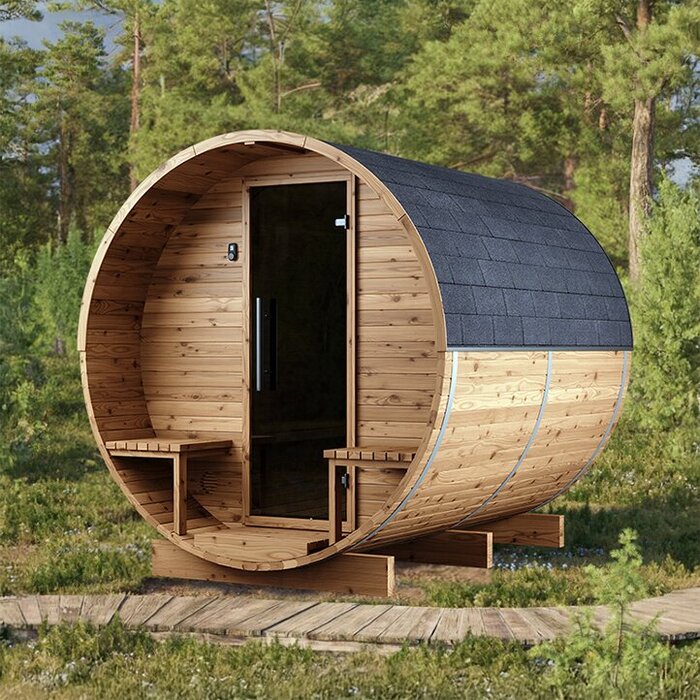
Compare the actual sauna and heater configuration
When comparing electric saunas before buying, ask what the proposed configuration includes and which heater and controller are intended for it. Find the electrical-input information in the correct manufacturer documentation and confirm that the heater is specified for that sauna configuration. A catalogue title or room-area figure alone does not establish the heater, actual running consumption or installation requirements. Product pages and drawings can help identify a model, but use instructions for the selected components and have a qualified professional confirm electrical suitability. Do not take a heater rating from a different configuration to predict the cost of the one you plan to install.
Running cost is one comparison point, not a universal ranking of models. A low kWh figure from a short, warm-start session does not prove a lower cost for longer use or different conditions. Compare like with like: the same meter boundary, similar starting state, time in use and tariff, and note whether each figure is measured or estimated. If a seller or manufacturer supplies an energy figure, check what conditions it describes and whether it is measured, calculated or simply rated input. Where no comparable session data exist, there is no sound basis for ranking options by exact cost per use. A meter reading after installation can replace a planning assumption.
Keep a log for realistic running-cost estimates
Make the record simple enough to repeat. Note the date, product and heater configuration, opening and closing kWh, warm-up duration, time in use, unit rate and any tariff change. Add whether the sauna began cold, whether the heater remained on during breaks and which loads the meter included. These details turn a single total into a result you can compare. Keep raw readings as well as calculated costs, so you can check the subtraction or reprice the same kWh if your tariff changes. Do not make the worksheet imply a measurement where the figure came from a rated-power estimate.
After several comparable sessions, calculate a typical kWh and cost per session while keeping the spread visible; an average can hide a longer warm-up or a different starting condition. For an annual estimate, multiply the measured typical cost by the number of sessions you expect in a year, then show standing charges separately rather than folding them into each session without explanation. If people share one measured session, its total electricity cost stays the same; dividing by the number of users gives a per-person allocation, not a lower household bill. Update the log after a tariff or equipment change.
Frequently asked questions
How do I calculate the cost of one electric sauna session?
Subtract the kWh reading before preheating from the reading after the heater is switched off. Multiply that energy difference by the unit rate that applied during the session. If rates changed while it was running, calculate each measured rate period separately and add the costs.
Does the heater’s rated kW tell me the session’s energy use?
No. Kilowatts measure power; kilowatt-hours measure energy over time. Multiplying rated kW by the whole session length assumes the heater drew full power continuously. Use it only as a clearly labelled full-load scenario, not as a measured cost.
Should warm-up be included in the cost?
Yes, if you want the cost of a complete session. Start measuring before preheating and finish after the heater is switched off following use. Include any time when it remains on during a break, and use the same start and end points for future comparisons.
How do I calculate the cost with a time-of-use tariff?
Measure the kWh used in each rate period, multiply each amount by its applicable rate, and add the results. If you have only one total reading, the exact split is unknown; state any estimate as approximate rather than dividing energy evenly by time.
Can I use a plug-in energy monitor for a sauna heater?
Do not assume one is suitable. Check the sauna and heater instructions, and ask a qualified electrician whether a compatible meter can be used for the actual electrical arrangement. A whole-home meter can show a change in consumption, but it also counts other appliances.
Once you have the kWh used over a complete session and the rate that applied at the time, the arithmetic is simple. The accuracy comes from including preheating, measuring the actual setup and being clear about the tariff and meter boundary. Treat rated power as context, not as a session reading, and keep a few comparable records so your estimate reflects how the sauna is actually used.
