
Planning the Five-Year Cost of Owning an Outdoor Sauna
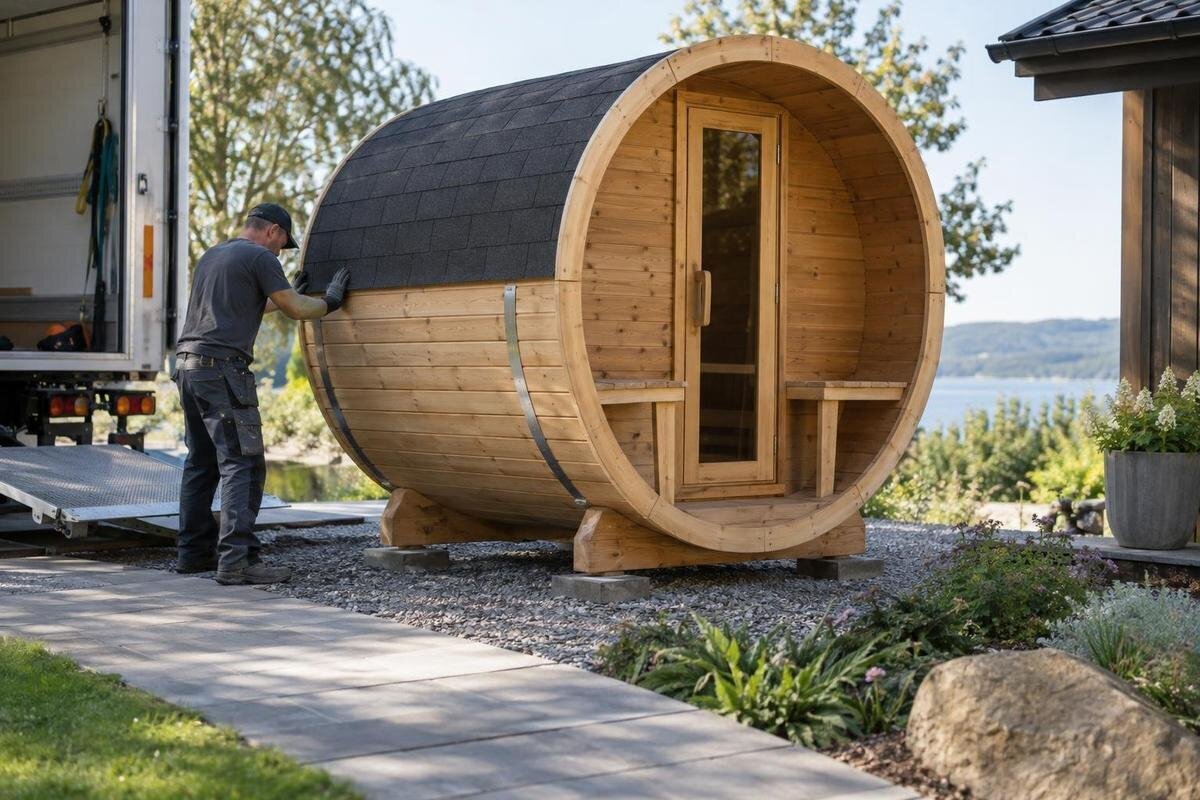
OUTDOOR SAUNA COSTS
An outdoor sauna’s quoted purchase price is only the first line in a five-year ownership budget. The total depends on the exact configuration, delivery and site work, how often you use it, measured energy consumption, routine care and any repairs. No current product prices, energy tariff or servicing quote are supplied here, so a reliable euro total cannot be given. This guide sets out an explicit planning scenario and the figures to replace with live quotes and your own records. Keep the initial installed cost visible as a separate subtotal.
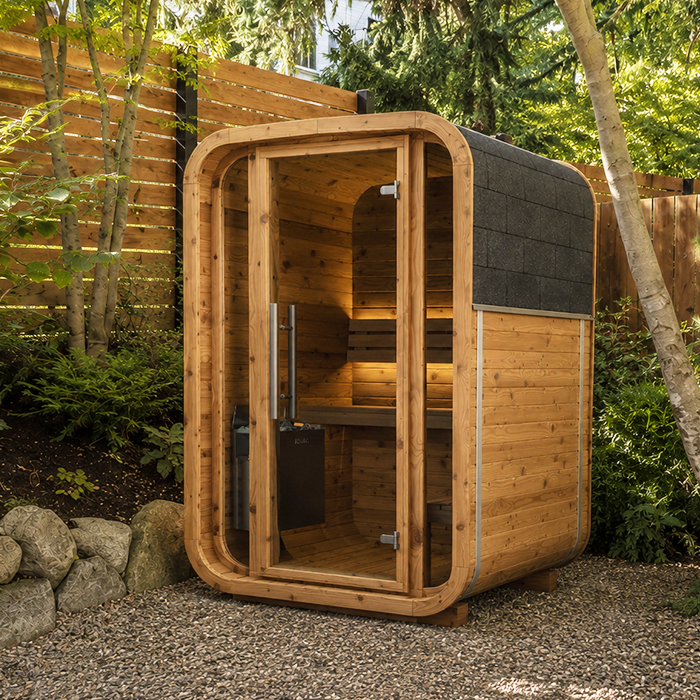
01
Set the five-year scenario before adding costs
Set the accounting window at five years from the date you expect to take ownership, and be clear about whose costs you are counting. The worked household scenario assumes one outdoor sauna is bought outright at the outset, stays at the same property throughout, and is used by the household rather than hired out. The planned pattern is two sessions a week for 50 weeks each year. That gives 100 sessions a year and 500 over five years. Fifty weeks allows for breaks; it is a planning choice, not a prediction of normal behaviour. If you expect seasonal use, several sessions in some weeks or long periods away, replace the count with a calendar that reflects your plans.
To make the example easy to follow, assume an electric-heated setup, no relocation, no sale during the five years and no finance charges or major breakdown in the base case. The heating assumption is only for the cost calculation; it does not describe any listed product. Check the exact heater and configuration offered before applying the method. Add financing costs, a repair allowance or a possible move as separate items if they apply. A wood-fired setup needs a fuel line based on measured use and current local prices instead of the electricity line; do not count both fuels for one setup. This keeps the fixed assumptions distinct from the costs that still need evidence.
Separate the sauna price from the installed price
First establish what the purchase figure covers. Get an itemised quote for the exact model and configuration, then mark each line as included, optional or excluded. Ask about the sauna unit, heater and controls if they form part of the offer, accessories you plan to buy, delivery and unloading, assembly, site or base work, and professional connection. Record the quote date, currency, whether tax is included and any conditions that could affect the final amount. A product image or catalogue title may identify what you are considering, but it does not show whether delivery, assembly or a ready-to-use installation is included. If an item cannot yet be priced, leave it open rather than treating it as free.
Use Q for the quoted price of the sauna and only the components explicitly included. Use D for delivery and access, S for site or base work, and I for professional assembly and connection not already covered. Your initial installed subtotal is Q + D + S + I, plus any other confirmed one-off items, without counting an inclusion twice. Put Sauna LCF-300 in the model column if that is the listing you are pricing, then fill the other lines from the current offer and site-specific quotes. The model name is a reference, not a claim about what the offer contains. Keep the inclusions beside each price so a lower headline figure is not mistaken for the lowest cost of a completed setup.
02
Count the sessions you expect to use
A session count makes the estimate easier to review, but it is not an energy measurement. Define what counts as one session before you log it; for example, one heat-up followed by one bathing period. Use the same boundary each time and note if a planned session becomes an extra heat-up or a substantially longer use. Several people sharing one heated period count as one heat-up in this worksheet, not one session per person. Record dates and actual use for the first months, then compare them with the assumed 100 sessions a year. If your pattern changes by season, total the months separately rather than treating a busy winter week as the year-round norm.
Keep planned sessions, sessions actually completed and any higher- or lower-use case in separate columns. The example calculation is two sessions multiplied by 50 weeks, giving 100 a year, then 100 multiplied by five years, giving 500. Your own calendar may differ. If you are preparing a budget for Sauna S-140, record the intended use pattern beside its purchase quote so you can revisit both together. At each annual review, compare the sessions completed with your forecast and adjust the remaining years rather than rewriting the original assumption. More frequent use may change both energy spending and the amount of care needed, so do not treat a higher session count as a simple per-use saving.
Keep site preparation and installation in year zero
One-off site and installation spending belongs at the start of the ownership timeline, not in a recurring maintenance figure. Ask the supplier or relevant qualified tradespeople to state what they have priced for your address. Depending on the site and package, questions may include the delivery route and unloading, access or lifting, preparation of a suitable base, assembly, professional electrical work and any making-good work. This is a list of items to clarify, not a design prescription: the need and price for each must come from a site-specific assessment and the sauna’s instructions. Ask for excluded work in writing so that quotes can be compared on the same basis.
Enter confirmed one-off costs in year zero and label provisional allowances clearly. If you are pricing Sauna HC-150, give the installer the current drawings, manual and exact configuration for the offer; do not derive a foundation, electrical requirement or installation price from a photo, model name or listed area. Electrical or structural questions should go to a suitably qualified professional, and any required work they quote belongs in the initial outlay. If site preparation and assembly appear on separate invoices, preserve both rather than merging them into an unexplained installed figure. That detail also makes it easier to update your estimate if the scope changes.
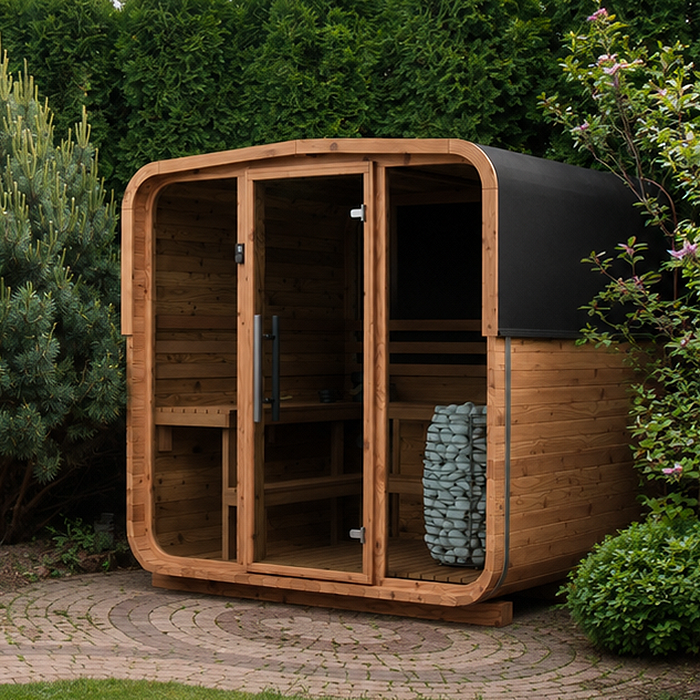
03
Calculate energy from measured consumption
For the electric example, base the running-cost estimate on measured consumption, not rated heater power multiplied by the total time you plan to spend in the sauna. Rated power alone does not tell you how much electricity a complete session uses. Include the pre-heat and bathing period in the measurement boundary, and record any standby load only if it is attributable to the sauna. Use a measurement approach suitable for the equipment; if direct monitoring involves electrical work, ask a qualified electrician to arrange it. Record kWh and the number of sessions over the same period so that your cost per session is based on comparable figures.
For each period, multiply the measured kWh attributable to the sauna by the applicable variable rate in euros per kWh. If your rate changes, record the rate and dates and add the periods separately. A forward estimate can show lower, central and higher tariff assumptions, but do not present one as a known future price. Leave fixed household charges out unless the sauna genuinely adds to them, and separate lighting or other loads only where you can identify their use. A listing such as Sauna HC-225 does not give you a kWh figure by its name. Get the heater details for the configuration being offered, then replace the forecast with your own readings when available.
Budget for routine care and cleaning
Keep routine care separate from energy and repair work. List the supplies you actually expect to buy, such as cleaning products or replacement items specifically recommended by the manufacturer, and use receipts or current quotes rather than a generic annual figure. Check the instructions for the exact model for cleaning methods and any wood-care guidance. Do not apply a coating or cleaner simply because it is commonly used on garden timber. Distinguish work you do yourself from paid work so the cash budget shows what you will spend, rather than combining it with the value of your time.
Keep a year-by-year record of the date, task, product used, amount paid and whether the work was planned or corrective. If a supply is already used around the house, include only the additional amount you can reasonably attribute to the sauna; do not charge the full purchase twice. For a worksheet entry such as Sauna N-210, use the care instructions for the actual model and configuration rather than assuming all outdoor saunas need the same treatment or interval. If you want to include your own time in a broader ownership comparison, record those hours separately and state how you value them. They are not a cash bill unless you pay someone.
04
Keep servicing, repairs and contingency separate
Budget for planned servicing only where the supplier or manufacturer recommends it for the selected setup, and use the stated interval and a current price. Ask what a visit, inspection or replacement part covers, and whether travel or labour is separate. Requirements may depend on the heater and installation, so this guide does not assume a particular service is compulsory or included. Put a confirmed cost in the year when it is expected rather than spreading it evenly across five years without a reason. If there is no confirmed service price, label your estimate as provisional instead of presenting it as a known charge.
Repairs are less predictable, so keep a reserve separate from confirmed costs. A clear worksheet can show scheduled service, parts or work already identified by an inspection, and an owner-selected contingency allowance. Label the last as a planning reserve; when a repair is paid for, record the invoice and do not count both the reserve and the repair as spent. For a quote involving Sauna N-250, ask for servicing and spare-parts information that matches the exact model and configuration. Keep receipt dates and job descriptions with the estimate so that, after five years, you can distinguish actual maintenance from the allowance you set aside.
Include only additional running costs
Some bills cover the whole property, so count only the part that changes because of the sauna. Do not assign a share of the household electricity, water or broadband bill simply because the sauna is on site. For lighting, controls or other equipment, first establish whether their consumption is already captured by the sauna’s energy measurement. If it is, a second entry would count the same spending twice. Include water or other shared supplies only to the extent that they create an additional cost beyond ordinary household use. Where you cannot separate that amount reliably, show the allocation as an estimate alongside the measured subtotal rather than implying that it is precise.
Give each additional expense one place in the worksheet and note whether it is a one-off purchase or a recurring cost. For a quote based on Sauna LC-260, tie each optional extra to that exact offer instead of carrying over an accessory or utility assumption from another listing. An accessory bought at the outset belongs with the initial outlay; its identifiable running costs belong in the relevant years. Fuel collection or paid fuel delivery may need separate entries in a wood-fired budget, but they do not belong in this electric example. Before totalling each year, reconcile these entries with the energy and care records so that a single receipt or bill has not been entered under two headings.
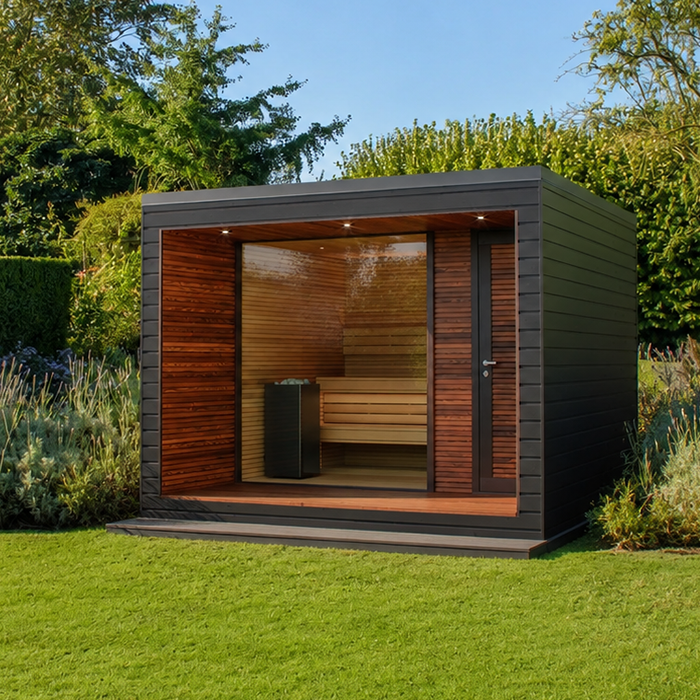
05
Test changes in use, tariffs and maintenance
A single five-year projection can hide how much the result depends on its assumptions. Keep the purchase and confirmed installation costs fixed in the base sheet, then test the inputs that can change: number of sessions, measured kWh per session, the energy rate, and service or repair spending. Make lower, base and higher cases using figures you can explain, such as a different household schedule or a tariff assumption based on a quote. Avoid choosing arbitrary percentages with no basis. Change one input at a time first to see its effect, then combine plausible changes in a separate cautious case. This shows how changes in use, energy prices or upkeep affect the total without pretending to know future costs.
Update the calculation when a written quote, meter reading, tariff or maintenance recommendation changes. Do not apply one current unit rate to all five future years without stating that it is a simplifying assumption; show rate changes as a sensitivity instead. If you are comparing another listing such as Sauna HCF-300, create a fresh row for its own configuration, delivered cost, installation scope and measured or quote-supported energy inputs. Similar model names or listed areas do not establish equal purchase prices, running costs or servicing needs. Keep dated versions of the worksheet so you can see which new information changed the estimate.
Calculate the five-year total and cost per use
Build the projection from separate lines rather than one guessed annual figure. For the electric example, the five-year budget is the initial installed subtotal plus five years of energy, routine supplies, scheduled service, paid care and a clearly labelled repair allowance. Add financing costs if they apply. For an account of costs actually paid, replace forecasts and reserves with the amounts paid; do not count a reserve as an invoice as well as counting the repair it funded. If a sale happens within the period, show the proceeds separately and say whether you are reporting gross spending or net cash after the sale. Do not assign a resale value in advance without evidence.
Keep the initial installed subtotal visible, then divide the five-year total by the number of sessions actually completed to find a realised cost per use. For a forward plan, divide the projected total by the stated 500 sessions and label the result as an estimate. A household that uses the sauna less spreads the fixed outlay across fewer sessions, while higher use can also increase energy and upkeep; it is not automatically a simple saving per use. Compare two options only when the time window, use pattern and included costs match. The result is a useful ownership figure, but it should remain distinct from the starting installed price and from any unverified future costs.
Frequently asked questions
Is the installed price the same as the five-year cost?
No. The installed price is the initial outlay for the sauna and the agreed delivery, site and installation work. A five-year estimate also includes ongoing costs such as measured energy use, routine supplies, any planned servicing and repairs.
How many sessions does this example assume?
It assumes two sessions a week for 50 weeks a year: 100 sessions annually and 500 over five years. This is a planning assumption, not a typical-use claim. Replace it with the schedule you expect and update it with actual use.
Can I calculate electricity cost from the heater’s rated power?
Rated power alone does not tell you the electricity used over a session. Base the estimate on measured kWh for the complete period you define, including pre-heating, and multiply by the applicable energy rate.
Should I put a service charge in every year?
Only if a service is recommended or agreed for that year. Use the instructions for the exact setup and a current quote; do not apply a universal annual allowance as if it were a confirmed charge.
How do I account for wood fuel or resale?
For a wood-fired setup, replace the electricity line with measured fuel use multiplied by its current price. Do not deduct an assumed resale value: show proceeds separately only if a sale takes place and you know the amount.
A useful five-year budget is built from a clear starting quote, a stated use pattern and costs you can measure or verify. Keep one-off installation spending apart from recurring expenses, record actual sessions and energy use, and label uncertain items as estimates. The resulting total will be specific to your setup and plans, rather than a misleading price that leaves out the years after installation.
