
Choosing a Sauna for a Holiday Home Used at Weekends
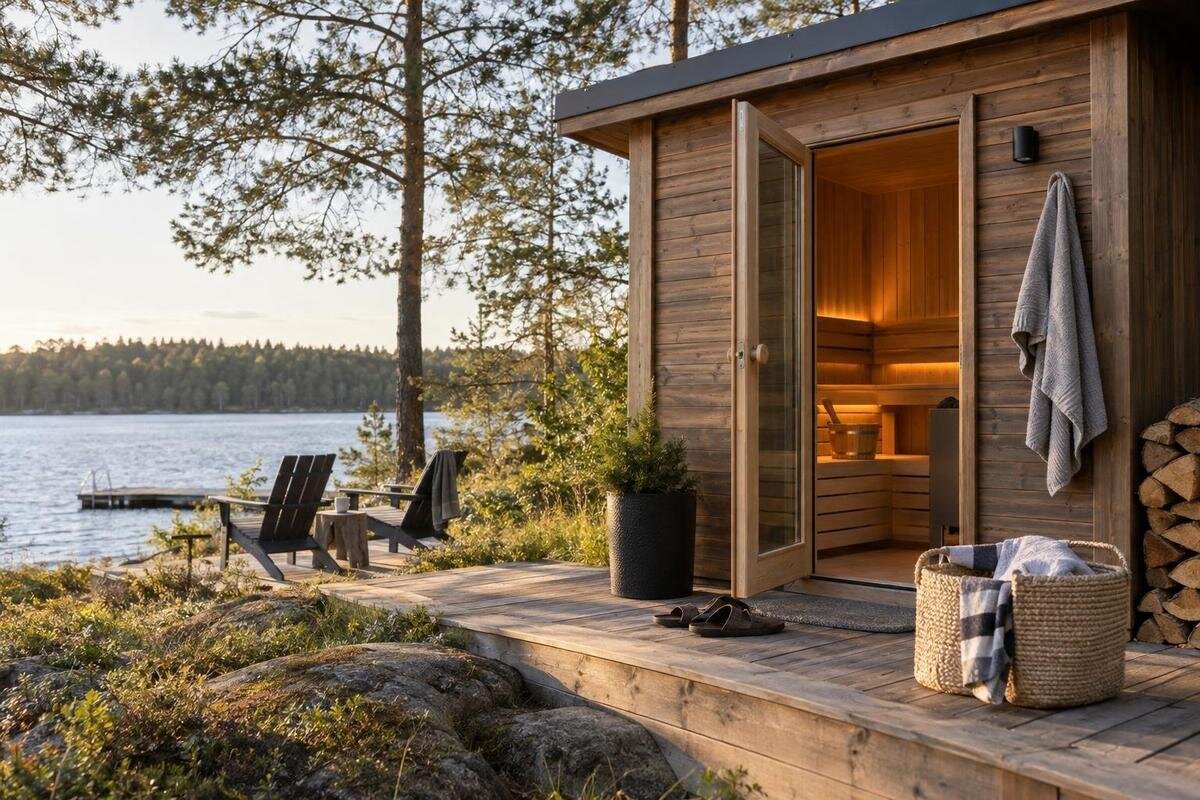
Weekend sauna planning
A sauna in a holiday home has a different rhythm from one used every day. The building may stand empty for most of the week, and an owner may have only a short stay in which to inspect, prepare, use and shut down the sauna. That changes what matters when choosing: access to the unit, clear controls, time for an attended start-up, drying after use and a sensible plan for the vacant days. Treat occasional use as a routine to design, not a reason to assume the sauna can be heated remotely or left running. The best fit is one that works with the property and the people who can look after it.
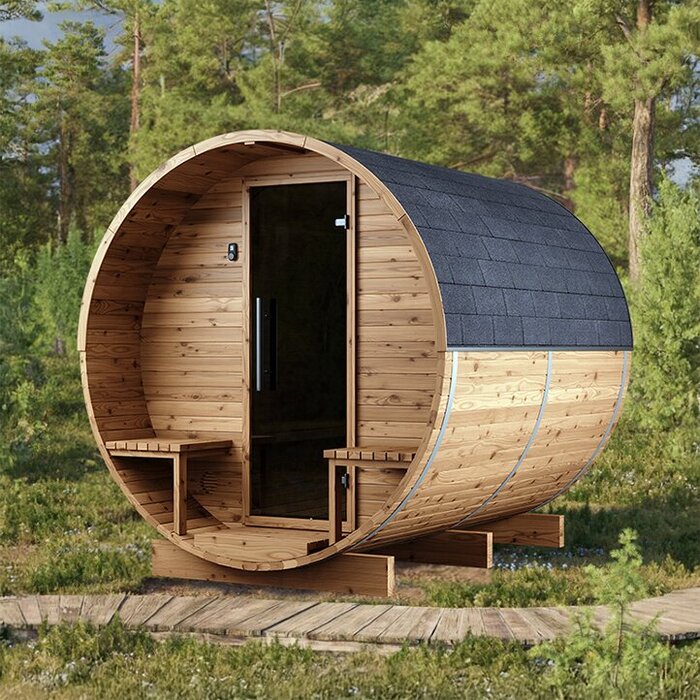
Planning sauna use around short stays
Intermittent occupation creates two separate tests. First, can the people who arrive use the sauna safely and comfortably during a limited stay? Second, can it be left in a known condition until the next visit? A model that looks appealing but depends on someone being present daily, or on an unclear sequence of controls, may be a poor fit. Write down how often the home is used, how long each visit lasts and whether anyone can attend between visits. Include late arrivals, short stays and weeks when plans change; these details affect whether a session can be prepared properly rather than squeezed into the first hour.
Set the operating principle before comparing models: use the sauna only when someone is on site and able to follow the instructions. If different members of the household visit independently, make sure the routine is manageable for each of them, rather than relying on one experienced owner always being there. Agree who takes responsibility when several people are staying and who completes the final shutdown. A short visit should still leave enough time for both preparation and closing down. If it does not, plan to skip that session rather than rush the procedure to fit the weekend.
Capacity and layout for your usual group
Size the sauna around the people who will use it most often, while allowing for occasional visitors without assuming every weekend will involve a full group. Record the usual number of users and whether they expect to sit together. The layout matters as much as a headline area: bench positions, usable internal space and the ease of getting in and out all affect how it works for your group. Also decide whether wet coats, towels or a changing spot need room outside the cabin; do not count that adjoining space as sauna capacity. If users have different access needs, assess the entrance and bench layout rather than guessing from a photograph.
A product name or floor-area figure does not establish the number of seats or how the interior feels. For an option such as the S-140 listing, use the page to identify the model, then request the current drawing and the internal layout for the configuration being offered. Compare any stated user guidance, bench arrangement, door position and access with your own party. If the product information does not answer a practical question, ask before purchase rather than estimating capacity from a model code or image. A difference in layout may matter more to your group than a small difference in advertised area.
Check the site and the route to it
Look at the whole route, not only the space where the sauna will sit. Consider how the chosen location is reached in wet weather or after dark, whether there is room for delivery and later maintenance, and whether users can move between the house and sauna without crossing areas that become awkward when the ground is wet. Check what the manufacturer specifies for the supporting surface, clearances and exposure, and whether the proposed position allows access to doors, vents and service points. Site conditions are specific to the property: a photograph or advertised footprint cannot tell you whether a base, drainage arrangement or route is suitable.
Before choosing a site, ask a qualified installer or other relevant professional to assess the intended position and the property's services against the exact model documents. Do not design a support, alter electrical provision or guess clearances from a general diagram. The HC-150 listing can identify one candidate, but you need the current manufacturer's drawing and installation requirements for the exact configuration before setting out the site. Include practical access for whoever will check the unit during a vacant period; an attractive corner that is difficult to reach can make routine inspection less likely.
Confirm the heater, supply and controls before ordering
Confirm what is included and which heating and control arrangement is available for the configuration you are considering. A product-family name does not tell you whether the heater is included, what fuel or supply is required, where the controls are located or whether the sauna has a remote function. Ask for current product details and the manual that matches the package being offered. Have a qualified installer check compatibility with the property before ordering, rather than inferring it from the house's existing equipment or the sauna's appearance. Verify local availability and the configuration being sold before treating any option as final.
When comparing an option such as Sauna HC-225, ask how the proposed system is started, monitored and shut down, and what must be checked before heating. Consider whether the people who normally visit will be comfortable using those controls after a gap of several weeks. Ask the supplier to distinguish standard equipment from optional controls, and confirm which instructions apply to the package being quoted. Keep any unanswered questions separate from confirmed features. This gives you a clearer comparison than choosing by the appearance of a control panel or assuming that every configuration of the same model operates in the same way.
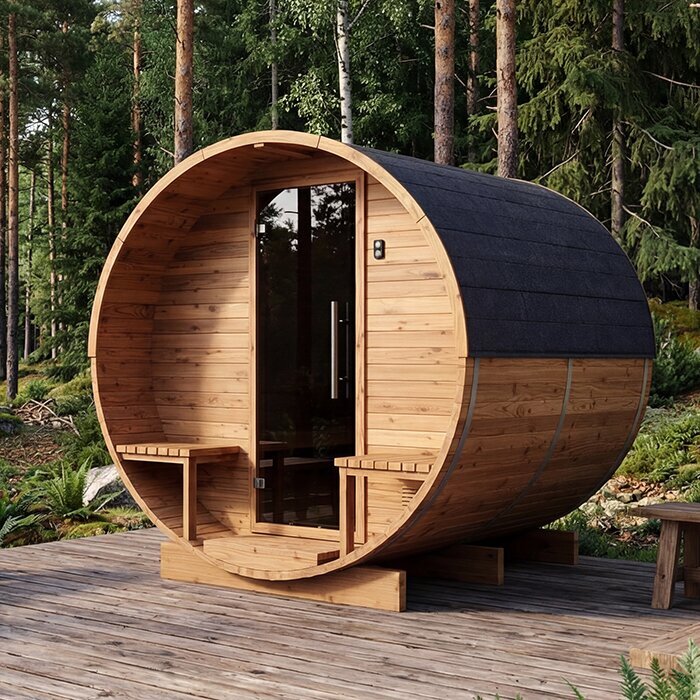
Arrival planning and start-up time
Allow time to open up the property and complete the sauna's pre-use checks before beginning the stated start-up sequence. A late arrival may leave less time than expected, especially when you also need to unpack and settle into the house. Treat a Friday evening session as optional rather than something the equipment must be ready for immediately. Preparation and heating time depend on the equipment and conditions, so use the manufacturer's guidance rather than a universal warm-up allowance. When comparing options, consider whether their documented start-up routines fit your usual arrival time and leave enough time to shut down properly afterwards.
Put the start-up sequence in the property folder alongside a record of the installed model, heater and controls. A page such as the N-210 listing may help distinguish a candidate, but the checklist should identify the actual unit and fitted configuration, not just a product-family name. Include who to contact if a visual check raises concern, and what to do if a visit begins with no manual or an unfamiliar control panel. On the first visit after installation or a change to the equipment, allow time to familiarise yourself with the procedure. Do not learn by trial and error while trying to keep to a weekend timetable.
Check the sauna on site before each session
Make a short walk-around part of every visit, including when the sauna worked without difficulty last time. Look for obvious damage, displaced parts, water entry, blocked openings and changes to the door or surrounding area. Confirm that the cabin is clean enough for use and that any inspection points named in the manual are accessible. A visual check is not a repair procedure: if something appears damaged, wet, obstructed or otherwise different from the instructions, leave the sauna off and ask the manufacturer, installer or service professional what to do. Do not remove covers or investigate electrical components yourself.
Inside, remove items left from the previous stay and make sure the surfaces and equipment are in the condition described by the manual. Keep towels, clothing and other belongings away from the heater; use the clearances and placement rules for that exact unit, not a distance copied from another sauna. Check the controls and any indicators as instructed, and do not start if their state is unclear. The N-250 page identifies one model; the pre-use routine still needs to match the installed heater and control package. Do not mistake a model name for operating instructions.
Shut down and leave the sauna dry
After the last session, use the manufacturer's shutdown sequence and confirm the controls show the unit is off as described. Do not assume that pressing a single button, using an app or switching a general supply is the right procedure for every configuration. In particular, do not leave the heater running to dry the sauna while the property is vacant. If the controls behave differently from the manual or remain in an uncertain state, do not guess; contact the appropriate professional and make a note for the next visit.
Remove towels, rubbish and personal items, clean the surfaces as directed, and allow the cabin to dry and ventilate in the way the manufacturer specifies. There is no universal rule to leave every door or vent open for days: weather exposure, security and the design instructions all matter. When considering the LC-260 model, ask about the full cleaning and drying procedure before deciding how it will fit into departure day. Include that procedure in the close-down checklist and note who completed it. The record should help the next visitor recognise a missed step, without replacing the operating instructions.
Leaving the sauna between visits
Use the selected sauna's manual to establish how it should be left between stays. It may specify a position for doors or vents, periodic visual checks, or a different approach during a prolonged vacancy; do not infer those details from the fact that the cabin is outdoors. Distinguish the normal gap between weekends from a longer closure when the house will not be used. Ask how the unit should be left in the conditions at the property, including exposure to wind-driven rain, shade, damp ground or seasonal weather. Resolve these questions through the manufacturer's guidance and, where needed, a site professional rather than assuming the same routine suits every vacant period.
Consider who will notice a change if nobody stays at the house for several weeks. A neighbour, caretaker or owner may be able to look at the property, but agree what they can inspect and whom they should call; do not ask an untrained person to repair the heater or make adjustments. For a candidate such as the HCF-300 model page, request storage and inspection guidance for the precise configuration, and check that the property routine is realistic in the quiet season as well as the busy one. If nobody can visit, be especially cautious about relying on sensors to detect every issue.
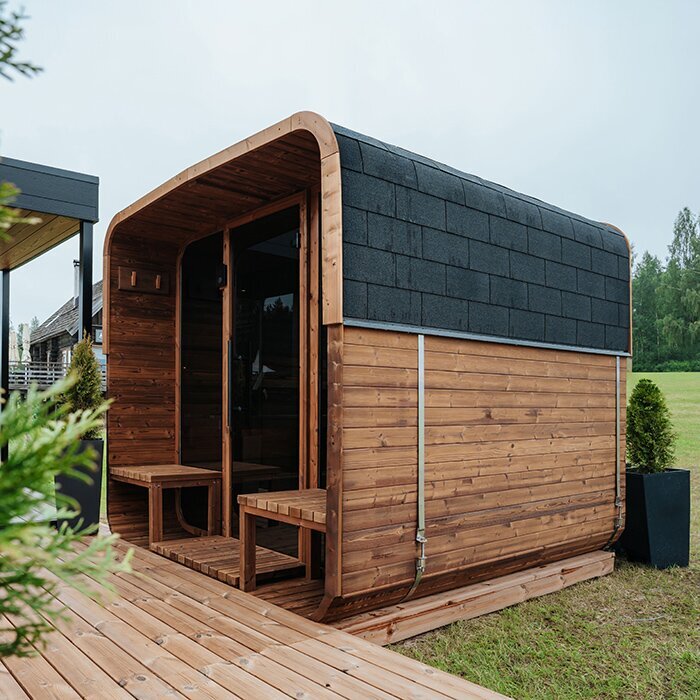
Property monitoring and responses to alerts
Monitoring can help you stay informed about the property, but first decide which problem it is intended to flag: a loss of connection, a change in room conditions, a leak elsewhere in the building or a security event. Choose compatible equipment with advice from a competent installer where needed, and identify who receives an alert and who can attend. Account for gaps in mobile coverage, power or internet access; a notification system that cannot reach a person is not a response plan. Keep property monitoring separate from the sauna's operating controls unless the manufacturer confirms they are designed to work together.
Remote status is not the same as confirming that the sauna is clean, clear of belongings and safe to use; an alert cannot inspect damage or complete a shutdown routine. Do not use property monitoring as permission to preheat an empty sauna. For the LCF-300 page or any other candidate, check claimed control features against the exact manual and installation. Consider remote operation only with written manufacturer instructions and qualified professional advice. The practical back-up is a named person who can visit, assess the sauna on site and leave the property in the agreed condition.
Compare the work over a full season
Compare the effort over a full season, not only the convenience of the first weekend. Include the time needed to open the property, inspect the sauna, prepare it, clean up and close it; also consider who can carry out routine checks during longer gaps. Occasional use does not make cleaning, care or servicing disappear, and a larger or more complex arrangement may create work that is not obvious from a product photograph. Equally, a smaller option is not automatically simpler if its layout or access does not suit the usual users. Base the comparison on documented needs and the people available to meet them.
Put each candidate on one sheet with the exact model and configuration, drawing, heater and control details, operating and close-down instructions, installation requirements, local availability and who will look after the property. Separate confirmed details from open questions so nobody treats an assumption as a product feature. Then test the plan against a real weekend: who arrives first, how much time is available, and who is responsible after the final use? Include a longer gap between stays in the comparison. Choose a routine the household can maintain throughout the season, rather than one that works only when everyone has plenty of time.
Frequently asked questions
Can I preheat the sauna remotely before I arrive?
Do not assume that remote preheating is available or suitable. Plan to start the sauna only when someone is present and has completed the checks in the manual. Consider remote operation only if the instructions for the exact equipment expressly allow it and a qualified professional confirms the full arrangement and its safeguards.
How much time should I allow to prepare the sauna after arriving?
There is no reliable general time to use for every sauna or set of conditions. Allow time to inspect the property and sauna, follow the start-up instructions and heat the unit as directed. Check the manual for the exact configuration, and postpone use if an inspection raises a concern.
Should I leave the sauna door open between weekends?
Follow the manufacturer's instructions for cleaning, drying and ventilation. There is no universal rule to leave every door or vent open while a property is empty; weather exposure and security matter too. Set the sauna in the condition specified for the exact model before you leave.
What should I check before using the sauna after it has been empty?
Look for visible damage, signs of water entry, blocked openings or a change in how the door works. Check the interior and controls as directed in the manual, and make sure the heater area is clear. If anything is damaged or unclear, leave the sauna off and seek appropriate advice.
Is a smaller sauna automatically better for occasional use?
No. How often you use it does not determine how many people it needs to accommodate or whether its layout suits them. Compare the drawing, bench arrangement, access and site requirements for the exact configuration. Do not infer seating or capacity from a model name, photograph or area figure.
Weekend use can be straightforward when the setup suits the household and the vacancy routine is clear. Choose using the drawings and exact configuration details, confirm the site and services with the right professional, and keep model-specific start-up and shutdown instructions at the property. Make each session an attended one, allow time for checks and drying, and arrange for a real person to look in when needed. That is a more dependable basis for choosing than assuming the sauna can be ready before anyone arrives.
