
What Sauna Heater Stone Capacity Means for Your Choice
Sauna heater buying guide
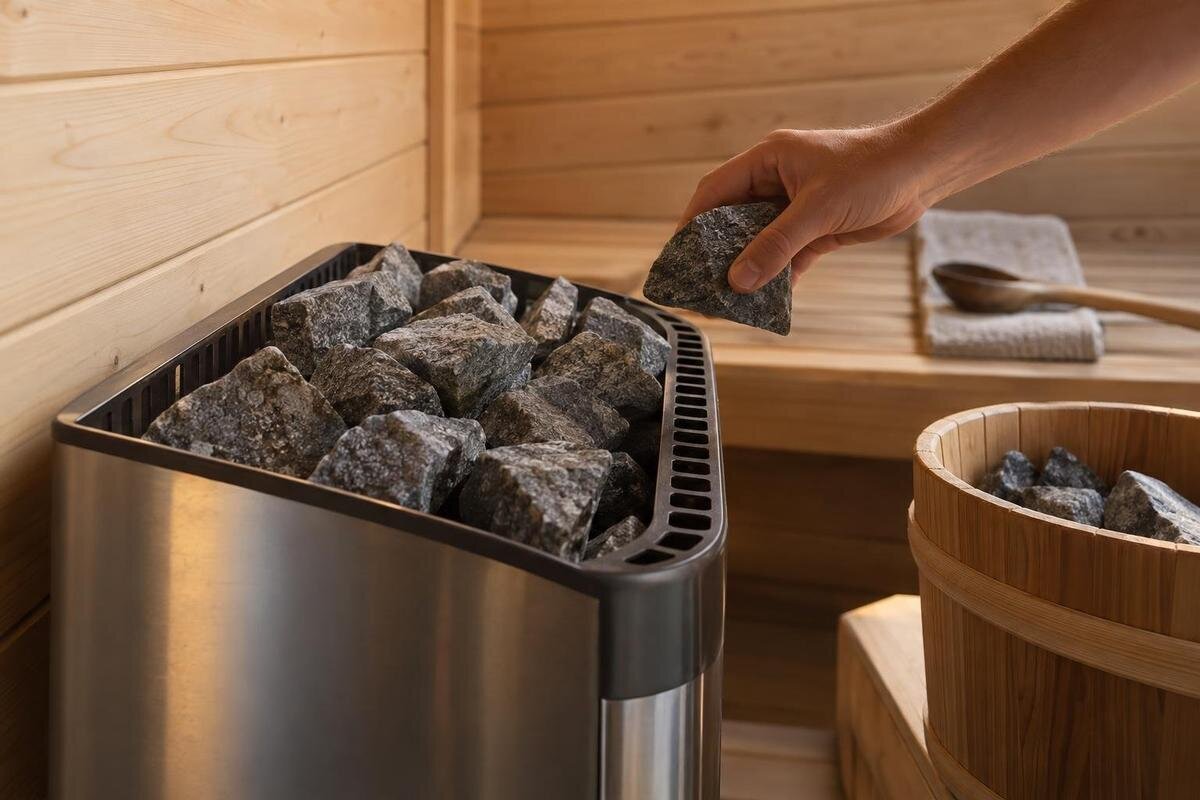
Stone capacity is a useful specification, but it describes only one part of a sauna heater. It usually refers to the load of stones the unit is designed to hold; it does not tell you, on its own, how quickly the sauna will heat, what room the heater suits or how steam will feel. Those outcomes depend on the complete heater design, the way stones are loaded, the cabin and the manufacturer’s operating instructions. To choose sensibly, read capacity alongside the heater’s power and room guidance, then check its stone diagram and what is included. This guide explains what the figure can—and cannot—help you compare.
What heater stone capacity measures
In a heater specification, stone capacity is the stated load of stones that the particular unit is designed to hold. It is often reported as a weight in kilograms, but the wording matters: the value may be a maximum, a recommended amount or a permitted range. These are not interchangeable. Check the manual for the exact heater model and configuration to see what the figure counts. A bare number in a short catalogue entry may not define the intended load clearly. If the unit or meaning is missing, ask for clarification before comparing it with a documented capacity. Do not infer the figure from a model code or product photograph.
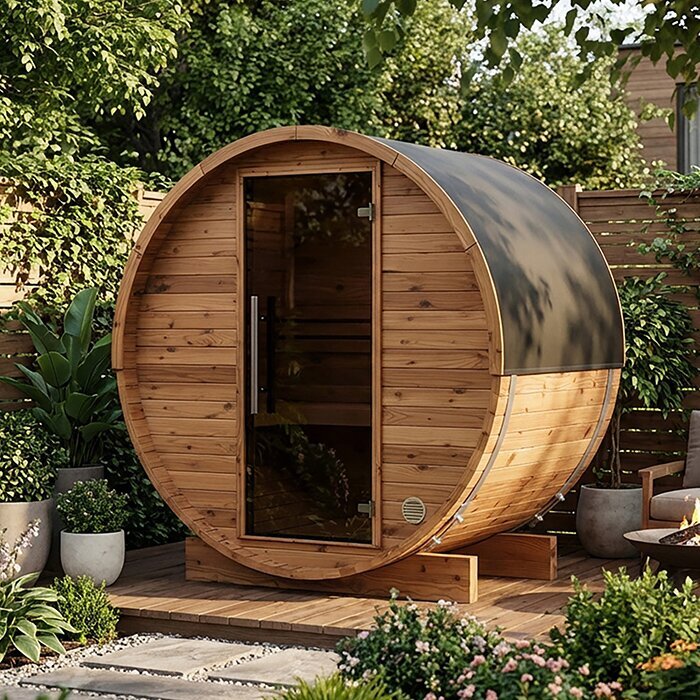
Keep stone mass separate from power and room suitability. A power rating, where given, describes a different attribute; one value cannot be converted into the other. Nor does a high capacity automatically mean that a heater can serve a larger sauna. The Thermowood Barrel Sauna N-250 listing gives an area of 5.27 m². That is a cabin measurement, not a heater’s stone load, and area alone does not provide the internal volume needed to match a heater to a room. In your comparison, label each figure by what it describes: cabin area, heater power, room range or stone capacity. Keep the exact heater model beside its figures. This prevents a prominent number on a product page from being mistaken for a different specification, especially when you are comparing a cabin package with a separately listed heater.
How stone mass can affect heat and steam
Stones are part of the heater’s heat-storage system, not just a surface for water. All else being equal, a greater mass of the same stone heated to the same temperature can store more thermal energy. That does not tell you how much heat will reach the room, or when. The heater’s output and construction, how its elements heat the bed, the stone size and spacing, and the cabin all affect the result. A larger load may also require more energy to reach a given state. The actual warm-up pattern depends on the complete design, so a kilogram figure is not a promise of quicker pre-heating, hotter air or lower electricity use.
When water is poured onto hot stones, the response depends on more than the total load. The temperature of the stones, the exposed hot surface and the route water can take through the bed all matter. A capacity figure cannot show whether the centre of the load heats in the same way as the upper layer, or how quickly warmth returns after water is added. If the way a heater handles water matters to you, look for the manufacturer’s guidance and the stone arrangement for that model. More stones do not automatically mean more steam or a particular kind of session.
Why heater design matters as much as the capacity
Two heaters with the same stated stone load can arrange those stones differently. One design may expose a basket of stones to the room; another may position stones around or behind part of the heater body. The exposed surface, space between stones and position of the heating elements can all vary. Those details influence how the stones are heated and how water reaches hot surfaces. Capacity describes a quantity, not this arrangement, so matching kilogram figures do not establish that two heaters will behave alike. Check product drawings and the model’s manual rather than treating stone mass as a complete description of the heater.
Keep sauna model numbers separate from heater model numbers. The LC-260 Thermowood Barrel Sauna page lists an area of 5.12 m², but that cabin detail does not describe the arrangement or capacity of a separate heater. Identify the heater offered with the configuration you are considering, then use its drawings to understand where the stones sit in relation to the heater body and heating elements. Read those drawings alongside the loading instructions: an illustration of the finished heater is not a substitute for the specified arrangement. If two options have the same capacity, describe their layouts separately rather than recording them as equivalent. This gives you a more useful comparison than the weight alone and keeps details from different heater versions from being mixed together.
Match the heater to the sauna’s internal volume
Before comparing stone capacities, check the manufacturer’s stated room-size or volume guidance for the exact heater. An area in square metres is not a volume: internal height matters too, and outside measurements may not describe the usable interior. Follow the sizing method in the heater documentation and note any construction features it says to take into account. Do not apply an assumed adjustment for glass, masonry or other surfaces if the manufacturer has not specified how to assess them. If you are unsure which measurements are required, use the manual or ask a qualified professional rather than choosing by area alone.
The HCF-300 sauna listing gives an area of 6.89 m², but does not state the internal volume needed for a heater comparison. Keep the listed area alongside the cabin’s actual internal measurements, then check those against the selected heater’s room guidance. Record whether a measurement describes the exterior, the whole cabin or the sauna room itself; do not treat those descriptions as interchangeable. If the cabin is not yet assembled, obtain the relevant internal dimensions from its documentation or a qualified professional. Where the heater’s sizing method asks for other construction details, record those with the measurements rather than trying to account for them by choosing a larger stone load. This makes the room-size comparison traceable and leaves stone capacity to describe the heater rather than compensate for uncertain dimensions.
Follow the stone-loading diagram
The stated weight is only one part of the loading instructions. A manual may specify the approved stone size, how the stones sit around the heating elements and whether a particular arrangement or spacing is required. Follow the diagram for the exact model; do not assume that filling every visible gap or packing stones tightly is correct. An arrangement that differs from the instructions may change the intended airflow or place stones where they were not designed to sit. The fact that a load fits inside a heater does not prove that it has been loaded as intended.
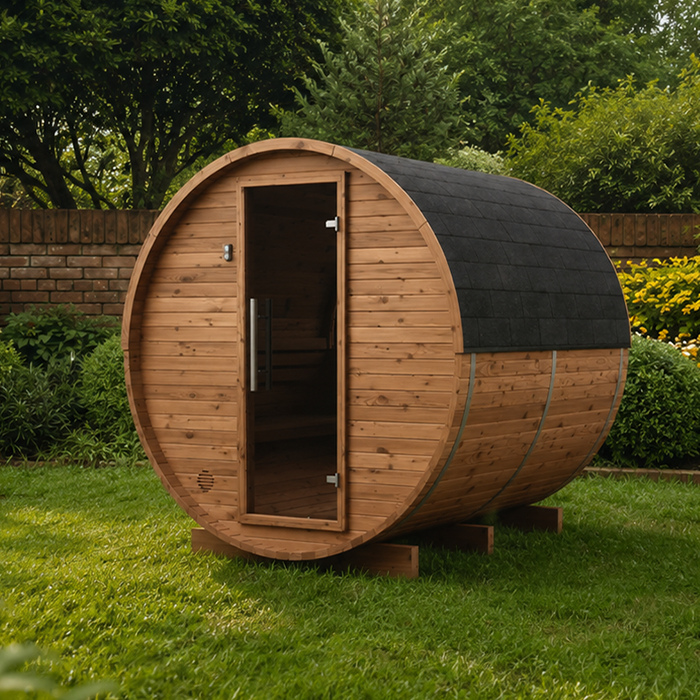
The LCF-300 model page lists an area of 6.89 m², but that cabin measurement cannot tell you how stones belong in a heater. For the heater you select, read the loading diagram together with the specified weight and stone sizes. A weight tells you how much stone is permitted; the diagram explains how that load is intended to be arranged. When comparing options, note whether their instructions are clear enough for you to understand the required arrangement and later refer back to it. If a diagram or description is unclear, resolve that particular point before loading rather than relying on a photograph of another model. A different cabin configuration does not change the heater’s permitted load, stone sizes or spacing instructions.
Check whether stones are included
A stated capacity does not, on its own, confirm what arrives with the heater. The capacity describes the load the unit is designed to hold; the package contents say whether stones are supplied with the item you are buying. Check the details for the exact model and configuration, and confirm whether the full intended load is included or must be obtained separately. If buying stones separately, use the type and size specified for that heater. Do not assume that any stones that fit the basket are suitable or that a partial supply should be topped up without checking the instructions.
The Thermowood Barrel Sauna S-140 is listed with an area of 1.93 m². That detail does not establish whether a heater or stones are included in a particular configuration. For an order comparison, distinguish between the sauna itself, the selected heater and the stone supply. Against each item, note whether it is included, selected as an option or still to be obtained separately. Where stones are supplied, check the stated quantity against the heater’s loading requirements rather than assuming that the package contains the full intended load. If the contents are described only as a sauna package, clarify which heater and stone supply that description covers. This helps you compare complete purchases without confusing the heater’s capacity with the quantity of stones being supplied.
Compare like-for-like specifications
Before comparing two capacity figures, check that both refer to the same thing. A documented weight in kilograms is not directly comparable with a count of individual stones unless the manufacturer provides a conversion for that model. Check whether each figure is a maximum, a recommended load or a range, and whether the stated stone size is the same. If the product entry and manual use different wording, do not resolve the difference by choosing the larger number; seek clarification for the exact heater version. A comparison is useful only when the units, definitions and model details are clear.
The HC-150 sauna page lists an area of 2.97 m². Keep that cabin measurement separate from the heater’s room-range and stone-load information when building a shortlist. Use consistent column headings for each heater: capacity figure, unit, whether it is a maximum or recommended load, and permitted stone size. Preserve the original wording where two descriptions differ; do not silently turn a maximum into a recommended amount just to make the table look consistent. Leave an unclear entry marked as unclear until it has been explained. Alongside this comparison, keep a separate record of the cabin model and internal measurements. The aim is to compare equivalent heater specifications, not to derive a stone weight by scaling from the sauna’s floor area.
Consider how you want to use water on the stones
If you have a preference about how water is used in the sauna, look beyond the total weight of the stones. The surface exposed to water, the way stones sit in the heater and the model’s instructions for water use all help describe what to expect. Some designs may give water access to a different part of the stone bed than others, but capacity alone does not show where water can be poured or how the heater responds. Check the manual for any limits or instructions, and use the manufacturer’s description of the particular design rather than assuming that a larger load will produce a preferred steam response.
The HC-225 listing gives an area of 4.4 m² for that sauna model; it is not a measure of the steam its chosen heater will produce. To make your preferences useful in a comparison, frame them as questions about the heater rather than as a target stone weight. Where do the instructions permit water to be poured? What do they explain about the exposed stones and the intended use of the stone bed? Does the manufacturer describe the response you are interested in, or are you drawing that conclusion from capacity alone? Keep any unanswered preference separate from confirmed specifications. This allows you to compare the available descriptions without turning the kilogram figure into a comfort score or assuming that everyone will experience the same design in the same way.
Keep installation requirements separate from capacity
A stone-load figure does not establish where a heater can be installed or whether it suits the available space and services. Check the exact model’s requirements for placement and clearances, along with any mounting, connection or control requirements that apply. These are separate from stone capacity and must be checked against the manufacturer’s documentation. Do not use the stone weight as a substitute for installation instructions or attempt to resolve technical questions by adjusting the load. Where the requirements involve electrical work, structural support or a configuration you cannot verify, consult a qualified professional.
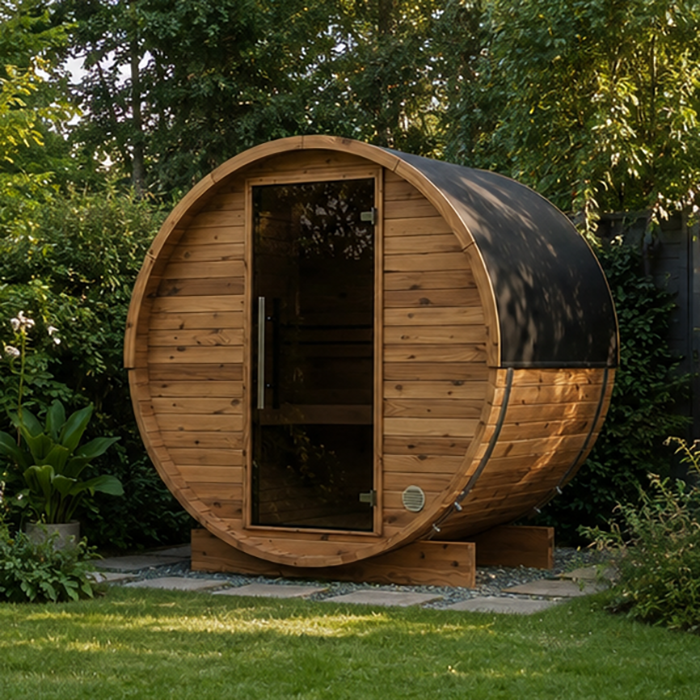
The N-210 Thermowood Barrel Sauna page lists an area of 4.43 m², but that measurement does not answer questions about heater clearances, connections or installation suitability. For a proposed setup, bring together the cabin’s measured interior dimensions, the exact heater model and its installation requirements. A qualified professional can then assess the relevant placement, support and connection questions without having to infer them from a stone-capacity figure. Keep a record of any unresolved installation issue against that particular heater, rather than treating it as a reason to add or remove stones. If a different heater is proposed, assess its own requirements instead of carrying over the previous model’s details. Capacity remains one comparison point, while the installation assessment determines whether the proposed arrangement is appropriate.
A practical checklist for comparing heaters
For each candidate, make one record with the exact heater model, its manual, any stated power rating, the documented room range and the stone capacity with its unit and definition. Add the permitted stone size and loading diagram, then note whether stones are included in the particular configuration. This makes it easier to notice when a short product description leaves out information that appears in the manual. It also reduces the risk of comparing specifications from different versions or assuming that a similarly named heater has the same load and instructions.
Use the cabin’s internal measurements and the manufacturer’s room guidance to establish which candidates are appropriate to consider; do not choose a load by multiplying or scaling from an area figure. Among options that meet the documented room and installation requirements, compare their designs, stone layouts and instructions for use. Before committing, confirm the exact local configuration and what is included. A larger capacity may be relevant to a design, but it is not a quality ranking or a reliable shortcut to a particular heat-up time or steam response.
Frequently asked questions
Does a higher stone capacity mean a more powerful heater?
No. Stone capacity describes the intended stone load; a power rating, where given, is a separate specification. To assess suitability, check the exact heater’s room guidance and installation requirements as well as its stone capacity.
Can stone capacity tell me how long the sauna will take to heat?
Not by itself. Warm-up depends on the complete heater design, how its stones are loaded, the sauna enclosure and other conditions. Treat any heat-up information as model-specific rather than predicting it from the kilogram figure.
Are the stones included when a heater’s capacity is listed?
The capacity figure alone does not confirm what comes with the product. Check the package contents for the exact heater and configuration, and confirm the permitted stone type and size if stones are supplied separately.
Is the sauna’s area enough to choose a heater?
Usually, area alone is not enough to assess a heater. Check the manufacturer’s guidance for the exact model and use the internal room measurements it requires, including height if a volume range is specified.
Can I add extra stones to change the steam?
Do not exceed the specified load or change the arrangement without checking the heater’s instructions. The permitted stone size and loading pattern matter as well as the weight, and capacity alone cannot predict the steam response.
Stone capacity is most useful when you know exactly what the figure means and how the heater is designed to hold its stones. Compare it with the model’s room guidance, loading instructions and package contents, while keeping the sauna’s internal measurements and installation requirements in view. Once those details are clear, capacity can help distinguish designs; by itself, it cannot tell you which heater will suit your room or deliver a particular experience.
