
Estimate Wood-Fired Sauna Fuel Use and Expense
Sauna running costs
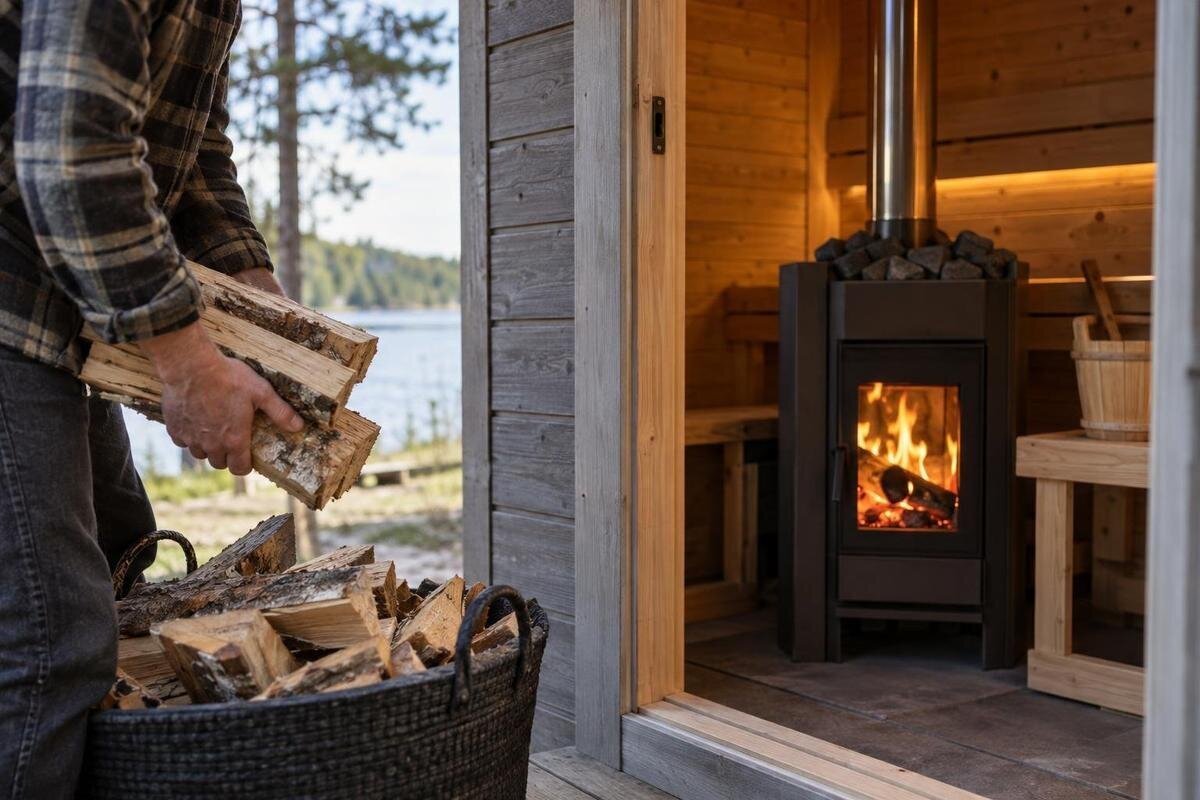
Working out the fuel expense for a wood-fired sauna starts with your own firewood use, not a generic allowance per hour. Define a complete heating cycle, measure the wood used and apply the price you actually pay for the same quantity. Repeating that record gives you a personal cost per session and a better basis for a seasonal budget. It does not establish what another cabin will consume or whether wood is cheaper than another heat source.
What to check before estimating 1
Define a complete heating cycle
Decide what a session means before putting a euro figure on it. If you light the stove while the cabin is cold, include the fuel used to bring it up to the conditions you want, even though nobody is inside during that part. Add any wood used while people are bathing. Choose where the cycle ends—perhaps when you stop adding wood or when the planned visit is over—and use that boundary every time. If the fire is kept going for several groups, count it as one heating cycle or divide it by a stated rule; do not compare that total with a single short visit. Label a start with residual warmth separately from a cold start, since they are not like-for-like.
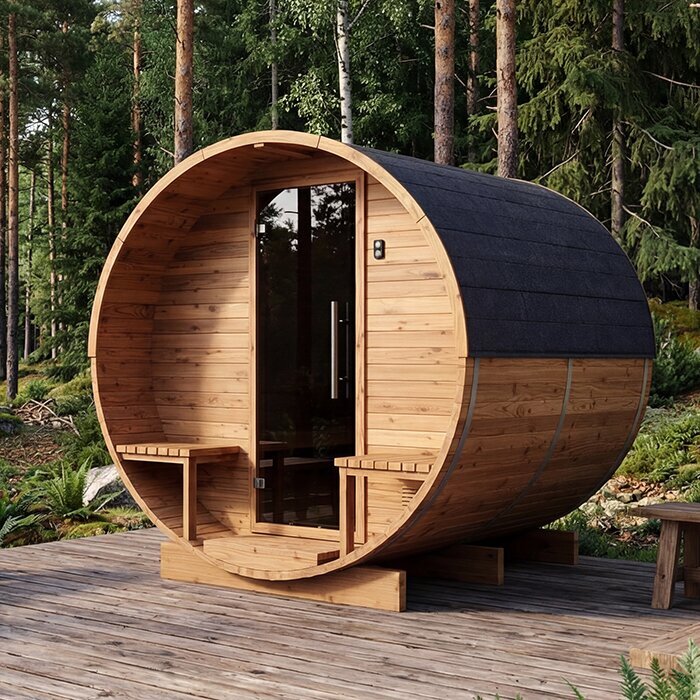
Record the exact cabin model and the wood stove actually fitted, including configuration details confirmed for your setup. The listing for Thermowood Barrel Sauna HCF-300 is one example of a named cabin; its model identity alone does not tell you whether a wood-fired heater is included or how much fuel a cycle uses. Check the selected package and fitted stove, then keep those details with your session log. If the cabin or stove changes, begin a separate series rather than blending unlike results. Keep purchase and installation costs outside this per-cycle firewood calculation.
Weigh the wood used for each fire
Where possible, measure wood by weight instead of counting logs. Length and thickness vary, so “three logs” is not a stable quantity. Weigh each batch before use in a container with its empty weight subtracted, and record the result in kilograms. Include kindling or other wood used to establish the fire if you want the full wood cost; record it separately if it has a different purchase price. Weigh at the same point in the process each time, such as when fuel is taken from storage. If your scale rounds to a set increment, do not report more decimal places than it supports: consistency matters more than apparent precision.
Set a rule for whole pieces that are fetched but not burned. If an unused log goes back into storage, subtract it from the amount charged to that cycle or mark it for the next one; never count it twice. A partly used log or fuel remaining at the end makes exact consumption difficult, so a practical household estimate can record wood supplied to the fire and note obvious leftovers. For a Thermowood Barrel Sauna LCF-300 session log, enter each batch of wood added on the same line or under the same session date. Total those entries at the end, with any unused whole logs deducted, so the final quantity can be traced back to your measurements.
What to check before estimating 2
Match the firewood measure to the seller’s price
Check how the supplier measures the wood. Firewood may be sold by the bag, bundle, weight or volume; volume may refer to a stacked or loose load, and one supplier’s container may not be filled like another’s. Keep the invoice wording, quantity and delivery date, and use a stated net weight where one is provided. If the measure is unclear, ask the supplier what quantity it represents rather than treating it as kilograms. Note the wood description, log size or any moisture information the supplier gives you, so you can tell when a later batch is not the same product.
Use a single basis for both the price and session use. If you buy bags and cannot weigh them, calculate the price per bag and record the fraction of a bag used. If you weigh the fuel, calculate a price per kilogram. For bulk wood, use the supplier’s stated volume unit and measure the portion used in that same unit where practical; avoid a universal conversion from cubic metres to kilograms. In a fuel record for the Thermowood Barrel Sauna S-140, give the quantity and unit their own columns. An entry such as a fraction of a bag needs a matching bag price, while a weight entry needs a price per kilogram. Keep that distinction visible when transferring figures from the receipt.
Calculate the price of your fuel stock
To find an effective price per kilogram, divide the amount paid for the firewood by its net weight. Include the delivery charge if it belongs to that fuel order, then divide by the same net weight. Use the amount actually paid after any discount, rather than a headline rate, and write down the purchase date and supplier. If one delivery includes other goods as well as firewood, allocate only the share that reasonably belongs to the fuel and note how you did it. A later order may have a different price, so retain each batch’s rate instead of replacing older figures in your session history.
If fuel is sold by bag or another unit, keep a price per matching unit unless you have a reliable measured conversion for that particular purchase. Include the relevant delivery cost in that unit price too, so a collection price is not compared with another order’s delivered price. For a fuel budget associated with the Thermowood Barrel Sauna HC-150, record the purchase total, delivery share and quantity alongside the calculated unit price. This leaves a clear record of how you arrived at the rate used in later session calculations. Keep the original figures even if you round the displayed rate, so you can revisit the calculation without having to reconstruct the order.
What to check before estimating 3
Work out the fuel expense per session
Once price and use are expressed in the same unit, multiply the quantity used by the price for that unit. In symbols, kilograms used × euros per kilogram = the fuel cost for that firing. If you buy different fuel components at different prices, calculate each one separately—such as main logs and purchased kindling—and add the results. If bags are your chosen unit, multiply the fraction of a bag used by the price per bag. Keep the working inputs beside the final figure; a result rounded to cents can still be misleading if the amount of wood was only roughly estimated.
Use one result for each defined heating cycle, then calculate an average only after you have repeated the measurement. In a session record for the Thermowood Barrel Sauna HC-225, place the fuel quantity and its unit price beside the calculated expense rather than recording only the final euro amount. If one session uses wood from batches with different prices, calculate the cost of each portion separately or use a documented average price for the stock consumed. State which method you used, and apply it consistently to later entries. Do not divide a whole delivery’s cost by one session when most of that fuel remains unused; the calculation should account for the quantity assigned to that cycle.
Record conditions that change consumption
Fuel use can vary even when the cabin and stove are unchanged. Note whether each firing began cold or with residual warmth, the outdoor conditions, how long you preheated and whether the door was opened often. You can also record the operating setting you chose and whether several groups used the same fire. Keep to details you can note consistently; the purpose is to explain differences between your own sessions, not to apply a standard fuel allowance for a particular kind of day. One unusually mild or cold firing should not be treated as the usual result for the year.
Keep comparable sessions together and flag changes such as a different supplier, log size, stove or routine. In a log for the Thermowood Barrel Sauna N-210, give those changes a dated note rather than leaving them hidden in the final cost. A higher euro total alone does not show whether you paid more for the fuel or used more of it. Compare the recorded quantity and unit price separately to see which changed. Retain earlier entries when the setup or routine changes, but group the new observations separately so a comparison does not silently combine sessions carried out under different conditions.
What to check before estimating 4
Build a forecast from repeated sessions
After you have several records that reflect your usual pattern, add their session costs and divide by the number of heating cycles to find an average. You can also divide total measured kilograms by the number of cycles, then multiply by a matching price per kilogram. Keep cold starts separate from warm restarts if those visits use different amounts and you have enough records to make each average useful. To forecast a month or season, multiply your expected number of sessions by the relevant average cost. Base that frequency on your own plans rather than on an assumed number of sauna visits.
Use a range as well as a central estimate. Your lower and higher recorded costs show how sessions differed under the conditions you noted; they are not guaranteed limits for future use. In a forecast for the Thermowood Barrel Sauna N-250, state which group of session records you used and how many visits you expect. If your plans include both cold starts and warm restarts, apply the relevant average to each group before adding the totals. This makes the forecast easier to revise if your planned frequency changes. For a monthly allowance, choose a figure that reflects your expected pattern and the variation in your records rather than simply using the lowest observed cost.
Compare fuel on a like-for-like basis
A low price per bag or load does not automatically mean a low cost per sauna session. The amount used, the unit sold, delivery and the fuel description all matter. Compare similar fuel on the same unit basis, and apply the same session boundary to each result. Follow the stove manufacturer’s guidance on suitable fuel rather than choosing a cheaper option that is not specified for the appliance. Keep the invoice and measured use together, so you can check whether an apparent saving in the purchase price also shows up in the cost of your own heating cycles.
To compare wood with electricity, compare equivalent sauna use rather than a bag price with a heater’s rated power. The wood figure should include the measured fuel used for warm-up and bathing; the electric figure should use measured energy and the tariff that applies to you. Keep the cabin, heating objective and session boundary clear before drawing a conclusion. If the Thermowood Barrel Sauna LC-260 is among the cabins you are considering, record the proposed heating configuration alongside it in your comparison. Distinguish costs measured during actual use from estimates for a proposed setup, so an observed result for one option is not presented as directly equivalent to a forecast for another.
What to check before estimating 5
Keep fuel purchases and use in one log
A notebook or spreadsheet is enough if one line represents one firing and the units stay visible. Record the date, cabin and heater identification, whether the start was cold or warm, fuel description or supplier, quantity and unit, price basis, delivery allocation and estimated session cost. Add a brief note about any condition that might explain an unusually high or low result. Keep the entry short enough that you will use it regularly; detailed notes that are skipped do not improve the estimate. Save the receipt or order confirmation with the relevant batch record.
Track purchases separately from session consumption. The full amount paid for a delivery is cash spent at that time, but it is not the cost of one session if most of the wood remains in storage. Allocate the purchase price, including the relevant delivery share, to the quantity used and carry unused stock forward. When a new batch has a different price, keep it on a separate line or record how you calculated an average across the remaining stock. This distinction explains why a month with a large delivery can have higher cash outflow without a corresponding rise in cost per firing.
Keep firewood separate from the wider sauna budget
A per-cycle firewood figure is one part of the cost of owning and using a sauna, not a complete ownership total. Depending on the project, separate estimates may be needed for the cabin, heater, delivery, installation, flue work, maintenance or repairs. Those are different cost categories and should be based on their own quotes and records, rather than folded into the price per kilogram of wood. If you calculate a wider running cost, state the period covered and add only the recurring expenses that belong to that period.
Use measured results to decide what fuel budget fits your pattern of use. If you are still choosing equipment, verify the heater and fuel arrangement in the configuration being considered; a cabin name or image alone does not establish that it is set up for wood firing. Once you have a defined cycle, a weighed quantity and the price you actually pay, you can update the per-session figure when your supplier, fuel or routine changes. That is more useful than relying on a general promise about running costs.
Frequently asked questions
What belongs in a per-session fuel cost?
Count the wood used from lighting through the heating cycle you have defined, including warm-up and any kindling you choose to include. Use the same start and end point for each record, and keep cold starts separate from visits that begin with residual warmth.
Should I count all the wood I bought in a month?
No. The amount paid is a cash outflow, while a session estimate should reflect the fuel used or allocated to that session. Keep unused stock on the books and assign its cost as it is used, including a fair share of delivery.
How do I price firewood sold in bags or by volume?
Use the same unit for the price and the amount used. You can price a bag and record the fraction used, or weigh the wood and calculate a price per kilogram. For volume, use the supplier’s stated measure rather than an assumed conversion to weight.
Can I estimate wood use from the sauna’s size?
Not reliably from size alone. The actual heater, configuration, starting conditions, weather and pattern of use all affect the result. Treat the cabin model as an identifier, then measure the fuel used with the setup you intend to cost.
How can I compare wood fuel with electricity?
Compare equivalent sessions using measured wood and its delivered cost, or measured electricity and the tariff that applies to you. Include warm-up in both figures and keep the sauna configuration and session boundary clear. A heater’s rated power is not a measurement of energy used.
Treat each estimate as a result for a named setup, not as a standard wood allowance. With a consistent session boundary, measured fuel and a price that includes the relevant delivery cost, you can calculate an expense per cycle and project it across the use you expect. Keep receipts with your log, and revise the estimate when your fuel price or firing routine changes.
