
Buying Multiple Greenhouses: Questions for a Wholesale or Trade Enquiry
Greenhouse buying guide
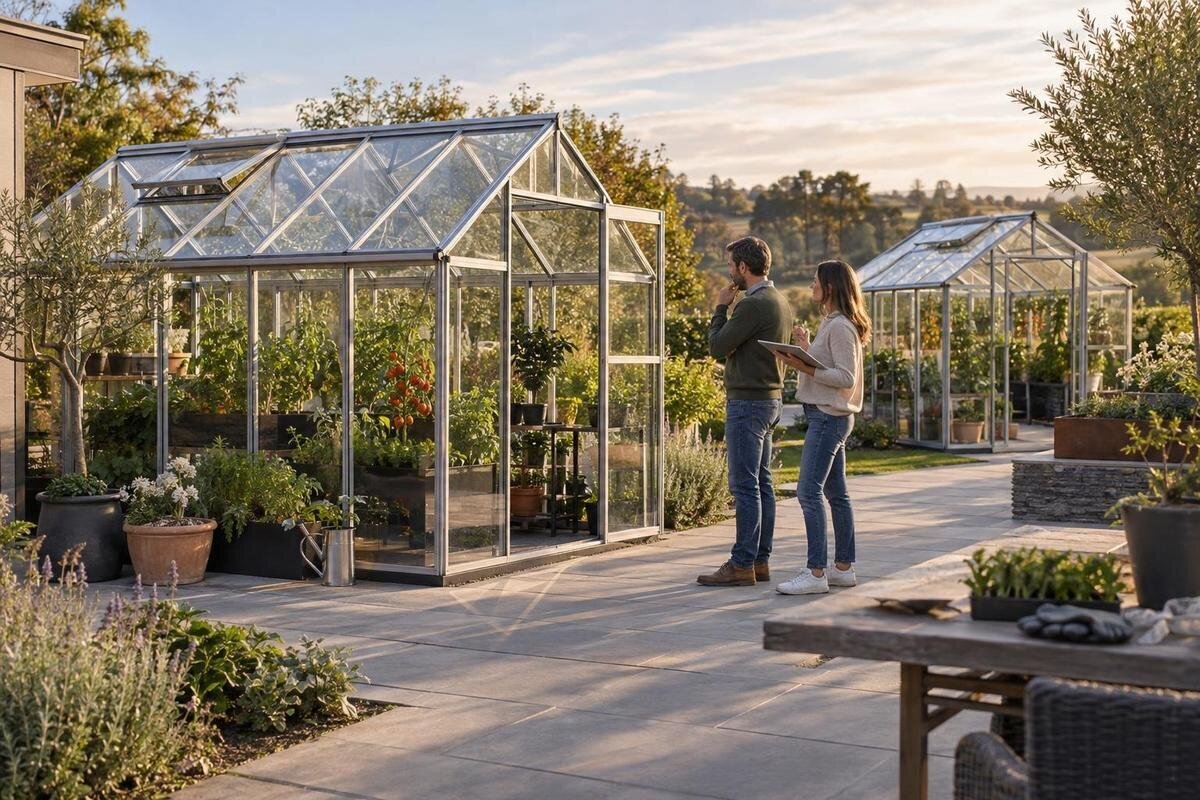
Buying several greenhouses is not simply a larger single order. A supplier needs enough detail to quote the mix, quantities and delivery arrangement you intend to purchase; you need enough in the reply to compare offers on the same basis. A clear wholesale or trade enquiry separates what is fixed from what is still open: greenhouse type or model, number of each, required dimensions and materials, delivery destination or destinations, and any timing or ordering conditions. It also asks what the supplier means by trade terms rather than assuming that a larger quantity automatically brings a discount. Use this guide to prepare a concise brief, request comparable answers and identify gaps before you place an order.
Prepare a brief that defines the order
Before contacting suppliers, write down what the batch is for and what the order should cover. Are you equipping one site, several locations, a growing business or another project? The purpose affects how much detail to give about the intended setup, who will receive the goods and whether all units need to match. State whether the greenhouses are for the same project or different sites, and flag any constraints that may affect selection. If the purchase is part of a staged plan, say which units are in this order and which are only possibilities. Avoid asking only for a “wholesale price”: a figure without a defined product list cannot be compared fairly.
Prepare a short brief with the requested quantity, preferred type or model, target dimensions, frame and glazing requirements, delivery postcode or postcodes, desired timeframe and known access limits. Mark each point as confirmed, preferred or undecided so the supplier can distinguish an exact requirement from a request for advice. If you have a classic aluminium greenhouse in mind, use the listing name to identify the model, then state the required version and dimensions separately. A catalogue name alone does not settle the specification. Include who can approve alternatives if several people are involved in the enquiry, and ask whether the supplier needs any further information before preparing a quotation.
Separate quantities and model choices
Give a number for every type, not just one grand total. If the requirement is eight greenhouses split across two models, state the count for each line and, if relevant, how many go to each site. Show possible later-phase purchases separately from units you intend to order now; combining them can lead to a quotation for a quantity you do not need. If numbers are provisional, give the working estimate and the date by which you expect to confirm it. Identify a contingency separately rather than building it into the requested quantity. Clear figures help the supplier confirm exactly what has been priced.
Say whether all units must be the same model, dimensions and material options, or whether a mixed order is acceptable. Note any alternatives you would consider and which requirements cannot change. If one line is a limited-edition aluminium greenhouse, list its exact name and quantity separately rather than grouping it with a different greenhouse as though it were interchangeable. Ask for proposed substitutions to be priced as separate options and for approval to be obtained before a line changes. This lets you compare per-unit and order totals without guessing how “multiple” or “bulk” was interpreted.
Specify dimensions and materials clearly
Describe the requested dimensions in the same way for every item. Give the width, length and height you need, and say whether these are maximum site limits or preferred product dimensions. Ask the supplier which measurements its quotation uses, such as whether a stated footprint refers to the outside dimensions and whether height is measured with any separate base. If a precise clearance is essential, explain why and ask the supplier to confirm the relevant figure in writing. Do not treat a product name or a single dimension as enough to establish the space the complete unit will occupy.
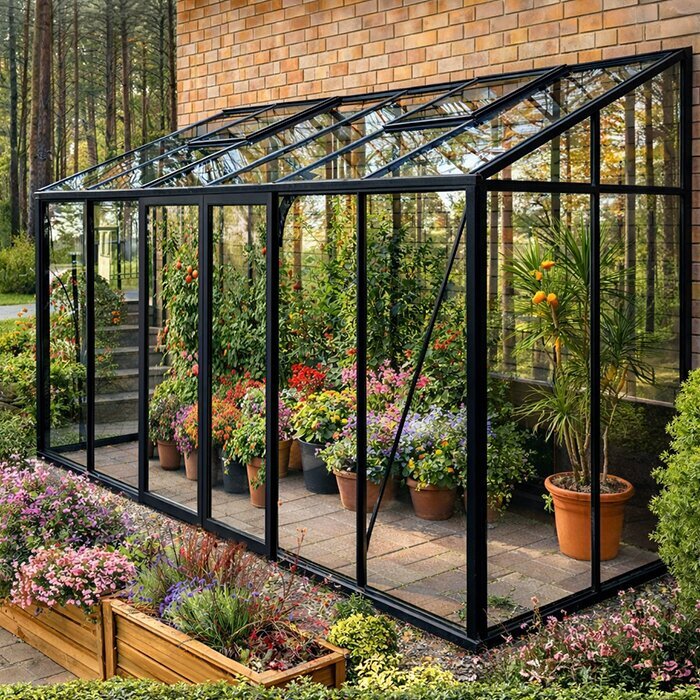
Name materials separately rather than saying only “greenhouse material”. You may need the frame material, glazing type or both specified; ask the supplier to identify each option in the quoted line and state whether the same specification is available for every model in the mix. A lean-to aluminium greenhouse can serve as an exact type reference in an enquiry, but the name itself does not answer questions about size, glazing or configuration. Use one unit system throughout, and request clearly labelled alternatives if details are undecided so each specification and price can be assessed side by side.
Check each site against the proposed greenhouse
Where more than one greenhouse is involved, assess the proposed location for each unit separately. Record the available footprint, nearby walls or obstacles, access route, ground condition and any known restrictions; do not assume that two sites with similar layouts have identical requirements. Ask the supplier which site details it needs before confirming product suitability, and whether its response refers to a specified model and configuration. A location sketch or measurements can make uncertainties visible, but they should not replace a proper assessment where the ground, structure or other technical conditions are in question.
Check the relationship between the selected dimensions and the usable space, including room to reach entrances and move around the greenhouse. If you are considering a T-shaped garden orangery, for example, request the footprint and overall dimensions for the exact quoted version rather than relying on a category label or illustration. If the proposed position raises questions about foundations, structural support, electrical work or other site-specific technical matters, take advice from a suitably qualified professional. Keep those questions separate from the product quotation so a price is not mistaken for technical approval.
Ask for an itemised quote and explicit trade terms
Ask for a quotation that shows the price for each product line, the quantity used for that calculation, the line total and the overall total. Ask what each figure includes, including any applicable taxes, delivery, separately listed options and charges for more than one delivery point. If a component or service is excluded, request a clear note rather than relying on a general statement such as “price subject to site”. You can then compare the amount quoted for the same specification instead of comparing a low per-unit figure with a more complete total.
Ask directly whether the supplier offers trade or volume terms for the quantity and mix you have specified, and what conditions apply. Do not assume a wholesale discount, a minimum threshold or one rate across all models; ask for qualifying quantities, exclusions and price validity to be stated. Keep a pyramid greenhouse on a separate line if it is one of several types, so a change to that quote is not hidden in a blended average. Ask whether totals change if quantities, delivery addresses or product choices change, and request a revised written figure before treating an estimate as final.
Confirm availability, timing and substitutions
Ask about availability and timing for each listed item, not only for the order as a whole. Find out whether the supplier can confirm the requested quantity at the time of quotation, or whether its answer is an estimate that needs reconfirmation. Request the expected dispatch or delivery window, what event starts that estimate and how long the quotation and any availability statement remain valid. If your project depends on all units arriving together, say so and ask whether that can be confirmed; otherwise, state whether separate consignments are acceptable. These are questions for the supplier, not assumptions to make from a product page.
Use the exact catalogue name, model reference and required quantity for each line. A listing called aluminium greenhouse with built-in storage should be identified as that specific item in your request, with dimensions and other requirements recorded separately; the name alone does not settle its variant or availability. Ask how the supplier handles a shortfall, an unexpected delay or a proposed substitution, and whether you will be contacted before any change is made. Agree how revised dates will be communicated and who should receive updates. If timing matters more than one model choice, say which preference can change and which cannot.
Plan delivery by address
Give the supplier a full delivery destination for each group of units, even if several greenhouses are going to one site. State how many of each line belong at each address and whether you want a single coordinated delivery or can accept more than one drop. Ask for charges and proposed arrangements by address rather than assuming an overall total covers every location. Mention practical access details such as restricted vehicle access, narrow entrances, site opening hours and who can receive the order. Ask what unloading arrangements are expected and whether the buyer must provide equipment or labour; do not infer this from a general delivery label.
An order schedule should connect each product line to its destination, quantity and delivery preference. If the enquiry includes Bloomcabin Prestige greenhouse with metallic base, copy the listing name accurately and show where the quoted quantity is to go; do not leave the supplier to divide a total between sites. Ask whether split consignments, appointment windows, delivery surcharges or failed-delivery fees could apply, and request the relevant terms in writing. Confirm how the supplier or carrier will contact the named recipient and what notice is given before arrival. This helps you check whether the proposed logistics match the project, not just whether the products can be quoted.
Separate products from extras and services
Separate the product order from any work or extra items you might need. Ask the supplier to identify exactly what is included in each greenhouse line and list accessories, bases, fittings or other components separately where they are options. Do not assume that a photograph or short model name reveals every component in the package. If you need assembly, request it as a distinct scope and ask who provides it, which locations are covered and what is excluded. If the supplier offers goods only, clarify who is responsible for arranging any additional work. This prevents a product-only quote being compared with one that includes services without making that difference clear.
Use the precise listing title wherever you ask about a particular option; for example, a Bloomcabin orangery should appear as its own line, with any required extras or assembly stated separately. Ask whether the supplier needs site information before confirming those items, and which responsibilities remain with you before delivery or fitting. This is a scope check, not an installation plan: avoid treating a product description as confirmation that a site is ready or that a particular foundation will suit it. For foundations, structural support or electrical work, take advice from a suitably qualified professional where the project requires it.

Get ordering conditions in writing
Before accepting a quotation, make sure it identifies the supplier’s reference, issue date and period of validity, and lists every greenhouse line, model or description, quantity, price basis, destination and delivery arrangement. Check whether amounts include applicable taxes and whether options, assembly or other services are separately priced or excluded. Ask how to place the order and what document confirms acceptance. Where more than one person is involved, decide who may approve the quote and any change, then make that clear to the supplier so no one assumes an informal email is final.
Ask for the ordering conditions as well as the prices: payment method and timing, any deposit or staged payment, the process for changing quantities, and the terms for cancellation or postponement. Ask what happens if a delivery is delayed, incomplete or arrives with a problem, and how such an issue should be reported; do not rely on an unwritten assumption. If an order has several delivery dates or sites, check how a change affects the other lines. Keep the accepted quotation and later amendments together under one reference so the agreed scope, costs and dates remain clear to everyone handling the purchase.
Compare replies line by line
Compare replies against one shared schedule rather than ranking them by a headline total. For each supplier, record the greenhouse description, dimensions and materials quoted, quantity per line, unit and line prices, total, tax treatment, delivery destinations, timing, availability status and any separate charges. Mark each answer as confirmed, estimated, excluded or unanswered. If a supplier proposes an alternative, keep it on a separate line rather than letting it replace your original requirement in the comparison. This record shows whether the quotes cover the same purchase and helps reveal an offer that omits a location or required option.
Then compare the ordering conditions and clarity of each response: price validity, payment schedule, change terms, responsibility for delivery arrangements and how issues will be handled. Send the same focused follow-up question to any supplier whose reply leaves a gap, and request a revised quotation if the scope changes. A useful comparison includes the practical arrangements needed to receive the complete order, not only a per-greenhouse figure. Do not treat a silent line as included or assume a trade term applies unless it is stated. Decide only when you can explain what each total covers and which uncertainties remain.
Frequently asked questions
What should a wholesale greenhouse enquiry include?
Give the quantity of each model or type, the dimensions and material options you need, delivery postcode or postcodes, desired timing and any known access constraints. State which details are fixed and which are preferences, and say whether delivery or separately requested work should be included. Ask for an itemised reply and for any trade or volume terms to be stated for your particular order.
Is there a minimum quantity for a trade greenhouse order?
Do not assume a minimum or qualifying quantity from the word trade. Ask each supplier whether it has a minimum order, volume bands or other conditions, and whether these apply to the exact product mix and delivery arrangement you have specified. Request a quotation for the quantity you actually intend to buy; ask about other quantities only if you are genuinely considering them.
Can I order different greenhouse models together?
Ask for a mixed-model quotation if that suits your requirements. List each model, its quantity and its specification on a separate line, and ask the supplier to identify any options or substitutions separately. That makes it clear which items have been quoted and lets you compare the same mix with other suppliers.
Can multiple greenhouses be delivered to different sites?
Ask the supplier and include the full destination for each group of units in your enquiry. State quantities per address, access details and whether deliveries can be split. Request any delivery charges and proposed arrangements by location; do not assume one overall delivery figure covers several sites.
How do I compare trade greenhouse quotes fairly?
Compare the same models, specifications and quantities, then check line prices, overall totals, tax treatment, delivery, availability and any separate charges. Include the quotation’s validity period, payment terms and conditions for changes. Mark anything estimated, excluded or unanswered, and request clarification rather than treating missing information as included.
A well-prepared multi-greenhouse enquiry does more than ask for a price. It gives suppliers the same clear schedule of models, quantities, specifications and delivery points, then asks them to spell out availability, trade conditions and ordering terms. Compare the written replies line by line, resolve anything estimated or left unanswered, and place the order only when the scope and conditions match what you intend to buy.
