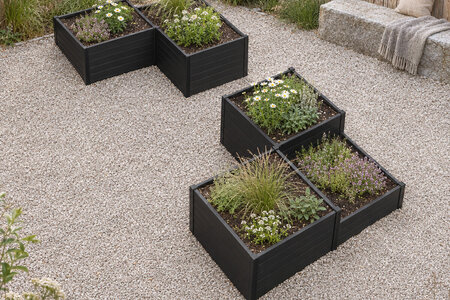
Large Raised Flower Beds: Plan a Big Display You Can Still Tend
Large raised flower beds can give a yard one broad sweep of color. Before choosing the flowers, decide where you’ll stand to tend the middle without stepping into the soil.

Large raised flower beds can give a yard one broad sweep of color. Before choosing the flowers, decide where you’ll stand to tend the middle without stepping into the soil.
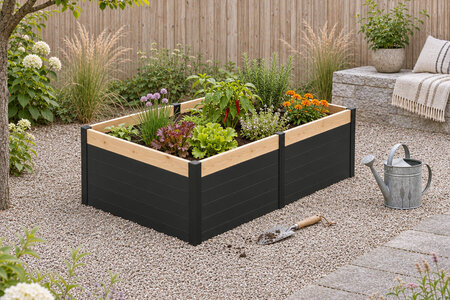
Building a flower bed on a lawn can be as simple as removing the sod, setting a low, open-bottom board frame on prepared ground, and adding soil. Here’s a 96-by-48-inch plan with a cut list, a corner detail, and checks to make before you fill it.
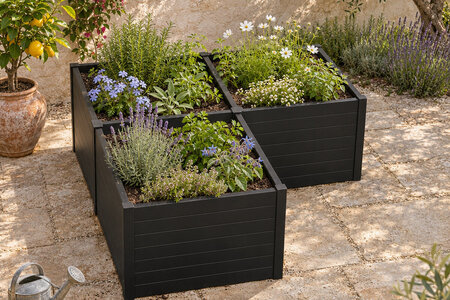
Choose outdoor vegetable planters by starting with the surface. If you have suitable ground, an open-bottom raised bed can give your vegetables a defined growing area. If you have only paving, choose a soil-holding container designed for that surface instead.
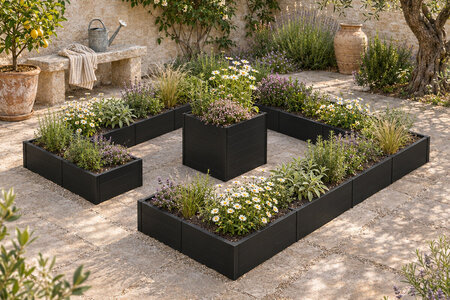
A timber garden bed can be a good choice when the wood and any treatment are documented for the intended use, the frame is designed for the planned fill, and the site lets excess water drain. If you can’t verify a key detail, especially the treatment history for an edible bed, choose a better-documented option before you buy or fill it.
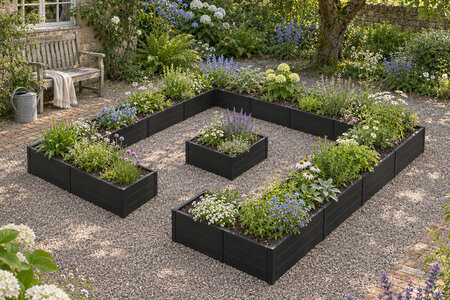
A 3x6 raised garden bed usually means a frame about 3 feet wide by 6 feet long. That rectangle is 18 square feet, but it's only 18 square feet of planting space if those are the clear inside dimensions. To work out how much soil to buy, you also need the depth you intend to fill.
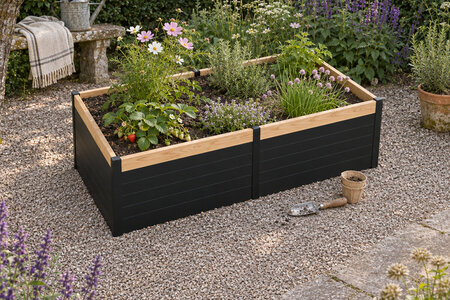
Plan a patio garden bed by marking where it could go, then checking the route around it, the light and wind at that spot, where runoff may go, and what the surface is allowed to support. If any of those checks fails, change the position or bed type before you buy.
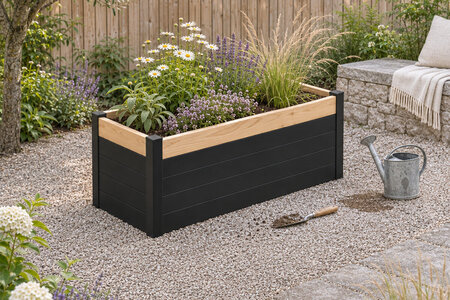
Build a DIY pallet garden box by fastening two courses of reclaimed slats to solid corner posts. The plan below makes a 36-by-18-inch open-bottom frame and shows what to check before buying hardware, cutting boards, or adding soil.
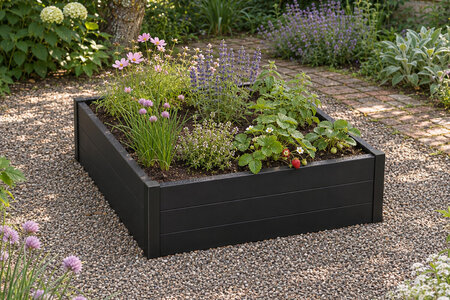
Galvanized raised planters can be a good fit if the supplier documents the steel and coating for your intended use and the planter is designed for your site. On prepared ground, an open-bottom frame may work. On a patio, look for a container that holds its own growing mix, has suitable support, and drains where you need it to.
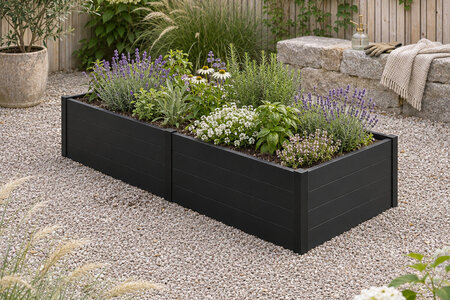
A 2 x 8 raised garden bed usually means 2 feet wide by 8 feet long (24 by 96 inches). That rectangle measures 16 square feet, but it is usable planting area only if those are the inside dimensions. To calculate soil capacity, you also need the depth you plan to fill.
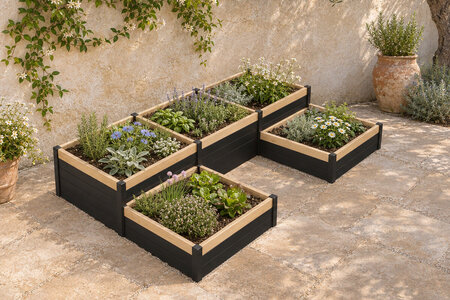
A bucket raised garden can work if the specific bucket is suitable for what you want to grow, has enough room for roots, and can drain where you plan to put it. “Bucket” describes the container, not its material. For edible crops, start with documented suitability and a known history; if you can't verify either, choose a different container.
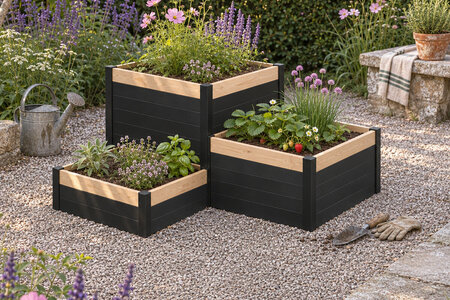
For a garden bed along fence panels, identify what’s damaging the plants before buying mesh or a cover. Count the existing fence as protection only if it blocks the identified pest’s route and you can close the gaps at the bottom and ends. Otherwise, choose a barrier that works independently.
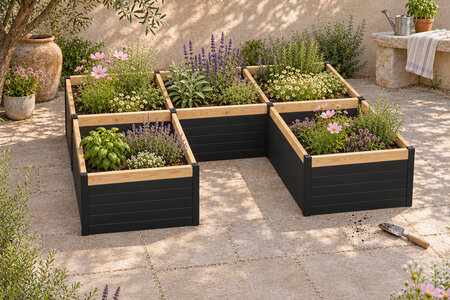
Choose large vegetable planters by checking three things separately: the assembled footprint with paths, the clear planting space your crops need, and the volume at your planned fill line. Use listed dimensions for a first comparison; verify the usable interior before ordering soil.
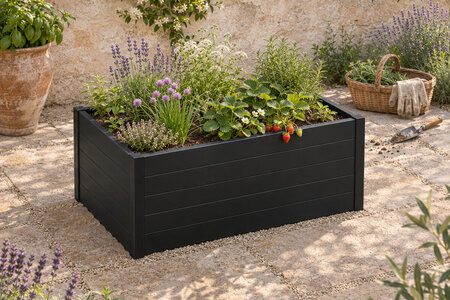
Choose a spot for a raised patio planter only after you’ve measured the working space, checked light and wind, traced runoff to an approved destination, and verified any applicable load and installation limits. On a hard surface, use a container designed to hold growing mix and drain there; an open-bottom garden frame is not a substitute.
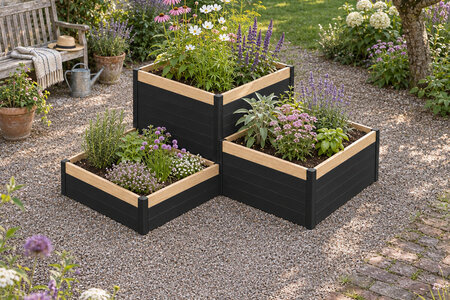
Choose a backyard garden box that fits your crops and leaves room to work. For an open-bottom model, start with a suitable patch of ground, check that you can reach the entire planting area, and choose a wall height based on the rooting space and fill you need.
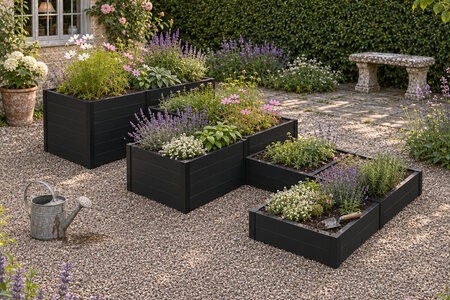
Choose flower bed kits by matching the base to your site, the width to your reach, and the growing space to your flowers. An open-bottom frame makes sense over suitable ground when you want to raise or define a display. If you only need to mark its edge, use edging; if you're planting on pavement, look for a container designed for that surface.
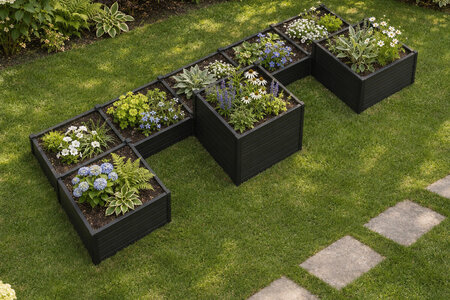
Start preparing raised beds for winter by removing finished crops, deciding what stays, and checking how water drains before the next stretch of wet or freezing weather. Cover exposed soil where appropriate, inspect the frame while you can see its joints, and return after significant weather to fix what has actually shifted, pooled, or come loose.
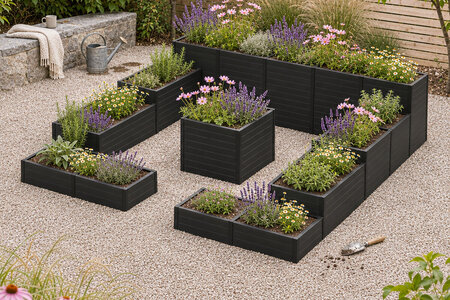
Choose a raised covered garden bed by matching the cover to the problem: insect mesh for a pest it can exclude, shade cloth for excessive sun, or a cover expressly intended for the weather you’re trying to manage. Before buying, check where it fastens, how much room it leaves over the plants, and how you’ll open it.
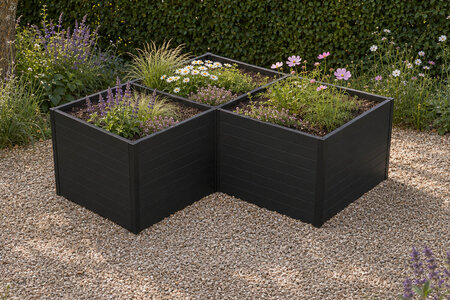
If you're shopping for a raised floor bed for gardening, check the bottom first. The Bloomcabin models here are open-bottom frames for prepared ground. If you need to hold soil above pavement or at a comfortable working height, look for a planter with a supported, draining base instead.
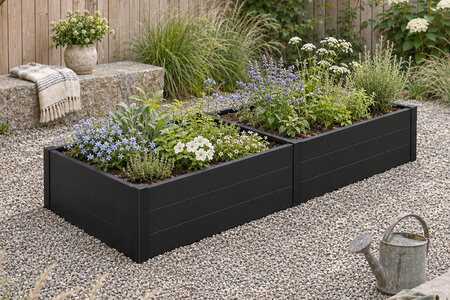
Beds that raise the soil above ground level are called raised garden beds. For an open-bottom model, choose the width you can comfortably reach across and the lowest wall height that meets your working-height and growing needs. Then check the ground beneath it and measure the actual interior before ordering soil.
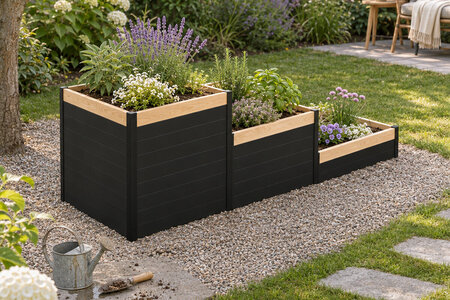
Build a DIY standing garden bed by setting two removable planting tubs on a braced, 42-by-18-inch wooden bench. The slats sit 33 inches above a level surface, and the tubs supply the soil depth. Verify the joints and wet load before cutting, then assemble the bench and check drainage before filling.
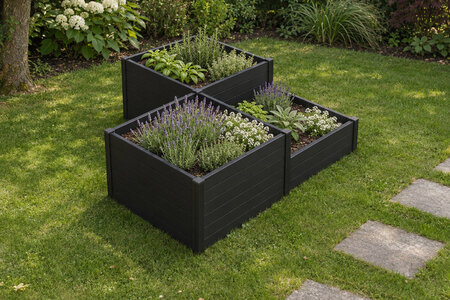
Choose elevated flower boxes by checking what sits beneath the soil first. An open-bottom frame is for suitable prepared ground; a planter with a floor is a different purchase. Once you know which type you need, compare the width you can reach, the wall height you want, and the space your flowers will need at maturity.
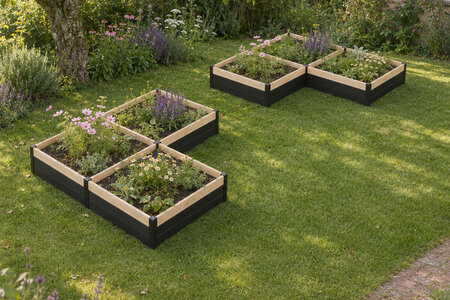
Start with leaf lettuce, radishes, or compact culinary herbs when choosing plants for raised garden bed layouts with limited room. Consider larger vegetables only if the variety’s mature size, light needs, and root requirements fit the site. Choose the frame around that shortlist, not the other way around.
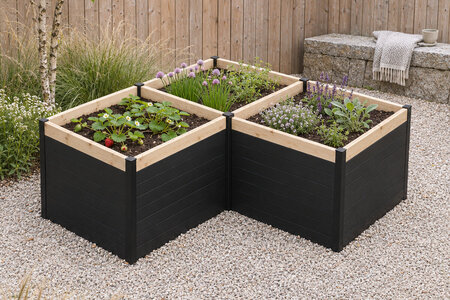
Choose a white garden box by verifying what it’s made of, which surfaces are white, and where the finish can be used. If you’re repainting, identify the existing surface and get compatible preparation instructions before buying paint. Color alone tells you none of those things.
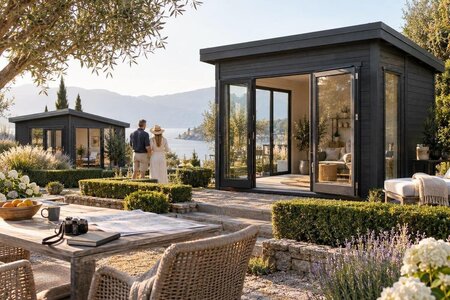
For a vacation property, decide how the garden house should support each visit before choosing a size or layout. Consider storage needs, site access, weather exposure, ongoing maintenance, and local building rules so the purchase suits the property and its use.
