
Patio door care: tracks, rollers, hinges and seals
Maintain patio-door tracks, running rollers, hinges and seals through informed inspection and care. Learn which unusual signs warrant closer investigation.

Maintain patio-door tracks, running rollers, hinges and seals through informed inspection and care. Learn which unusual signs warrant closer investigation.

When choosing a greenhouse for seed raising, consider bench space for trays, the light seedlings will receive and how you can manage temperature. Compare these practical features before buying to find a greenhouse suited to your growing space.

Before buying a family sauna, consider how many people need to sit inside at once. Compare that seating capacity with your household’s usual sauna use to narrow down a size suited to shared sessions and everyday family routines.

Whether replacement windows or doors need approval turns on the site, building and proposed work. This checklist organises responsibilities and supporting documents before you order.
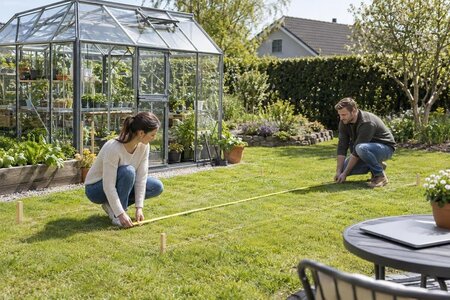
Shopping for a greenhouse online? Use this pre-purchase checklist to compare dimensions, confirm it will fit your garden and access route, and review the materials, features and specifications before you place an order.

Thinking of buying a pergola with lighting? Consider how you’ll use the space after dark, where lights should be positioned and which controls suit your routine. These points can help you compare options and plan an outdoor area for evenings.

Careful cleaning can help preserve the finish on a timber garden shed. This guide covers a gentle approach to everyday dirt and grime, and what to avoid when looking after the surface.
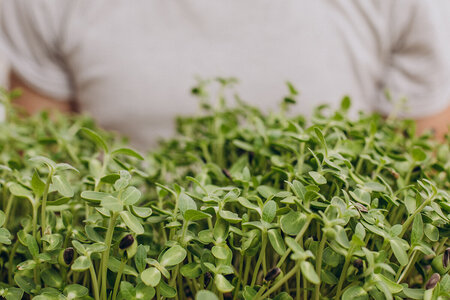
From selecting crops to harvest, this guide shows Australian home growers how to plan sowing density, manage germination, maintain clean greenhouse routines and produce crisp, dependable microgreens tray after tray.
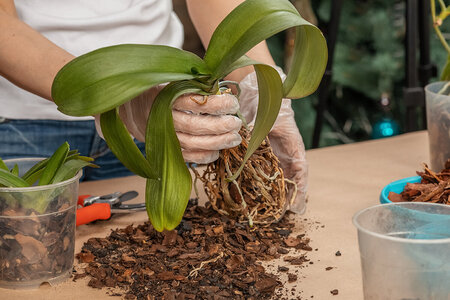
Healthy orchids that flower reliably need suitable greenhouse conditions. This article examines light zones, temperature and humidity alongside root health, watering, growing media and the timing and method of repotting.
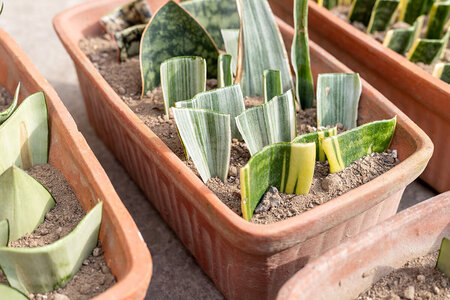
Use this practical greenhouse method to raise plants from cuttings: select sound stock, prepare each piece hygienically, then regulate the rooting mix, brightness, moisture, airflow and gradual acclimatisation until young roots can sustain new growth independently.

Successful greenhouse neighbours are chosen by matching climate, irrigation, mature size and available room, not folklore alone. This guide pairs tomatoes, cucumbers, capsicums, leafy crops, herbs and flowers for practical protected growing at home.
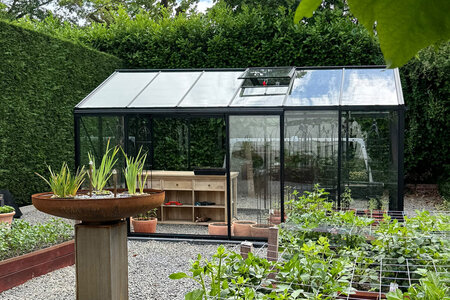
A considered greenhouse crop rotation prevents one-sided soil pressure and supports vigorous plants through crop families, nutrients, green manure, hygiene and soil care.
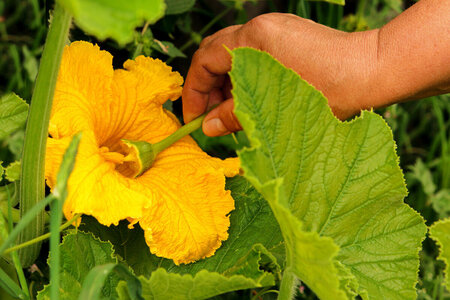
Fruit set under cover can falter even after flowering. This guide shows how flower structure determines the right technique, when tomatoes or cucurbits need assistance, and how greenhouse temperature, moisture and airflow shape the result.
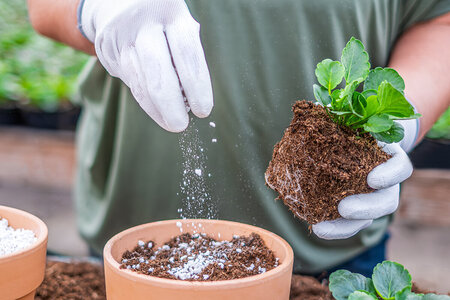
Healthy plants under cover depend on measured nutrition rather than extra feed. Learn to interpret NPK, tailor rates and manage salts when raising tomatoes, cucumbers, leafy greens and young plants.

Yellow leaves do not necessarily mean a plant needs fertiliser. Before feeding or liming, investigate root-zone pH, irrigation water, soluble salts and nutrient supply methodically, together with root condition and recent growing changes first.
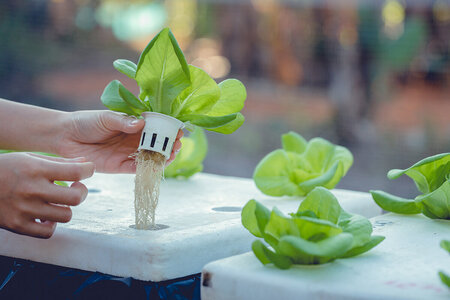
Set up a beginner-friendly hydroponic greenhouse in Australia, from choosing crops and systems to managing the feed mix, acidity, conductivity, root aeration, growing conditions and ongoing checks with confidence.
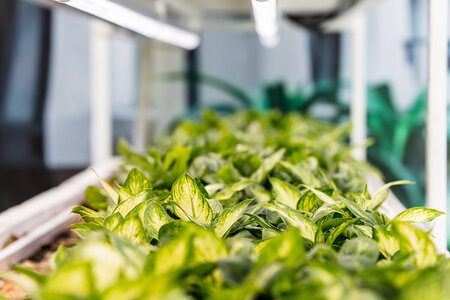
Supplementary greenhouse lighting can support crops during Australia’s lower-light months. Learn to recognise shortages, interpret PPFD and DLI, choose suitable fixtures, and install them safely in damp greenhouse conditions.
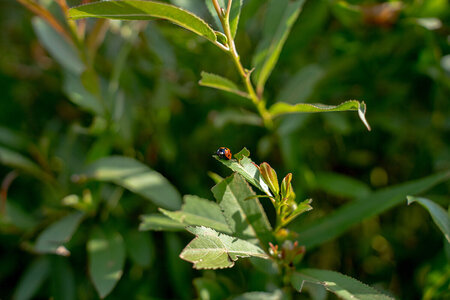
Successful greenhouse beneficials rely on a managed connection between plants, growing conditions and living allies. Find out how to identify pests, select suitable predators or parasitoids, and assess progress.
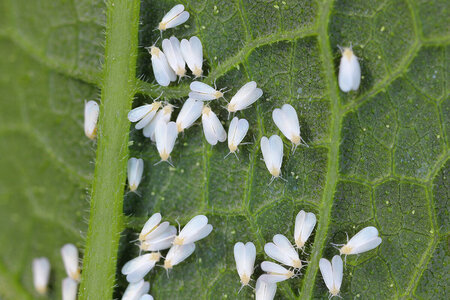
In a greenhouse, aphids can form fast-growing colonies. This guide explains warning signs, likely hiding places, biological responses, registered treatments and a repeatable inspection routine for Australian growers.
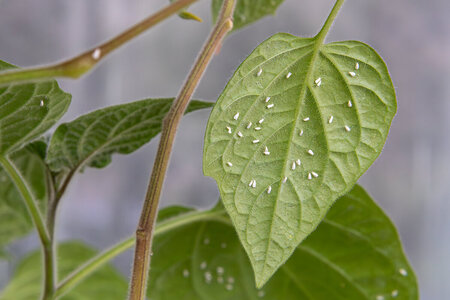
Inspect leaf undersides to spot whiteflies early in the greenhouse. Understand how yellow sticky traps should be used, which beneficial insects may help, and what practical measures can discourage further infestation of the crop.
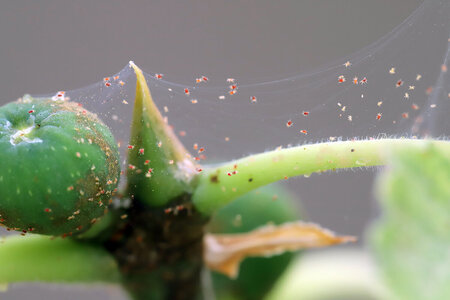
Learn how to detect greenhouse spider mites before webbing appears, which leaf areas reveal active colonies, and how ventilation, watering, beneficial organisms, registered treatments and scheduled rechecks fit into a measured response for home growers.
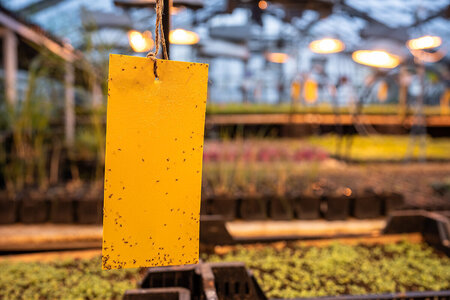
Explore why fungus gnats build up in moist greenhouse media, how larvae affect vulnerable roots, and how yellow traps, smarter watering, hygiene and beneficial organisms help suppress outbreaks and stop them returning.
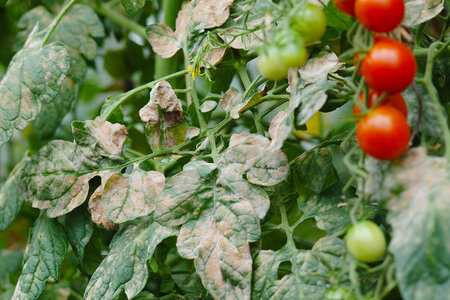
Is that white coating powdery mildew, a deposit or downy mildew? Identify the difference in greenhouse crops, then improve air movement and hygiene, using only authorised measures to contain the spread of disease.
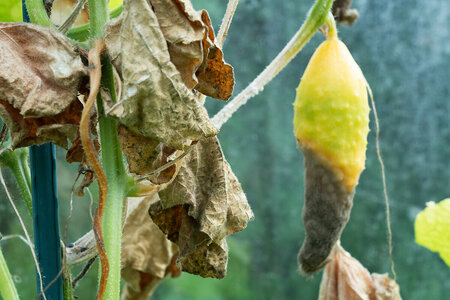
Discover the early signs of grey mould (Botrytis) and why small, isolated patches deserve fast attention. This guide connects condensation, air circulation, cleanliness and watering with registered options for limiting further spread in Australian greenhouses.
