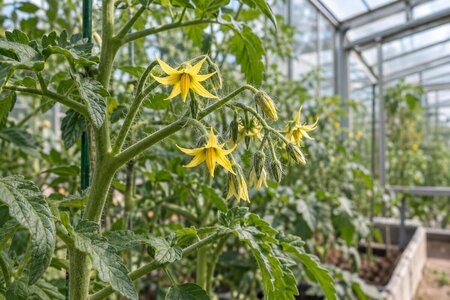
Why Greenhouse Tomato Flowers Are Not Setting Fruit
A plant covered in flowers can still produce few tomatoes. Check day and night temperatures, pollen release, blossom condition and wider signs of plant stress before changing its care.

A plant covered in flowers can still produce few tomatoes. Check day and night temperatures, pollen release, blossom condition and wider signs of plant stress before changing its care.
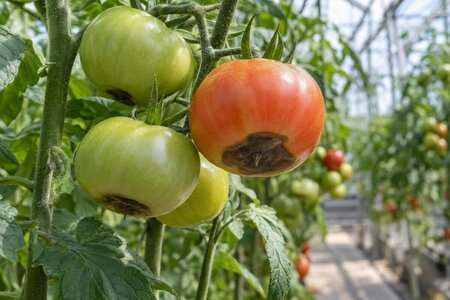
Blossom end rot leaves a dark, sunken area on the base of a developing tomato. Understand why inconsistent moisture and root stress can restrict calcium delivery to fruit, even when calcium is present in the growing medium.
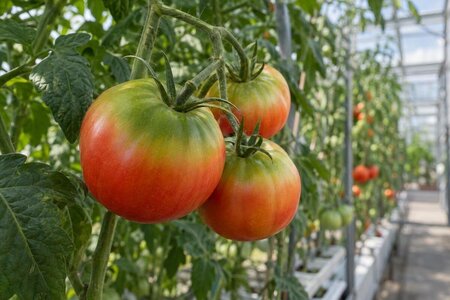
Hard green shoulders are not automatically a nutrient problem. First check whether the cultivar normally keeps green colour near the stem, then compare ripening conditions and symptoms across the crop.
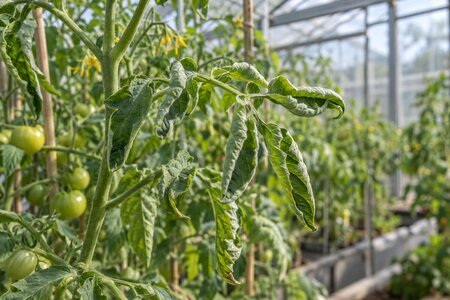
Temporary curling can follow hot, bright conditions or uneven watering. Compare older leaves with new growth, and note mottling, distortion or spread across the crop when deciding whether expert diagnosis is needed.
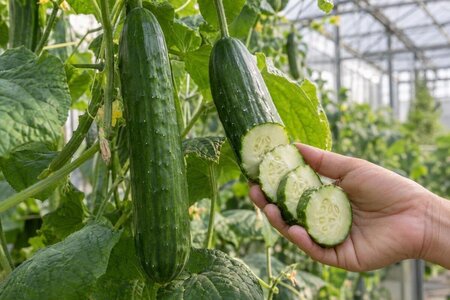
Not every bitter cucumber points to a growing mistake. Compare the cultivar, periods of heat, consistency of watering and the fruit’s maturity to work out which factors may be influencing flavour.
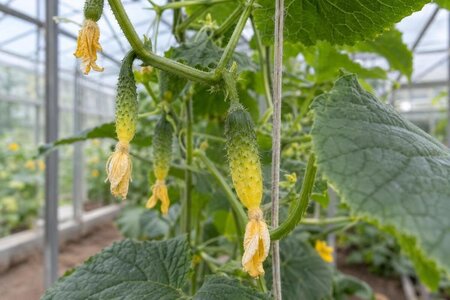
A newly formed cucumber that yellows and stops developing is often a fruit-set issue rather than a leaf problem. Assess the crop load, pollination requirements, temperature shifts and root-zone moisture for useful clues.
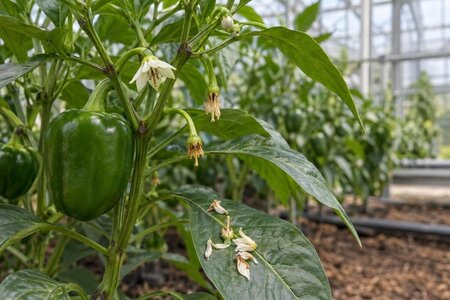
Fallen capsicum flowers do not automatically have one cause. This guide helps you examine daytime heat, cooler nights, watering patterns and plant development before deciding what may need to change.
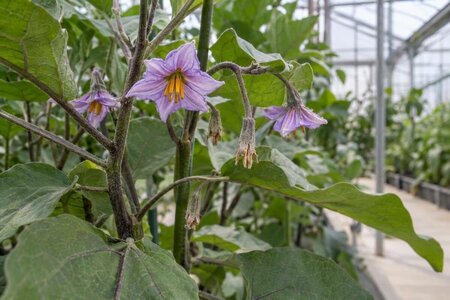
When eggplants flower but do not fruit, inspect the blooms rather than assuming one cause. Learn how pollen transfer, daytime and overnight temperatures, airflow and plant stress can affect fruit set.
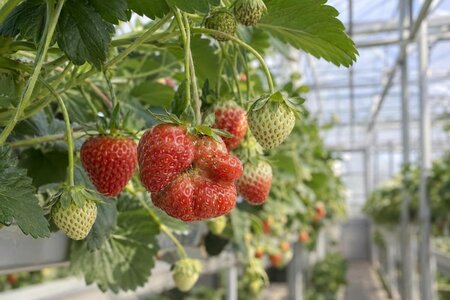
Uneven fruit can trace back to the flowering stage. Compare which parts of each strawberry failed to fill out with pollination and growing conditions while the blossom was open.
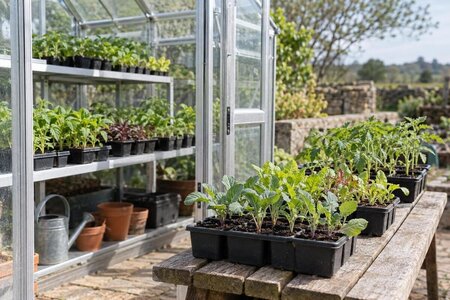
Give greenhouse-raised plants time to adjust to outdoor conditions before planting out. Follow a flexible approach that responds to the forecast, exposure to sun and wind, and how each type of seedling is coping.
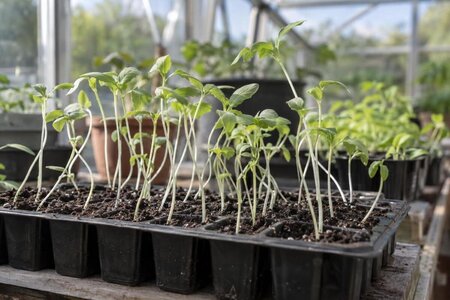
Long stems and weak growth usually signal that growing conditions need attention. Work through light, temperature and crowding as possible causes, then assess which changes are worthwhile for seedlings at their current stage.
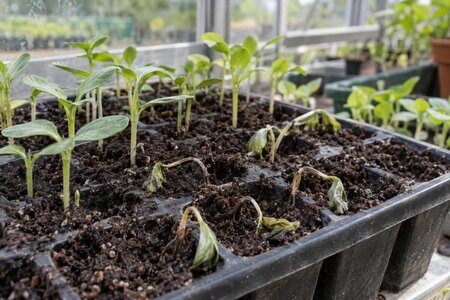
A seedling that topples at potting-mix level may have damping off, but similar symptoms can have other causes. Learn what to check, how clean propagation habits help and when to seek a specialist opinion.
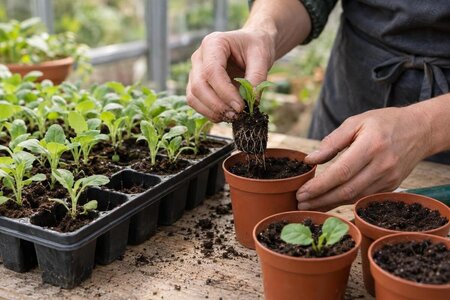
Seedlings tell you when they need more room through their true leaves, roots and increasing crowding. See how to lift and separate them gently, then settle them into larger pots with minimal root disturbance.
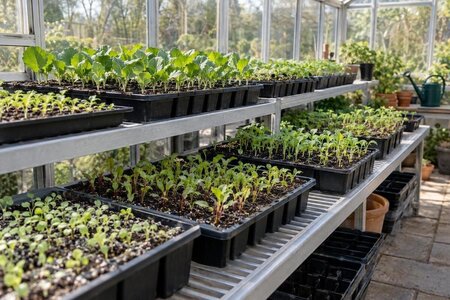
The busiest point in a spring sowing plan often comes when several batches of trays overlap. Combine bench dimensions, tray footprints and time on the bench to identify pressure points before sowing starts.
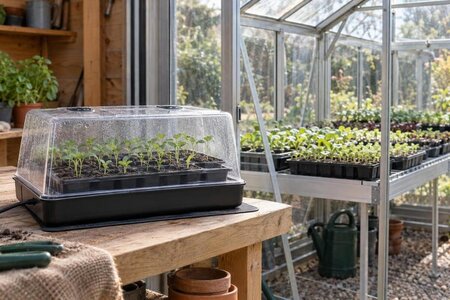
A heated propagator provides warmth for a compact batch of seeds, while a heated greenhouse creates more room for young plants. Compare the practical demands from sowing through to potting on and growing seedlings on.
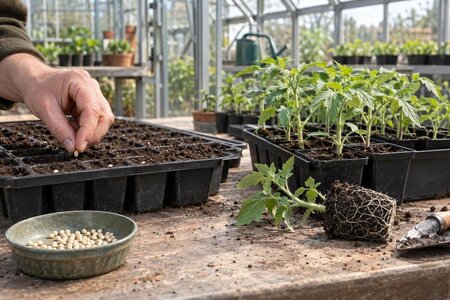
Direct sowing can suit crops that resent root disturbance, while raising seedlings in trays may help with timing and space. Learn how to assess each crop’s growing habit, transplant tolerance and place in your greenhouse plan.
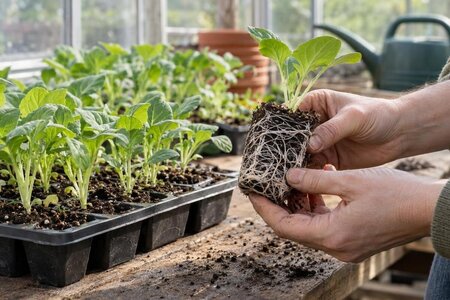
Root-bound seedlings often result from a mismatch between sowing dates and the time plants can be planted out. Work backwards from the intended planting date to plan cell size, potting on and the nursery space each crop needs.
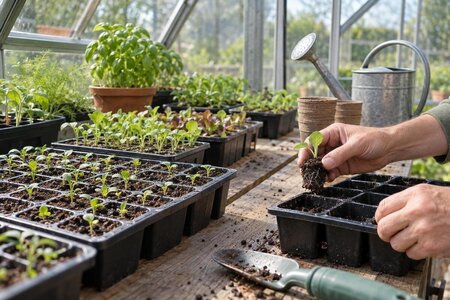
Use the greenhouse as a starting point, not the final destination, for plants headed to outdoor raised beds. Plan sowing and growing space alongside hardening off and planting out, so seedlings are ready for spring or summer conditions.
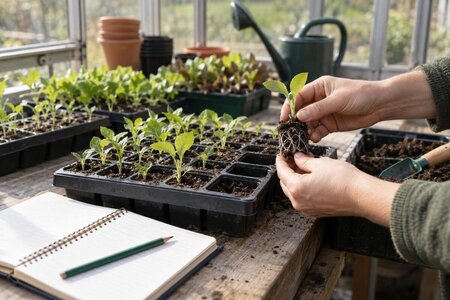
A useful greenhouse diary captures sowing dates, conditions, harvests, labour and pressure on space. Use the practical template to spot what to repeat, change or schedule differently next season.
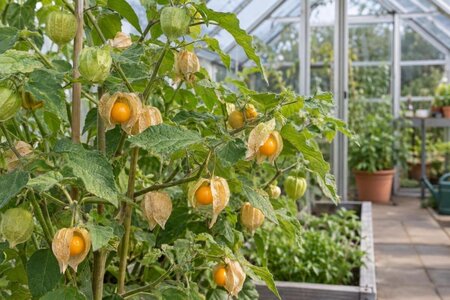
Cape gooseberries need time, warmth and room for their branching growth. Learn how to support plants, encourage pollination under cover and read the husk and fruit signs of ripeness, while assessing whether your greenhouse conditions are warm enough.
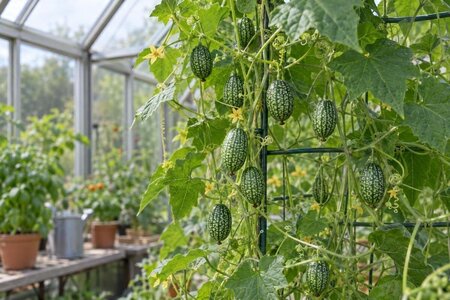
Cucamelons are a useful choice when growing space is limited but vertical room is available. Follow the crop from sowing and planting through to vine training, moisture management and harvesting the fruits before their texture declines.
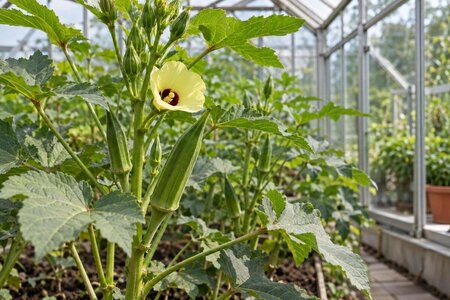
Okra is a warmth-loving crop, so its success depends on more than shelter alone. Explore the long growing period, plant spacing and frequent harvests it needs, and consider whether an unheated greenhouse can provide suitable conditions in your area.
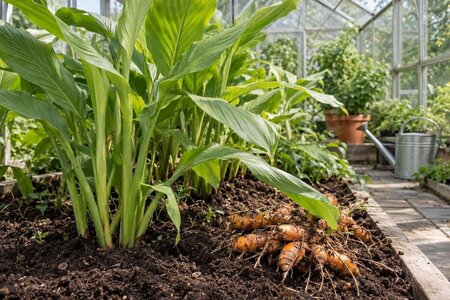
Turmeric takes a long time to develop its rhizomes and needs reliably warm conditions throughout much of that period. This guide helps you plan spacious containers, balanced moisture and seasonal timing, including when extra heat may be needed.
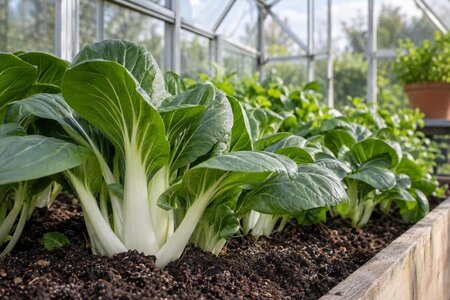
Pak choi is better suited to the cooler parts of the greenhouse year than hot summer conditions. Plan repeat sowings from autumn into spring, maintain even moisture, ventilate when needed and harvest promptly to reduce the risk of bolting.
