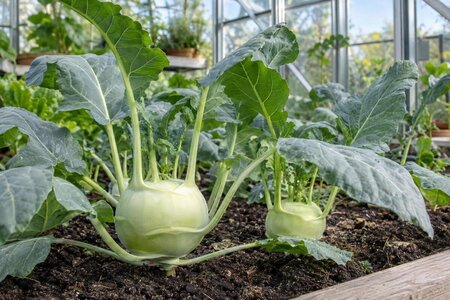
Growing Kohlrabi in a New Zealand Greenhouse
Kohlrabi is most useful as a quick crop in the cooler part of the greenhouse year. Plan plant spacing, small repeat sowings and when to pick before stems become coarse.

Kohlrabi is most useful as a quick crop in the cooler part of the greenhouse year. Plan plant spacing, small repeat sowings and when to pick before stems become coarse.
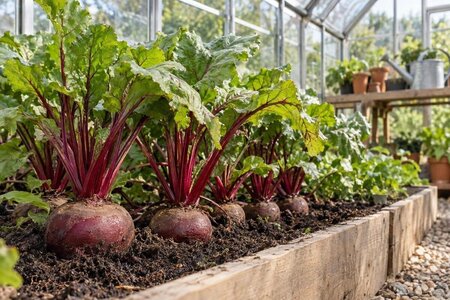
An early crop of baby beetroot can clear a protected bed before summer planting, but it is not always the best use of space. Compare greenhouse timing with direct sowing outdoors and plan the handover.
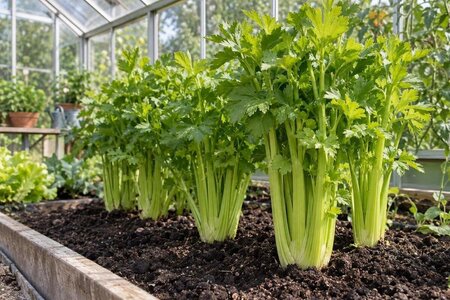
Celery needs attention for months, particularly steady water rather than wet-and-dry swings. This guide considers bed space, air movement and seasonal conditions before you commit valuable greenhouse room.
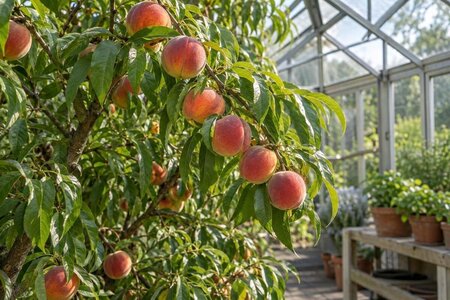
A peach or nectarine tree needs greenhouse space for far longer than a seasonal crop. Explore how winter conditions, summer heat, pollination, pruning and mature canopy size shape the decision.
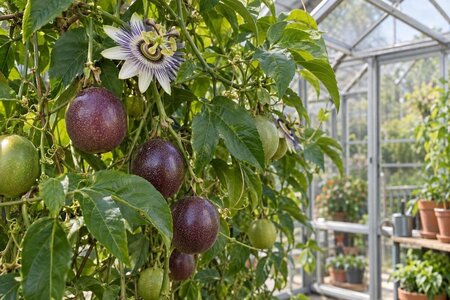
Passionfruit can fill a greenhouse quickly while fruit remains uncertain. Assess winter warmth, cultivar suitability, pollination, pruning and strong support before giving this long-lived climber a permanent place.
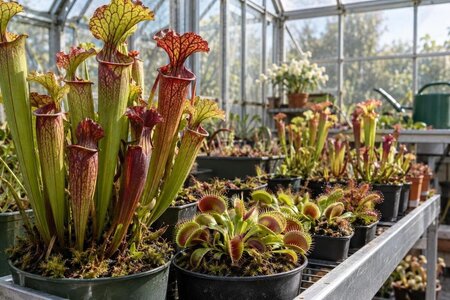
Venus flytraps, Sarracenia and tropical pitcher plants need very different conditions. Learn how water quality, light, fresh air and seasonal temperatures help determine where each group belongs in a greenhouse.
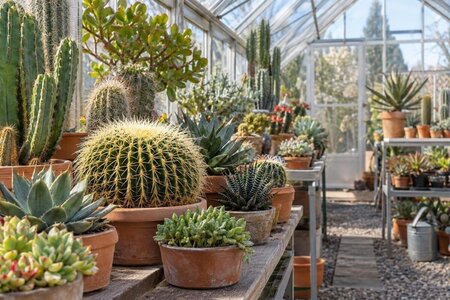
Cacti and succulents are not all heat-loving or equally drought tolerant. Plan a collection around strong light, freely moving air, careful watering and the individual plants' response to cool winter conditions.
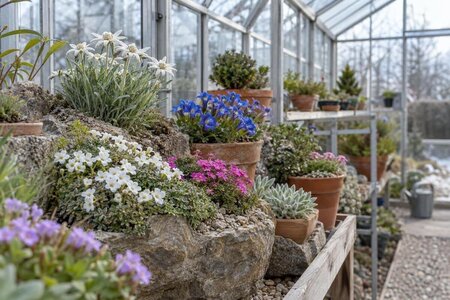
For many alpine plants, protection from long spells of rain matters more than added heat. Explore how a bright, cool and well-ventilated greenhouse space, with sharp drainage, can suit an alpine collection.
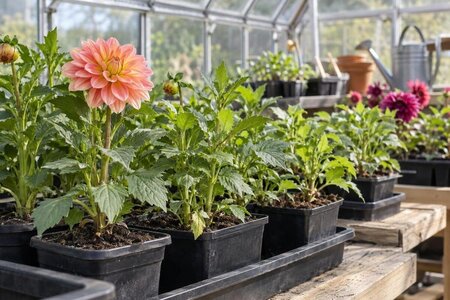
Starting dahlia tubers under cover can establish plants before they move to the garden. Find out how to organise pot space, look after new shoots and harden plants off according to frost conditions in your area.

Sweet peas are a cool-season crop, even when they are grown under glass. See how sowing timing, vertical supports, strong light and dependable ventilation can help bring flowers forward without trapping excess heat.

Ranunculus suit the cooler part of New Zealand’s growing year when corms and the growing medium are managed carefully. This guide covers planting preparation, light, restrained watering and ventilation to help limit disease pressure.

Chrysanthemums need room, stem support and fresh air around the crop. Learn how natural day length shapes flowering and when controlled light may suit the variety and bloom schedule you have in mind.
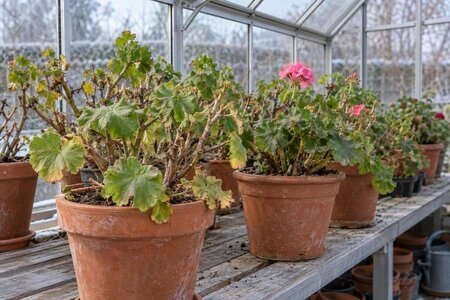
Decide whether to rest geraniums or keep them growing through winter. Compare the light, temperature and moisture needs of each approach, plus hygiene and airflow measures for damp conditions.
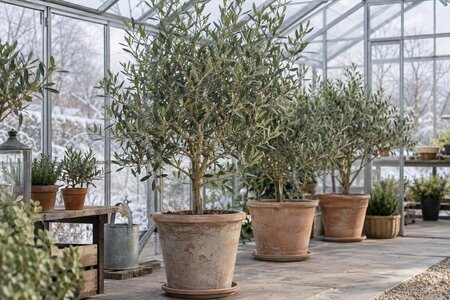
A greenhouse can shelter a container-grown olive during cooler New Zealand weather, but the tree still needs regular checks. See how light, protection around the pot, restrained watering and fresh air shape winter care.
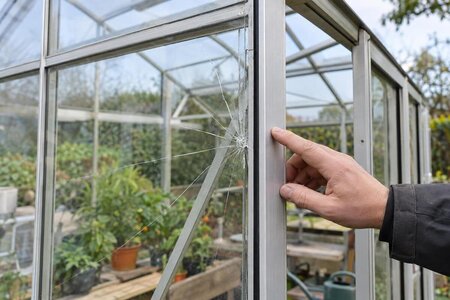
Replacing a broken pane without finding the cause can lead to another break. This guide outlines the photos and details worth noting, plus the frame, supports, glazing fit and temperature movement a qualified installer can assess.
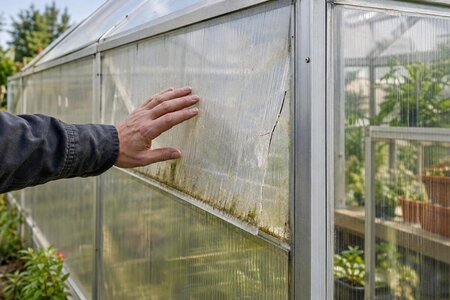
Changes in colour or surface appearance can be cosmetic, while cracks, poor fit or other damage may need closer attention. Learn how to weigh up repair against an approved replacement, and which greenhouse details help identify the right panel.
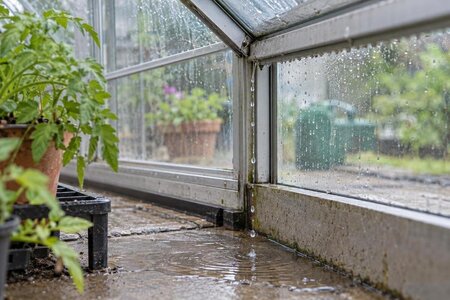
Water inside a greenhouse is not automatically a roof leak. Compare what happens during rainfall, inspect moisture around the base and look for condensation patterns to distinguish water coming from above, below or from the air within.
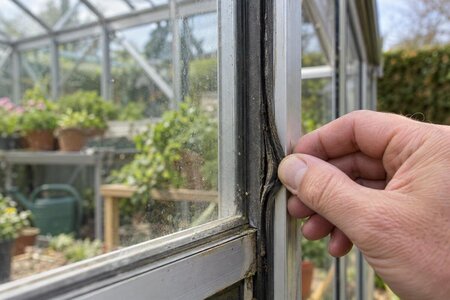
A clean seal can still be worn out. Learn to recognise splitting, flattening and a poor fit, why the original profile matters, and which model details to provide when requesting a matched replacement.
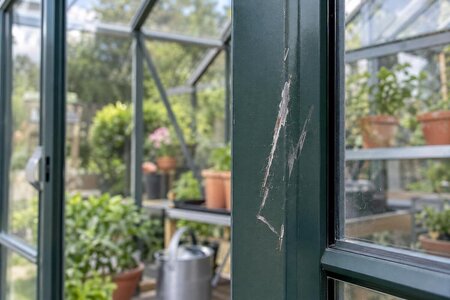
Not all marks on a powder-coated greenhouse need the same response. Learn how to tell a surface scuff from a scratch in the finish, what colour and model details to record, and why manufacturer-approved advice matters before touch-up.
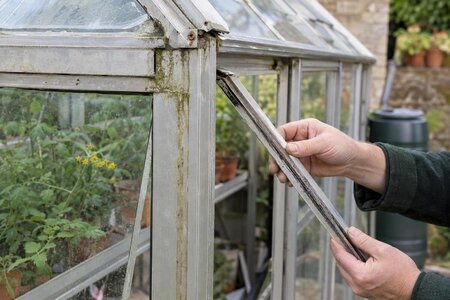
A refurbishment is easier to judge when the whole structure is assessed first. Learn which details of the aluminium frame, glazing, fixings and hardware to record, and why matching parts can affect the next step.
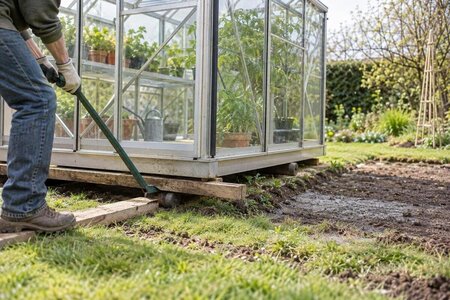
Moving a greenhouse to a more suitable part of the garden requires preparation well before dismantling begins. This guide outlines the value of documenting the structure, reviewing the new site and base, and using a qualified installer.
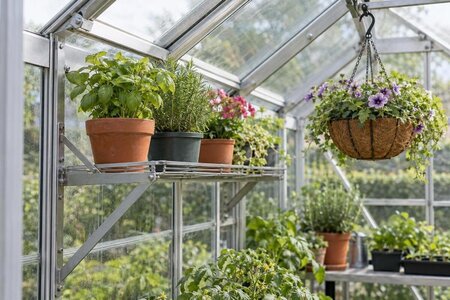
Shelves and baskets can free up valuable growing room, but their support must be confirmed. Find out how approved attachment points and documented accessory loads guide a safer layout, without assuming the roof will take hanging weight.
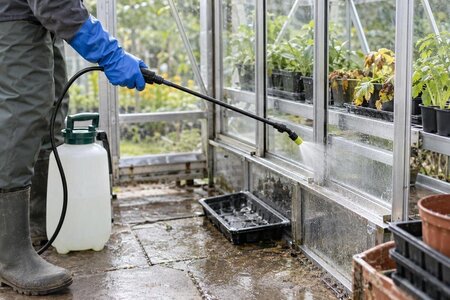
A serious plant disease outbreak needs more than a routine seasonal clean. Explore why the identified pathogen should shape the response, and how compatible treatment of greenhouse surfaces, pots and tools supports a considered recovery plan.
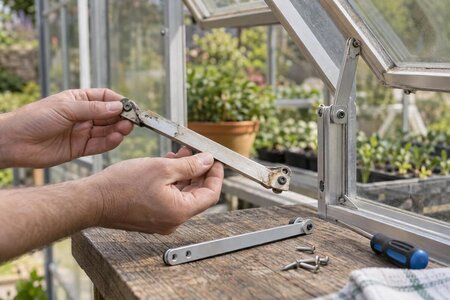
Accurate identification is the starting point for discontinued greenhouse parts. Learn which photographs, labels, profile details, dimensions and original documents to collect before making an enquiry.
