



COMPARE
Low-maintenance garden structures: what they really need
Low maintenance does not mean maintenance-free. This guide explains how materials, location, access, drainage and correct installation shape the real upkeep needed for greenhouses, pergolas, garden buildings and outdoor saunas.
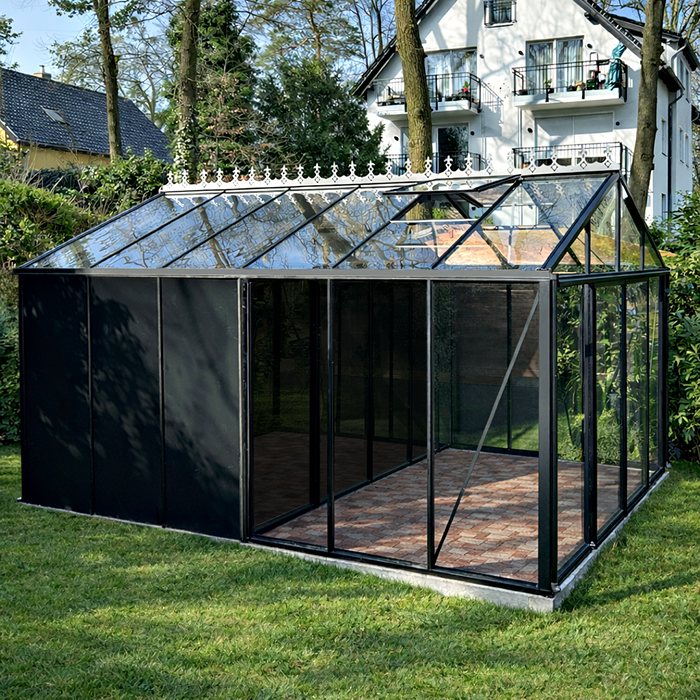
A garden structure can need little work for many years when its materials, location, foundation and use work together. Yet “low maintenance” does not mean cleaning, visual checks or minor adjustments disappear entirely. What matters is that these tasks are easy to reach, predictable and possible without complex specialist work.
What “low maintenance” really means
Maintenance involves more than cleaning visible surfaces. Drainage routes, moving parts, fixings, connections and the area around the structure also matter. A low-maintenance design therefore combines three qualities: durable materials, accessible components and a location where water, leaves and plant growth can be managed.
Aluminium does not normally need regular surface coating like untreated timber. Glazing or panels still need cleaning to maintain light transmission, visibility and controlled water run-off. Doors, windows and louvres remain dependable only when tracks and hinge areas are free of dirt. See the guide to caring for an aluminium greenhouse.
Low maintenance is not an unconditional material promise. It results from a suitable design, correct assembly and a short but regular routine.
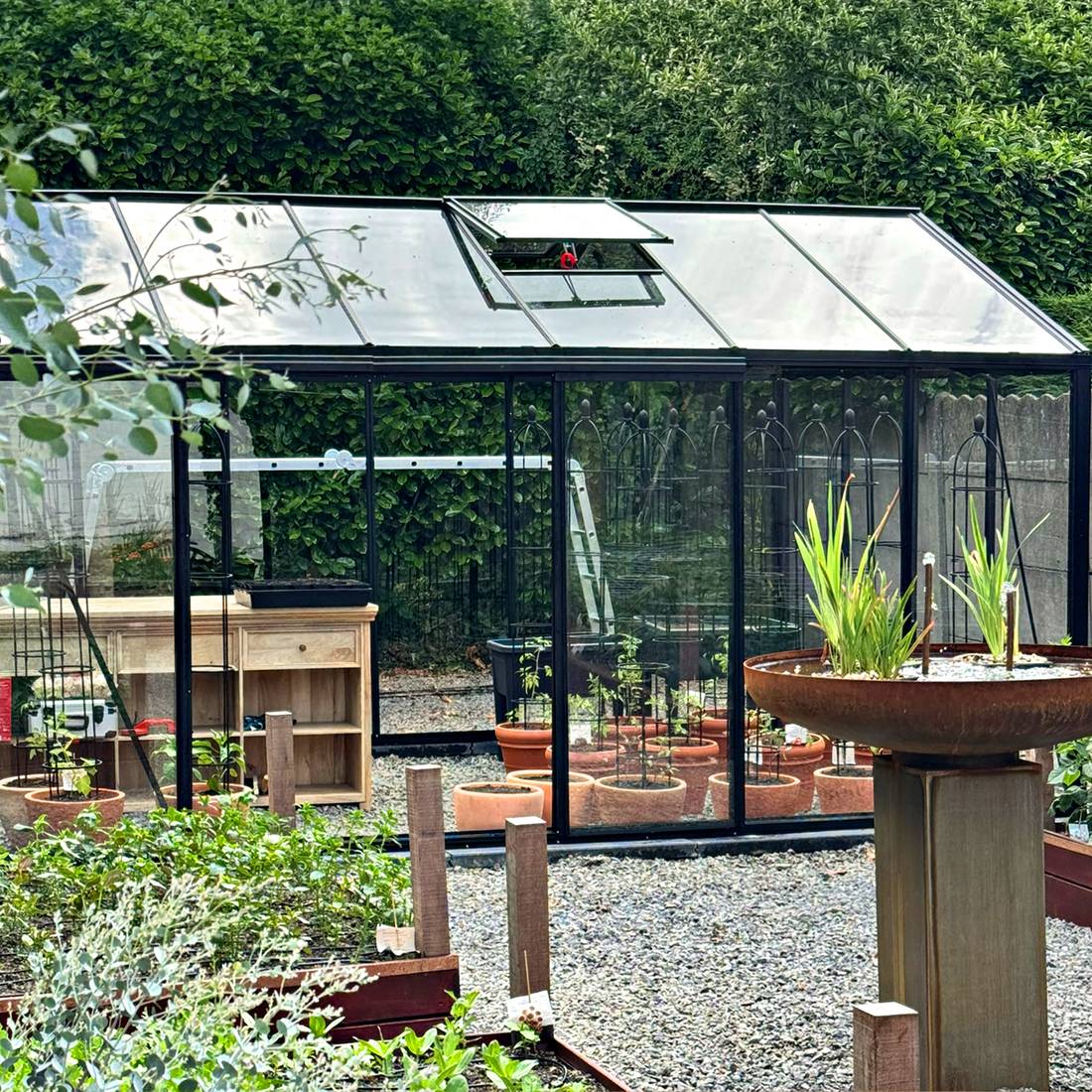
Common garden structures compared
| Structure | Typical maintenance points | What needs particular attention |
|---|---|---|
| Aluminium greenhouse | Glazing, gutters, door and window mechanisms, fixings | Clear drainage, ventilation and undamaged panes or panels |
| Timber garden house | Cladding, end grain, junctions, roof and base area | Moisture protection and, where needed, renewed surface treatment |
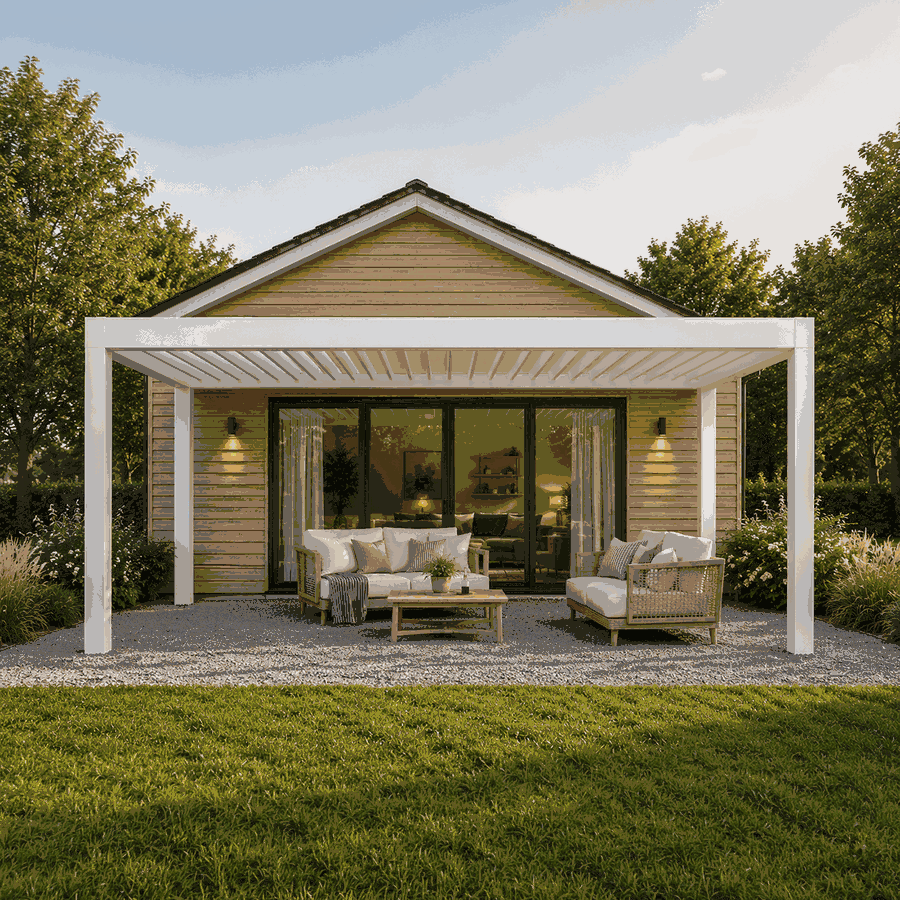
| Pergola | Roof, louvres, gutters, downpipes, post bases and moving parts | Clear drainage routes and cleaning suited to the structure |
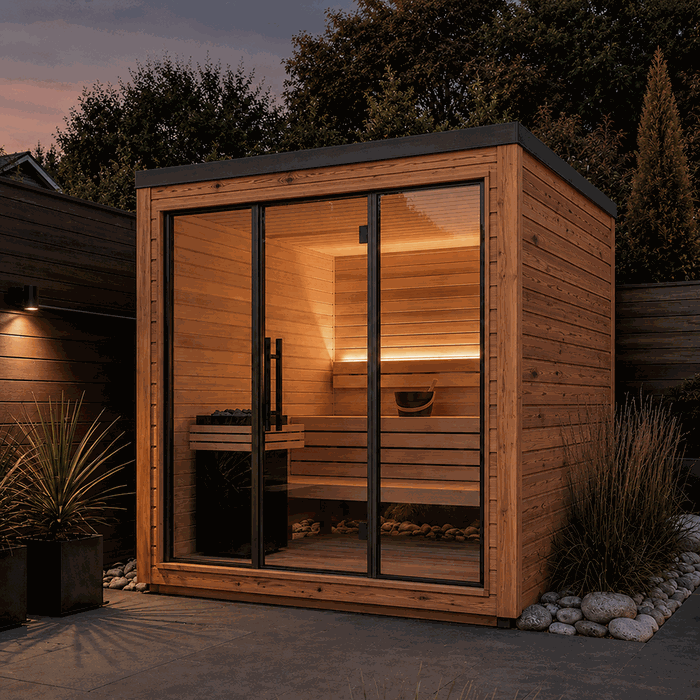
| Outdoor sauna | External shell, roof, door, ventilation areas and interior | Moisture management, drying and care suited to the material |
When comparing structures, do not ask only which material needs the least maintenance. More importantly, consider which tasks fit your own routine. Aluminium reduces certain surface-care jobs, whereas a timber building may need more attention to moisture and coatings. A sauna also adds use, ventilation and drying. Explore different formats in greenhouses and conservatories, garden houses and saunas.
There are differences within each category too. For greenhouses, shape, glazing and the number of opening elements influence the routine. The guide to polycarbonate in a greenhouse covers further selection points. For an outdoor sauna, consider access to external surfaces and technical areas as well as its form. This applies when comparing an Elma S outdoor sauna, an Elma L outdoor sauna or an HC150 thermowood barrel sauna.
Questions to ask before choosing a structure
How will the structure be used?
Use determines where dirt, moisture and mechanical wear occur. A greenhouse has different care needs from a pergola because of growing media, irrigation and plant debris. Anyone growing vegetables regularly needs easy-to-clean paths and unobstructed access to ventilation openings. Practical guidance is available on growing lettuce in a greenhouse and greenhouse temperature and humidity.
For a pergola, establish whether it mainly provides shade, protects a dining area or forms a frequently used route to the house. With a sauna, intensity of use, ventilation and the ability to dry it affect maintenance more than floor area alone.
Can every area needing care be reached?
Leave sufficient working space between the structure and a hedge, fence or house wall. Exterior surfaces, gutters and connections must be reachable without permanently damaging plants or using unsafe makeshift access. Also consider how the roof will be inspected and whether suitable access is available. Walk on the roof only where the specific model expressly permits it.
A larger structure may be easier to maintain than a small one placed too close to boundaries or planting. The chosen size must suit not only the usable area but also the available maintenance space. The pergola size guide helps with early planning.
Does the material suit your preferred care routine?
Those who do not want to sand or renew coatings regularly will often find aluminium practical for everyday use. Those who prefer the natural appearance of timber should be prepared to assess surfaces and moisture-prone details regularly. Thermally modified timber can have different properties from untreated timber, but it remains a natural material. Follow the care guidance for the specific model. Find further design inspiration in the overview of outdoor barrel saunas.
Delivery planning supports easy upkeep
Well-planned delivery avoids improvised storage and unnecessary damage. Before ordering, check vehicle access, narrow points, slopes, gates, trees and the route from the unloading point to the installation site. Also establish who will receive the delivery and where components can be stored dry, level and in line with the instructions.
Prepare the site before the delivery date. It needs a clear transport route, a completed or firmly planned base, and enough working space. Packaged parts should not remain in the garden for long simply because foundation or approval questions are unresolved. See shopping and delivery and how to order. Bloomcabin delivers across South Africa, including islands and territories; free delivery applies to most products, so check the specific product terms and delivery arrangements. Greenhouse delivery information is relevant.
Whether approval or consent is needed depends on the municipality, planning scheme and actual project. Cape Town, for example, distinguishes work that needs building-plan approval from work that does not; a minor-work tariff category is not an exemption. Check with the local building-control office before ordering. Start with the guide to approval for a greenhouse or pergola.
Assembly choices with long-term consequences
Prepare the site first
An unsuitable base creates follow-on costs. Settlement or misalignment can affect doors, windows, glazing and drainage. The foundation must suit the model, ground conditions and location. Check dimensions, level, anchoring and drainage before assembly. For pergolas, the pergola foundation guide supports preparation, but model-specific information remains decisive.
Also plan where rainwater will go. Water must not remain at the base or discharge uncontrolled onto neighbouring areas. Before installation, confirm acceptable drainage arrangements with the municipality.
Use the model-specific assembly sequence
Structures that look similar can differ in profiles, connectors and assembly steps. Use only the instructions supplied for the model, and check parts, tools and work stages before starting. Do not replace fixings with other components by guesswork. Changes can affect fit, function and later support.
Divide installation into checkable stages: base and squareness, load-bearing structure, roof, glazing or cladding, doors and windows, then a final functional check. This helps identify errors before later components restrict access.
Check operation before furnishing
Operate doors, windows, vents or louvres repeatedly before bringing in shelving, planters or furniture. Check gaps, closing movement, water routes and visible fixings. An early test is easier than correction in a fully equipped structure.
Fit accessories only at suitable points and as the model instructions direct. This is especially important for heavy shelves, suspended loads, lighting and heaters. For electrical supplies or connections, use a registered local electrical contractor to confirm compatibility and protection, complete inspection and testing, and provide any applicable Certificate of Compliance documentation.
A realistic maintenance plan
A fixed calendar is less useful than regular visual checks combined with checks prompted by conditions. Location, vegetation, use and weather determine the frequency.
- Ongoing: Remove plant debris, soil and objects from door tracks, ventilation areas and water routes.
- Seasonally: Clean exterior surfaces, inspect gutters and outlets, test doors and windows, and check the base area for standing moisture.
- After severe weather: Inspect glazing, roof, fixings, drainage and nearby branches. Do not postpone dealing with damage until the next routine check.
- Before intensive use: Check accessories, interior fittings and technical equipment according to the applicable instructions.
Cleaning principles for aluminium and glazing
First remove loose dirt with a soft tool or water. Mild, material-compatible cleaners with soft cloths or sponges are generally suitable afterwards. Harsh chemicals, abrasives and hard tools can damage surfaces, seals or glazing. Always check the care requirements for the specific product and, if unsure, test a cleaner on an inconspicuous area.
For a greenhouse, clean glazing improves light entry. Cleaning does not replace climate management: ventilation, watering and shading remain separate tasks. The guide to choosing an orangery can also help assess use and accessibility for larger greenhouse styles.
Timber needs a different approach
Timber responds to moisture, sunlight and construction details. Pay particular attention to low-level areas, end grain, joints and places where water dries slowly. Whether and when surface treatment is required depends on timber species, existing treatment, exposure and manufacturer guidance. A blanket interval is therefore not useful.
Good care starts with constructive protection: clear water run-off, space from permanently damp vegetation and sound roof details. A timber structure must not be kept permanently damp by soil, mulch or stored items placed against it afterwards. For specific sauna options, consider information on the HC 180 barrel sauna or HCF 225 barrel sauna when choosing.
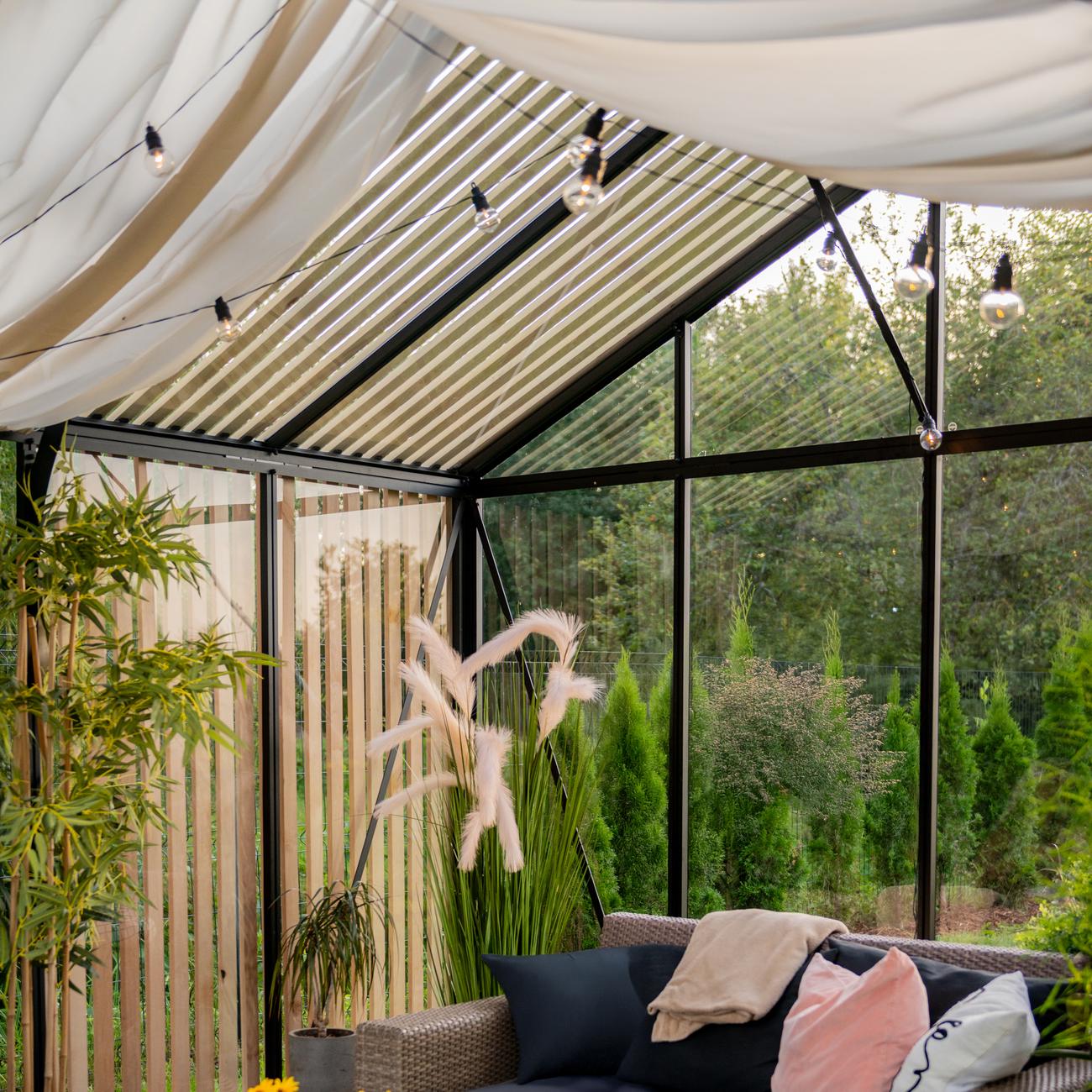
Pergola: simple care, consistent water management
For a pergola, the routine focuses on roof surfaces, louvres, gutters, outlets, post bases and mechanical components. Leaves and seeds can obstruct water routes. Check these areas especially after leaf fall, storms or long periods without use. Clean, adjust or lubricate moving parts only as the model-specific instructions allow.
Wall-mounted structures have different connection details from freestanding ones. The comparison of a wall-mounted and freestanding pergola helps with the basic decision. The page on a bioclimatic or classic pergola covers differences between roof principles. The article on a bioclimatic pergola and glass roof adds useful use considerations.
Instructions, records and support
Keep the assembly manual, order documents, parts lists and photographs of the completed installation together. Note any accessories added later. Photos of concealed cable routes or fixing points can be useful for future work.
Record issues with an overall view and close-up before changing components. Keep model and order details available when you need support. General guidance is in useful information; for specific questions, contact Bloomcabin . Always refer to the relevant documents for the conditions and scope of any promised cover; see the warranty page. Other buyers’ experiences can add practical insight, but do not replace the instructions or site assessment. See greenhouse reviews.
Checklist for a low-maintenance purchase
- Is the structure suitable for its planned use?
- Does the material suit the desired cleaning and care routine?
- Can the roof, exterior surfaces, drainage and moving parts be reached?
- Is there enough distance from hedges, walls and property boundaries?
- Is the base prepared for this specific model?
- Can rainwater drain in a controlled way?
- Are access, unloading, temporary storage and assembly space arranged?
- Have local approval, boundary and drainage questions been checked with the municipality?
- Is the model-specific instruction manual available?
- Are planned shelves, heaters, lights or suspended items compatible with the structure?
- Can inspections after storms, frost periods or heavy snowfall be completed safely?
- Is there a dedicated place for instructions, proof of purchase and maintenance notes?
Frequently asked questions
Does an aluminium greenhouse need no maintenance at all?
No. Aluminium reduces certain surface-care tasks, but it does not make the structure maintenance-free. Glazing, gutters, tracks, doors, windows, fixings and the foundation connection must remain clean and functional. Short, regular checks prevent small obstructions or misalignments from going unnoticed.
Is a small greenhouse always easier to maintain?
Not necessarily. A smaller surface area is quicker to clean, but narrow paths and limited exterior clearance can make access difficult. Layout, reachability, ventilation options and enough space around the structure are what matter.
Which is easier to maintain: an aluminium greenhouse or timber garden house?
An aluminium greenhouse normally does not need regular timber coating. Its glazing and ventilation still need attention. A timber garden house requires more focus on moisture and surfaces, but can remain useful for a long time with good construction and consistent care. The right choice depends on the routine you prefer.
Can I clean a garden structure with a pressure washer?
Only if the model-specific care instructions allow it. A powerful water jet can damage seals, coatings, joints, timber surfaces or delicate glazing, and force water into connections. Gentle cleaning with soft tools is usually easier to control.
What should be checked after severe weather?
Check the roof, glazing, louvres, visible fixings, doors, windows, gutters and outlets. Remove branches and debris only if it is safe to do so. Where damage is visible, do not continue using or loading the area until the next steps have been established.
May plants grow directly against a greenhouse or garden house?
Leaving a small gap is sensible. Dense planting keeps surfaces damp for longer, blocks air movement and makes inspection and cleaning harder. Climbing plants must not be attached to profiles, gutters or cladding without suitable planning.
Should I choose a wall-mounted or freestanding model?
A wall-mounted structure can fit paths and patios well, but needs a suitable building and carefully planned connections. A freestanding model offers more siting flexibility, yet requires secure foundations and drainage on every side. In either case, check maintenance access and ask the municipality about approval and siting.
Can I add shelves, heaters, lights or hanging accessories later?
Only if the structure, fixing points and manufacturer instructions permit it. Never attach extra loads to profiles or roof elements unchecked. For heaters and electrical equipment, assess ventilation, moisture and safety clearances, and use a registered local electrical contractor to confirm compatibility, protection and compliance documentation.
How much time should I allow for maintenance each year?
There is no universal number of hours. Size, vegetation, weather, material and use vary considerably. Several short visual checks, a more thorough seasonal clean and additional checks after unusual weather are more useful.
How can use be easier from day one?
Choose an accessible location, prepare the foundation before delivery and assemble strictly according to the instructions. Keep water routes clear, place fittings so doors and ventilation remain accessible, and start simple maintenance records early. Low maintenance is chiefly planned, not created afterwards.
