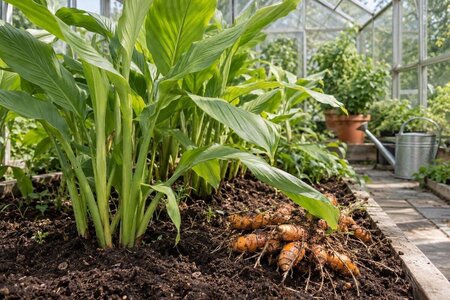
Growing Turmeric in a Greenhouse
Turmeric needs sustained warmth and a long season before its rhizomes are ready to lift. Compare pot space, watering and seasonal timing, then consider whether greenhouse heating is practical for your plans.

Turmeric needs sustained warmth and a long season before its rhizomes are ready to lift. Compare pot space, watering and seasonal timing, then consider whether greenhouse heating is practical for your plans.
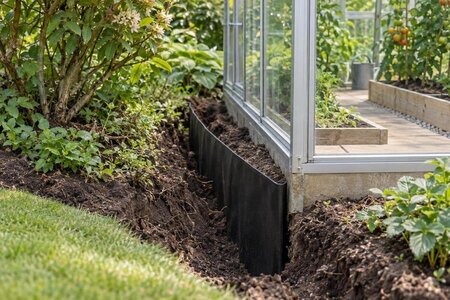
Established planting beside a greenhouse may compete with crops below ground. Learn how to spot likely root intrusion, assess the position of beds and barriers, and avoid damaging roots that are important to a neighbouring tree or shrub.
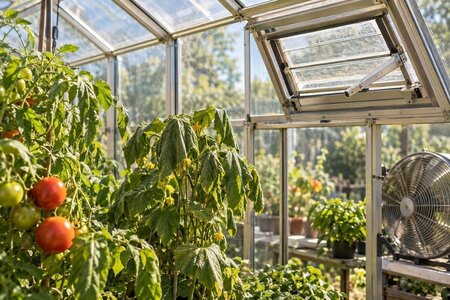
The weather forecast reflects outdoor conditions, while sunshine can quickly raise the temperature under glass. Follow a practical temperature and humidity log to assess sensor placement, local exposure and whether ventilation is coping.
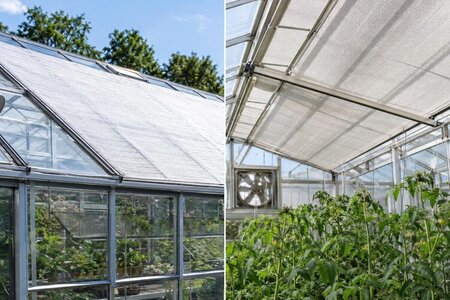
See how shade position changes solar heat gain, access and fitting. Compare external and internal options against how you use the space and the fixing points your greenhouse supports.
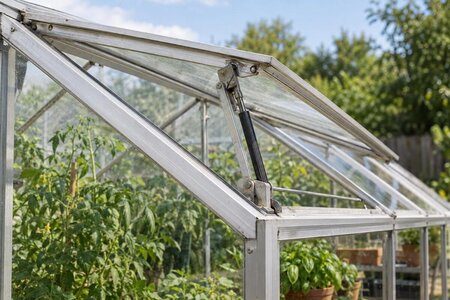
A vent opener that remains shut may be responding to temperature, an incorrect adjustment, excess load or a physical obstruction. Work through safe checks in the order recommended by the manual for your particular opener.
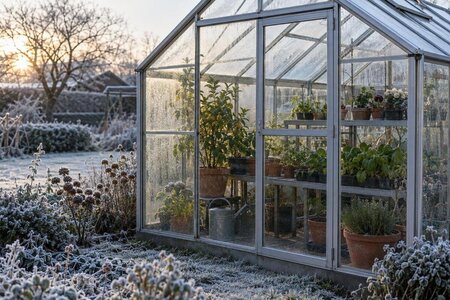
An unheated greenhouse can reduce exposure, but it does not guarantee frost-free conditions. Work through which plants are most vulnerable, where temporary covers can help, and when conditions call for moving plants to safer shelter.
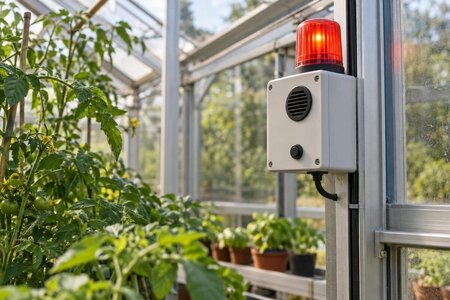
A temperature alert needs a planned response, not just a notification on your phone. Learn how to choose practical low and high thresholds, nominate a backup contact and prepare actions for time away from home.
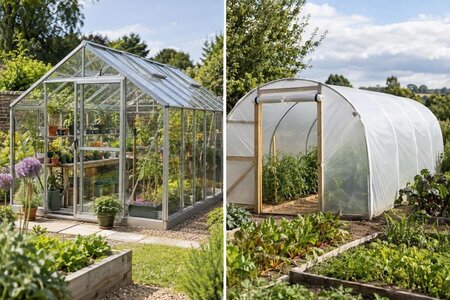
A glass greenhouse and a polytunnel offer very different ways to grow. Weigh up their permanence, enclosed environment, routine care and eventual cover replacement in relation to your garden plans.
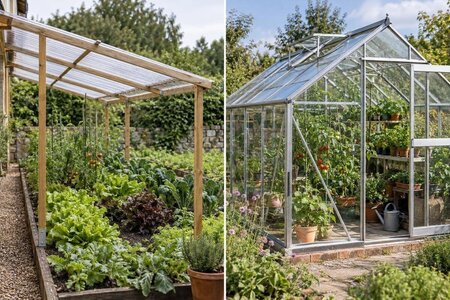
A rain shelter keeps direct rainfall off selected crops, while a greenhouse creates a more controlled enclosed space. Compare their weather protection, ventilation needs and potential for growing beyond summer.
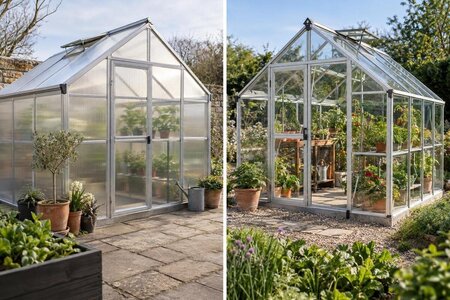
Glazing is only one part of an effective growing environment. Explore insulated and single-glazed greenhouse options in relation to target temperatures, seasonal use, ventilation and the wider construction.
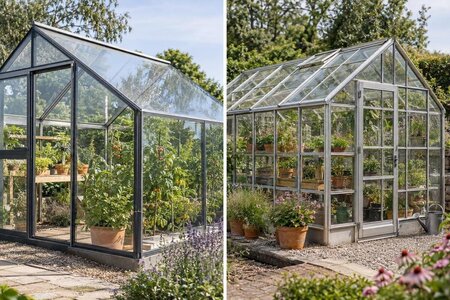
Pane size shapes the character of a greenhouse, but it also affects practical ownership. Explore the differences in appearance, handling during installation and the considerations to bear in mind if glass is damaged.
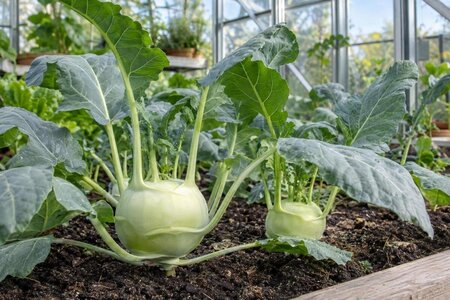
Kohlrabi is a quick crop, but overcrowding and delayed picking can spoil its texture. Plan sowings in succession, allow each swollen stem room to develop and use the greenhouse wisely during warmer spells.
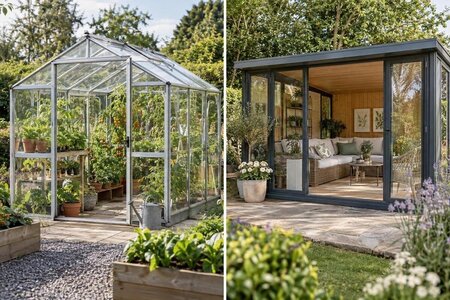
Plants and seating can share a garden setting, but a greenhouse and a garden room are planned for different priorities. Compare ventilation, solar gain, growing conditions and comfort expectations before deciding which suits your use.
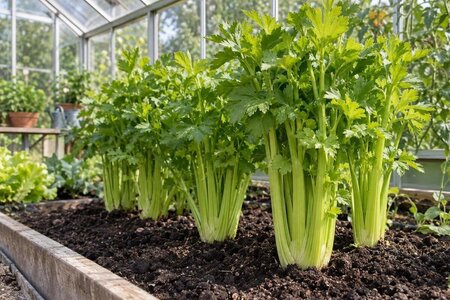
Celery needs steady attention for months rather than a quick burst of care. This guide looks at moisture, spacing, ventilation and seasonal timing, helping you judge whether a greenhouse can support the crop well.
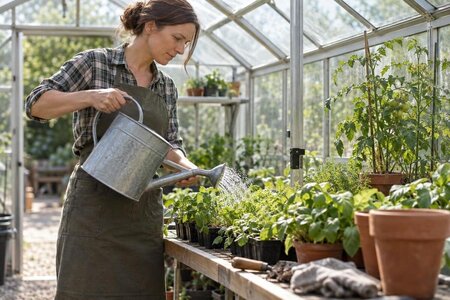
A realistic greenhouse routine begins with what you intend to grow and when. Break down watering, checking plants, harvesting and cleaning, then identify where automation helps while regular observation remains essential.
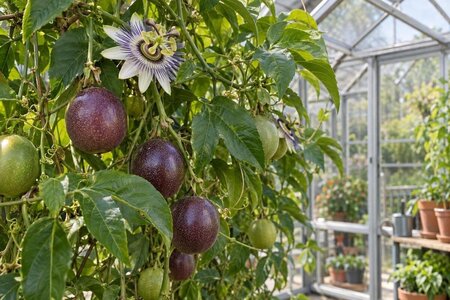
A vigorous passion fruit vine does not always guarantee a worthwhile crop. Assess the warmth, winter protection, cultivar choice, pollination and sturdy support needed before committing long-term greenhouse space.
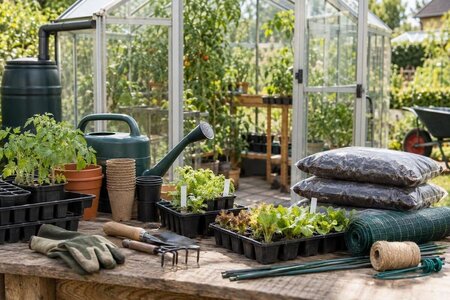
You do not need to fill a new greenhouse with every accessory before sowing your first seeds. Learn which growing essentials deserve priority and which additions make more sense once you know how you use the space.
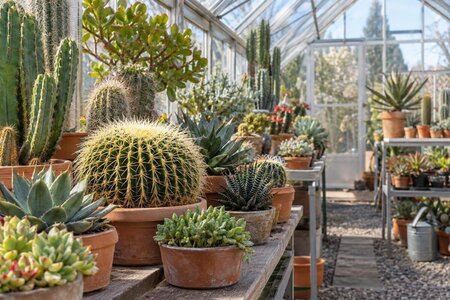
A successful cactus and succulent collection relies on more than warmth. Explore how light levels, freely moving air, watering routines and the cold tolerance of individual plants inform greenhouse planning.
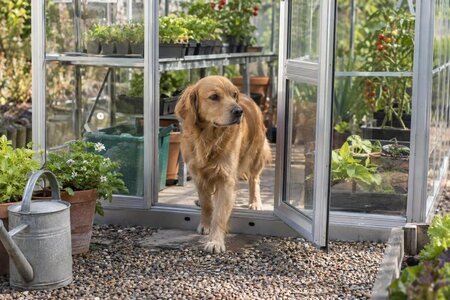
A pet-aware greenhouse plan covers more than keeping animals out of beds and pots. Consider controlled access, secure storage for tools and supplies, and reliable veterinary or plant-toxicity guidance before choosing what to grow.
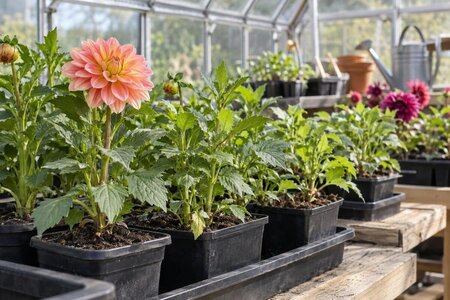
Starting dahlia tubers under glass lets plants establish before they go into the garden. Plan potting and staging space, manage early shoots, then time hardening off and planting out around local frost risk.
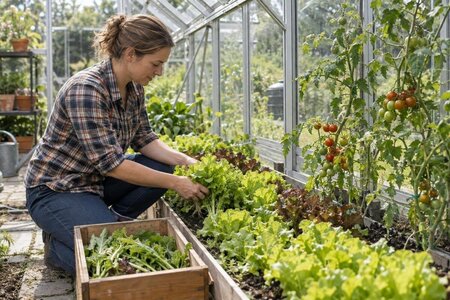
A greenhouse can make a worthwhile contribution to the food you grow at home, without making every household self-sufficient. Consider which crops you use, seasonal harvest gaps and the time available for regular care.
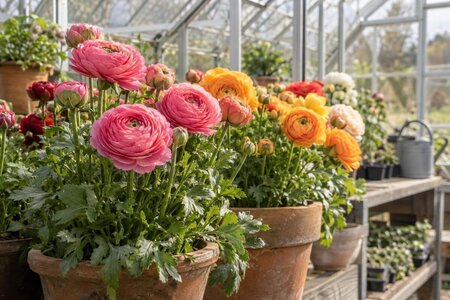
Ranunculus are cool-season flowers that reward careful timing and restrained watering. Learn how to prepare and plant corms, provide suitable light and air movement, and spot conditions that can encourage disease.
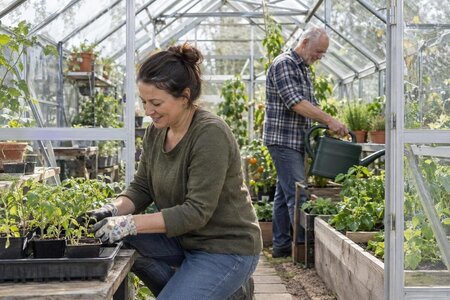
Two households can enjoy one greenhouse if responsibilities are settled before sowing begins. Set out who uses each area, covers watering, buys shared items and makes decisions when plans or availability change.
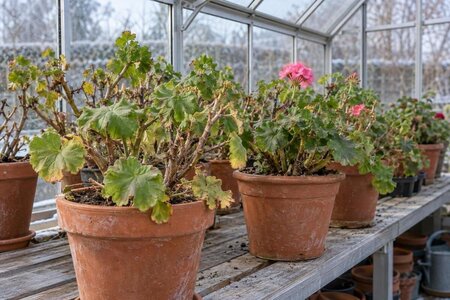
Whether you call them geraniums or pelargoniums, these summer favourites need a considered winter routine. Compare keeping plants in active growth with allowing them to rest, including the different needs for light and moisture.
