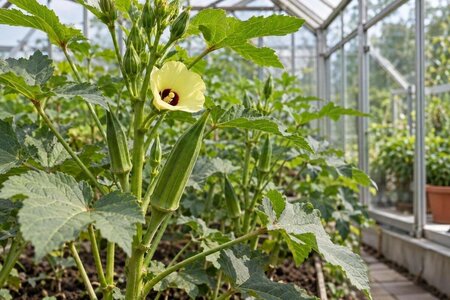
Growing Okra in a Greenhouse
Okra needs more dependable heat than many UK greenhouse crops. Understand the long season it requires, when heating may be necessary, how much growing room to allow and why young pods should be picked regularly.

Okra needs more dependable heat than many UK greenhouse crops. Understand the long season it requires, when heating may be necessary, how much growing room to allow and why young pods should be picked regularly.
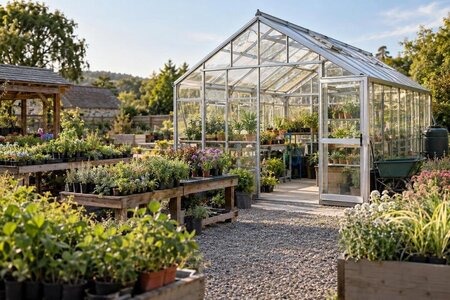
Estimate how many plants benches can support and trace the route from propagation to order preparation. Use those findings to assess workflow and whether a proposed greenhouse is suitable for the intended business use.
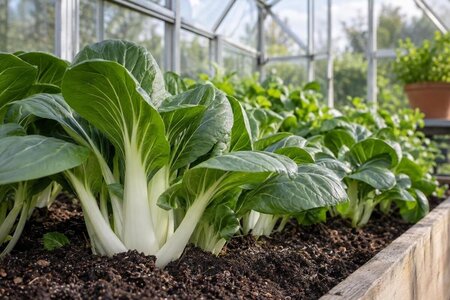
Pak choi is best grown as a cool-season greenhouse crop rather than through the height of summer. Plan sowings for cooler weather, keep moisture even, ventilate on warmer days and harvest promptly to reduce the risk of bolting.
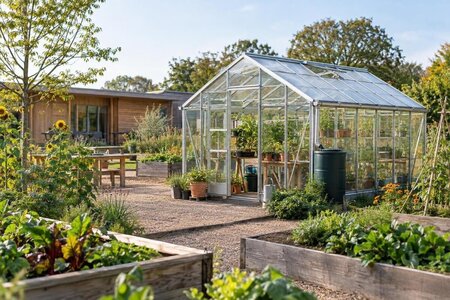
Bring the greenhouse into the landscape plan before paths and planting are finished. This guide helps coordinate levels, foundations, service routes, delivery access and responsibilities across contractors.
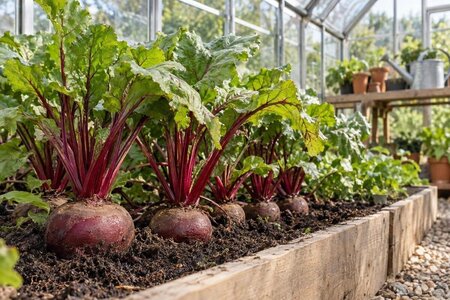
Greenhouse beetroot can provide tender baby roots before the outdoor crop catches up, but it competes for valuable growing room. Compare the timing, light and sowing approach before allocating a bed or border.
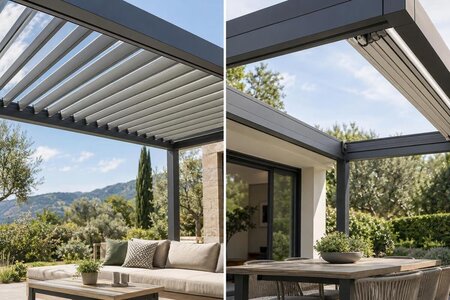
Rotating louvres tilt while remaining in position; retractable systems move roof elements away to open the space above. Learn what this difference means for the roof layout and which mechanism details to confirm for any model.
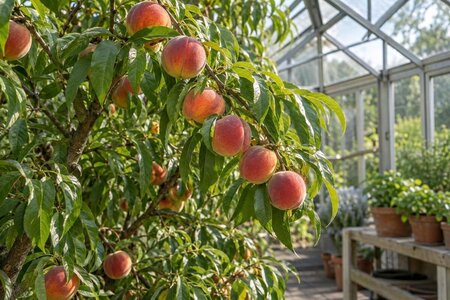
A peach or nectarine tree takes up greenhouse space for years, not just one season. Explore winter conditions, blossom pollination, pruning and training, plus the light and headroom a mature tree will require.
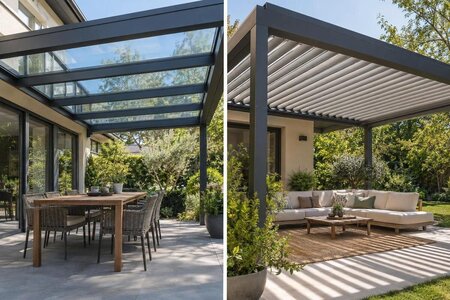
A fixed glass roof keeps the overhead view open to daylight, whereas louvres can be adjusted for shade and ventilation. This guide sets out the everyday trade-offs and the rain-management information worth checking on each system.

Carnivorous plants are not a single climate group. This guide compares temperate flytraps and Sarracenia with tropical species, covering low-mineral water, light, ventilation and winter dormancy.
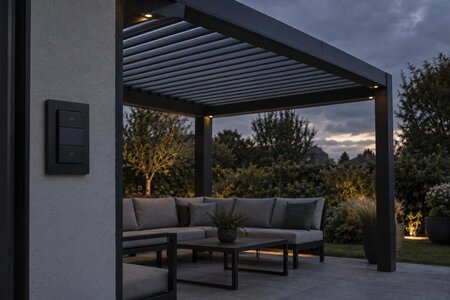
A power cut does not produce the same result on every motorised pergola. Learn which model documents to check for the roof’s behaviour, safe operation and any approved manual override.
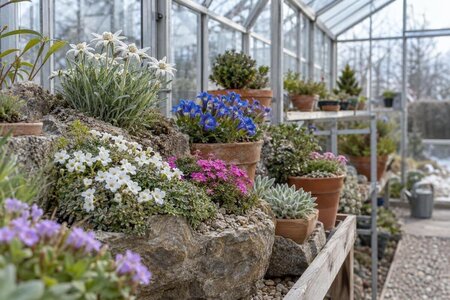
Alpines usually benefit from a bright, cool setting rather than greenhouse heat. Learn how shelter from prolonged rain, generous ventilation and good drainage help you plan space for an alpine collection.

Smart control is only useful when the pergola and your home system are genuinely compatible. Review protocols, account dependency, local operation and what remains available without an internet connection.
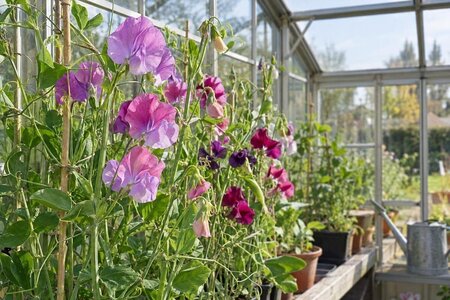
Sweet peas can be an early-season greenhouse crop, but they do not need tropical conditions. See how sowing times, support arrangements, strong light and cool ventilation help you plan for earlier flowers and cutting.
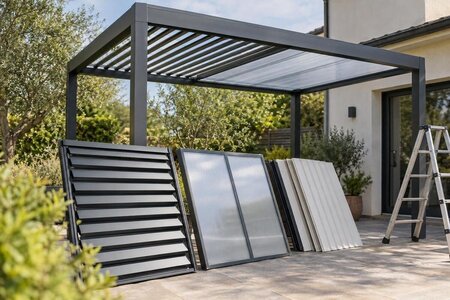
A different roof cannot be assumed to suit an existing pergola frame. Explore the structural, fixing and warranty questions that separate manufacturer-approved upgrades from unsupported alterations.
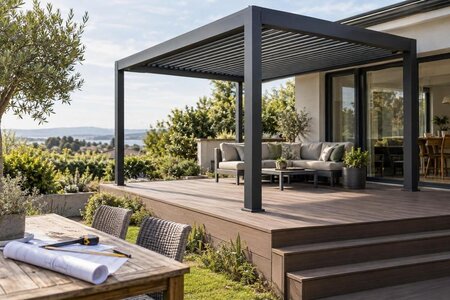
Decking boards create the finished surface, but they are not necessarily the structure that can support a pergola. Learn how the frame beneath, suitable fixing locations and site access shape a sound installation plan.
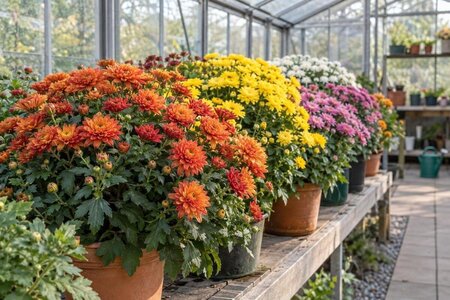
Sturdy chrysanthemum stems and well-timed flowers start with more than regular watering. This guide explains spacing, supporting plants and managing ventilation, alongside the role of natural and controlled day length.
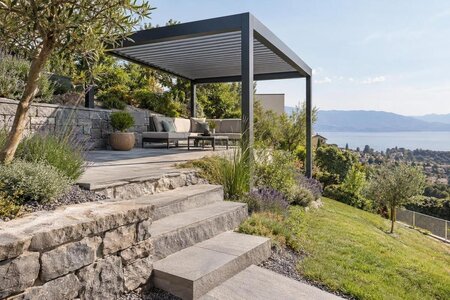
A fall in the terrace helps water drain away, whereas a pergola roof may require a different level. This article sets out the questions to resolve around levels, post layouts and the approved model drawings.
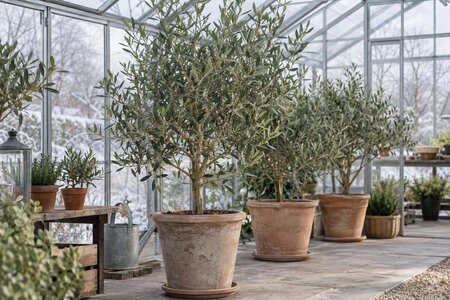
A greenhouse can offer useful shelter for a potted olive, but winter success depends on light, the condition of the root ball and measured watering. Explore how ventilation and regular checks help you respond to changing weather.
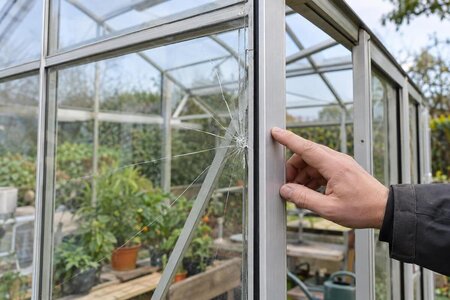
Replacing the glass alone may not address the reason it keeps breaking. Learn which details to note and what a qualified installer can review, from frame alignment and support to glazing fit and temperature-related movement.
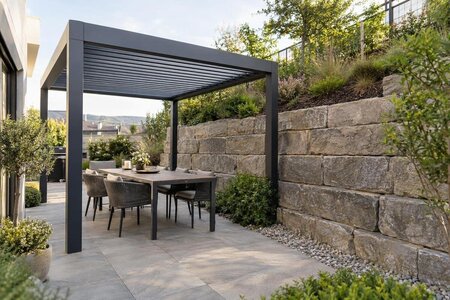
A pergola beside a retaining wall needs more thought than a standard patio installation. Explore how soil stability, load transfer, responsibility for the wall and approved fixing details can shape a safe, workable layout.
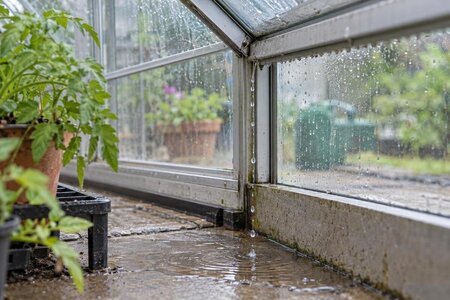
A wet greenhouse floor does not automatically mean a roof leak. Work through observations during rain, checks around the base and signs of condensation to distinguish water entering from above, moisture below, and water forming inside.
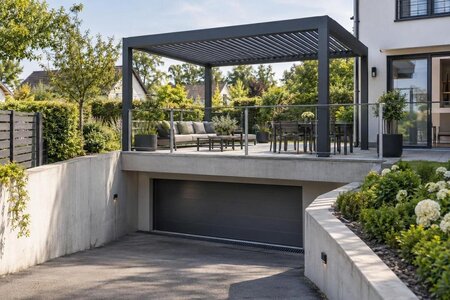
A terrace above a basement or underground garage may sit on a waterproofed structural slab rather than ordinary ground. Learn why the load path, proposed anchors, membrane protection and coordination with the building owner all require careful planning.
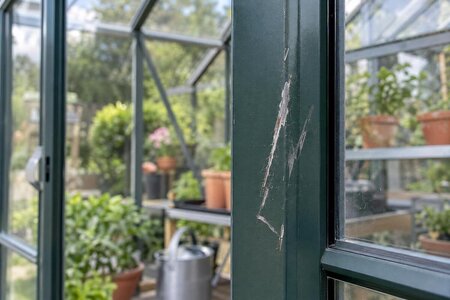
Not every scratch on a powder-coated greenhouse requires the same response. Find out how to tell a superficial scuff from damage to the finish, and why colour-matched, manufacturer-approved advice is important before attempting a touch-up.

Pipes, cables and drainage runs below or within a terrace can determine where pergola posts and anchors can go. Learn why service information, detection work and a safe excavation plan should be in place before the layout is finalised.
