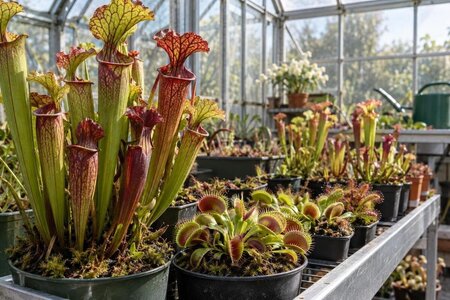
Growing Carnivorous Plants in a Greenhouse
Carnivorous plants are not a single climate group. This guide compares temperate flytraps and Sarracenia with tropical species, covering low-mineral water, light, ventilation and winter dormancy.

Carnivorous plants are not a single climate group. This guide compares temperate flytraps and Sarracenia with tropical species, covering low-mineral water, light, ventilation and winter dormancy.
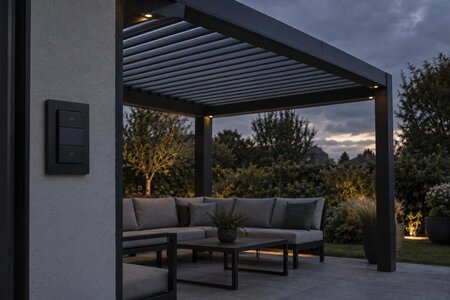
A power cut does not produce the same result on every motorised pergola. Learn which model documents to check for the roof’s behaviour, safe operation and any approved manual override.
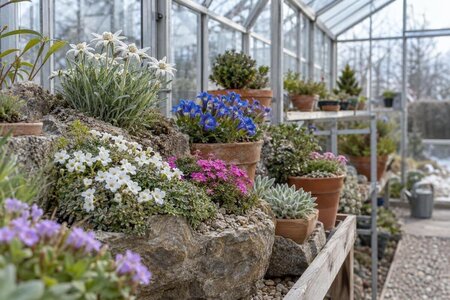
Alpines usually benefit from a bright, cool setting rather than greenhouse heat. Learn how shelter from prolonged rain, generous ventilation and good drainage help you plan space for an alpine collection.

Smart control is only useful when the pergola and your home system are genuinely compatible. Review protocols, account dependency, local operation and what remains available without an internet connection.
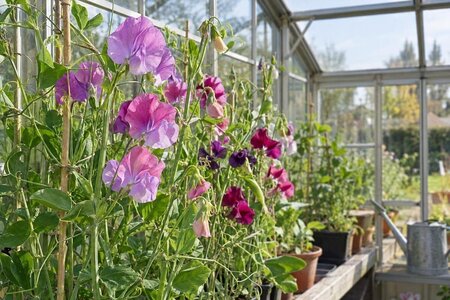
Sweet peas can be an early-season greenhouse crop, but they do not need tropical conditions. See how sowing times, support arrangements, strong light and cool ventilation help you plan for earlier flowers and cutting.
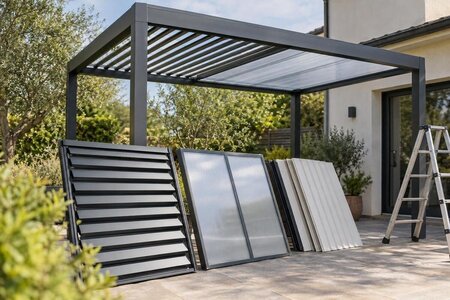
A different roof cannot be assumed to suit an existing pergola frame. Explore the structural, fixing and warranty questions that separate manufacturer-approved upgrades from unsupported alterations.
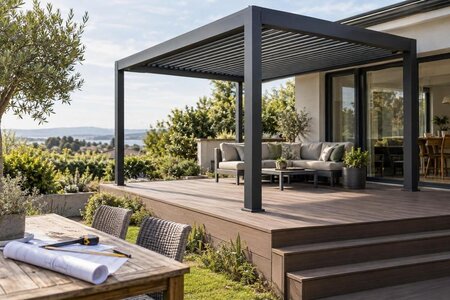
Decking boards create the finished surface, but they are not necessarily the structure that can support a pergola. Learn how the frame beneath, suitable fixing locations and site access shape a sound installation plan.
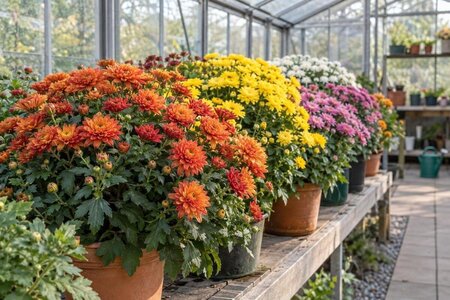
Sturdy chrysanthemum stems and well-timed flowers start with more than regular watering. This guide explains spacing, supporting plants and managing ventilation, alongside the role of natural and controlled day length.
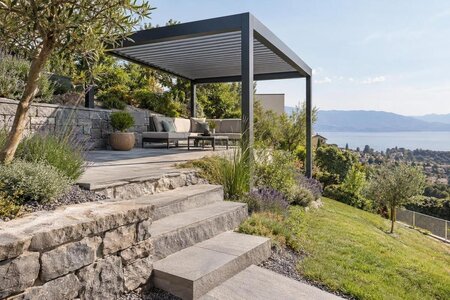
A fall in the terrace helps water drain away, whereas a pergola roof may require a different level. This article sets out the questions to resolve around levels, post layouts and the approved model drawings.
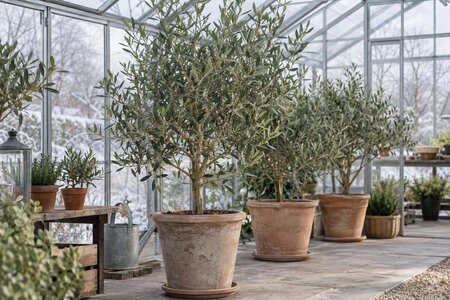
A greenhouse can offer useful shelter for a potted olive, but winter success depends on light, the condition of the root ball and measured watering. Explore how ventilation and regular checks help you respond to changing weather.
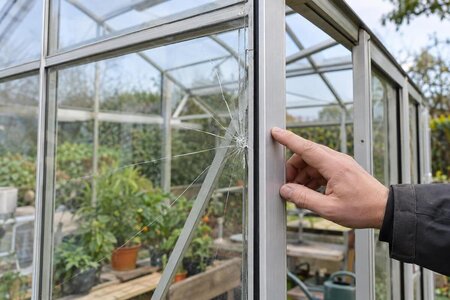
Replacing the glass alone may not address the reason it keeps breaking. Learn which details to note and what a qualified installer can review, from frame alignment and support to glazing fit and temperature-related movement.
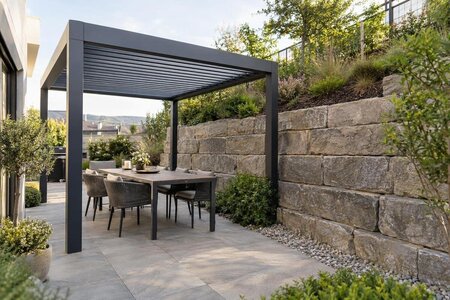
A pergola beside a retaining wall needs more thought than a standard patio installation. Explore how soil stability, load transfer, responsibility for the wall and approved fixing details can shape a safe, workable layout.
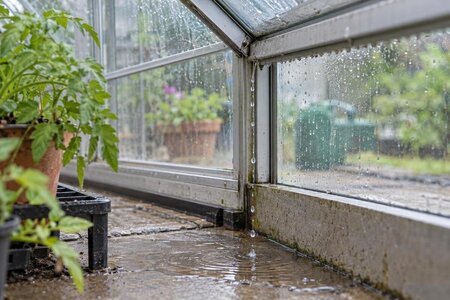
A wet greenhouse floor does not automatically mean a roof leak. Work through observations during rain, checks around the base and signs of condensation to distinguish water entering from above, moisture below, and water forming inside.
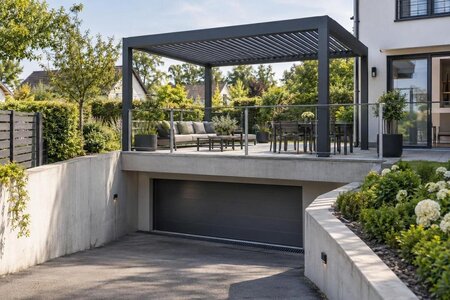
A terrace above a basement or underground garage may sit on a waterproofed structural slab rather than ordinary ground. Learn why the load path, proposed anchors, membrane protection and coordination with the building owner all require careful planning.
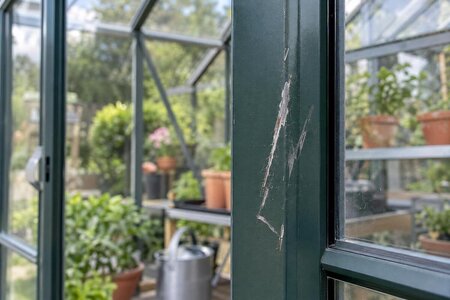
Not every scratch on a powder-coated greenhouse requires the same response. Find out how to tell a superficial scuff from damage to the finish, and why colour-matched, manufacturer-approved advice is important before attempting a touch-up.

Pipes, cables and drainage runs below or within a terrace can determine where pergola posts and anchors can go. Learn why service information, detection work and a safe excavation plan should be in place before the layout is finalised.
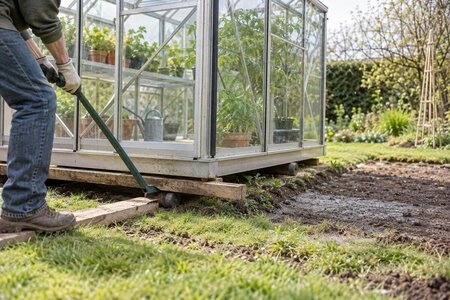
A better position can improve how a greenhouse works in the garden, but relocation requires a methodical plan. Find out why documenting the structure, preparing the new base and arranging qualified reassembly should come before the move.
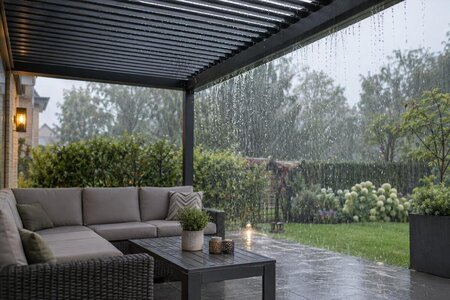
Rain hitting the paving can splash onto chairs and tables even when the roof is closed. Learn how surface falls, drainage, furniture spacing and suitable side screening influence floor-level exposure around a pergola.
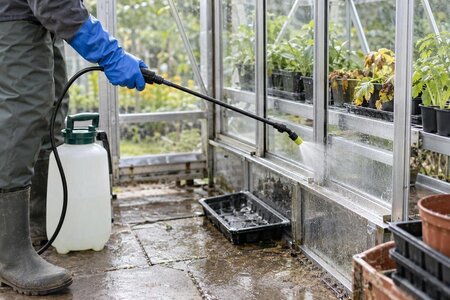
Routine tidying is not enough after a serious plant disease problem. Explore how pathogen-specific horticultural advice, attention to tools and compatible treatment of greenhouse surfaces can inform a considered recovery plan.
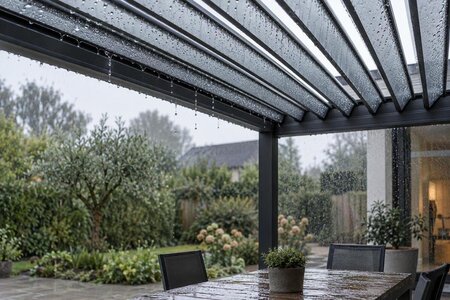
Droplets beneath a pergola are not always evidence of a leak. Compare when the moisture appears with the weather and temperature, then note whether it forms on surfaces or follows a rainwater path to identify the more likely cause.
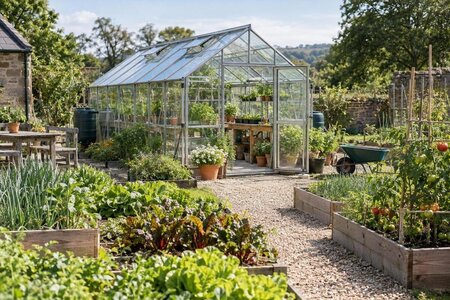
Put the greenhouse at the centre of a productive kitchen garden, rather than treating it as an isolated structure. Consider bed positions, water access, compost handling and the routes used for sowing, harvesting and carrying tools.
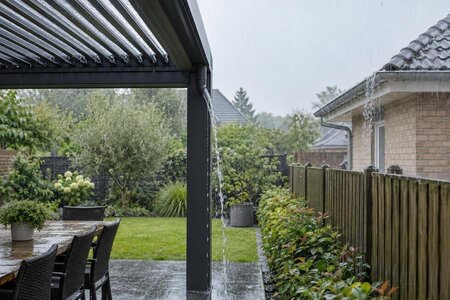
Good drainage planning follows the water beyond the pergola outlet. Review outlet positions, garden levels and project-specific checks before choosing a route that could affect adjoining land.
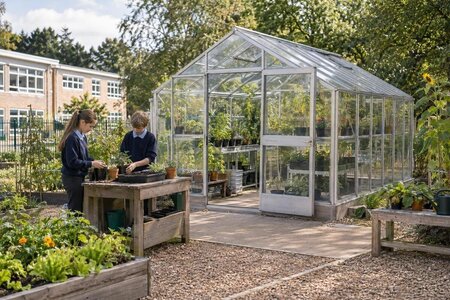
A school greenhouse needs routines for lessons and quieter holiday periods. Plan supervised use and access around the school’s safeguarding procedures, then assign watering, plant care and named responsibility during closures.
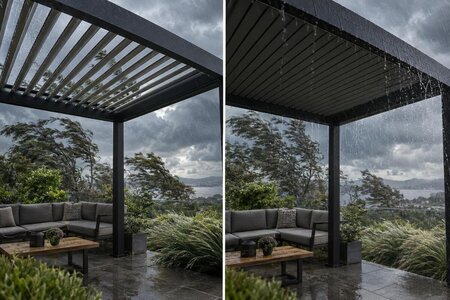
No single louvre position suits every pergola in strong winds. See which operating instructions and model documents to consult before changing the roof setting.
