



Useful information · PROCESS
How Custom Configurations Are Approved Before Production
A practical guide to the review, documentation and written approval of custom greenhouse, orangery and pergola configurations before they are released for production.
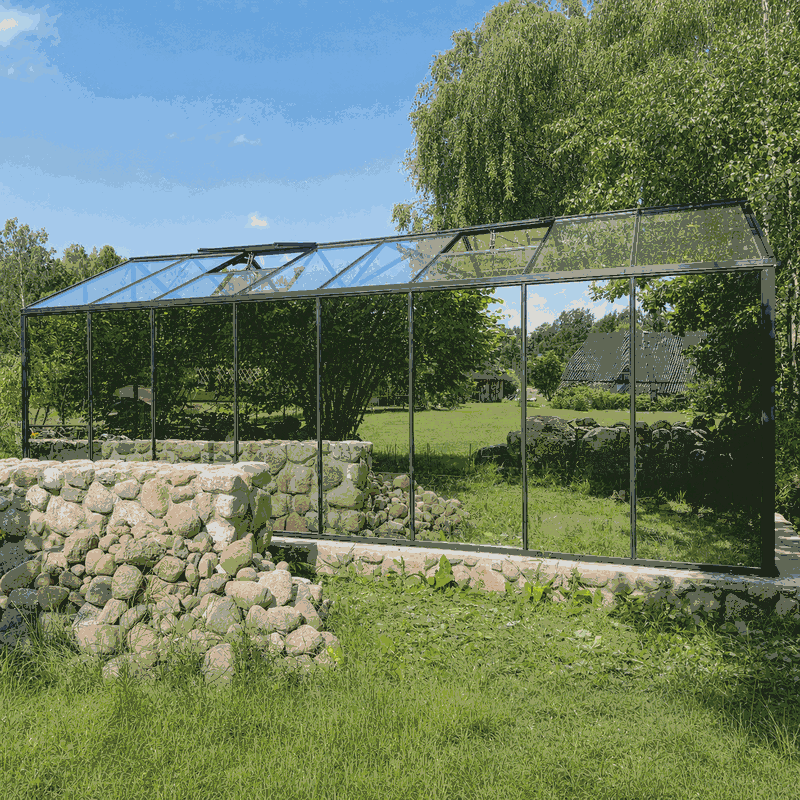
A custom greenhouse, orangery or pergola should not move into production while important choices remain open to interpretation. The pre-production approval process converts your selected product, layout and options into a defined configuration that can be reviewed in writing. Its purpose is to confirm that the customer and Bloomcabin are referring to the same project before manufacturing begins.
Approval is more than agreeing that a design looks attractive. It requires checking the product model, overall arrangement, openings, finish, accessories, site relationship and other order-specific details shown in the applicable documents. It also establishes a controlled point after which requested revisions may affect feasibility, price, documentation or production planning.
This guide explains how that process should be approached. Because configurations and project circumstances vary, your quotation, order documents, drawings and written communications remain the controlling records for your particular purchase. Review the ordering guide and terms of purchase and delivery alongside this page.
What pre-production approval means
Pre-production approval is the customer’s written confirmation that the documented configuration accurately reflects the intended order. Depending on the product and project, the review material may include a quotation, option list, configuration summary, drawings, elevations, finish selections or notes about interfaces with the site. Not every order uses the same document package, so identify exactly which documents constitute the approval set.
An approval confirms the configuration presented in those documents. It should not be interpreted as approval of information that is absent, assumed or visible only in unrelated photographs. Likewise, a visual rendering is not a substitute for written configuration details unless the order documentation expressly gives it that role.
The review generally has four outcomes:
- Approved: The customer confirms that the documents correctly describe the requested configuration.
- Approved subject to a documented correction: This should be used only when Bloomcabin confirms how the correction will be incorporated and whether another approval is required.
- Revision requested: The customer identifies specific changes and waits for updated documentation before approving.
- Not ready for review: Required selections, site information or commercial decisions are still unresolved.
Do not approve a configuration with the expectation that an unrecorded conversation, reference photo or later field decision will automatically override the approved documents.
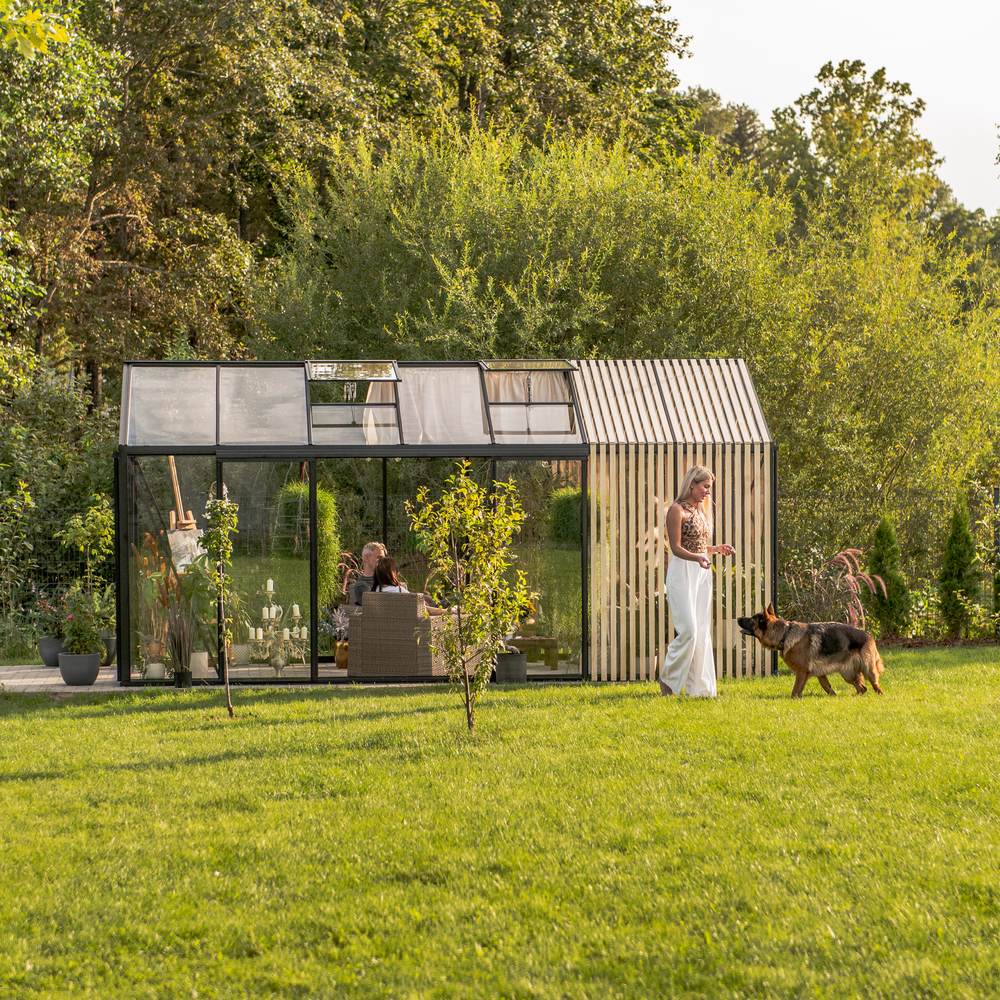
The approval timeline at a glance
| Stage | Main activity | Customer responsibility | Typical result |
|---|---|---|---|
| 1. Product baseline | Select the product family and general arrangement. | Confirm the intended use and preferred model. | A defined starting configuration. |
| 2. Requirements | Record options, appearance and relevant site relationships. | Provide complete, accurate information and identify unknowns. | A configuration brief or quotation. |
| 3. Documentation | Prepare the applicable order documents and drawings. | Wait for the complete review set rather than approving isolated details. | A coordinated approval package. |
| 4. Customer review | Compare every document against the intended project. | Mark questions and corrections clearly. | Approval or a consolidated revision request. |
| 5. Revision control | Resolve comments and update affected records. | Verify that requested changes appear in the latest version. | A final review set. |
| 6. Written approval | Authorize the documented configuration. | Use clear written language and reference the current documents. | An approved configuration. |
| 7. Production release | Complete applicable commercial and internal release steps. | Avoid assuming approval alone overrides other order conditions. | The order becomes eligible for production release. |
This is a sequence of decisions, not a promised calendar. The time required depends on the completeness of the initial information, the number of revisions, the complexity of the configuration and the conditions stated in the order documents. Production should not be scheduled based on an informal estimate unless that timing is confirmed through the applicable order process.
Step 1: establish the correct product baseline
Custom review begins with the right product family. A freestanding greenhouse, wall-connected structure, T-shaped layout and pergola do not present the same interfaces or option questions. Changing the baseline model late in review can alter many connected decisions.
Useful starting points include the Aluminum Classic Greenhouse, Classic Plus 385, Bloomcabin Orangerie and Classic Premium greenhouse. Customers considering an attached arrangement can compare the Aluminum Lean-To Greenhouse and Mini Wall Greenhouse.
For a more articulated footprint, review the Garden View T Greenhouse or Wall-Mounted T-Model Orangery. Outdoor living projects may begin with the Bloomcabin Pergola, Bioclimatic Aluminum Pergola or Lean-To Pergola. These links help establish categories; they do not mean every visual or option can be transferred between models.
Step 2: provide a complete requirements brief
A productive review starts with a concise written description of what the project is intended to be. Identify the chosen product, desired arrangement, preferred finish, door and ventilation intentions, relevant accessories and any connection to an existing wall or prepared base. Separate firm requirements from preferences and questions.
Site information should be accurate enough to expose conflicts, but it must not be treated as a substitute for qualified local planning. Record relevant access limitations, existing walls, roof edges, grade changes, nearby obstacles and the intended orientation. For attached products, the host building and proposed connection area deserve particular attention. Bloomcabin cannot infer concealed construction or verify conditions that are not documented.
Customers remain responsible for determining what local reviews, permissions and professional services apply to their site. Do not assume that configuration approval constitutes a permit, zoning decision, foundation design, structural assessment of an existing building or approval by a local authority.
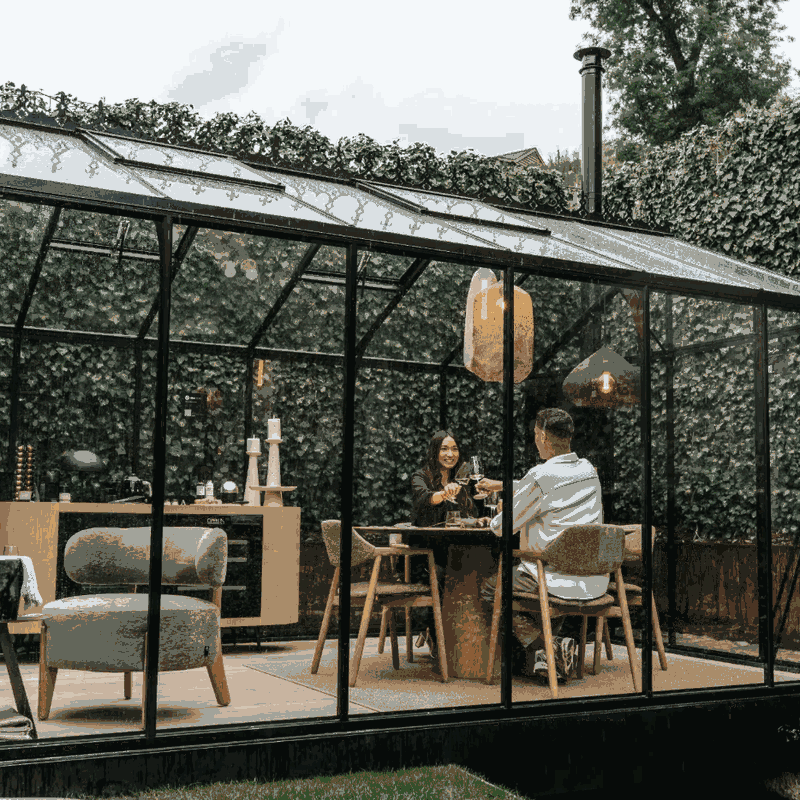
Step 3: understand the approval documents
Before reviewing details, establish the document hierarchy. Ask which quotation, drawing revision, option schedule and written clarifications are current. If two records appear inconsistent, request clarification rather than deciding privately which one controls.
- Quotation or order summary: Usually identifies the product and commercially selected components.
- Configuration schedule: May list options, quantities, finishes or locations in text or table form.
- Plan or elevation: May communicate arrangement, orientation and visible openings.
- Revision notes: Explain what changed between document versions.
- Written clarification: Resolves a specific question when incorporated into the approval record.
Check document titles, dates and revision markers. An earlier drawing can remain in an email thread after a newer version has been issued. Save the final set together so installers and other project participants do not later work from a superseded page.
Step 4: perform a disciplined customer review
Review the package from general to specific. First verify the model and overall arrangement. Next establish orientation by choosing a fixed viewpoint, such as looking toward the main entrance. Then check each side in sequence. This prevents terms such as “left” and “right” from changing meaning during correspondence.
Configuration approval checklist
- Is the correct product family and model identified?
- Does the documented footprint and general form match the intended project?
- Is the orientation clear and consistently described?
- Are doors and other openings shown on the intended sides?
- Are operation directions or handing details confirmed where the documents specify them?
- Are ventilation selections and locations recorded as expected?
- Is the selected finish identified consistently across the approval records?
- Are included accessories distinguished from items shown only for illustration?
- For an attached structure, is the relationship to the host wall clearly understood?
- Are customer-supplied work, site preparation and product-supplied components distinguishable?
- Have all written revision requests been incorporated into the latest set?
- Are there unresolved notes, placeholders or assumptions?
- Do the quotation and drawings describe the same final configuration?
- Has the person responsible for the site or installation reviewed relevant interfaces?
Color can appear different across screens, printed pages, lighting and photography. Use the exact finish designation stated in the order records rather than approving color from appearance alone. The articles on greenhouse colors and premium finishes and custom aluminum greenhouses provide useful design context, but the approved order documentation determines the actual selection.
Step 5: submit one coordinated revision request
If corrections are needed, consolidate them whenever practical. Number each comment, identify the affected document and describe the requested result. “Move the door” is incomplete; it does not define the intended side, position or viewing orientation. A better request establishes the reference viewpoint and points to the applicable elevation.
Do not mark one document while leaving a conflicting instruction in another. A change to an opening may affect the plan, elevation, option schedule and quotation. Bloomcabin must be able to evaluate the configuration as a coordinated whole.
After updated documents are issued, review the entire affected configuration—not only the item you requested. Revisions can interact with neighboring features, and the purpose of the new review is to approve the resulting complete arrangement.
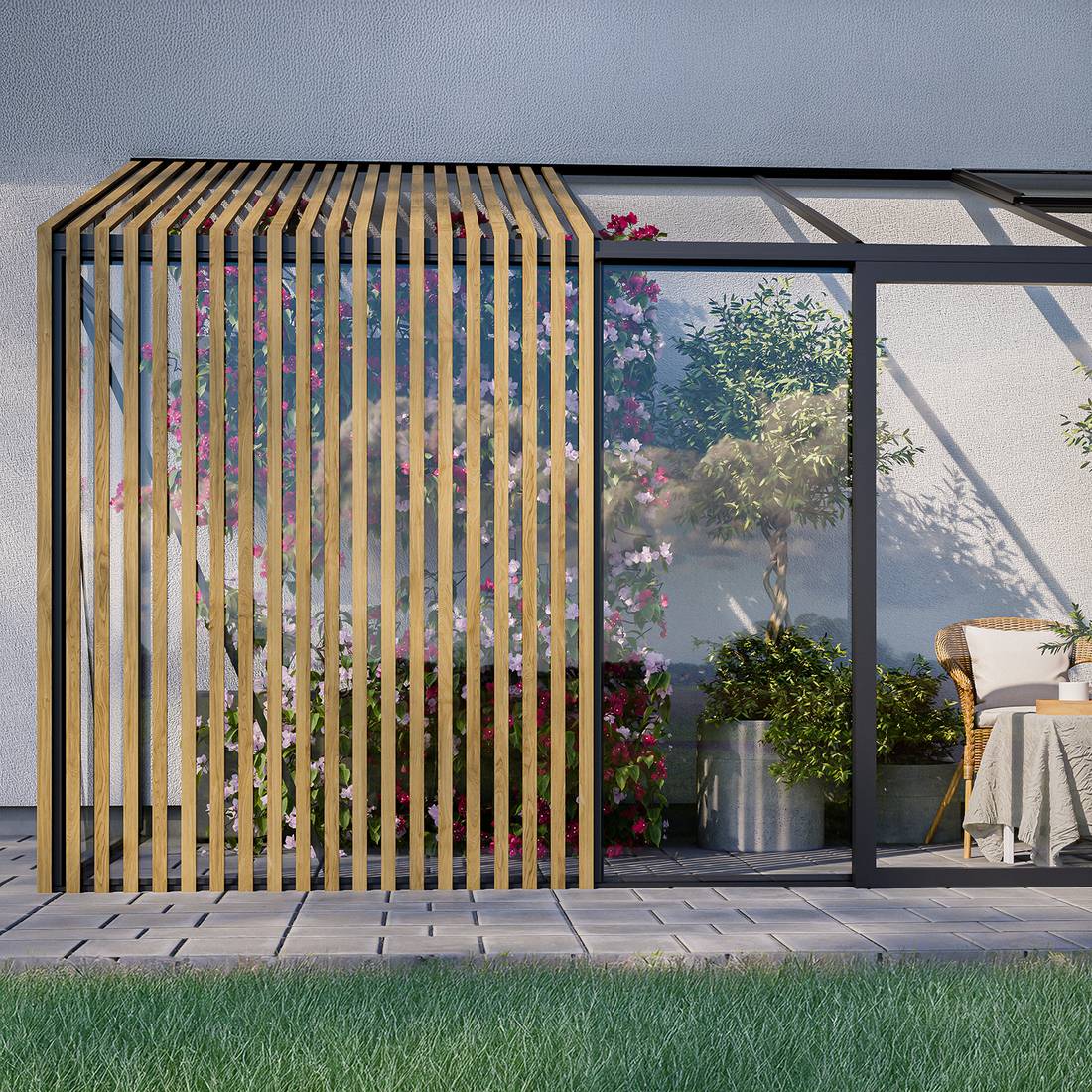
Step 6: give unambiguous written approval
Approval should identify the project or order and the exact current document set. A practical approval statement can confirm that the customer has reviewed the listed documents and approves the configuration for production subject to the applicable order terms. If any point remains open, do not use unconditional approval language.
The person approving should have authority to make configuration decisions for the customer. If a designer, contractor or installer is participating, establish in advance whether that person may request changes or approve documents. Conflicting instructions from multiple participants create avoidable risk.
Configuration approval does not by itself confirm that every separate order condition has been completed. Payment status, acceptance of applicable terms and other release requirements are governed by the specific transaction. Bloomcabin provides secure purchasing information, while cancellation and change implications should be reviewed in the Return and Cancellation Policy.
What happens after approval
Once the configuration is approved and applicable order conditions are satisfied, Bloomcabin can use the approved records for production release. At that point, the documents are no longer a casual design draft. A requested change must be evaluated rather than assumed to be available.
If you discover an issue after approving, notify Bloomcabin immediately in writing. Identify the approved document and requested change. Do not assume work can be paused or revised. Bloomcabin must determine the order status and whether the request is feasible. A change may require revised documents, renewed approval or commercial adjustment, and it may not be possible once production has progressed.
This controlled approach protects the connection between what was ordered, what is produced and what the installation team expects to receive. It also creates a traceable record if questions arise later.
Special review points by configuration type
Freestanding greenhouses and orangeries
Confirm orientation before discussing individual elevations. Review entrances, ventilation choices, internal circulation intentions and the relationship between the structure and prepared site. Decorative preferences should be recorded as selections, not inferred from lifestyle photographs. Bloomcabin’s design freedom overview explains the value of choice without replacing project-specific approval.
Lean-to and wall-mounted structures
The existing building is part of the project context even when it is not supplied by Bloomcabin. Review where the structure meets the wall, whether nearby architectural features could interfere and who is responsible for evaluating the host construction. Site photographs can explain visible conditions, but they cannot establish concealed materials or load paths.
T-shaped configurations
T-shaped projects require especially clear orientation language because the projecting and crosswise portions can be described differently by different participants. Label the relevant sides consistently and verify transitions between sections. Treat all elevations as parts of one coordinated structure.
Pergola configurations
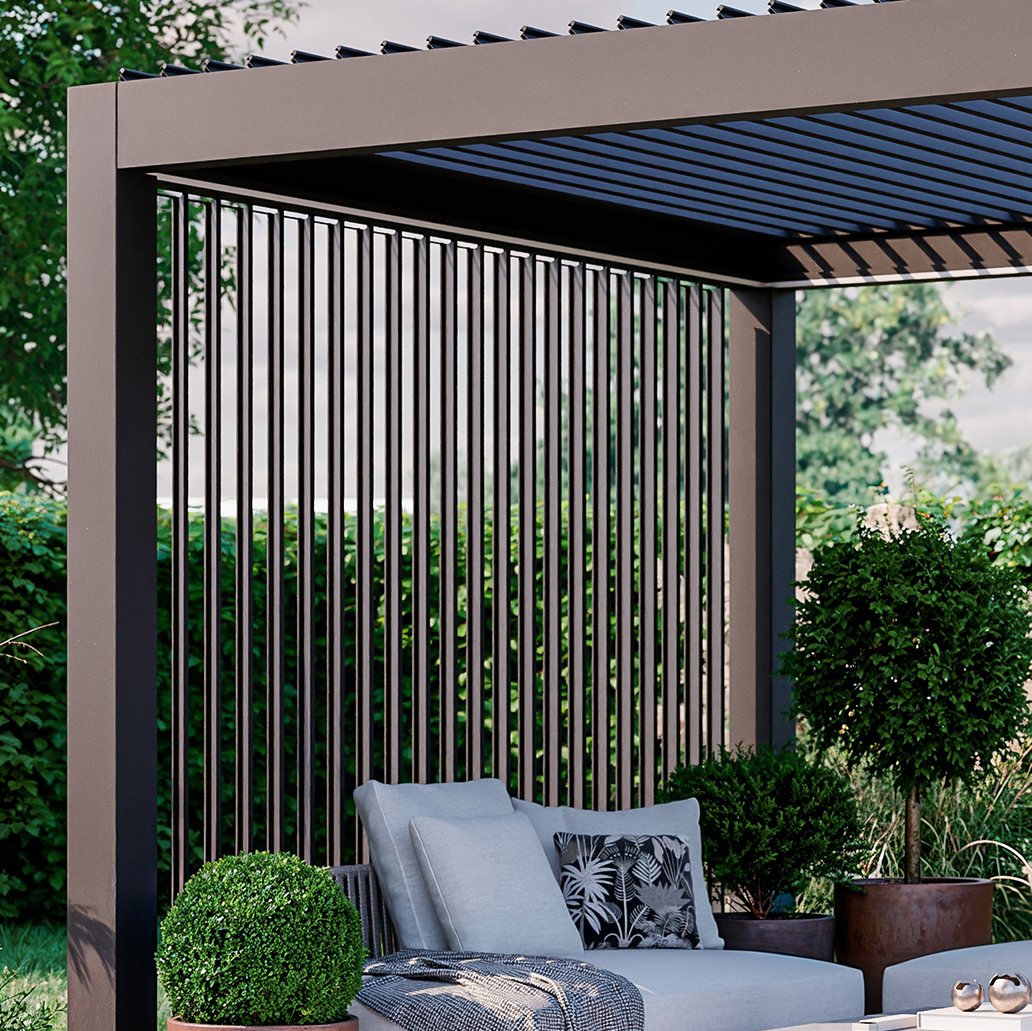
Pergola review should distinguish the chosen product type, roof concept, enclosure intentions and relationship to the site. General buying considerations are discussed in Are Louvered Pergolas Worth It?. That article supports early comparison; only the final order records define the purchased configuration.
Using project images responsibly
Installation photographs are useful for understanding sequence, appearance and the relationship between major visible parts. They must not be used to claim hidden fasteners, concealed reinforcement, foundation construction, drainage routing or other details that cannot be seen and are not documented.
Anna Koku Skola should be treated as one real greenhouse installation sequence. Its successive records belong to the same installation rather than representing several interchangeable product examples. When studying that sequence, use it to understand visible progress from site-stage work through assembly and completion. Do not assume every custom order follows an identical field sequence or contains every visible feature.
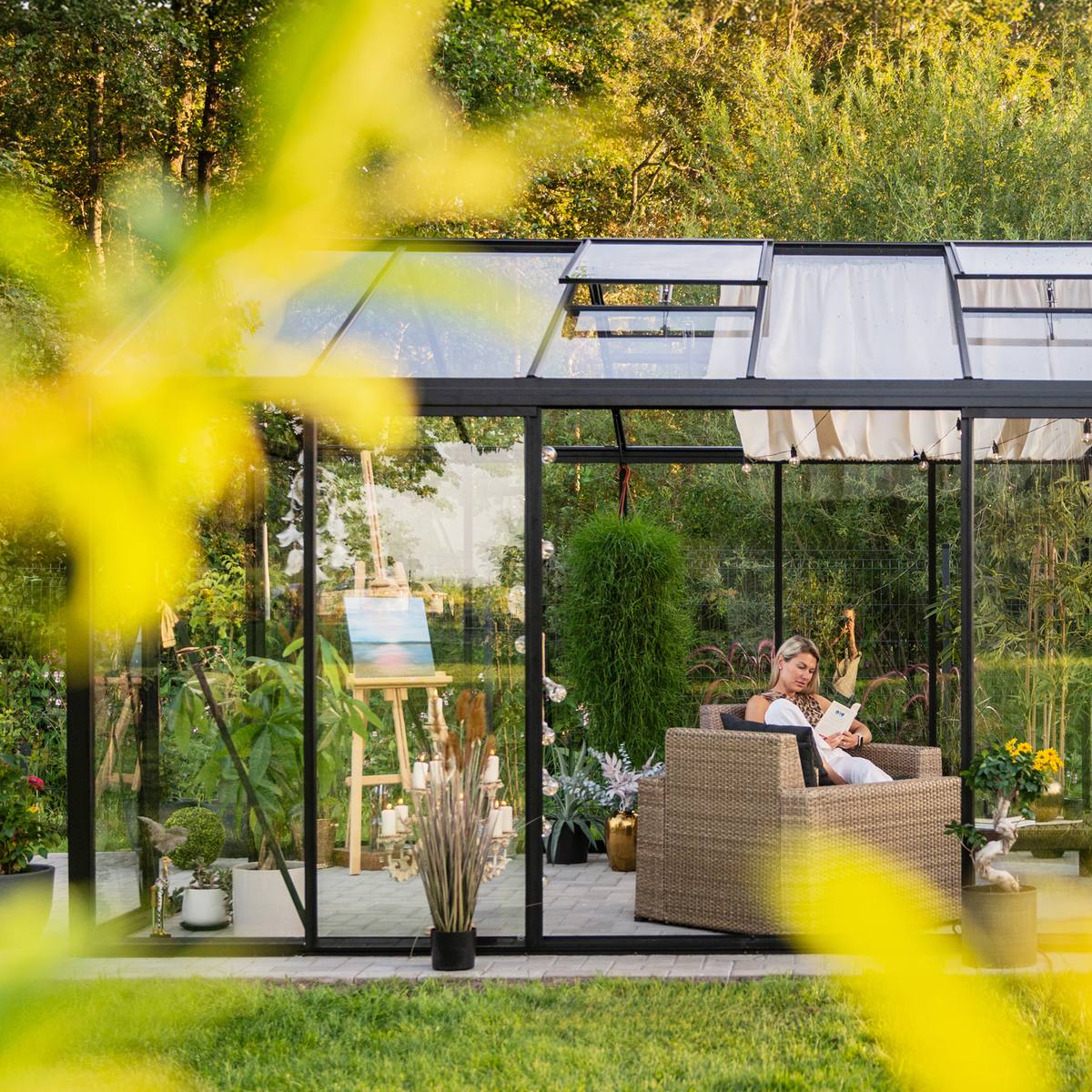
The same rule applies to product photography throughout Bloomcabin: images help communicate design character, while the quotation, approved configuration and supplied instructions govern the actual order.
Preparing for receiving and installation
Approval work should support the later handoff to the receiving and installation teams. Keep the final order summary, approved drawings and subsequent written updates together. Make sure the site contact understands which revision is current and that preparatory work is coordinated with the approved configuration and applicable instructions.
On receipt, compare package identification and available documentation with the order records before installation advances. Report concerns through the appropriate order channel and preserve labels, packaging information and photographs relevant to the concern. Do not modify a questioned component in an attempt to make it fit before receiving guidance.
Installation manuals and order-specific documents serve different purposes. A manual explains the applicable assembly process; the approved configuration identifies what was selected for your project. The USA manual links may be provided separately in Bloomcabin’s local manual library. Always use the instructions applicable to the delivered product and do not substitute a manual from a visually similar model.
Approval records and long-term ownership
Retain the final configuration documents after installation. They can help distinguish original selections from later site modifications and provide useful context when discussing maintenance, replacement items or service questions. Store the product identification, approved drawings, order communications and maintenance information together.
Approval is not a maintenance schedule or warranty determination. Follow the care information applicable to the delivered product, inspect visible conditions routinely and address damage or unusual operation promptly. Warranty questions are governed by the warranty information and the documents applicable to the order.
Additional planning resources
Customers comparing aesthetics and uses before settling on a configuration may find the discussion of gardening and personalization trends helpful. Articles about the Verdana 1 garden house and Modano 7 garden house can also support broader backyard planning, but they describe different product categories and must not be used as specifications for a greenhouse or pergola.
For company and purchasing context, review Bloomcabin’s extensive product range, quality approach, customer service information and customer reviews. These resources help with vendor and product evaluation; the final approval must still be based on your order-specific records.
Frequently asked questions
Can production begin from an email description alone?
An email can document requirements or clarify a point, but the complete approval basis should be identifiable. If drawings, schedules or a quotation form part of the review, approval should reference the current versions. Do not assume a standalone message automatically supersedes coordinated order documents.
Does approving a drawing also approve the quotation?
Not necessarily. The drawing and quotation serve related but different purposes. Check both for consistency and follow the acceptance steps stated for your order. If they conflict, obtain written clarification before approving either as final.
What if I do not understand a symbol or note?
Ask before approving. Quote the symbol, note and document location in your question. Never interpret an unfamiliar mark based only on a different project image or an unrelated drawing.
Can I approve now and choose the color later?
Only if the order documentation expressly allows that selection to remain open. Otherwise, an unresolved finish means the configuration is not complete. Late selections can affect documentation or production release, so record the exact chosen finish before unconditional approval.
Who should verify measurements and site conditions?
The responsible project participants should provide accurate information and arrange any qualified local verification needed for the site. Bloomcabin can review the information supplied for the product configuration, but approval does not certify concealed conditions, property constraints or an existing building’s suitability.
Does Bloomcabin approval replace local permission?
No. Product configuration approval and local project approval are different matters. Customers must determine which authorities, property rules and professional reviews apply before proceeding.
Can my contractor approve on my behalf?
That depends on the authority you give the contractor and the arrangements accepted for the order. Establish the decision-maker in writing. Bloomcabin should not have to choose between conflicting customer, designer and contractor instructions.
What should I do if I find an error after approval?
Contact Bloomcabin immediately in writing with the order reference, affected approved document and precise correction. Acknowledge that the configuration was already approved and request a feasibility review. Do not assume the change can be made until its status is confirmed.
Are website photographs part of my approved configuration?
No, unless a specific order document expressly incorporates a defined item. Photographs can show overall appearance and completed examples, but may contain optional, project-specific or site-supplied elements. They also cannot prove concealed technical details.
How can I reduce revision cycles?
Choose the product baseline first, provide complete site and preference information, consolidate comments, use a fixed orientation and involve the responsible installer or project professional before final approval. Clear decisions early in the process are more effective than scattered corrections later.
Should I keep superseded drawings?
You may retain them as project history, but mark them clearly as superseded and separate them from the active installation set. The field team should receive only the final approved documents and any later formally issued updates.
Is approval the same as production release?
No. Customer approval confirms the documented configuration. Production release also depends on the applicable order conditions and Bloomcabin’s internal processing. Use written order information rather than assuming that approval establishes a manufacturing or delivery date.
