



Useful information · PROCESS
Professional Installation Service: What Is Included?
Professional installation is a coordinated assembly service with a project-specific scope. Learn what may be included, what customers normally prepare, how the installation sequence works and what to confirm before ordering.
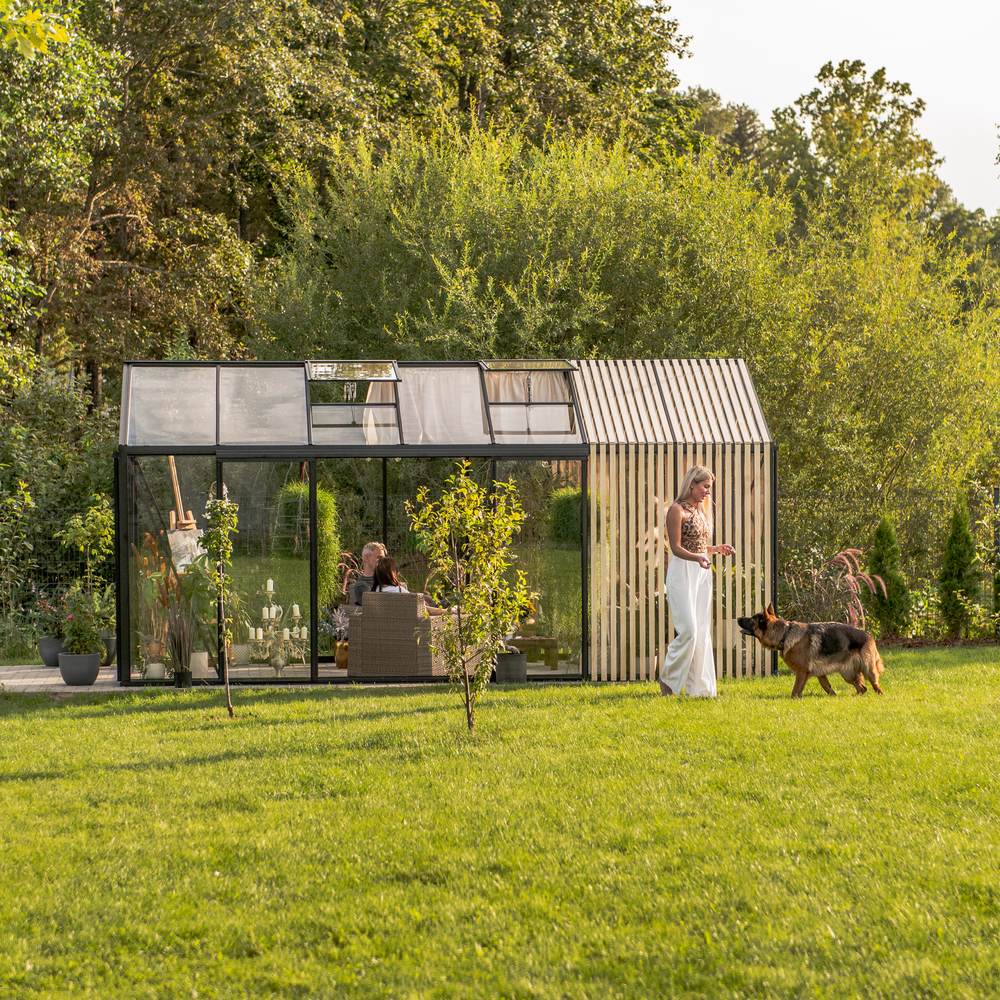
Professional installation can simplify a greenhouse, orangery or pergola project, but it is important to understand exactly where the installer’s work begins and ends. The service is primarily intended to assemble the purchased Bloomcabin structure at a prepared, accessible site. It should not be assumed to include every activity associated with landscaping, foundations, utilities, permits or ongoing maintenance.
The written quotation, order confirmation and agreed installation scope control what is included for your project. Product design, site conditions, location, access and optional features can all affect the work required. This guide explains the usual process, the questions to ask and the preparations that help an installation proceed efficiently. It does not replace your project-specific documents.
Professional installation at a glance
| Project stage | Typical focus | Main responsibility |
|---|---|---|
| Product selection | Choose the structure, configuration and options | Customer with Bloomcabin support |
| Scope confirmation | Define assembly work, location and any special conditions | Customer and Bloomcabin |
| Local planning | Investigate permits, setbacks, association rules and site restrictions | Customer |
| Site preparation | Provide a suitable, finished base and clear work area unless otherwise agreed | Customer or separately appointed contractor |
| Delivery coordination | Receive, inspect and safely store components as instructed | As stated in the order documents |
| Assembly | Assemble the structure covered by the installation scope | Professional installation team |
| Handover | Review completion, operation and visible concerns | Installer and customer representative |
| Aftercare | Cleaning, inspection, adjustment and normal maintenance | Customer unless a separate service is agreed |
What professional installation normally means
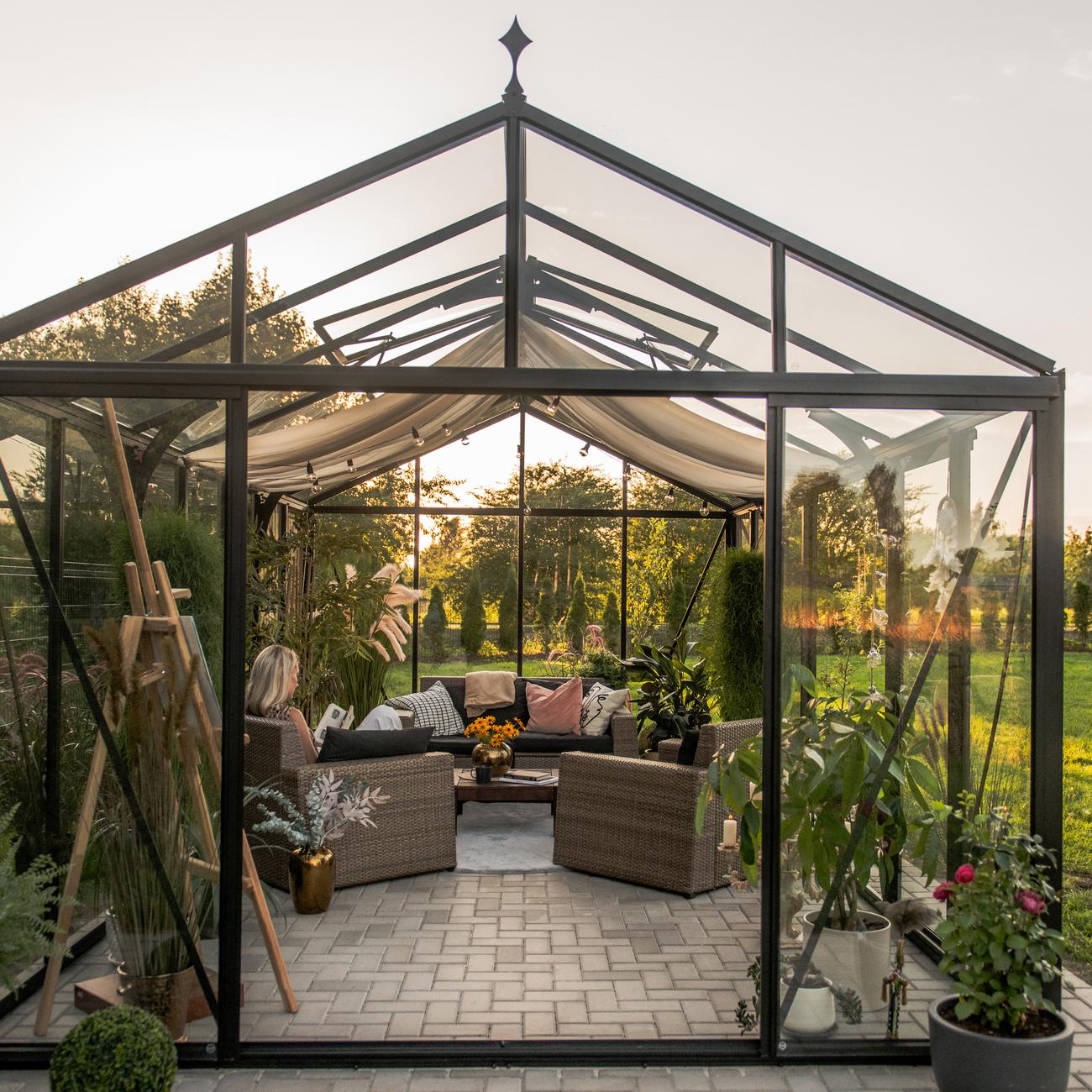
Professional installation means trained personnel carry out the assembly work identified in the accepted quotation or installation agreement. For a greenhouse, that may involve organizing supplied components, erecting the structural frame, installing glazing and fitting the doors, vents and included accessories identified in the scope. For a pergola, the assembly sequence and project interfaces are different, so the scope must be reviewed separately.
Installation is not an open-ended construction contract. Work that is not listed should not be treated as included. A request made while the crew is on site may require separate approval, additional planning or another qualified trade. In some cases, it may not be possible to add the requested work during the scheduled visit.
Customers comparing structures can explore the Classic aluminum greenhouse, Classic Plus 385, Bloomcabin Orangerie and Bloomcabin Classic Premium greenhouse. Each configuration should be evaluated according to its own order documents rather than another model’s installation scope.
What may be included in the assembly scope
The following activities are commonly associated with professional assembly, but they are included only when confirmed in writing for the specific order:
- Reviewing the supplied structure components before assembly begins.
- Organizing profiles, glazing and hardware for an orderly installation sequence.
- Assembling the primary structure according to the applicable product documentation.
- Installing supplied glazing elements that belong to the contracted structure.
- Fitting included doors, windows or vents covered by the order and installation scope.
- Installing product-specific trim, seals, handles and other supplied finishing components.
- Checking the basic operation of installed moving components at handover.
- Removing assembly packaging and work debris when that task is expressly included.
- Reviewing visible completion points with the customer or designated representative.
The crew can only install items that are present, identifiable, suitable for installation and covered by the agreement. Customer-supplied accessories, later purchases and components from other manufacturers are not automatically part of the service.
What is not automatically included
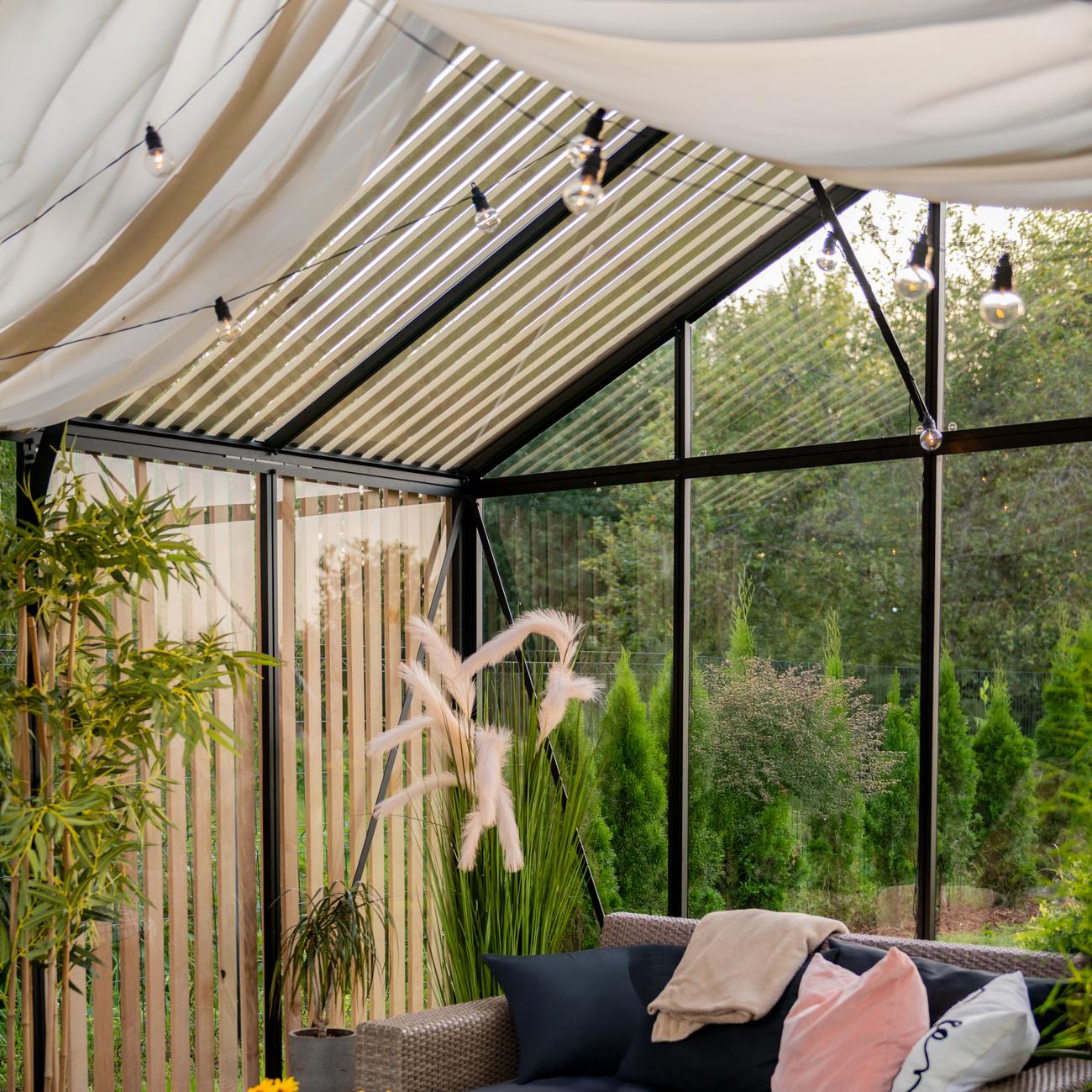
Professional structure assembly should not be confused with complete site development. Unless the accepted documents explicitly say otherwise, customers should expect to arrange work outside the assembly scope separately.
- Site selection, surveying, soil testing or engineering services.
- Excavation, grading, drainage correction or landscaping.
- Construction, alteration or repair of a foundation, slab, curb, deck, retaining wall or patio.
- Demolition or removal of an existing building or structure.
- Tree removal, pruning or relocation of irrigation and landscape features.
- Electrical, plumbing, gas, heating, cooling, communication or other utility work.
- Permit applications, zoning approvals, inspections or association approvals.
- Design changes requested after manufacture or delivery.
- Installation of unrelated furniture, shelving, planters, lighting or appliances.
- Painting, staining, interior decorating or planting.
- Long-term cleaning, seasonal care and maintenance.
- Repairs to preexisting property damage or an unsuitable supporting surface.
This division of responsibility protects the installation schedule and helps each trade perform the work for which it is qualified. It also gives the customer a clearer basis for comparing quotations.
The installation process and timeline
There is no universal number of days for every project. Structure size, configuration, access, weather, site readiness and scope all influence scheduling and progress. Bloomcabin will not treat a general example as a guaranteed completion time. The practical timeline is a sequence of dependencies rather than a fixed calendar promise.
1. Select the right product and configuration
Begin with the intended use, placement and relationship to nearby buildings. A freestanding greenhouse is planned differently from an attached structure. Options include the aluminum lean-to greenhouse, Garden View T greenhouse, wall-mounted T-model orangery and Bloomcabin Prestige Premium greenhouse.
Attached products introduce an interface with the existing property. The supporting wall, roofline, drainage, clearances and attachment conditions must be evaluated before the installation date. Do not assume an installer can correct unsuitable building conditions during assembly.
2. Request and review the installation scope
Provide accurate project information when requesting installation. Useful information includes the installation address, selected model, planned placement, photographs of the work area, access route and known restrictions. Disclose stairs, narrow gates, steep approaches, restricted parking, overhead obstacles and other conditions that could affect movement of components.
Read the scope line by line. Confirm which structure and options it covers, who receives delivery, who prepares the base, how access is provided, and whether cleanup or packaging removal is included. The ordering process is explained here, while applicable purchase and delivery information is available in the terms of purchase and delivery.
3. Check local project requirements
Before committing to the site, investigate the rules that apply to the property. Requirements vary by location and project. The customer is responsible for determining whether permits, zoning review, setbacks, utility locating, neighborhood approval or other authorization is needed, unless a written agreement assigns a particular task elsewhere.
Do not rely on the installer’s arrival as the point at which local requirements will be resolved. Missing authorization can stop work, create rescheduling needs or require changes that were not considered in the original scope.
4. Complete the supporting surface and site preparation
The installation area should be finished and ready before the assembly appointment. The appropriate foundation or supporting surface depends on the selected product, site and local conditions. Bloomcabin should not be asked to approve an improvised base through a general description alone.
A prepared site should provide the required placement area, stable support, appropriate geometry for the selected structure and usable access around the work zone. Water should not be intentionally directed toward the structure. Existing walls or patios involved in the project should be complete and suitable for the planned interface before assembly begins.
If another contractor prepares the base, give that contractor the relevant project documentation. Arrange enough time to resolve questions and complete any required curing, inspection or correction before installation. Do not schedule separate trades so that they obstruct the assembly area.
5. Coordinate delivery and component storage
Delivery and installation are related but distinct events. Follow the project-specific delivery instructions and confirm who must be present. When components arrive before the crew, keep them protected, organized and in the agreed storage location. Do not open, move or distribute packages in a way that could cause loss or damage unless instructed.
Visible shipping concerns should be documented and reported through the applicable process. Do not wait until assembly to mention known damage or missing packages. Early communication gives the team a better opportunity to review the issue before the scheduled visit.
6. Complete the pre-installation readiness check
Shortly before the appointment, confirm that the site still matches the information provided. The base should be complete, the route clear and the work area free of stored materials. Pets and children should be kept away from the active work zone. Inform the team promptly if construction, weather or access conditions have changed.
A scheduled crew does not make an unready site ready. Resolving preparation issues before arrival is one of the most effective ways to avoid interruption.
7. Assemble the structure
The installation team organizes the work in a controlled sequence. Depending on the product and agreed scope, this progresses from component review and primary frame assembly to glazing, doors, vents and finishing elements. The crew also needs enough uninterrupted room to handle components safely.
The Anna Koku Skola greenhouse installation is one real installation sequence and can be understood as a continuous project rather than a collection of unrelated examples. Its imagery documents observable progress through organization, structural assembly, enclosure and completion. It should not be used to infer hidden anchors, concealed services or technical details that are not visible.
8. Inspect and hand over the completed work
A customer or authorized representative should be available for handover. Walk around the structure, review visible finishes and operate accessible doors or vents with the installer when appropriate. Raise concerns at this stage and record any agreed follow-up clearly.
Handover does not remove the customer’s maintenance responsibilities. It establishes a practical transition from assembly to use. Warranty information can be reviewed by selecting Click here. Warranty terms and installation scope are related documents, but they are not interchangeable.
Customer site-readiness checklist
- Product: The model, configuration, color and ordered options are confirmed.
- Scope: The accepted installation document has been reviewed and questions are resolved.
- Approvals: Applicable local and property approvals have been investigated and obtained.
- Base: The supporting surface is complete and matches the project requirements.
- Access: Gates, pathways and the route from unloading or storage to the site are clear.
- Work zone: Furniture, planters, vehicles, tools and loose landscape materials are removed.
- Utilities: Known utility locations and restrictions have been addressed before work starts.
- Components: Delivered items are protected and any visible concerns have been reported.
- Representative: An authorized adult can answer site questions and attend handover.
- Changes: Bloomcabin has been informed of any change to the site, access or requested configuration.
Product type changes the installation plan
A greenhouse, attached greenhouse and pergola should not be quoted as though they create identical work. Freestanding structures need a suitable independent location and base. Lean-to and wall-mounted products also depend on the condition and geometry of an existing building. Compact wall products, including the aluminum mini wall greenhouse, still require careful interface planning.
Pergolas involve their own placement, drainage and optional enclosure decisions. Review the Bloomcabin pergola and bioclimatic aluminum pergola as distinct configurations. The guides What Is a Bioclimatic Pergola?, Pergola with Glass Walls and How to Choose the Right Aluminum Pergola for Your Patio help customers identify planning questions before requesting an installation scope.
Changes, delays and work outside the quotation
Notify Bloomcabin before installation if you change the location, base, product options or access arrangements. Even a change that appears minor can affect component planning or the assembly sequence. The installation team should not be expected to redesign the project on site.
Work may need to pause or be rescheduled if the site is unsafe, inaccessible, incomplete or materially different from the information supplied. Severe weather or conditions that make component handling unsuitable can also affect progress. The response depends on the project circumstances and applicable order terms; no universal rescheduling outcome should be assumed.
If a customer requests additional work, it should be documented and approved before being treated as part of the service. Verbal discussion does not necessarily amend the accepted quotation. Decisions involving cancellation or returns should be checked against the Return and Cancellation Policy.
After installation: use, care and maintenance
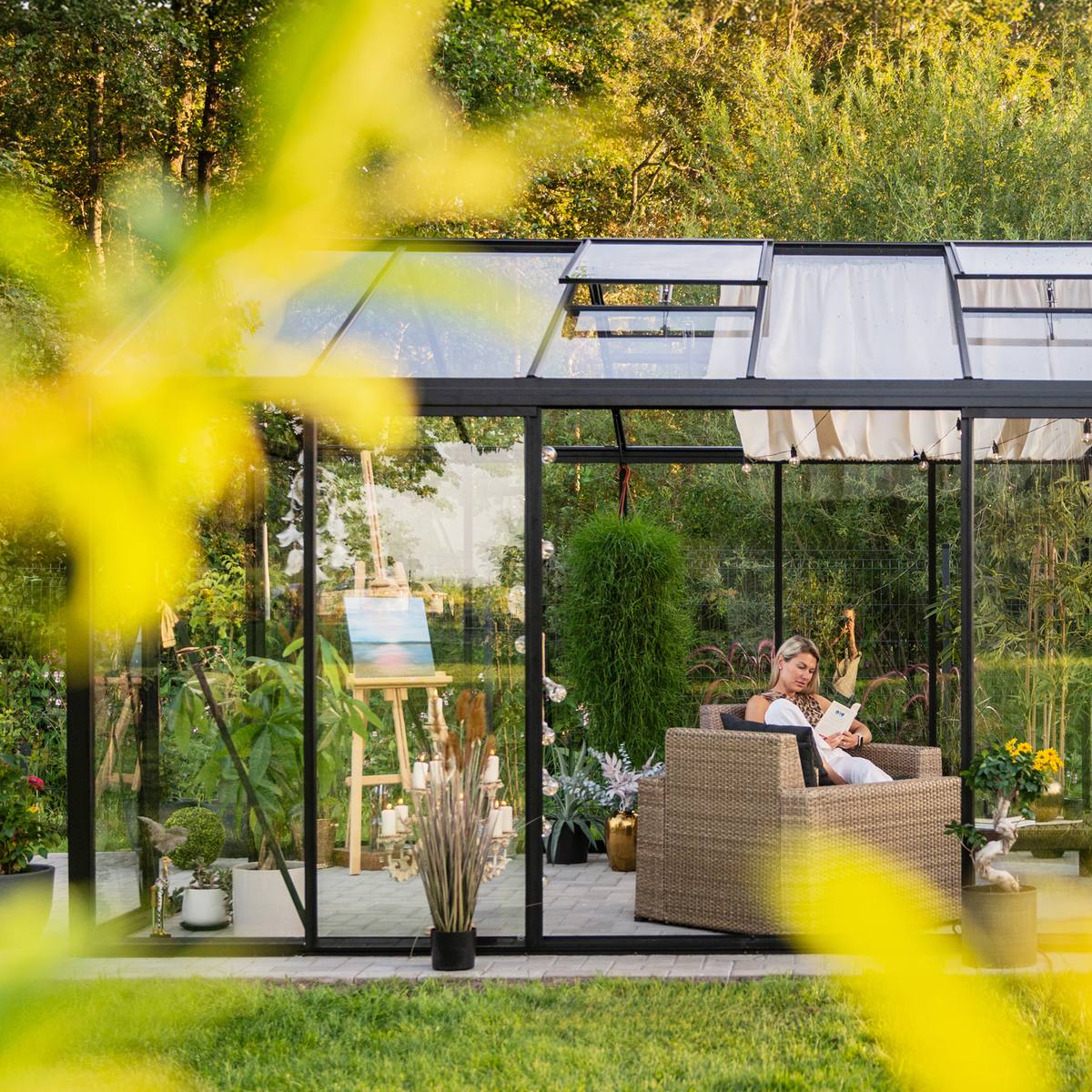
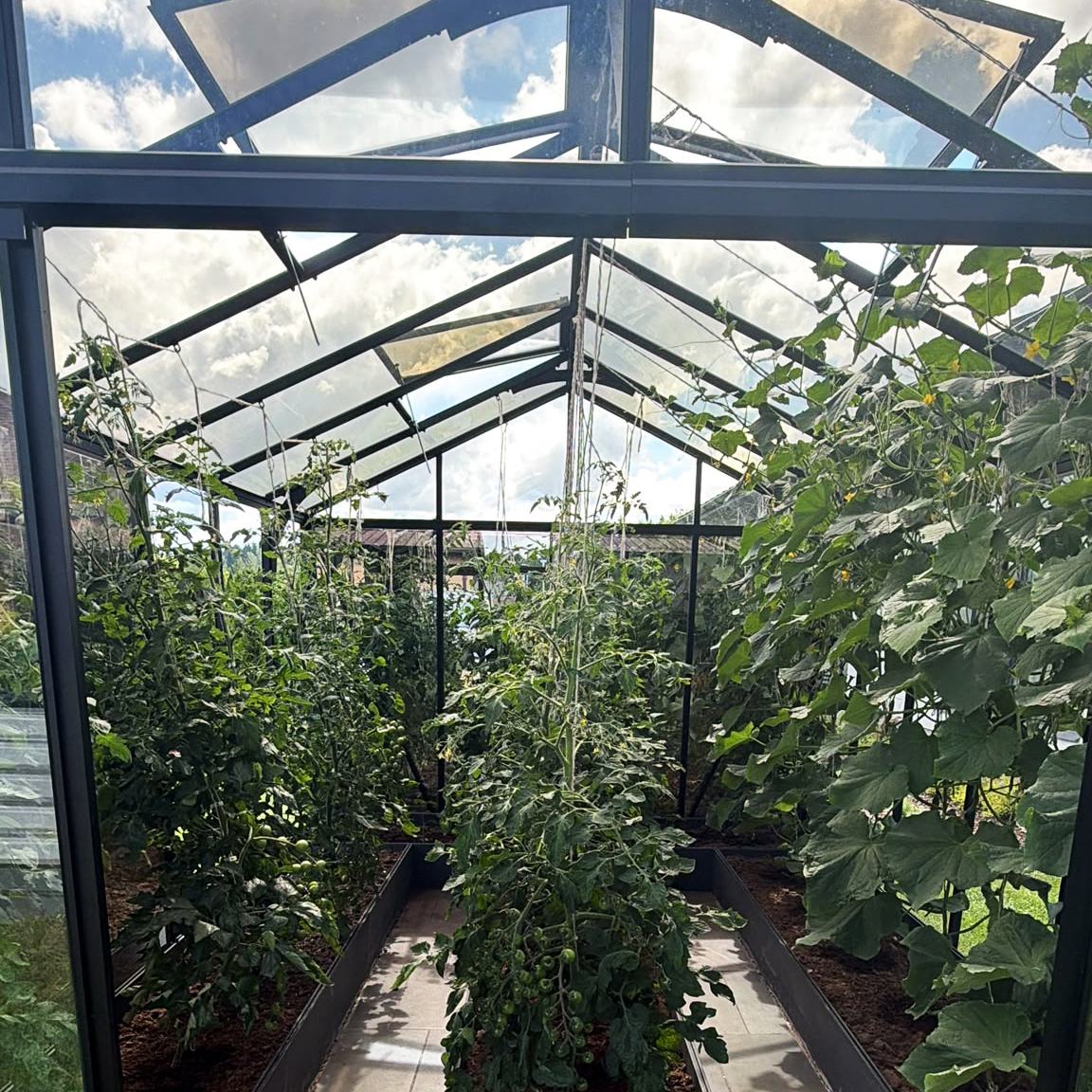
Once handover is complete, remove unnecessary stored packaging and plan the interior without blocking doors, vents or drainage paths. The Bloomcabin Greenhouse Setup Guide explains practical layout, planting and care considerations after assembly.
Keep the structure clean, inspect visible components periodically and address operational changes before they become larger problems. Use doors and vents as intended, and do not modify the frame or add loads without first confirming that the proposed change is appropriate. Retain order records, product information and handover notes.
Different outdoor buildings have different assembly and aftercare needs. The Terrava wooden backyard deck overview and Verdana 1 garden house overview provide context for those product categories, but their construction information should not be applied to an aluminum greenhouse or pergola. The Modano 7 garden house overview is another separate planning resource rather than a greenhouse installation instruction.
How to evaluate the service before purchasing
Compare more than the headline installation price. A useful quotation clearly identifies the product, site assumptions, included assembly work and customer responsibilities. Ask what information is still provisional and what could change the scope. A low figure based on incomplete site information is not necessarily comparable to a detailed project quotation.
Bloomcabin offers an Extensive product range, freedom of choice and a focus on top-tier quality. Customers can also review Customer Reviews and information about excellent customer service. These resources help with supplier evaluation, while the accepted project documents remain the authority for installation inclusions.
For online ordering considerations, Bloomcabin explains its approach to secure ecommerce. Personal information is handled according to the Data Privacy Policy.
Questions to ask before approving installation
- Which exact product and options does the installation quotation cover?
- Is the foundation or supporting surface included, or must it be complete beforehand?
- Who is responsible for delivery receipt and storage before assembly?
- What access information does the installation team need?
- Are supplied doors, vents and ordered accessories included in assembly?
- Is packaging collection or disposal included?
- What site conditions could prevent the crew from starting?
- Who handles permits, inspections and property approvals?
- How should visible delivery damage or missing items be reported?
- Who must attend the handover?
- How are changes or additional work authorized?
- Which care tasks become the customer’s responsibility after completion?
Frequently asked questions
Does professional installation include the foundation?
Not automatically. Foundation, slab, curb, deck or other base work should be considered excluded unless it is expressly included in the accepted quotation. Confirm the required supporting conditions before appointing a separate contractor.
Does installation include permits?
Do not assume so. Local research, applications, fees, inspections and association approvals remain the customer’s responsibility unless a written agreement assigns a specific service to another party.
Can the crew install on an existing patio or deck?
Only after the proposed support and project conditions have been properly reviewed. The existence of a patio or deck does not establish that it is suitable. Do not rely on the crew to resolve structural or geometric concerns upon arrival.
Are electrical and plumbing connections included?
No such work should be assumed. Utilities require separate confirmation and may require appropriately qualified trades. Plan utility routes before assembly so later work does not damage or conflict with the structure.
Will the installer assemble accessories purchased elsewhere?
Not unless those items are reviewed and included in writing. Third-party products may be incompatible, may require different expertise or may interfere with the Bloomcabin assembly sequence.
Can I change the greenhouse position on installation day?
A last-minute relocation may not be possible. It can alter access, base suitability, orientation and approval conditions. Submit location changes before the appointment and wait for confirmation.
How long will professional installation take?
There is no reliable universal duration. Product configuration, site access, weather, readiness and the agreed scope influence progress. Use only the scheduling information provided for your project, and do not treat examples as guarantees.
What happens if the site is not ready?
The crew may be unable to begin or complete the contracted work. Additional coordination or rescheduling may be necessary under the applicable project terms. Report potential readiness problems as soon as they become known.
Do I need to be present?
An authorized representative should be available as requested, especially for access, site questions and handover. The representative should understand the approved location and have authority to acknowledge visible completion matters.
Does professional installation include greenhouse layout and planting?
Assembly does not normally include benches, planting plans, soil, containers or plants unless specifically stated. Plan the interior after handover and avoid obstructing moving components or drainage routes.
Is cleanup included?
Only the written scope can answer this for a particular project. Ask whether assembly debris, protective materials and packaging will be gathered, removed from the work area or left for customer disposal.
Who should I contact if I notice a concern after handover?
Contact Bloomcabin promptly with the order details, a clear description and useful photographs. Avoid dismantling or modifying the affected area before receiving guidance. The customer service and warranty pages explain the appropriate next steps.
Final scope principle
Professional installation is most effective when the product, site and responsibilities are settled before the crew arrives. Choose the correct configuration, disclose access conditions, complete required site work and read the written scope carefully. If an activity is important to the project, ask for it to be identified explicitly rather than assuming it is included.
This approach creates a clear path from ordering through site preparation, delivery, assembly and handover. It also lets the installation team concentrate on the work it was scheduled to perform: assembling the contracted Bloomcabin structure at a ready site.
