



Useful information · COMPARE
European Manufacturing and Quality Control
A practical guide to evaluating European greenhouse and pergola manufacturing, comparing designs, checking an order at delivery, protecting installation quality and maintaining the finished structure.
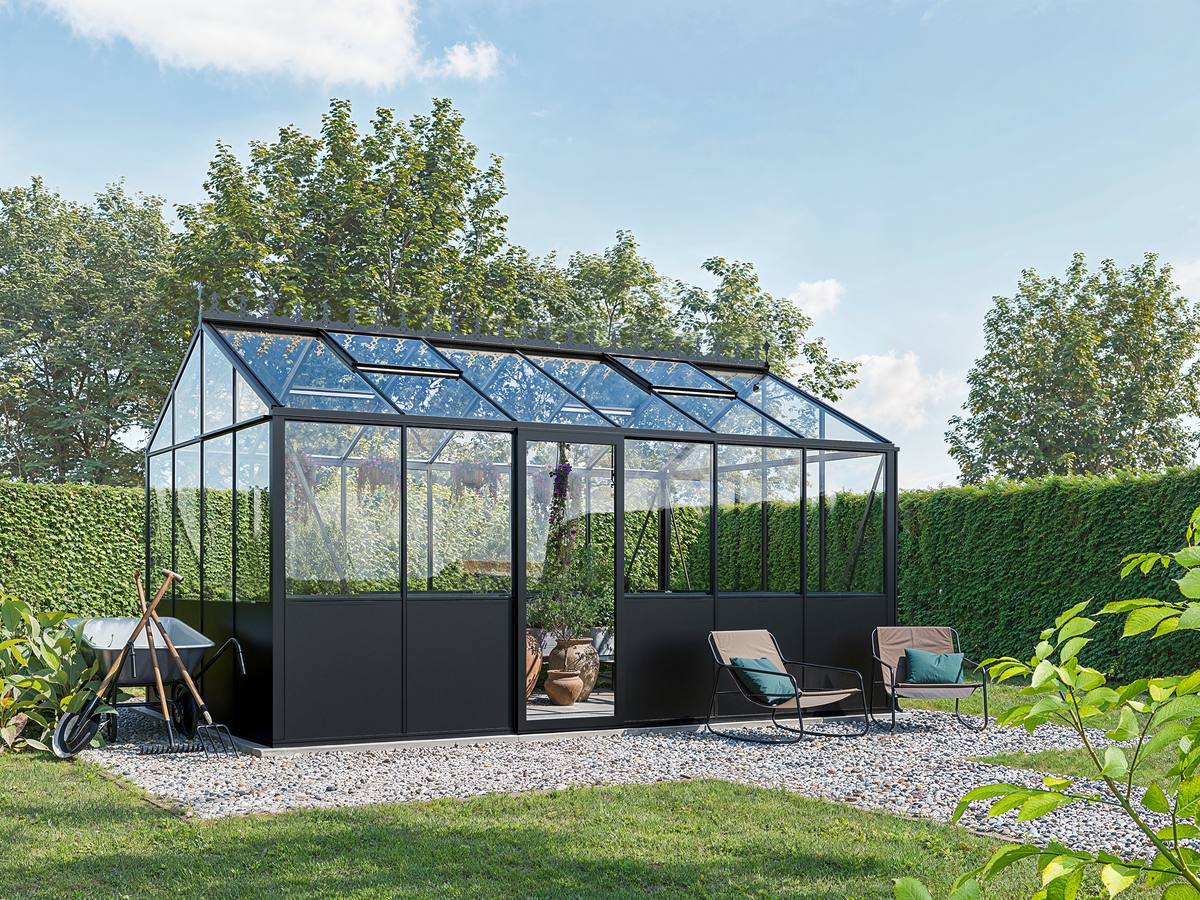
Manufacturing quality is one part of a successful greenhouse, orangery, wall-mounted structure or pergola project. The other parts are accurate product selection, a suitable site, careful receiving, correct installation and ongoing maintenance. A well-prepared European-made structure can only perform as intended when each stage is treated as part of the same quality-control process.
This guide explains what customers should look for before ordering, how different designs affect manufacturing and installation, what to inspect when an order arrives and how to protect long-term quality. It does not replace the product-specific drawings, instructions, order confirmation or site assessment for your project. Those documents should always control when they provide model-specific information.
What European manufacturing quality means in practical terms
European manufacturing should not be evaluated from geography alone. The practical question is whether a manufacturer turns a selected design into a coordinated package of structural parts, glazing, doors, vents, fasteners, seals and other specified components. Quality control is the series of checks used to keep those items consistent with the ordered configuration.
For a customer, meaningful quality is visible through several outcomes:
- Design coordination: Parts need to belong to the same model, configuration and selected options.
- Repeatable component preparation: Profiles, connection points and related pieces should be prepared so they can be identified and assembled according to the supplied instructions.
- Finish consistency: Visible components should be checked for obvious finish or handling issues before installation.
- Glazing coordination: Glazing pieces, retaining parts and seals must correspond to their intended locations.
- Documentation: The packing information, drawings and installation guidance should let the receiver understand what was supplied and how it fits together.
- Traceable order scope: The order confirmation should clearly distinguish the principal structure from selected accessories or project-specific options.
Bloomcabin describes its broader approach to top-tier quality. Customers should still evaluate the exact model and written order scope rather than assuming every design includes the same components or features.
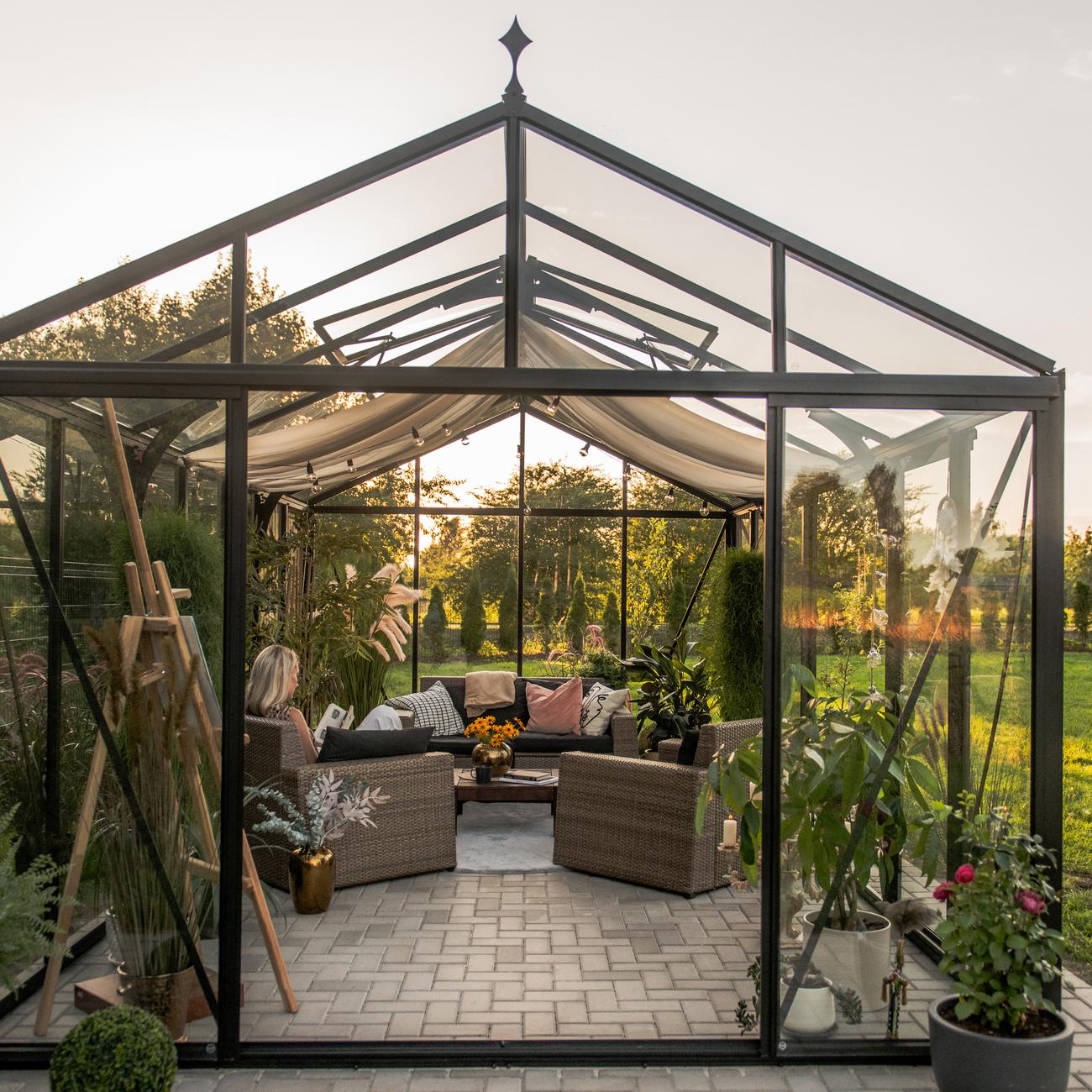
Manufacturing quality versus installation quality
Factory preparation and site work are related, but they are not interchangeable. A correctly prepared structure can be compromised by an unsuitable foundation, forced connections, inaccurate alignment or unapproved alterations. Conversely, a skilled installer cannot correct an ordering error or substitute missing project information with guesswork.
| Quality area | Primary stage | What the customer should verify |
|---|---|---|
| Model and configuration | Before manufacturing | Product family, layout, finish, glazing selection and listed options match the written order. |
| Component coordination | Manufacturing and packing | Packages and documentation correspond to the ordered configuration. |
| Site suitability | Planning | Available space, access, drainage, exposure and the proposed base have been evaluated. |
| Package condition | Receiving | Visible damage, package count and delivery discrepancies are recorded promptly. |
| Geometry and alignment | Installation | The supporting surface and structure are checked as assembly progresses. |
| Weather management | Use and maintenance | Doors, vents, drainage paths, seals and accessories are operated and maintained appropriately. |
This distinction matters when diagnosing a concern. A finish issue found inside unopened packaging is different from damage caused by dragging a profile at the jobsite. A glazing piece that does not correspond to the packing information is different from one installed in the wrong location. Photographs, package labels, order documents and notes help separate these situations.
Compare the design before comparing quality
Customers sometimes compare two structures as if appearance were the only difference. In practice, the building form changes how components meet, how the structure relates to the site and how installation must be planned. The best-quality option is the design that fits the intended use and location without requiring improvised modifications.
| Design family | Planning emphasis | Useful starting point |
|---|---|---|
| Freestanding greenhouse | Access around the perimeter, orientation, interior use and a suitable supporting base | Classic aluminum greenhouse |
| Enhanced classic format | Selected configuration, visual details and intended garden setting | Classic Plus 385 |
| Large orangery | Larger site footprint, circulation, access and coordinated foundation planning | Bloomcabin Orangerie |
| Lean-to greenhouse | Relationship to the adjacent building, wall condition, drainage and connection planning | Aluminum lean-to greenhouse |
| T-shaped greenhouse | Intersection geometry, pathways, interior zones and site layout | Garden View T greenhouse |
| Wall-mounted T model | Both the wall interface and the projecting greenhouse layout | Wall-mounted T-model orangery |
| Compact wall greenhouse | Restricted space, safe access and compatibility with the intended wall location | Aluminum mini wall greenhouse |
| Premium greenhouse | Detailed order review, finish choices and the role of the structure in the landscape | Bloomcabin Prestige Premium greenhouse |
| Pergola | Outdoor living use, placement, water management and selected operating features | Bioclimatic aluminum pergola |
The Bloomcabin Classic Premium greenhouse offers another comparison point for customers considering a more detailed classic expression. Product pages help establish the design family, but the written quotation and order confirmation are the proper places to verify what is included.
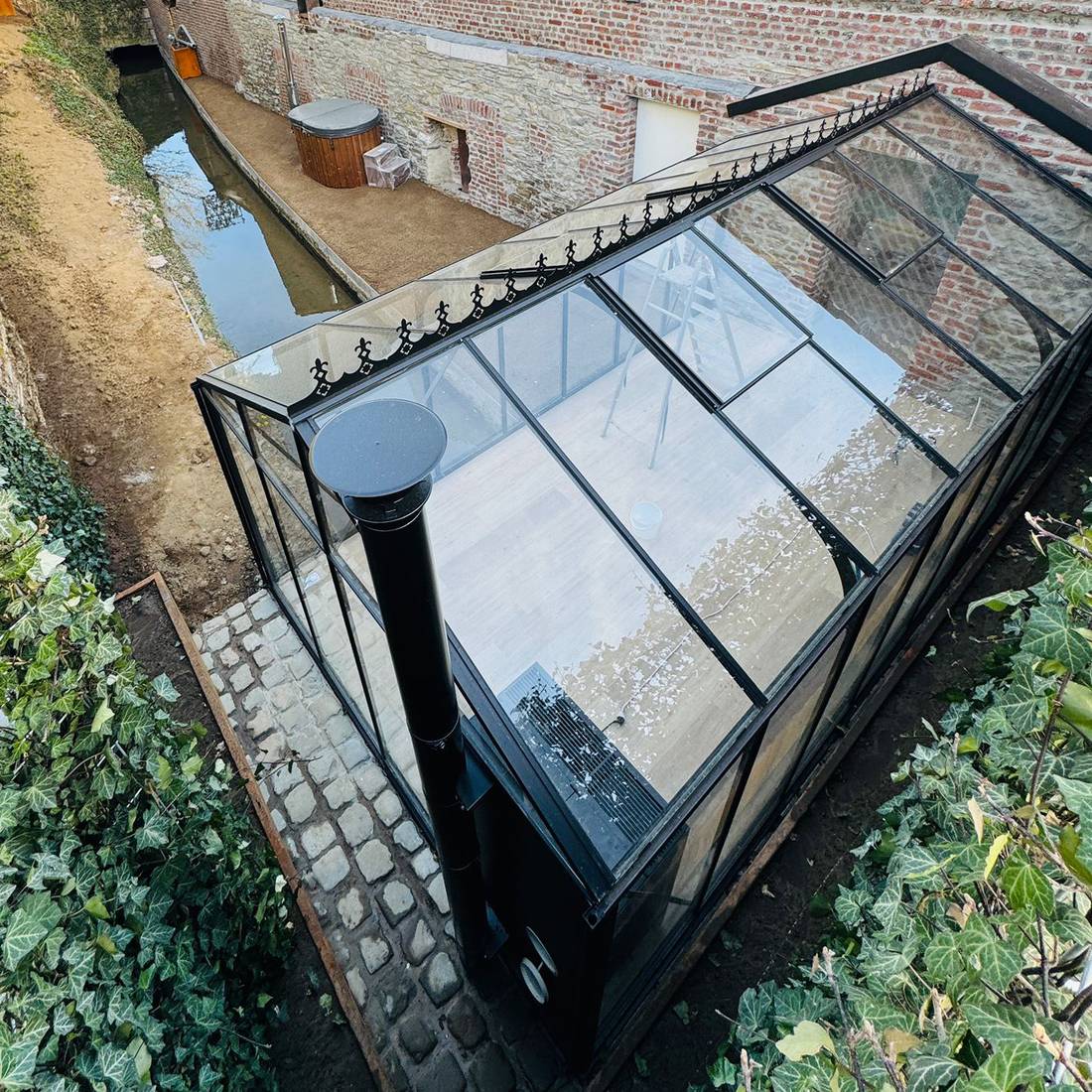
A pre-purchase quality-control checklist
The most effective quality check happens before an order enters production. Resolve assumptions while changes can still be documented. Use the following checklist when reviewing a proposed project:
- Confirm the exact model. Similar-looking structures can have different layouts, interfaces and component sets.
- Confirm the configuration. Review the selected form, orientation, door and vent information, finish, glazing and accessories shown in your documents.
- Define the intended use. Plant production, seasonal sitting, entertaining and general garden use create different priorities. A greenhouse is not automatically the right substitute for a pergola or garden room.
- Review the site. Consider available area, slopes, drainage, surrounding trees, overhead obstructions, service access and exposure. Do not rely on a rough visual estimate.
- Plan the supporting base. The type and preparation of the foundation or supporting surface must suit the selected structure and local site conditions.
- Check delivery access. Identify where packaged components can be received, inspected and stored without unsafe handling or unnecessary exposure.
- Read the commercial terms. Review the current purchase and delivery terms, warranty information and Return and Cancellation Policy before committing.
- Keep a complete record. Save the quotation, confirmation, correspondence and approved selections together.
If the range of choices is unfamiliar, the guide explaining freedom of choice can help organize the decision. The practical ordering guidance is available here. Customer experiences can also provide context through Customer Reviews, but another project should not replace verification of your own order.
What quality control can and cannot prevent
Manufacturing checks can identify inconsistencies during component preparation, finishing, coordination and packing. They cannot eliminate every risk after goods leave the controlled production environment. Transportation handling, unloading, storage, foundation work and assembly introduce separate variables.
Quality control also does not mean that every connection will arrive assembled. Greenhouses and pergolas are coordinated systems intended to be installed in sequence. Nor does premium quality mean that different material types will look or behave identically. Aluminum profiles, glazing, seals, fasteners and decorative elements each have their own function and handling needs.
A responsible comparison therefore asks three questions: Was the correct item specified? Was the ordered item supplied in acceptable condition? Was it stored and installed according to the applicable documentation? Keeping these questions separate makes communication clearer and avoids premature conclusions.
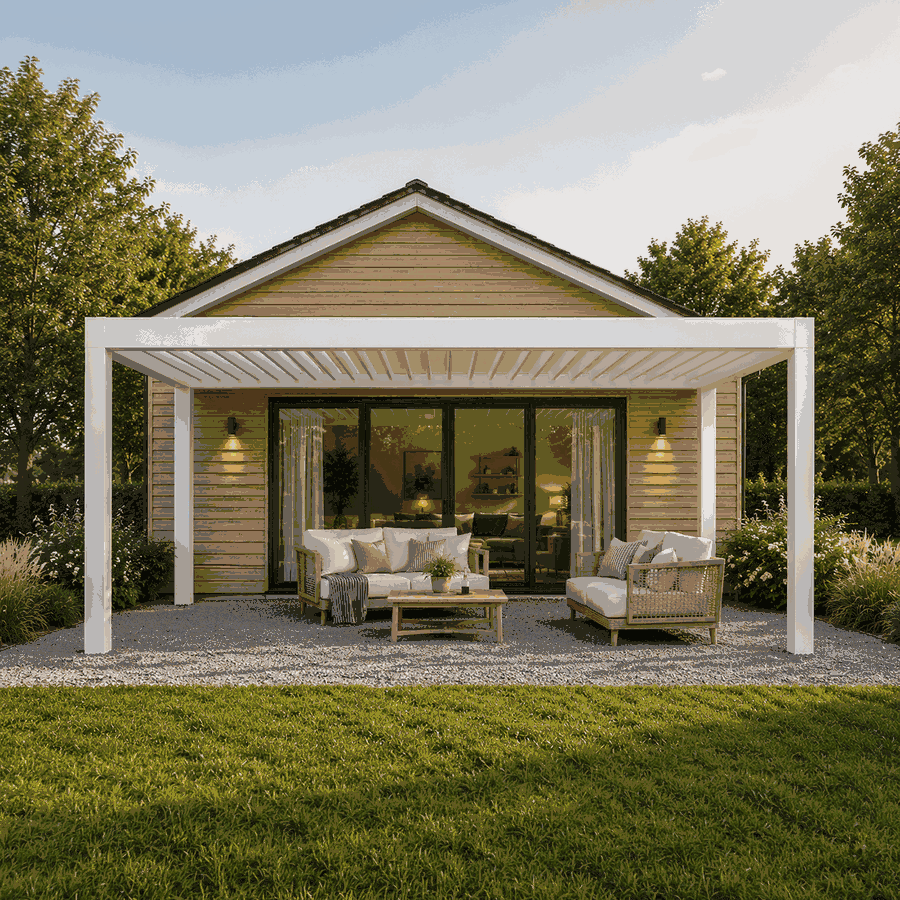
Receiving and inspecting the order
Prepare for inspection before delivery. Have the order confirmation available and designate a clean, stable area for the packages. The receiving person should understand that signing, noting visible condition and preserving labels can matter. Follow the current delivery terms for the required process and timing.
Initial receiving check
- Compare the delivered package count with the available delivery information.
- Look for tears, punctures, crushed areas, broken wrapping, moisture exposure or signs that a package shifted.
- Record visible concerns before moving or opening affected packages when practical.
- Take clear photographs of the overall package, the affected area and its identifying label.
- Keep small components organized. Do not discard wrapping, labels or packaging until the inventory review is complete.
- Move packages using methods suitable for their size, weight and contents. Do not drag finished components or place concentrated loads on glazing packages.
Detailed inventory check
Open and sort packages in the sequence recommended by the supplied information. Match identifiers to the packing documentation rather than identifying pieces only by appearance. Similar profiles or fasteners may serve different locations. If something appears inconsistent, stop and document the issue before modifying, drilling, cutting or forcing the component.
Photographs are most useful when they show context. Include the package label, part identifier where present, quantity and a wider view. A close-up without identification may not establish which package or installation stage is involved. Contact customer service with the order information and an organized description.
Protecting manufacturing quality during installation
Installation is the point at which prepared components become one structure. Good workmanship protects finish quality, geometry, door operation, glazing fit and water management. Rushing the frame and trying to correct alignment later can create avoidable problems.
- Read before assembling. Review the supplied instructions and drawings as a complete sequence. Identify unfamiliar connections before work begins.
- Verify the base. Check the supporting surface against the project requirements. Do not assume the structure will compensate for an inaccurate base.
- Organize by identifier. Keep profiles, fasteners, seals and glazing grouped so visually similar parts are not exchanged.
- Protect finished surfaces. Use a clean staging area and appropriate tools. Avoid placing profiles where grit or hard edges can scratch them.
- Check geometry progressively. Confirm alignment during assembly rather than only after glazing or finishing work.
- Do not force connections. Resistance can indicate the wrong part, orientation, sequence or alignment. Recheck the documentation.
- Install glazing methodically. Confirm the intended piece and retaining method for each location. Do not treat glazing panels as work platforms.
- Test operation. After the structure is aligned, check doors, vents and other moving elements for smooth operation according to their intended use.
- Complete a final inspection. Look for leftover parts, incomplete connections, blocked drainage paths, packaging material and debris.
Wall-connected models require particular planning because the existing building becomes part of the project context. Its condition, geometry and water behavior should be assessed before assembly. Do not improvise attachment methods or assume that one wall construction is equivalent to another.
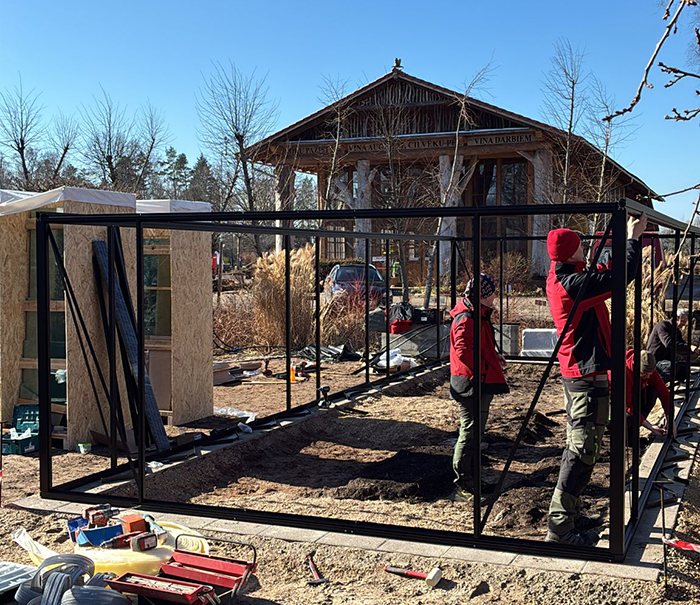
Anna Koku Skola as one installation sequence
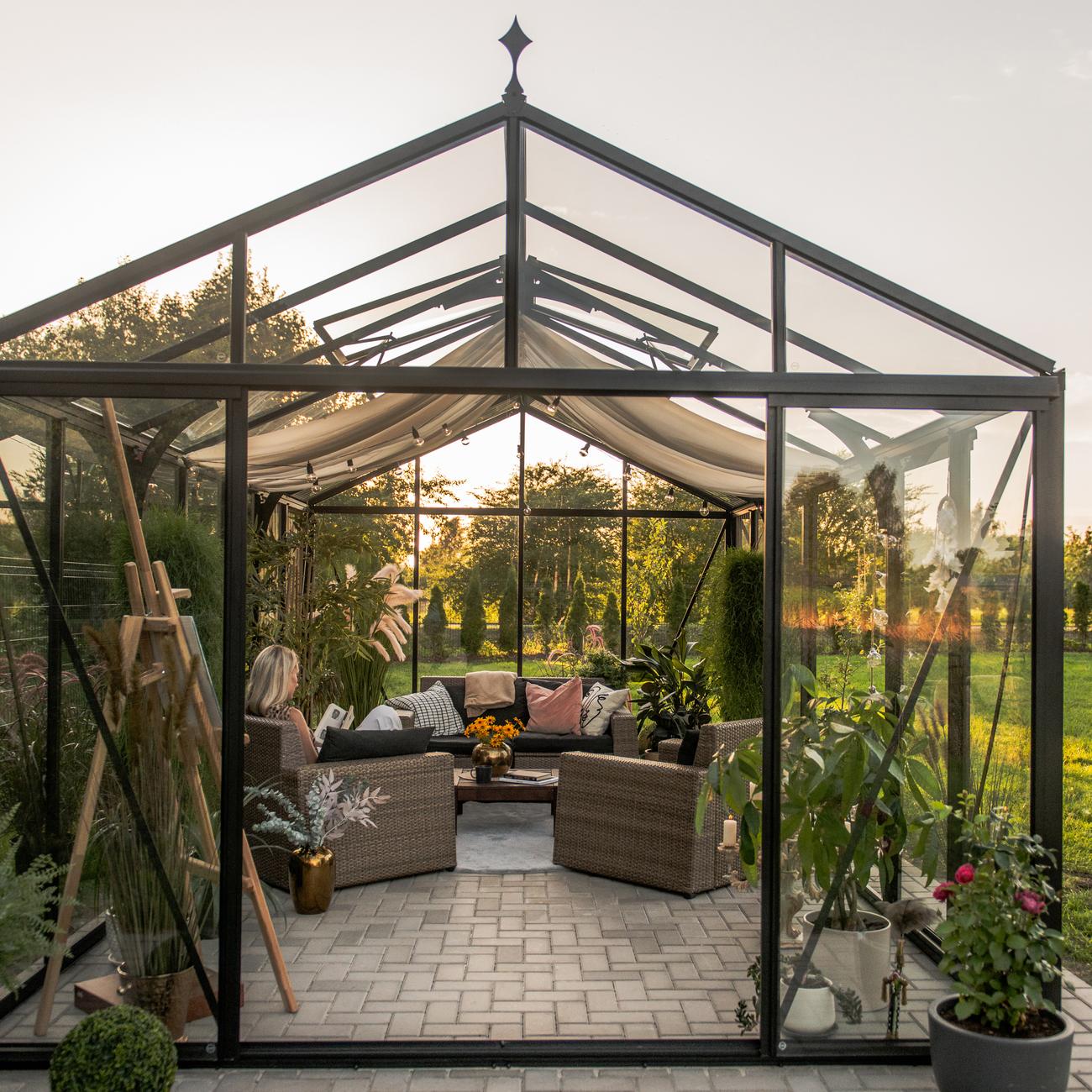
The Anna Koku Skola image set should be understood as one real greenhouse installation sequence. Taken together, the images can help customers visualize how a project progresses from organized site work toward a completed structure. Individual photographs are moments within that same installation, not separate examples or universal instructions.
The sequence is useful for discussing workflow: prepare the site, stage components, assemble in a controlled order, protect glazing and review the completed installation. It must not be used to infer concealed anchors, hidden reinforcement, exact connection methods or other technical details that are not visible. The instructions and project documents remain the authority for the selected model.
Quality after completion: use and maintenance
Quality control continues through ownership. A greenhouse operates in changing temperature, moisture and weather conditions, while a pergola has its own operating and cleaning needs. Periodic observation helps identify a minor adjustment or cleaning need before it becomes disruptive.
- Keep tracks, thresholds, gutters and intended drainage routes free of leaves and debris.
- Clean aluminum, glazing and other surfaces using methods compatible with the supplied materials.
- Inspect seals, retainers and visible connections periodically, especially after unusual weather.
- Operate doors and vents as intended; investigate binding rather than forcing a moving part.
- Manage plant moisture and ventilation. The guide to controlling greenhouse humidity explains why condensation and airflow require attention.
- Plan shading according to crop and season. Read about greenhouse curtains, shading and cooling.
- Keep records of maintenance, adjustments and any replacement components.
Use requirements should influence product selection from the beginning. For example, the guide to growing cucumbers in a greenhouse demonstrates how ventilation, trellising, watering and working space become operational considerations. Customers comparing investment levels can also review the discussion of long-term value in aluminum and glass greenhouses.
How to compare quality claims responsibly
Words such as premium, European and architectural are useful only when connected to the actual proposal. Avoid comparing a basic advertised image from one design with a fully optioned presentation of another. Compare written scope with written scope.
- Are you comparing the same structural format?
- Does each quotation clearly identify glazing, finish and selected options?
- Are wall interfaces or unusual site conditions being treated consistently?
- Does the proposed design fit its intended use without field alteration?
- Have receiving, storage, installation and maintenance responsibilities been considered?
- Are customer support and order policies part of the comparison?
Shape can also drive the decision. The pyramid aluminum greenhouse overview and hexagon greenhouse overview show how alternative forms can change the visual and functional brief. For outdoor living rather than protected growing, the guide to buying an aluminum pergola in the USA provides a more relevant comparison.
Frequently asked questions
Does European manufacturing automatically mean higher quality?
No location label should replace product-specific evaluation. Meaningful quality comes from coordinated design, controlled component preparation, documented selections, appropriate materials and a complete installation process. Review the exact model, order scope and supplied documentation.
Are all Bloomcabin greenhouses manufactured or assembled in the same way?
No assumption should be made that every model shares the same component set or assembly sequence. Freestanding, lean-to, T-shaped, compact wall and specialty forms have different interfaces. Follow the documents supplied for the ordered model.
Can I compare a greenhouse and a pergola by price alone?
No. They serve different purposes and can involve different components, operating features and site considerations. First decide whether the priority is protected plant cultivation, outdoor shade, weather moderation or another use. Then compare configurations with equivalent written scopes.
What should I do if a package looks damaged?
Follow the current delivery terms. Record the condition, package label and affected area with clear photographs, note visible concerns through the required receiving process and avoid discarding packaging. Do not install or alter a questionable component before obtaining guidance.
What if two parts look almost identical?
Use identifiers and the supplied packing or installation information. Do not choose based only on appearance. Similar components can have different hole positions, orientations or intended locations. If the identification remains unclear, pause and contact customer service.
Can installers modify components to make them fit?
Unapproved cutting, drilling, bending or substitution can obscure the original issue and affect assembly. First check the part number, orientation, sequence, base geometry and frame alignment. Request guidance before making a modification not shown in the applicable documents.
Is a perfectly prepared foundation part of factory quality control?
No. The foundation or supporting surface is a site responsibility and must be planned for the selected structure and local conditions. Its geometry can directly affect frame alignment, glazing and moving parts, so it should be verified before installation begins.
Do product photographs prove construction details?
No. Photographs help communicate form, finish and general appearance, but they do not prove hidden anchors, internal reinforcement, exact dimensions or included options. Use the quotation, order confirmation, drawings and instructions for technical decisions.
How can I preserve the finish during assembly?
Provide a clean staging area, keep profiles separated from grit and masonry debris, use suitable tools and avoid dragging components. Retain protective material until its removal is required by the assembly sequence, but do not leave temporary packaging where it can interfere with connections or drainage.
What records should I keep?
Keep the final quotation, order confirmation, payment and delivery records, package labels, installation information, photographs and important correspondence. After completion, retain maintenance notes and information about any replacement parts. Organized records make later questions easier to evaluate.
Does premium manufacturing eliminate maintenance?
No. Outdoor structures collect dirt and organic debris and experience changing temperature and moisture. Doors, vents, drainage paths, seals and visible connections should be observed and maintained. Appropriate care protects function and appearance.
Where should I start if I am uncertain about the correct design?
Begin with intended use, site relationship and preferred building form. Compare a freestanding greenhouse, wall-mounted greenhouse, orangery and pergola before selecting finishes or accessories. Then document your chosen configuration and use Bloomcabin customer support to resolve product-specific questions before ordering.
Practical conclusion: European manufacturing establishes the prepared product, but project quality is completed through accurate selection, documented ordering, careful receiving, correct installation and responsible maintenance. Treat every handoff as a quality-control checkpoint.
