



Useful information · MATERIALS
Designed for Wind, Snow and Year-Round Outdoor Conditions
A practical guide to evaluating, installing and maintaining an aluminum greenhouse for wind, snow, rain, freezing temperatures and changing seasonal conditions.
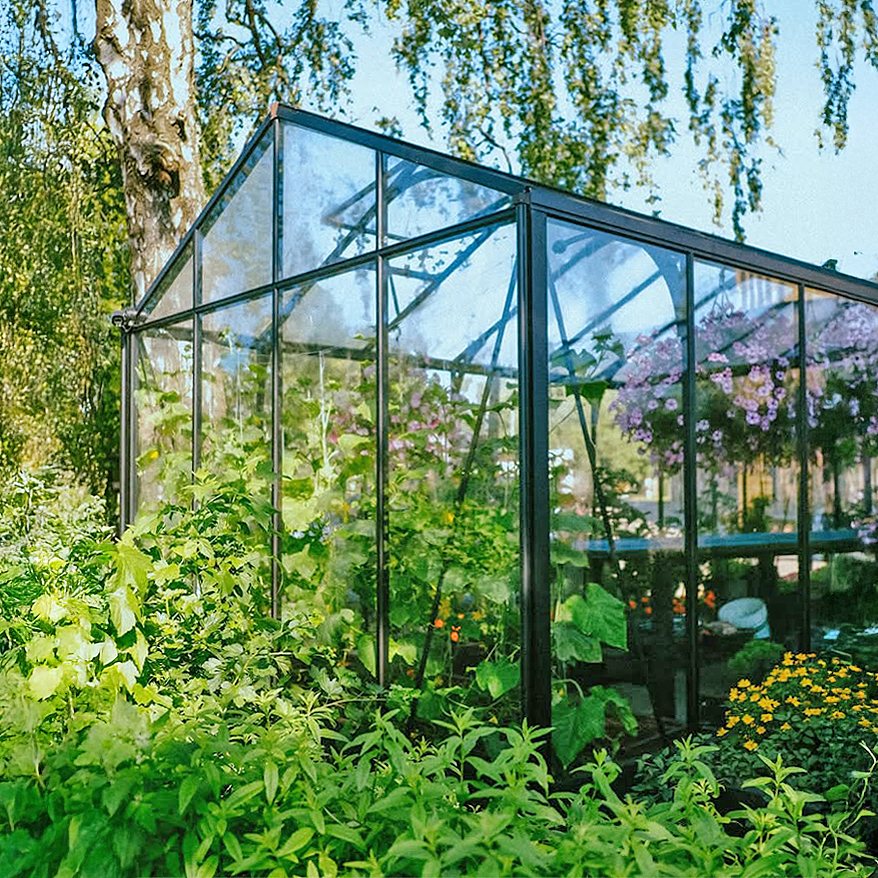
A greenhouse intended for year-round outdoor conditions must be considered as a complete system. The frame and glazing matter, but so do the foundation, anchors, doors, vents, seals, drainage, installation quality and daily weather management. A strong product installed on an unsuitable base or left open during a storm may not perform as intended.
This guide explains the practical questions to address before ordering, receiving and installing a Bloomcabin greenhouse. It also covers routine preparation for wind, snow, rain, freezing weather and seasonal temperature changes. Because climate, terrain and local requirements vary across the United States, always confirm the documentation for your selected model and discuss site-specific questions with qualified local professionals.
What “designed for outdoor conditions” means
Outdoor durability is not a promise that a greenhouse can be ignored in every weather event. It means that the structure, materials and connections are intended to work together in an outdoor environment when the product is correctly selected, assembled, anchored, operated and maintained.
Weather performance depends on four connected factors:
- Product design: The geometry of the greenhouse, frame arrangement, glazing system, doors, vents and connections.
- Site conditions: Prevailing wind, open exposure, drifting snow, nearby trees, roof runoff, soil conditions and drainage.
- Foundation and installation: A level, stable and appropriately prepared base, correct anchoring and assembly according to the model documentation.
- Owner management: Closing openings before storms, removing abnormal accumulations when appropriate, maintaining drainage and inspecting the structure.
No single material should be evaluated in isolation. For example, an aluminum frame may provide a durable basis for an outdoor greenhouse, but its real-world performance still depends on correctly fitted glazing, complete fasteners, sound anchoring and a stable foundation.
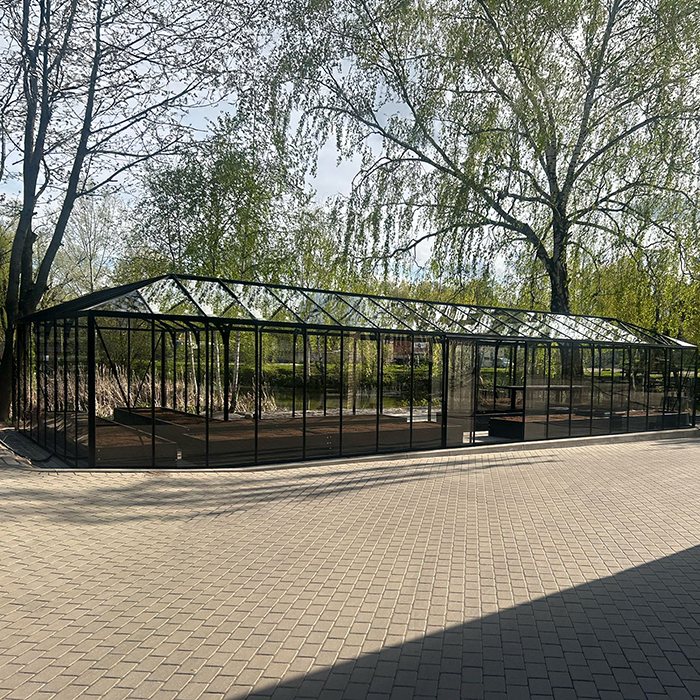
Evaluate your site before selecting a greenhouse
A site assessment should happen before you choose a model or prepare the foundation. Moving an installed greenhouse is substantially more complicated than adjusting the proposed location during planning.
Wind exposure
Consider where strong winds normally come from and whether the site is protected, partially exposed or fully exposed. A greenhouse on open rural land, near a coastline, on elevated terrain or at the end of a wind corridor may experience different forces from the same structure in a sheltered yard.
- Look for gaps between buildings, fences or rows of trees that may funnel wind.
- Check whether nearby branches could fall or rub against the greenhouse.
- Avoid assuming that a fence eliminates wind exposure. Air moving over or around a barrier can create turbulence.
- Keep enough working space around the greenhouse for inspection, cleaning and snow management.
- Do not rely on planters, interior furniture or stored materials as structural anchoring.
Snow and water movement
Study how snow and rain behave across the entire property. Snow may drift against one side of a structure even when the general snowfall appears moderate. Water from a house, garage or retaining wall can also concentrate around a greenhouse foundation.
Avoid positioning the greenhouse where snow or ice can slide from a taller roof onto it. Direct downspouts and surface runoff away from the foundation. The surrounding grade should not create standing water around the base.
Access and seasonal use
Plan a route that remains practical during wet weather, leaf fall and snow. You will need access to close vents, inspect glazing, clear drainage paths and respond to changing conditions. If regular winter use is important, include walkway maintenance in the site plan.
Choosing a model and configuration
Bloomcabin offers freestanding, wall-mounted and larger architectural greenhouse forms. Start with the intended use and site rather than selecting only by appearance.
| Configuration | Planning consideration | Models to explore |
|---|---|---|
| Classic freestanding greenhouse | Allows access around all sides and can suit a dedicated growing area. | Aluminum Classic Greenhouse and Classic Plus 385 |
| Premium freestanding greenhouse | Review the selected size, doors, vents and foundation plan as one project. | Classic Premium greenhouse and Prestige Premium greenhouse |
| Large or orangery-style structure | Requires careful layout, access planning and coordination of the complete base. | Bloomcabin Orangerie and Garden View T Greenhouse |
| Lean-to greenhouse | The supporting wall, flashing interface, drainage and attachment plan require particular attention. | Aluminum Lean-To Greenhouse and Limited Edition Lean-To Greenhouse |
| Compact wall greenhouse | Useful where space is limited, subject to a suitable wall and base. | Aluminum Mini Wall Greenhouse and Limited Edition Mini Wall Greenhouse |
| Wall-mounted T configuration | Combines a wall interface with a projecting greenhouse form, making accurate layout especially important. | Wall-Mounted T Model Orangery |
Do not assume that two models use identical foundations, fasteners or installation sequences. Confirm the information supplied for the exact product and configuration you order. The freedom of choice overview can help frame design decisions, while the premium quality page explains Bloomcabin’s broader approach to materials and products.
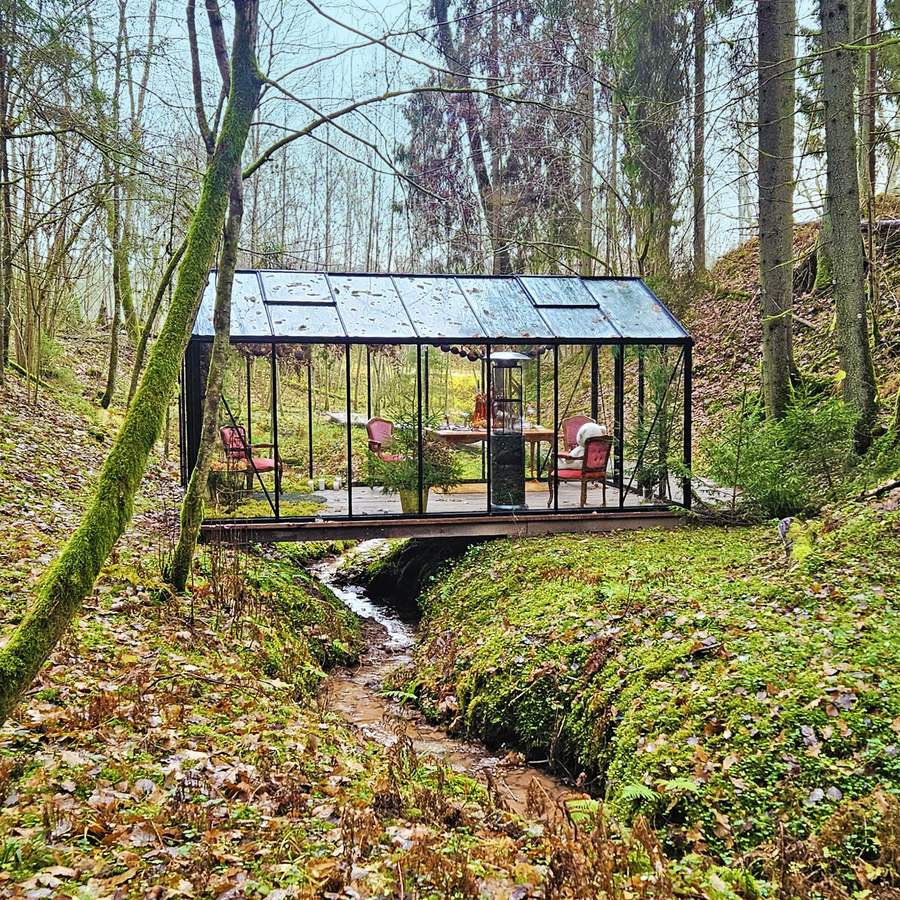
The foundation is part of weather readiness
The foundation establishes the greenhouse geometry and transfers forces to the ground. It must be level, stable and appropriate for the product, site and local conditions. A visibly attractive patio is not automatically a suitable greenhouse foundation.
Before work begins, confirm the model footprint and base requirements. Check the actual site rather than relying only on a landscape drawing. Underground services, drainage routes, frost behavior, soil conditions and adjacent construction may affect the final plan. Local professionals should determine what foundation solution is appropriate when project-specific engineering or code considerations apply.
Foundation planning checklist
- Confirm the exact greenhouse model, size, orientation and door location.
- Obtain and review the applicable product and installation information before forming the base.
- Mark the site and verify usable clearance around the structure.
- Check levels, diagonals and finished height before installation.
- Plan how water will move away from the greenhouse.
- Confirm the intended anchoring points remain accessible.
- Allow the foundation to become ready for installation before placing the structure on it.
- Recheck dimensions and level after foundation work is complete.
A pergola is a different product, but the practical overview in the pergola foundation and patio preparation guide illustrates why base planning, drainage and site verification should be addressed early. Always use the information applicable to the greenhouse itself for final preparation.
Receiving and storing components before installation
Plan delivery access before the order arrives. Consider the route from the unloading area to the installation site, including gates, slopes, soft ground, overhead obstacles and turning space. Read the current purchase and delivery terms for the applicable process.
When components arrive, keep packages organized and protected while following the handling instructions provided with the order. Do not casually mix hardware from different packages. Check received items against the supplied documentation and report visible concerns through the appropriate customer service process.
Glazing and long frame components require careful handling. Avoid placing them where vehicles, lawn equipment, children, pets, falling branches or standing water could create damage. Packaging is intended for transport and organization; it should not be treated as indefinite outdoor storage protection.
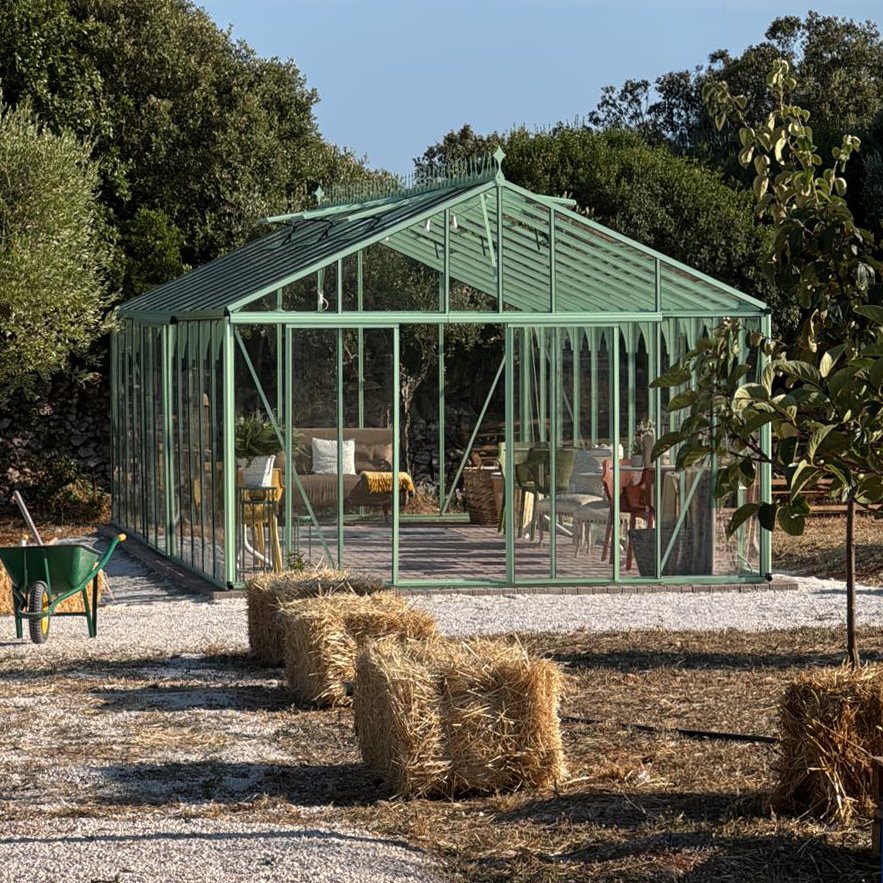
Installation quality and the Anna Koku Skola sequence
Correct assembly is essential to outdoor performance. The structure should not be forced to fit a base that is out of level or out of square. Connections should be completed in the specified order, and temporary bracing should remain in place whenever the installation instructions call for it.
When viewing the Anna Koku Skola installation, treat it as one real greenhouse installation sequence rather than as unrelated projects. Its stages can help explain the overall progression: site and base preparation, organized component placement, frame assembly, alignment, glazing, doors and vents, final checks and completion. Visible project photographs are useful for understanding workflow, but they do not reveal hidden anchors, fastener details or site-specific construction requirements. The documentation for the purchased model remains the controlling installation resource.
Practical assembly controls
- Inventory and organize parts before major assembly begins.
- Use sufficient people and appropriate handling methods for large or delicate components.
- Check level, square and alignment repeatedly instead of waiting until the end.
- Install every specified connector, brace, seal and fastener in its intended location.
- Do not substitute hardware or modify structural components without written guidance.
- Keep doors and vents secured while the incomplete frame is vulnerable to wind.
- Stop work when weather makes safe handling or accurate assembly impractical.
- Complete anchoring and final operational checks before placing the greenhouse into service.
After installation, open and close every door and vent. Inspect glazing engagement, seals, caps, drainage paths and visible connections. A door that does not operate cleanly can indicate an alignment issue that should be investigated rather than forced.
Managing wind in daily use
Wind can act on the full exterior of a greenhouse and can enter through an unsecured opening. An open door or roof vent may experience substantial force during a sudden gust. Weather preparation therefore includes both structural inspection and operating habits.
Before strong wind
- Close and secure doors, roof vents and other operable openings.
- Remove or secure loose furniture, tools, pots, covers and garden accessories nearby.
- Inspect the perimeter for branches or objects that could strike the glazing.
- Confirm that visible fasteners, glazing retainers and door hardware appear complete.
- Keep people away from the structure during severe conditions.
Do not attempt to hold a door or vent by hand during a storm. Do not place a temporary tarp over the greenhouse unless specific product guidance supports that action; a poorly secured cover can catch wind, damage surfaces or interfere with vents.
After the event has passed, inspect from a safe distance first. Look for displaced components, broken branches or unstable objects before approaching. If anything appears damaged or misaligned, restrict access and seek suitable guidance before normal use resumes. For additional context, read Aluminum Greenhouses USA: Pest-Free and Weather-Resistant Growing.
Snow, ice and freezing weather
Snow conditions are not defined only by the depth reported for a region. Wet snow, wind-driven drifts, repeated storms and snow sliding from adjacent structures may create concentrated accumulation. Monitor actual conditions at the greenhouse rather than assuming the roof will remain evenly covered.
- Inspect the greenhouse before winter and address loose or missing visible components.
- Keep the area around doors accessible so they are not forced against packed snow or ice.
- Prevent snow from being shoveled or plowed against greenhouse walls.
- Watch for uneven drifts and accumulation caused by nearby roofs, fences or vegetation.
- Use only safe, non-damaging methods consistent with the product guidance if snow management is necessary.
- Never climb onto greenhouse glazing.
- Do not strike glazing or frame components with rigid tools to break ice.
Ice may obstruct gutters, drainage routes, doors or vent mechanisms. Let frozen components release safely rather than forcing them. Operating a frozen vent or door can damage hardware or move the surrounding frame out of alignment.
If you are also planning an outdoor shade structure, winter operation is different from greenhouse operation. The pergola winter snow, wind and cold guide explains those distinctions. Bloomcabin pergola options include the Bloomcabin Pergola and Bioclimatic Aluminum Pergola.
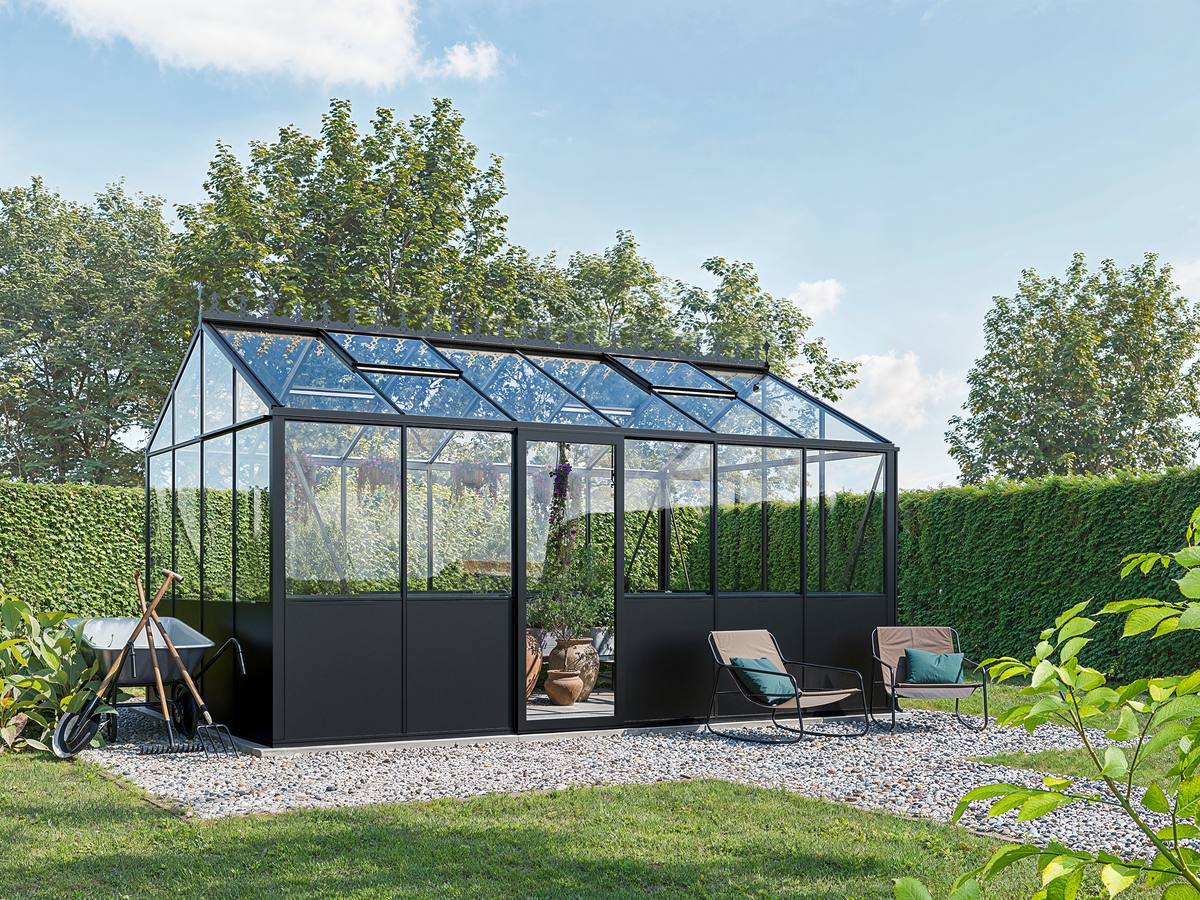
Rain, drainage and condensation
Rainwater should be able to leave the greenhouse and surrounding site without pooling at the base. Regularly remove leaves and other accessible debris from drainage paths. Inspect after heavy rain to identify splashback, erosion, standing water or runoff from neighboring structures.
Condensation inside a greenhouse is not the same as a roof leak. Warm, humid interior air can condense when it contacts cooler glazing and frame surfaces. Plant watering, wet soil and large temperature changes may all increase interior moisture. Manage condensation through appropriate ventilation, watering practices, plant spacing and seasonal operation.
If water appears in one location repeatedly, note the weather, temperature and wind direction. Check accessible seals, vents and drainage paths without dismantling structural elements. Persistent concerns should be documented with clear photographs and reported for evaluation.
Heat, ventilation and seasonal temperature changes
A greenhouse can become much warmer than the surrounding air when exposed to sunlight, including during cool seasons. Ventilation is therefore a year-round operating consideration. Doors and vents should be used according to conditions, but they must also be secured before strong wind.
Do not assume that a greenhouse automatically remains above freezing, provides residential comfort or protects every plant without additional planning. Crop tolerance, sunlight, ventilation, moisture and any supplemental equipment all affect the internal environment. Any electrical, heating or automated system should be selected and installed for the site by appropriately qualified professionals.
For planting ideas, see the month-by-month greenhouse growing guide, 10 unusual crops you can grow in a greenhouse and 10 ways to use an aluminum greenhouse year-round. The overview of premium glass greenhouses for year-round gardening provides additional design and use context.
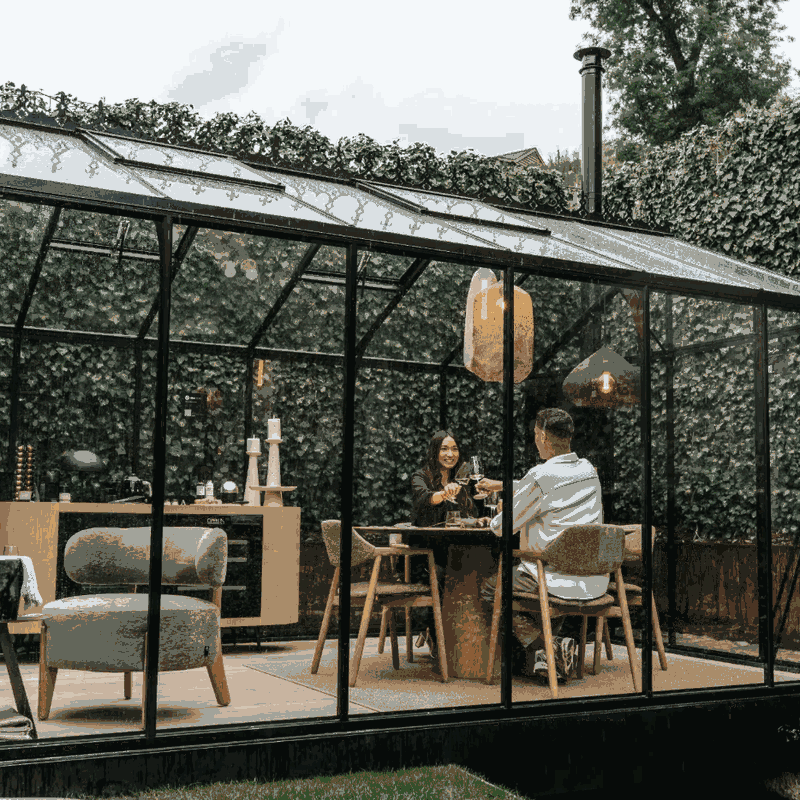
Routine inspection and maintenance schedule
| When | Recommended checks |
|---|---|
| Before each storm season | Inspect visible anchors, connections, glazing retention, doors, vents, seals and drainage paths. |
| After strong wind or heavy precipitation | Check for impact damage, movement, obstruction, standing water and uneven snow accumulation. |
| During active growing | Keep ventilation operational, manage condensation and prevent plants or stored items from obstructing doors and vents. |
| Before winter | Remove debris, confirm closures operate correctly, organize safe access and move loose outdoor objects away. |
| During winter | Monitor snow drifting, ice, blocked doors and changing drainage conditions without climbing on the greenhouse. |
| In spring | Clean accessible surfaces using suitable methods, inspect seals and hardware, and address issues before intensive use. |
A maintenance inspection should be systematic. Start at the foundation perimeter, continue around each exterior side, and then review the interior. Record concerns with dated photographs. Do not ignore a recurring door alignment problem, loose component or unexplained water entry simply because the greenhouse remains usable.
Purchase planning and documentation
Before ordering, confirm what is included with the selected product and what site work must be arranged separately. Review how to order, the warranty information and the Return and Cancellation Policy. You can also review Customer Reviews and learn about secure ecommerce and purchases.
Keep order records, current product documents, component lists and installation information together. If questions arise, provide the model, order details, installation stage and clear photographs. Bloomcabin’s customer service information explains the support approach.
Frequently asked questions
Can a greenhouse stay outdoors all year?
A greenhouse intended for permanent outdoor installation can remain outside year-round when it is correctly selected, installed, anchored, operated and maintained. Seasonal inspection and weather preparation remain necessary.
Does an aluminum frame eliminate rust and maintenance concerns?
Aluminum is valued for outdoor applications, but no greenhouse is maintenance-free. Hardware, glazing, seals, doors, vents, drainage and the foundation still require inspection. Avoid using incompatible cleaners or making unapproved modifications.
Can I install a greenhouse on an existing patio?
Only after confirming that the patio is level, stable, correctly sized, suitably drained and capable of supporting the intended anchoring method. Appearance alone does not establish suitability. Obtain project-specific advice where necessary.
Should vents remain open during high wind?
Operable openings should generally be closed and secured before strong wind. An open door or vent can catch wind and transmit force to its hardware and surrounding frame. Follow the operating guidance for your model.
Do I need to remove every snowfall immediately?
Conditions vary by site and storm. Monitor accumulation, drifting, wet snow, ice and runoff from nearby roofs. Never climb onto the greenhouse or use methods that could damage glazing or frame components. Follow model-specific guidance and prioritize personal safety.
Will a greenhouse remain warm during winter?
Sunlight may raise daytime temperatures, but a greenhouse does not automatically remain above freezing or maintain a constant temperature. Weather, glazing, ventilation, plants and any supplemental systems influence the interior environment.
Is condensation evidence that the greenhouse leaks?
Not necessarily. Condensation forms when humid interior air contacts cooler surfaces. Observe where and when moisture appears, manage ventilation and watering, and inspect accessible seals and drainage if water repeatedly enters in one location.
Can a lean-to greenhouse be attached to any wall?
No. The wall, foundation, attachment area, water management and overall condition must be suitable for the selected product. Wall-mounted projects require careful coordination and may need evaluation by qualified local professionals.
Can I change hardware or add holes to make installation easier?
Do not substitute hardware, drill structural components or modify the system without appropriate written guidance. Changes may affect fit, drainage, alignment and performance.
What should I do after a severe storm?
Wait until conditions are safe, inspect from a distance, and check for fallen branches, broken glazing, displaced parts or unstable objects. Restrict access if damage is suspected. Photograph concerns and obtain suitable guidance before making repairs or resuming normal use.
What is the most important preparation step?
There is no single substitute for complete planning. Select an appropriate model, assess exposure, build a suitable foundation, follow the installation information, complete anchoring and establish a repeatable inspection routine. These steps work together to support year-round outdoor use.
