



Bioclimatic or Classic Pergola: Which One Suits You?
Start with your patio’s layout and your real outdoor routine. This comparison weighs classic aluminium and bioclimatic pergolas by appearance, comfort, practical use and value.
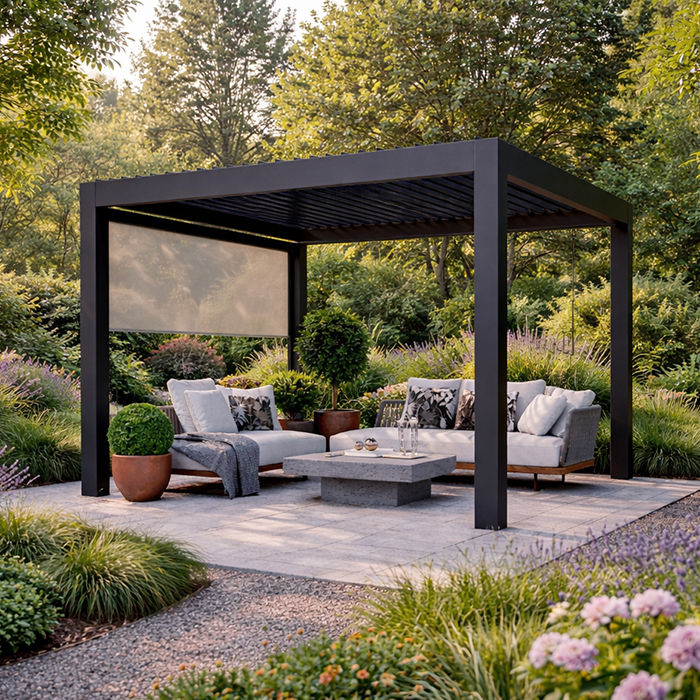
Perhaps a pergola is already in your plans, but the choice between a classic aluminium structure and a bioclimatic model remains open. The following comparison can help you test each option against your patio.
Begin with what you genuinely need: a refined structure that organizes the outdoor area, or added flexibility that will noticeably improve your routine? On a Canadian property, site exposure and the months when you expect to use the patio also deserve consideration.
The Bloomcabin range includes each approach: Bloomcabin Pergola as well as Bloomcabin Bioclimatic Pergola. Reviewing the priorities below makes it easier to identify the better direction for your plans.
How do classic and bioclimatic pergolas differ in practice?
Appearance is only part of the distinction; the more useful comparison is how much day-to-day control you expect from the structure.
The classic design creates a crisp architectural frame without adding unnecessary complexity. Its durable aluminium construction can give a patio or garden a composed, finished character.
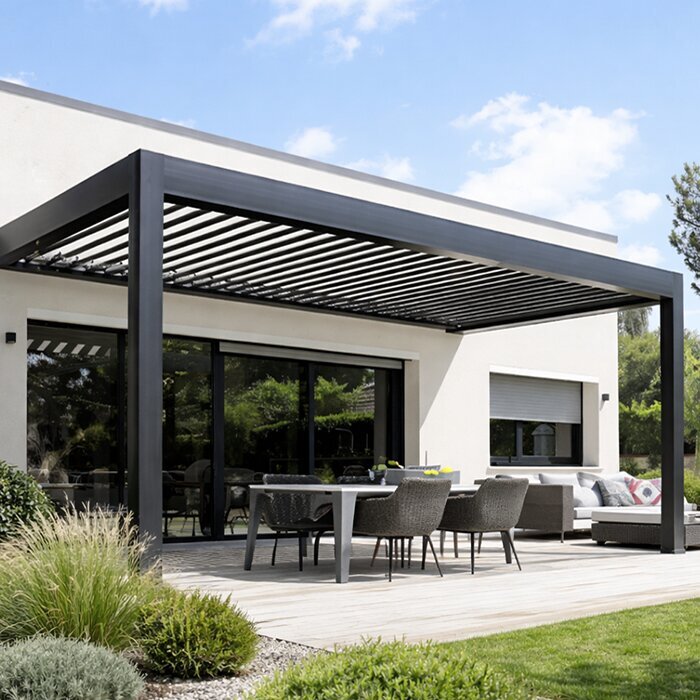
The bioclimatic route is intended for a more involved outdoor routine. Its adjustable louvres provide added flexibility and a more technical, premium character for buyers who expect the structure to contribute more than visual appeal.
Where does a classic aluminium pergola make the most sense?
Choose the classic approach when you want a well-considered outdoor feature that looks polished but keeps the project straightforward.
It tends to suit someone who:
- favours uncluttered, contemporary design;
- prioritizes lasting materials over added complexity;
- wants quality without a complicated buying decision;
- would like the patio or garden to feel more deliberately arranged.
When visual order, material quality and easy everyday ownership are the main goals, the classic pergola is often the more sensible route.
When is the bioclimatic approach worthwhile?
Consider the bioclimatic version when improving the patio’s usefulness matters as much as changing its appearance.
This approach is most relevant for people who:
- make regular use of their outdoor area;
- would benefit from added flexibility and comfort;
- prefer a more technical, premium solution;
- treat the patio as another living area rather than an occasional seating spot.
People who spend substantial time on the patio are more likely to appreciate what the bioclimatic design adds to the experience.
How do the two choices compare for everyday comfort?
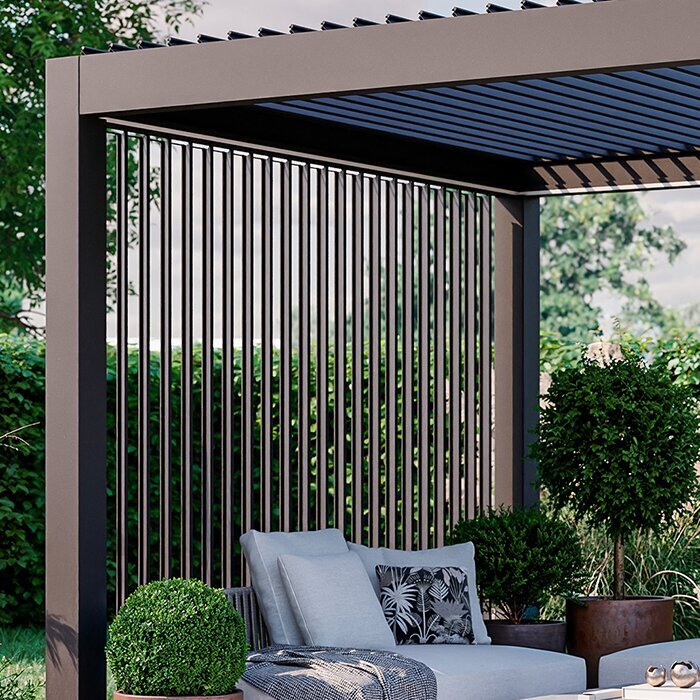
Judged strictly by comfort and flexibility, the bioclimatic design generally leads. The classic version is not lesser; it simply meets a different set of priorities.
A classic pergola works well when the aim is a functional patio with a strong, orderly design. The bioclimatic alternative better serves an owner who expects frequent use and places greater weight on comfort.
A more revealing question than “Which design wins?” is: “What role will this outdoor area actually play in my routine?”
How does each pergola relate to contemporary architecture?
Either style can sit comfortably beside a contemporary Canadian home, although the visual result will not be the same.
The classic pergola tends to produce a quiet, disciplined outline. It is particularly effective where restrained details, clear geometry and an understated exterior guide the design.
By contrast, the bioclimatic version has a stronger technical presence and can feel more luxurious. It suits a project where modern architecture and a noticeably elevated outdoor experience are equally important.
How should cost factor into the decision?
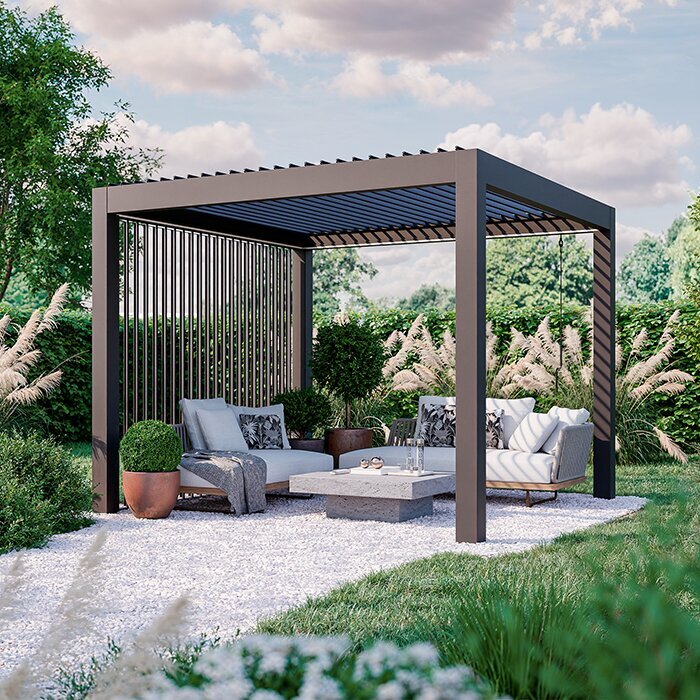
Purchase price tells only part of the story. Decide which capabilities will earn their place in your routine, then compare the exact model’s published information with the wind, snow and foundation needs of your site rather than assuming either style is suitable everywhere in Canada. Which option will deliver value through the way I actually use it?
If the goal is an enduring, polished patio structure without added technical complexity, the classic pergola may provide the stronger balance of cost and usefulness.
If frequent outdoor use makes additional flexibility and comfort genuinely valuable, spending more on the bioclimatic alternative may be easier to justify.
Pitfalls that can distort the choice
- letting a product image decide before considering your routine;
- treating the bioclimatic model as the default answer for every patio;
- rejecting the classic design as too restrained when that simplicity suits the plan;
- comparing initial cost without considering which benefits will be used;
- planning for an imagined lifestyle instead of your likely patio habits.
A sound choice reflects how you live outdoors in practice, not how you picture an ideal occasion.
Which description sounds most like your project?
The classic pergola may suit you when…
your priorities are durable materials, visual discipline, an uncomplicated choice and an elegant patio setting.
The bioclimatic pergola may suit you when…
added adaptability, day-to-day comfort and a more pronounced premium character matter to you.
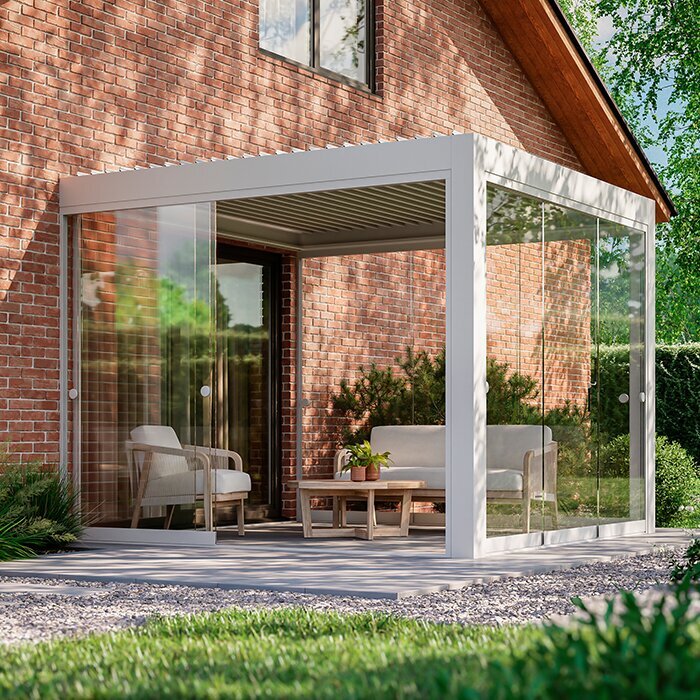
In brief: the classic route prioritizes architectural simplicity, while the bioclimatic route places greater weight on adaptable comfort.
Common questions about the two pergola styles
Does bioclimatic always mean better?
No. More capability does not make the bioclimatic type correct for every situation. Its advantages matter most when the owner will regularly benefit from the added comfort and flexibility; many plans are better served by the classic version.
What should I choose for a compact patio?
A classic pergola can be entirely appropriate for a smaller patio, especially when a clean, stylish setting is the main objective. The deciding factor is still the role that space will play in your routine.
Can the simpler design still have a premium appearance?
Certainly. A classic aluminium pergola can look refined and contemporary. The result depends on balanced proportions, material quality and how thoughtfully the structure is positioned in relation to the house and patio.
Who gets the greatest benefit from a bioclimatic pergola?
It is most relevant to people who spend considerable time on their patio and will make regular use of the additional comfort it provides. Occasional users may place less value on those advantages.
Can either design be coordinated with the house?
Yes. Classic and bioclimatic pergolas can both form a coherent part of the home’s architecture. Scale, placement and the visual connection among the structure, façade and patio determine how successfully everything comes together.
Compare the priorities before choosing a style
Popularity is not the useful test. Look for the pergola that supports your patio layout, your everyday habits and the degree of comfort you will genuinely appreciate.
