



COMPARE
Ordering Direct from a Manufacturer: Benefits and Trade-offs
Working with the maker can reduce communication relays, clarify product comparisons and provide a cleaner route for future parts or maintenance questions. First, however, assign responsibility for the site review, foundation, approvals, unloading and installation.
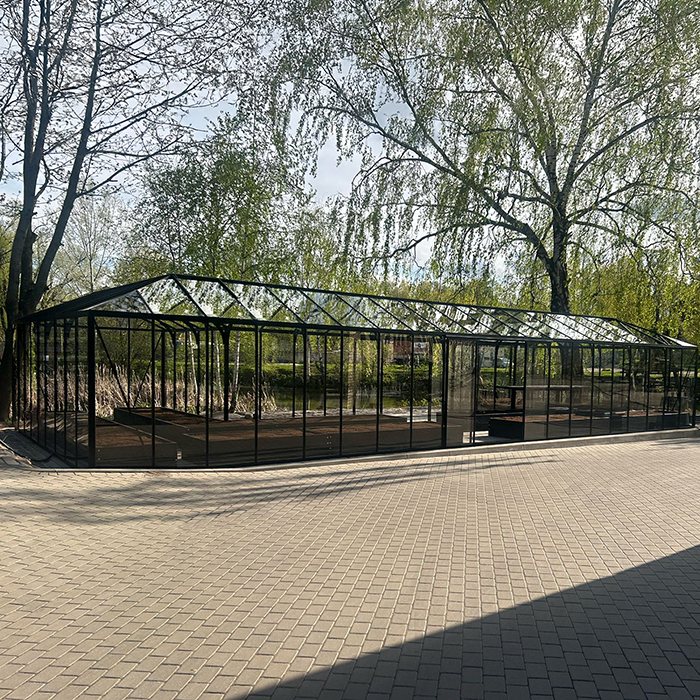
A lower price may be one reason to source a greenhouse, pergola or outdoor sauna from its maker. Price is only part of the decision: dependable specifications, understandable configurations, assigned project roles and consistent records from the first quote through future support can be equally important.
Ordering at source does not remove the need to assess the property or plan local approvals and installation. A well-run project combines detailed product knowledge with advice from professionals who understand the actual site.
How does a manufacturer-direct order work?
In this arrangement, the buyer contracts with the maker or its own sales company rather than an independent retailer reselling the structure. Model, configuration and accessory details come from the organization responsible for documenting the product system.
One commercial contact does not make manufacturing, freight, unloading, foundation construction, assembly, electrical work and approval coordination a single service. The written quote should identify which tasks are supplied and which remain with the customer or local trades.
“Factory direct” also does not promise turnkey management at the property. The sales team can guide product selection, but soil, grade, access, setbacks, utilities and local wind or snow exposure need an assessment tied to the destination site.
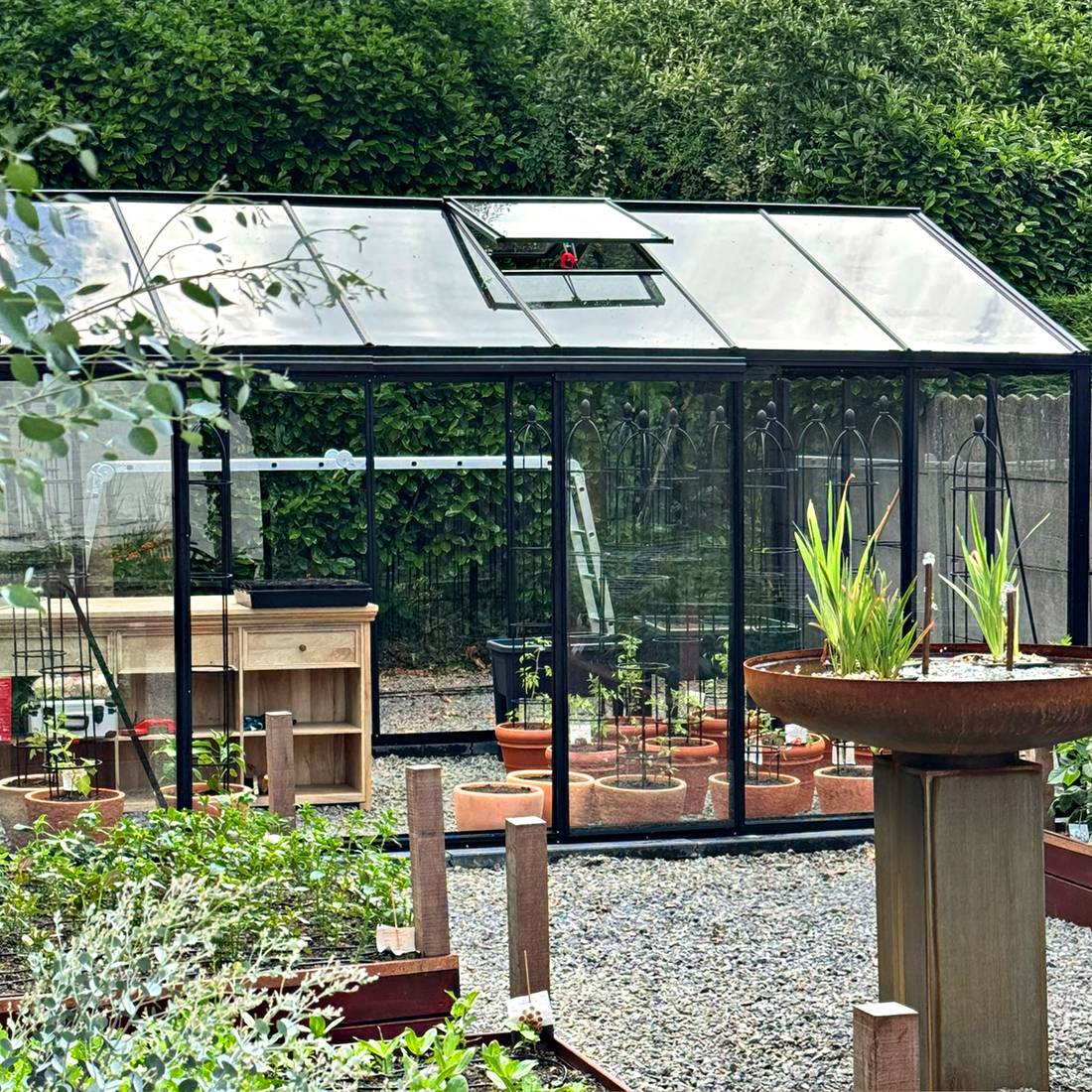
Choosing among the maker, a dealer and a local contractor
No route is inherently superior. They solve different problems, so compare responsibilities, deliverables and exclusions alongside the quoted total.
| Purchasing route | Typical strength | Key point to clarify |
|---|---|---|
| Direct from the manufacturer | Product expertise, option comparisons and a short information chain | Who handles the site assessment, unloading and installation? |
| Through a dealer | A local contact and, in some cases, several brands to compare | Which technical questions does the dealer answer, and which go to the manufacturer? |
| Through a specialist contractor | Site visit, construction work and coordination on the property | Which product system is supplied, and how are replacement parts obtained? |
Local contractors add particular value when a project involves excavation, drainage, foundations or utility connections. The maker is better placed to explain its model range, compatible components and specified assembly sequence. A practical division of work often pairs direct supply with clearly assigned local construction tasks.
Find company details and ways to contact us directly in About Us and Contact. Trade buyers and project professionals can also review the Dealers section.
Where direct sourcing can add value
1. Product answers closer to their source
A technical garden structure brings dimensions, roof geometry, glazing, doors, ventilation, fasteners, accessories and base preparation into one decision. Details can lose precision as they move between businesses. Contact with the product team lets each question be tied to a named model and documented configuration.
That distinction matters when models share a similar appearance but use different construction or functions. To frame a greenhouse decision, compare the overviews of greenhouses and conservatories, polycarbonate and multiwall sheets and Victorian greenhouses . Each resource approaches the planning decision from a different angle.
2. More context across the range
Instead of discussing one item in isolation, the maker can set alternatives from the same range side by side. Buyers can then distinguish functional differences from choices that are primarily visual.
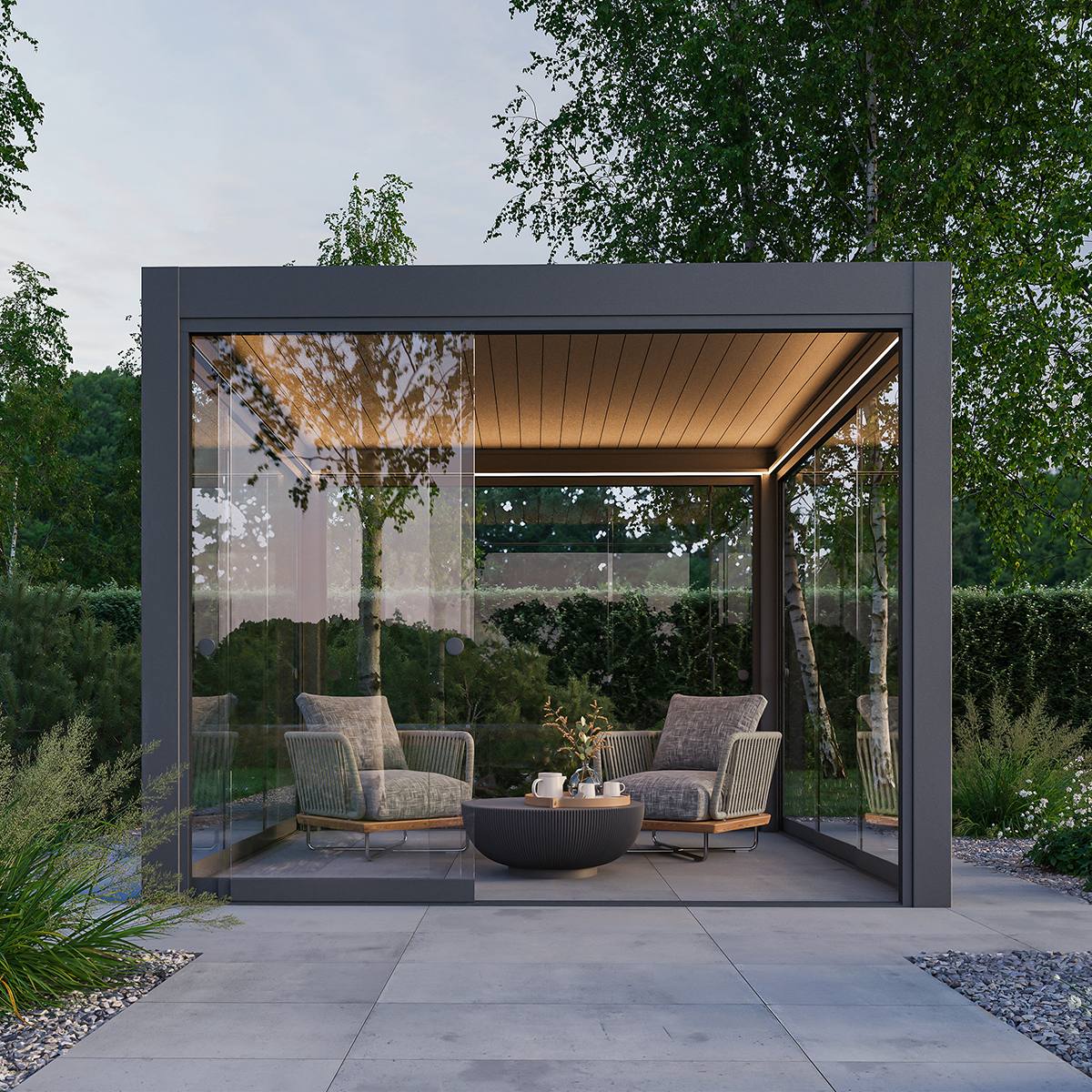
A pergola review might begin by asking whether a bioclimatic or classic pergola fits the intended setting. Construction and dimensions come next. Useful resources include attached versus freestanding pergola designs and the pergola size guide. Another decision guide considers whether a bioclimatic pergola or glass roof better supports the activities planned for the area.
3. Matching the structure to purpose and budget
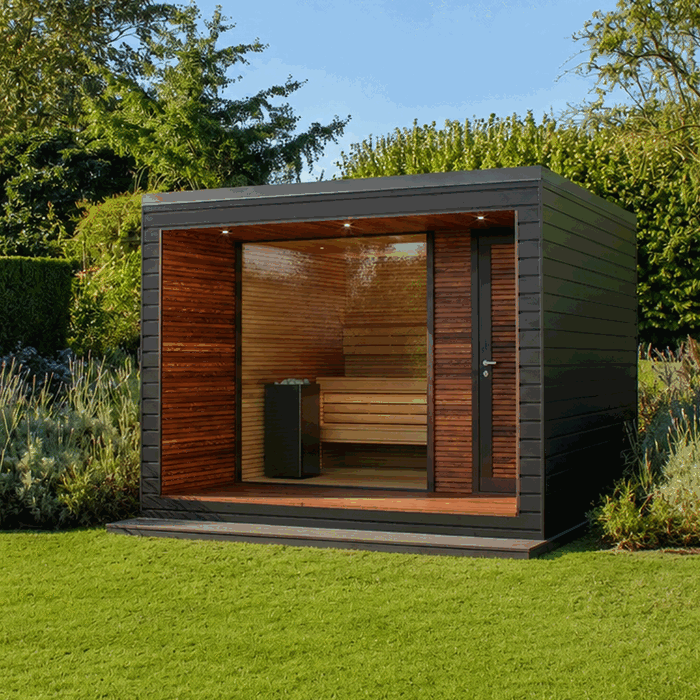
Begin with the job the structure must perform, rather than the largest dimensions available. A propagation greenhouse, a prominent garden building, a sheltered sitting area and a private sauna each call for different access, layout, ventilation, privacy and siting choices.
A direct conversation can identify non-negotiable needs and separate them from optional upgrades. This reduces the risk of choosing a cramped structure or paying for features that will seldom be used. For traditional greenhouse plans, the guides to temperature and humidity or greenhouse lettuce growing can help turn broad intentions into practical requirements.
4. Less information lost between parties
With fewer handoffs, special requests, revisions and technical questions have a clearer route. A drawing, photo or written note can be attached directly to the relevant order instead of travelling through several businesses.
Clear records are still essential. Every dimension should identify its unit, reference point and viewing direction. For an attached structure, name the building elevation involved. Put colours, door locations and accessories into the written quote and final order record rather than relying on a phone conversation.
5. One project record for future enquiries
A traceable file linking the customer, model, options, accessories and purchase date can make later maintenance or parts questions more precise. That continuity is valuable for structures expected to serve for many years.
File the quote, confirmed order, invoice, packing lists, assembly documents, delivery photos and relevant messages together. Add the guidance on aluminum greenhouse care and the applicable warranty details that apply to the purchase.
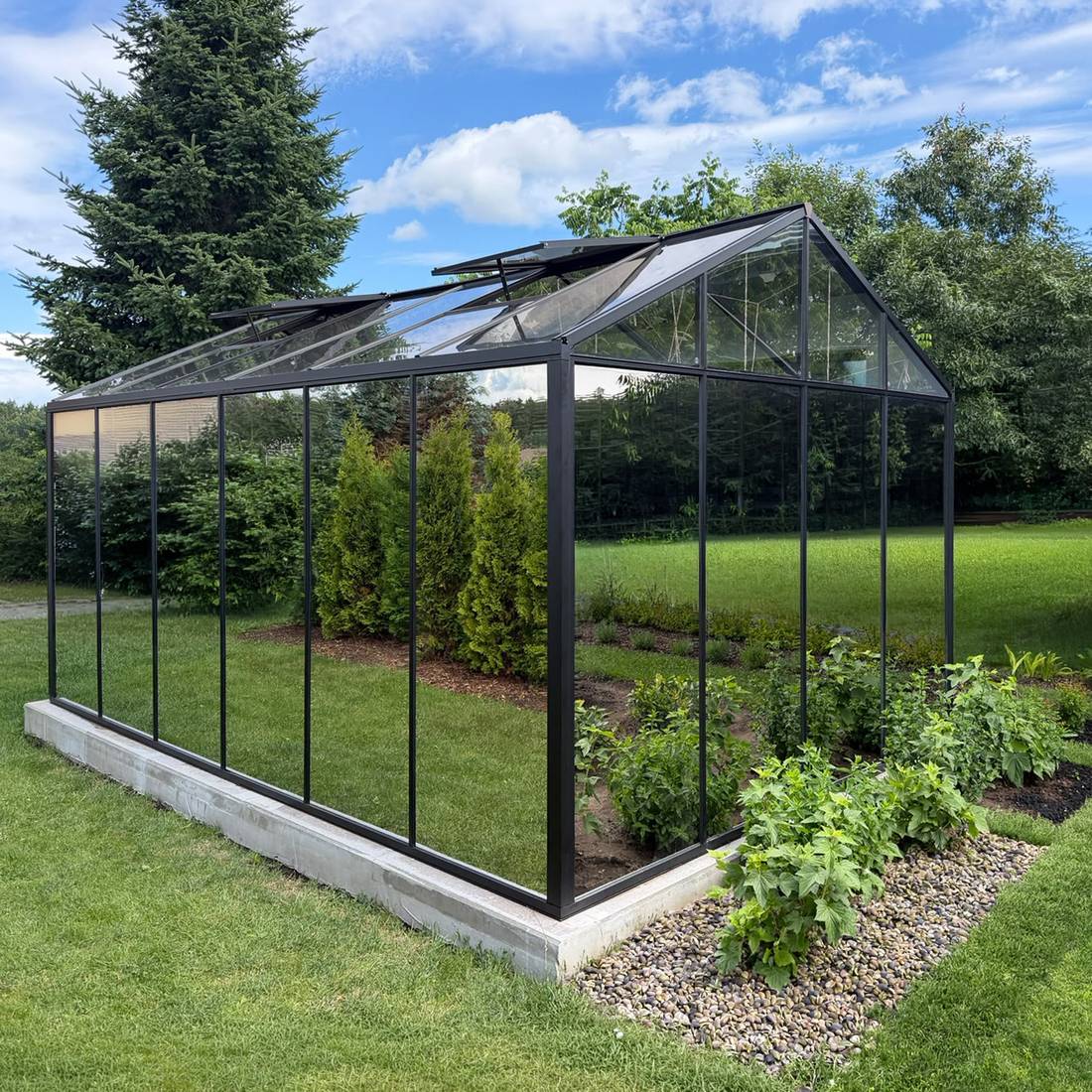
Information to gather before asking for a quote
Useful site information makes a quote more dependable. You do not need to complete the entire construction plan before the first enquiry, but try to establish these points:
- Product type and primary use: plant growing, sheltered seating, wellness use or a combined purpose.
- Available space: usable footprint, plus room for assembly, maintenance and access.
- Location: whether the structure will be freestanding or attached, plus orientation, shade, slope and existing surfaces.
- Access: road width, driveway, gates, tight turns, trees, overhead lines and distance to the unloading point.
- Ground conditions: natural ground, paving, deck, an existing slab or a new foundation.
- Preferred timing: a planning objective, not an unconfirmed delivery commitment.
- Installation approach: self-assembly, a local contractor or separately offered installation work.
- Budget: including transport, unloading, foundations, assembly and possible related work.
Include foundation planning early for a pergola. The pergola foundation guide covers the key planning issues. For a larger greenhouse project, an introduction to an orangery may help refine its use and style.
Questions to put to the supplier
A useful quote states both the supplied scope and the customer-arranged work. Resolve at least these questions before confirming the purchase:
- Which documents and drawings apply to this exact model?
- Which components and accessory lines does the quoted scope cover?
- What requirements apply to the foundation or fixing surface?
- Who arranges transport, unloading and movement within the property?
- What must be ready when delivery arrives?
- Is installation included, separately available or entirely the customer’s responsibility?
- Which checks and work must local professionals complete?
- How should visible transport damage be recorded and reported?
- Until when can changes be made, and what consequences may they have?
- What details will be needed for later parts or service enquiries?
Review the complete process in the ordering guide and purchase and delivery information .
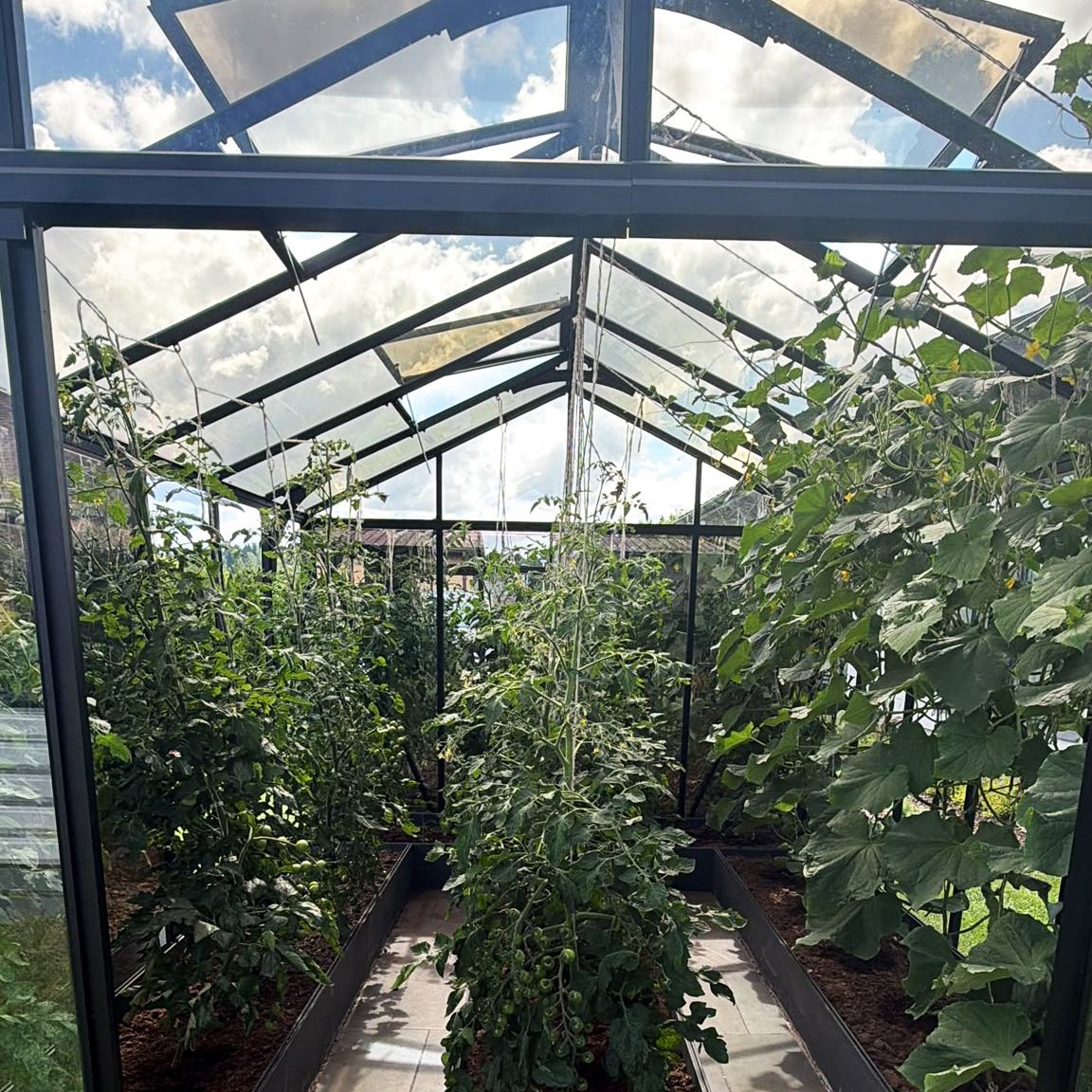
Planning to receive a manufacturer shipment
Treat receipt of large structural components as a planned site operation, not an ordinary parcel drop. Confirm that the route and unloading area are accessible and ready before dispatch. The shipment details and site conditions determine whether extra people, lifting equipment or other aids will be needed.
Assign an adult to oversee receipt. Compare the package count and visible condition with the delivery documents without spreading components into roads or shared access areas. Photograph labels, packaging and anything unusual, then record visible damage or shortages as directed and report them promptly through the specified channel.
A torn or crushed package does not by itself establish damage to the contents. It does justify a careful, well-documented inspection.
Keep delivered parts dry, secure and supported as the product instructions specify. Temporary storage should not allow long profiles to sag, glazing to stand insecurely or small fittings to become separated.
Local planning remains necessary for installation
The maker can explain how the product system is intended to fit together, but it cannot establish that a position on the property is structurally suitable without dependable site information. Soil, frost, drainage, walls, property limits and utility routes all require local review.
Canada does not apply one federal model building code directly to every project. The National Research Council advises checking with provincial or territorial officials to identify the codes and regulations in force. Resolve zoning, permits and property-specific questions with the municipality or other authority responsible for the site. Before ordering or building, ask about setbacks, height, lot coverage, drainage and heritage constraints. The article on whether a greenhouse or pergola needs a permit offers useful background questions; only the authority responsible for the site can confirm the route for that project.
For electrical equipment, water connections, heaters, stoves or flues, ask the authority having jurisdiction and qualified local trades to identify the permits, product approvals and installation steps for the destination. Verify that each electrical model is suitable for sale and installation at the destination before work is scheduled. Plan this early for an Elma S outdoor sauna, HC150 barrel sauna or other models in the sauna range.
How a direct product record helps with service
After installation, the construction project becomes a product in regular use. The original order record can help identify components and relate a question to the supplied configuration. A model name, precise component position and clear photos are more useful than a general phrase such as “the roof seal.”
The operator still needs routine visual inspections. Depending on the product, look at fasteners, drainage paths, moving parts, seals and finishes. Note small changes early so they can be investigated before they develop further. The Useful Information library provides broader care and ownership topics.
Situations where another purchasing route may work better
Direct supply will not suit every project. Consider a local turnkey provider when one party needs to coordinate measurements, earthwork, foundations, assembly and additional trades. Difficult access, steep grades, extensive connections or repeated design decisions on site can also favour locally managed delivery.
A showroom dealer may be the stronger choice when seeing unrelated manufacturers’ products side by side is essential. What matters is not minimizing the number of contracts, but defining the boundaries between them. Confusion among the supplier, excavation crew, installer and connection trades creates more risk than the chosen sales channel.
A direct-order planning checklist
- Write down the primary activity and structure category.
- Record site measurements, including clear working room around the build.
- Photograph the base area and every section of the delivery route.
- Evaluate models by the functions the project actually needs.
- Resolve base, drainage and anchoring details before the order.
- Ask the responsible authority about approvals, zoning and setbacks.
- Get a written list of supplied work and customer-arranged work.
- Plan the unload point, component movement and protected storage.
- Name the party responsible for assembly and each specialist trade.
- Check every line of the order confirmation before authorizing production.
- Create a photo record when the goods arrive and note visible differences.
- Archive the invoice, packing lists, instructions and correspondence.
Buyer experiences can reveal practical considerations, although each property still needs its own assessment. The greenhouse reviews page is one additional source to consult during technical research.
Common questions from direct buyers
Will a manufacturer-direct order necessarily cost less?
No. Removing a retail layer may affect the product price, but compare the entire project budget, including delivery, unloading, the foundation, installation, connections and local planning work. Quotes are comparable only when they cover equivalent responsibilities and deliverables.
Is assembly part of every manufacturer-direct sale?
No. Product supply and on-site assembly have separate scopes unless the written offer combines them. Ask whether installation is included, can be quoted separately or must be arranged locally, and assign responsibility for the foundation, anchoring and preparation.
Can the product team choose the exact position on my property?
It can provide model-specific site requirements, but final placement depends on local soil, grade, drainage, boundaries, shade, access and utility conditions. A designer or contractor familiar with the property may need to assess them.
How do I decide between a greenhouse and a pergola?
Choose a greenhouse when protected cultivation and control of the growing environment are the main goals. A pergola defines an outdoor area for people and can provide fixed or adjustable shelter. If the space must serve both gardening and leisure, rank the priorities for use, ventilation and comfort first.
Does attaching a structure to a wall simplify the project?
Not in every case. An attached design uses the building as one edge of the plan, so the wall construction, anchors, waterproofing, roof drainage, nearby openings and services must be considered. Where the wall is unsuitable, a freestanding design may be simpler.
What if I request a change after confirming the order?
Available changes depend on the agreed terms and how far processing or production has progressed. Contact the seller immediately and request written details of any effect on price, configuration or timing. Do not treat a verbal request as an accepted revision.
How should visibly damaged packaging be handled?
Take photos showing the complete delivery, identifying label and affected area. Record the visible condition according to the delivery instructions and notify the stated contact promptly. Retain the packaging, and handle or open packages carefully so the inspection does not create further damage.
Is a general building contractor suitable for greenhouse assembly?
Possibly, provided the contractor can follow the product instructions accurately and has relevant system experience. Confirm competence in base preparation, alignment, glazing and sealing before work is assigned, and supply the complete model-specific assembly documents.
What should I send with a later service request?
Provide the order or invoice reference, model name, purchase date, precise component position and a clear account of what you observed. Include sharp overview and detail photos. For a moving component, explain the sequence in which the issue appears, and avoid adjustments that could make the cause harder to diagnose.
Where does direct sourcing offer the most value?
Its strongest benefit is usually continuity rather than a single discount. Product selection, agreed options, records and future enquiries can all draw on one documented information source. That advantage depends on equally careful planning for the property, local requirements, delivery and installation.
