



COMPARE
Low-Maintenance Outdoor Structures: What Ownership Really Requires
Low maintenance does not mean maintenance-free. This practical guide explains how materials, access, foundations, installation and seasonal checks affect the work required to look after a greenhouse, pergola, garden building or outdoor sauna.
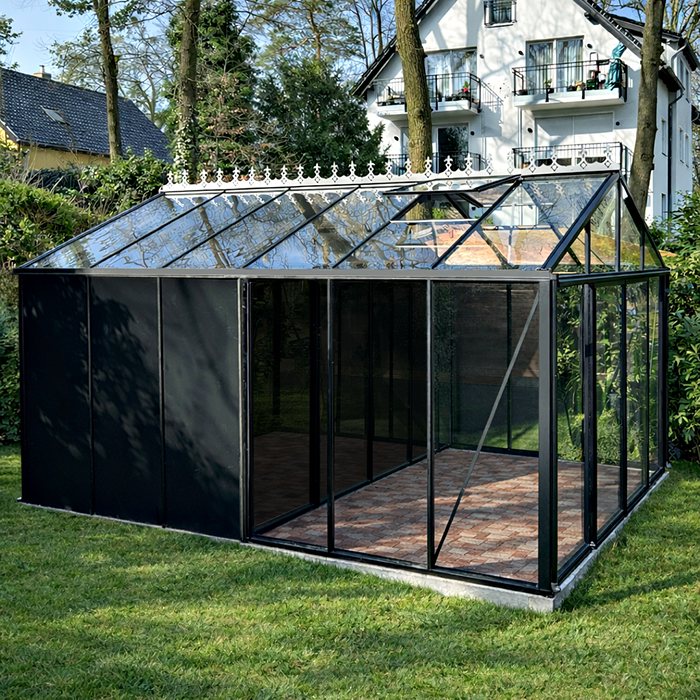
A well-chosen outdoor structure should give you more time to enjoy the garden, not create a long list of difficult jobs. However, “low maintenance” is often misunderstood. Every greenhouse, pergola, garden building and outdoor sauna needs some cleaning, inspection and preventative care. The important differences are how often the work is required, how easy it is to complete and what may happen if it is postponed.
This guide explains the practical ownership commitments to consider before buying. It covers materials, access, foundations, delivery, installation, water management and realistic maintenance routines for the UK climate.
What low maintenance actually means
A low-maintenance structure is one that can be kept clean, functional and presentable with straightforward, predictable tasks. It should not require frequent specialist treatment merely to withstand normal outdoor exposure. This does not mean that it can be installed and forgotten.
Rain, wind, airborne dirt, leaves, bird mess, algae and plant growth affect outdoor structures regardless of their material. Hinges, locks, vents, sliding components, gutters, seals and drainage routes may also need attention. Maintenance therefore has three parts:
- Cleaning: removing dirt, organic material and deposits before they obstruct drainage or become difficult to remove.
- Inspection: checking fixings, glazing, moving parts, seals, timber surfaces and contact points.
- Prevention: dealing with small issues before they cause water ingress, corrosion of unsuitable accessories, timber deterioration or impaired operation.
Ease of access matters as much as material. A compact structure squeezed between fences may use low-maintenance materials but still be awkward to clean. Conversely, a larger building with a clear route around it can be relatively simple to inspect.
Comparing common outdoor structure types
Different structures create different maintenance priorities. The following comparison is a starting point rather than a substitute for the instructions supplied with a particular model.
| Structure | Typical routine | Main ownership consideration |
|---|---|---|
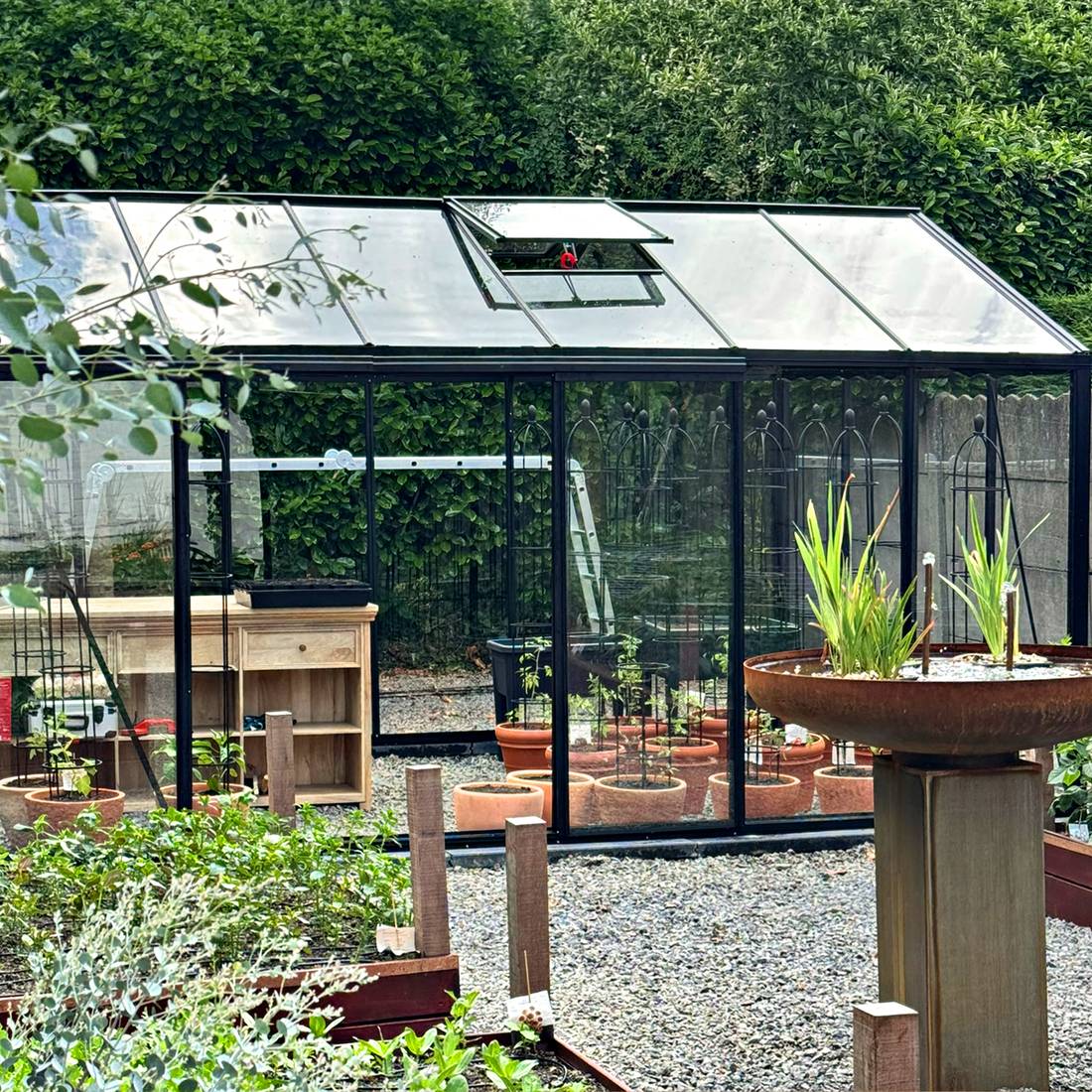
| Aluminium greenhouse | Clean the frame and glazing, clear gutters and tracks, and inspect vents, doors, seals and fixings. | Glazing creates a large cleaning area, while ventilation components must remain free to move. |
| Timber greenhouse or garden building | Clean surfaces, inspect joints and areas near the ground, and maintain the finish according to the timber and coating instructions. | Timber care varies significantly with species, treatment, finish, exposure and detailing. |
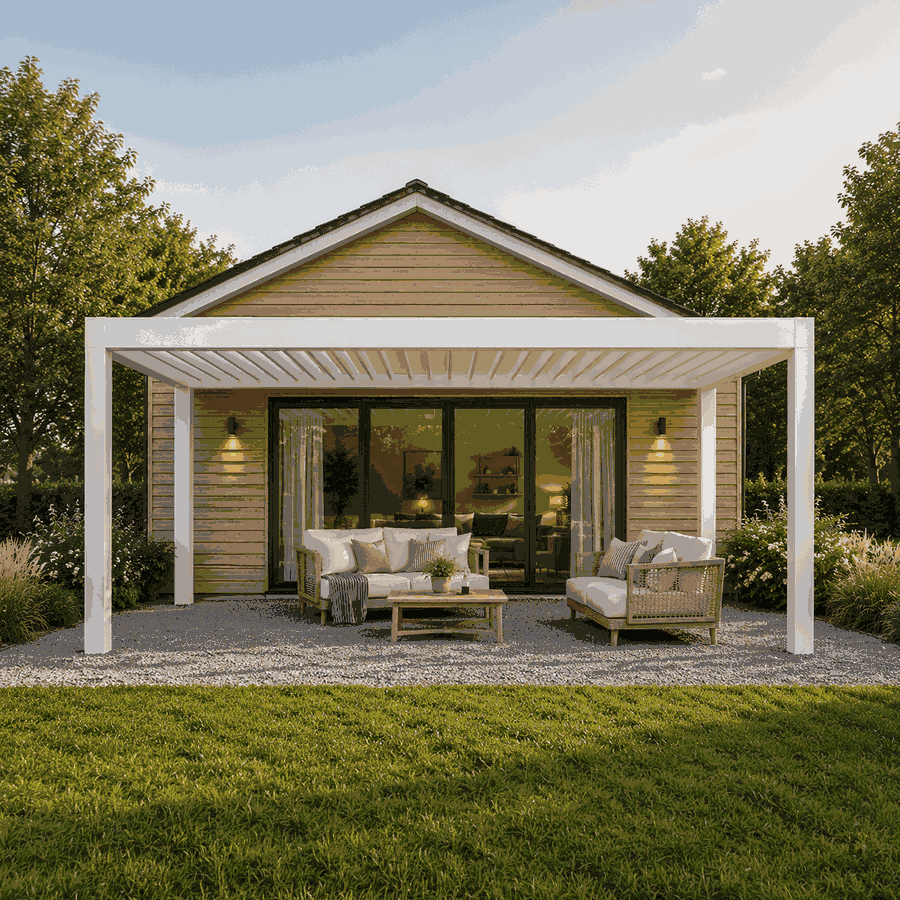
| Standard pergola | Wash the frame, clear leaves and inspect connections, drainage routes and the surrounding surface. | Rainwater must be able to leave the roof or canopy area and drain away from foundations. |
| Bioclimatic pergola | In addition to cleaning, inspect operable roof components and keep drainage channels unobstructed. | Moving elements require correct use and regular visual checks. |
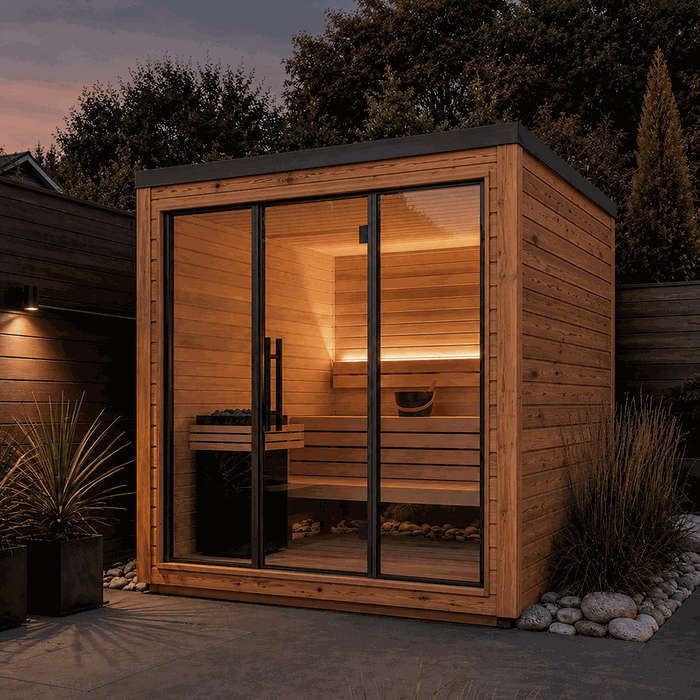
| Outdoor sauna | Follow the model instructions for exterior materials, ventilation, interior hygiene and installed equipment. | Heat, moisture and electrical equipment require model-specific care rather than generic garden-building advice. |
For a closer comparison, review information about wooden greenhouses and conservatories, alongside an example of an aluminium classic greenhouse. The distinction is not simply traditional versus modern appearance; it affects cleaning, finishing and long-term inspection routines. The overview of long-lasting, low-maintenance aluminium greenhouses provides further context.
Questions to answer before choosing a structure
How will you use it?
A greenhouse used for intensive year-round growing will experience more condensation, compost, spilled water and plant debris than one used for seasonal seedlings. A useful starting point is the UK greenhouse growing calendar. It helps to connect your intended crops with likely cleaning, ventilation and access needs.
A pergola used mainly for occasional dining has a different routine from one positioned under trees or used throughout the year. An outdoor sauna brings another set of requirements because hygiene, ventilation, heat and moisture must all be managed in accordance with its manual.
Can you reach every area that will need care?
Allow practical access to doors, gutters, vents, roof edges, drainage points and exterior glazing. Do not assume that a narrow gap will be sufficient simply because the structure physically fits. Consider where a ladder can be positioned safely, how glazing will be cleaned and whether a fence or hedge will block future work.
Small size alone does not guarantee easy ownership. The small greenhouse guide for UK gardens discusses placement and layout considerations that also influence maintenance access.
Does the material match your preferred care routine?
Choose according to the work you are genuinely willing to do. Aluminium is generally chosen where owners want a washable frame that does not need a decorative timber finish. Timber appeals to those who value its character and accept that finishes and exposed details may need periodic attention.
Not all timber performs or is maintained in the same way. Learn about the properties of Accoya wood, but always follow the care instructions for the actual material and finish supplied. The same principle applies to metal coatings, glazing and composite components.
Delivery planning is part of low-maintenance ownership
Good ownership begins before the components reach the garden. Confirm the delivery conditions, package handling requirements and route from the unloading point to the prepared site. Review the applicable terms of purchase and delivery rather than relying on assumptions about vehicle access or on-site movement.
- Measure gates, paths, corners and overhead restrictions.
- Identify steps, slopes, soft ground and narrow side passages.
- Provide a dry, secure place for components if installation is not immediate.
- Keep packages organised and protected as directed.
- Check delivered items using the supplied documentation before starting assembly.
Unplanned storage can expose packaging and components to standing water, impact or contamination. Moving long or glazed parts through an unsuitable route also increases the risk of damage. If access is unusual, discuss it before delivery rather than improvising when the vehicle arrives.
Installation decisions that affect future maintenance
Prepare the site first
The structure needs the foundation or supporting surface specified for its model. It should be correctly positioned, stable and suitable for the local ground conditions. Drainage around the structure is equally important: persistent standing water, splashing soil and saturated ground make cleaning harder and can affect surrounding materials.
Pergola planning should begin with the guidance on preparing a pergola foundation. Check applicable planning, building and local requirements before work begins, particularly where a structure is attached to a building or services are to be installed.
Use the model-specific sequence
Do not assemble from photographs of a similar structure. Profiles, fixings, bracing, glazing systems and drainage details may look alike while serving different functions. Read the complete manual before starting, identify the parts and follow the order provided. Avoid modifying or omitting components unless the manufacturer has confirmed the change.
Product type also affects the process. A glass greenhouse, a larger orangery-style greenhouse and an aluminium pergola should each be treated as a model-specific installation.
Check operation before loading the space
Once assembly is complete, check alignment and operation before bringing in furniture, staging, planters or equipment. Open and close doors, windows, vents or adjustable roof elements without forcing them. Confirm that gutters and outlets are clear and that water can drain away from the structure.
Resolve installation questions while every area remains accessible. Heavy planters, cabinets and fixed shelving can conceal fixings or obstruct later adjustments. Any electrical installation for heating, lighting or sauna equipment should be designed and carried out in accordance with applicable UK requirements by a suitably competent person.
A realistic maintenance schedule
Frequency depends on location, weather, nearby trees, coastal exposure, pollution and use. A visual check is more useful than an inflexible calendar, but the following framework helps establish a routine.
| When | Useful tasks |
|---|---|
| Regularly during use | Remove leaves, soil and plant debris; wipe spills; check that doors, vents and drainage routes operate freely. |
| At seasonal change | Clean accessible surfaces, inspect glazing and seals, check visible fixings and look for water collecting around the base. |
| After severe weather | Check for impact damage, displacement, blocked outlets, loose accessories and debris on or against the structure. |
| Before winter | Remove unnecessary loose items, clear drainage routes and follow the model instructions for roof, vents, doors and accessories. |
| Before intensive spring use | Clean growing surfaces and glazing, test ventilation and organise the interior without blocking access. |
The detailed aluminium greenhouse maintenance guidance and these greenhouse maintenance tips can support your own checklist. For seasonal growing preparation, see how to prepare an aluminium greenhouse for spring.
Cleaning principles for aluminium and glazing
Start with loose debris and use mild cleaning methods compatible with the supplied finish and glazing. Test any unfamiliar product on a small, inconspicuous area. Avoid abrasive tools, aggressive chemicals and hard scraping that could damage coatings, seals or glazing. Rinse away residues and prevent dirty water from entering channels that are difficult to clear.
Never stand on glazing or an unsupported roof. Use safe access equipment from stable ground. High-pressure washing is not a default cleaning method because concentrated water can damage seals, finishes or joints and force water into places it would not normally reach.
Wood requires a different mindset
Timber owners should expect to inspect the finish, end grain, joints, lower edges and areas where moisture or debris can remain. The necessary treatment depends on the species, factory finish, local exposure and manufacturer’s instructions. Do not apply a generic oil, stain or paint without checking compatibility.
Timber outdoor living spaces can be attractive and durable when their details remain clean and dry. The feature on a wooden garden terrace illustrates how material choice forms part of the wider ownership decision.
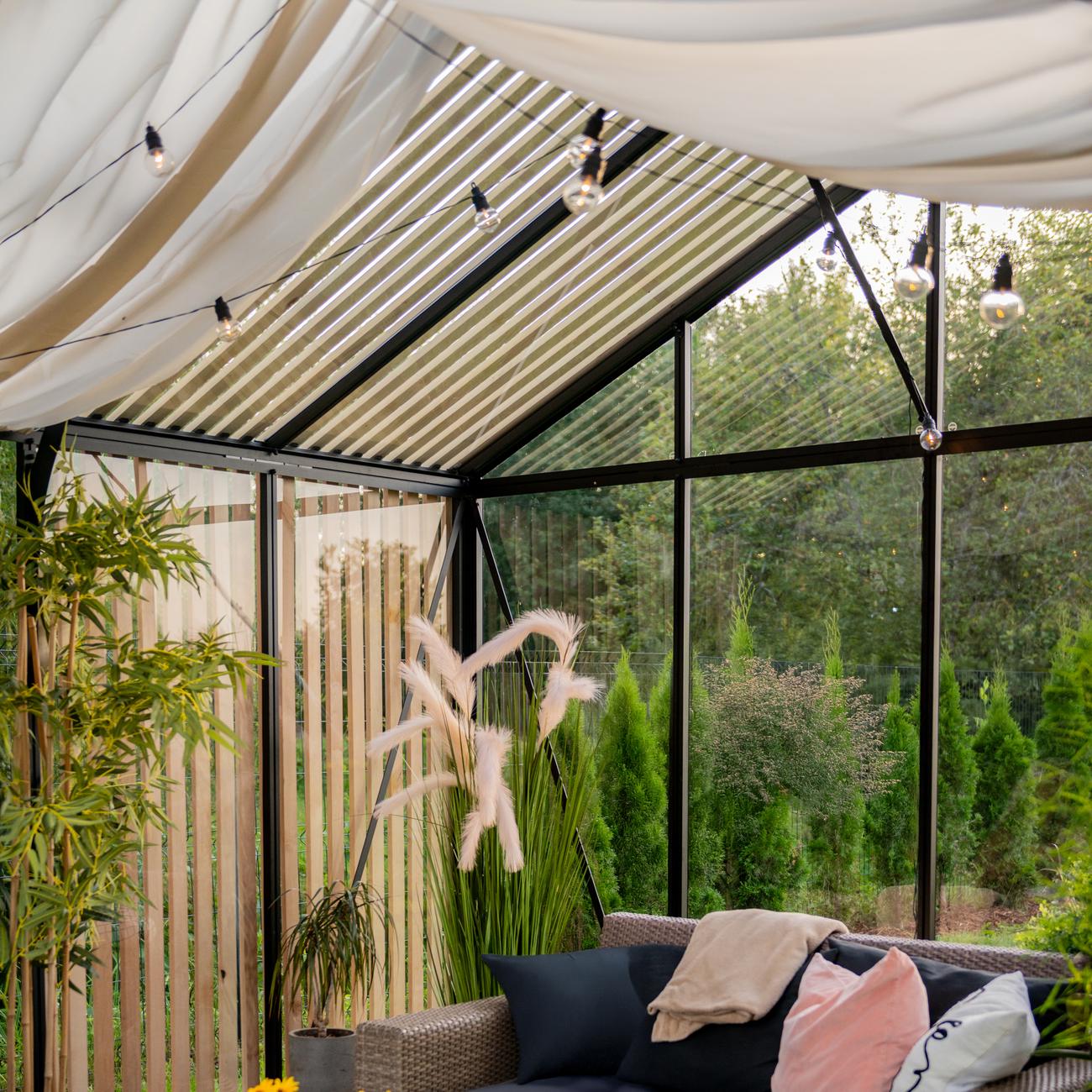
Pergola ownership: simple care, important water management
Pergolas often have fewer enclosed surfaces than greenhouses, but drainage remains central to easy ownership. Leaves and dirt can obstruct channels and outlets, particularly beneath trees. Check where water should enter, travel and discharge, then keep that route clear without inserting tools that may damage internal components.
Before choosing, compare wall-mounted and freestanding pergolas, check the available aluminium pergola dimensions and understand the difference between a bioclimatic and standard pergola. The UK bioclimatic pergola guide provides additional planning context.
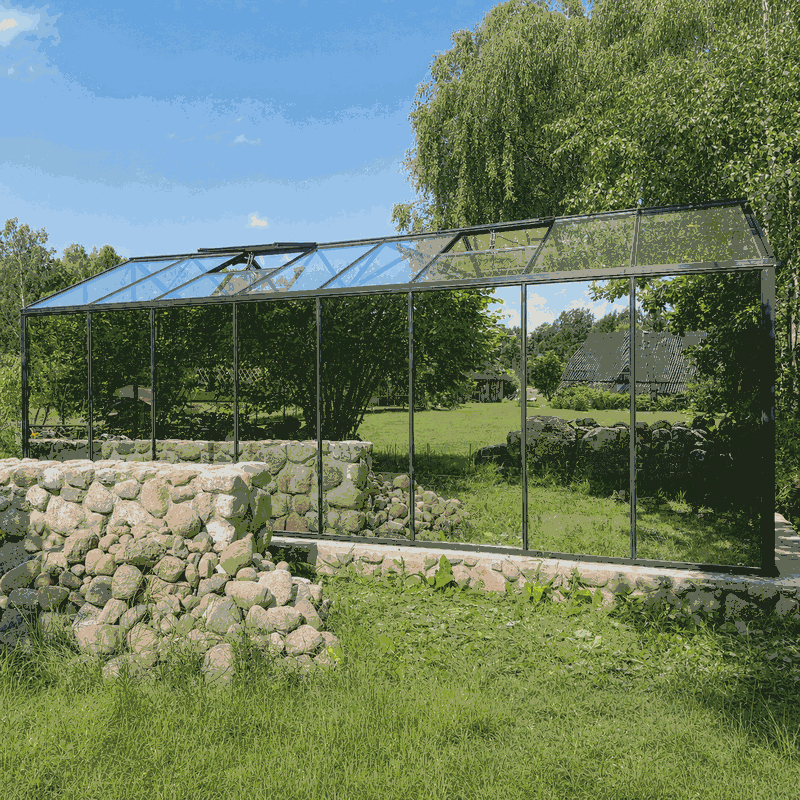
Manuals, records and support
Keep the assembly manual, parts list, order details and photographs of the completed installation together. Record any approved accessories or later alterations. Photographs of concealed foundation work and service routes can be especially useful before surfaces or planting hide them.
Read the applicable warranty information so that care, installation and reporting requirements are understood from the outset. The wider useful information library covers ordering and product guidance, while the contact page should be used when a model-specific question cannot be answered from your documents.
Low-maintenance buying checklist
- Define the structure’s main use and likely frequency of use.
- Choose a material whose care routine suits you.
- Leave safe access to glazing, gutters, doors, vents and roof edges.
- Confirm foundation and drainage requirements before ordering.
- Plan the complete delivery route to the site.
- Check whether the design is freestanding or attached.
- Identify nearby trees, hedges and sources of debris.
- Read the assembly and maintenance information for the exact model.
- Check applicable local planning and building requirements.
- Plan electrical or heating services before the interior is occupied.
- Keep records and photographs of installation work.
- Compare suitable greenhouses and conservatories or summer houses based on ownership needs, not appearance alone.
Frequently asked questions
Does an aluminium greenhouse require no maintenance?
No. Aluminium removes the need for the type of decorative finishing commonly associated with timber, but the structure still needs cleaning and inspection. Glazing, gutters, door tracks, vents, seals and visible fixings should be kept clean and checked. Plant debris and soil should not be allowed to accumulate around the frame or drainage routes.
Is a small greenhouse always easier to maintain?
Not necessarily. It has less surface area, but a cramped position can make exterior glazing, gutters and roof edges difficult to reach. A small interior can also become cluttered quickly. Good access and an organised layout may have more effect on maintenance effort than footprint alone.
Which is lower maintenance: an aluminium greenhouse or a wooden garden house?
They are not direct substitutes, but aluminium normally avoids periodic timber finishing. A wooden building may require more attention to coatings, joints and areas exposed to persistent moisture. Actual effort depends on the timber, finish, design, setting and use, so compare the specified care instructions rather than relying on material labels alone.
Can I pressure-wash an outdoor structure?
Only if the model-specific instructions expressly allow it and provide an appropriate method. High-pressure water can damage coatings, glazing seals, timber fibres and moving components. It may also drive water into joints. Gentle washing with compatible products is generally the safer starting point.
What should I inspect after severe weather?
From a safe position, look for displaced or damaged glazing, loose external items, debris, blocked drainage, unusual movement and water collecting around the base. Check doors and vents without forcing them. Do not climb onto the roof. Isolate unsafe areas and seek appropriate support if damage is suspected.
Can plants grow directly against a greenhouse or garden building?
It is better to retain inspection and cleaning access. Dense planting can hold moisture, block ventilation, conceal damage and press branches against glazing or finishes. Roots and irrigation can also affect the surrounding ground. Plan a manageable gap based on the mature size of the plants, not their size when planted.
Should I choose a wall-mounted or freestanding design?
A wall-mounted structure may make efficient use of space, but the host wall, connection details, drainage and applicable permissions need careful consideration. A freestanding structure provides access on all sides if the site allows it. Neither is automatically lower maintenance; suitability depends on location and installation quality.
Can I add shelves, heaters, lights or hanging accessories later?
Possibly, but do not assume that every frame member is suitable for drilling, loading or electrical attachment. Use compatible accessories and follow the model instructions. Confirm support points before fixing shelves or hanging items. Heating and lighting must suit the environment and comply with applicable UK electrical requirements.
How much time should I budget for annual care?
There is no reliable universal figure. A sheltered, accessible structure away from trees may need less attention than one exposed to leaves, salt, traffic deposits or heavy growing use. Budget for brief regular checks, seasonal cleaning and additional inspection after severe weather rather than one large annual task.
How do I make ownership easier from the first day?
Prepare a suitable foundation, manage drainage, preserve access around the structure and follow the correct assembly sequence. Keep the manual and order records, avoid unapproved modifications and clean small deposits before they become stubborn. Above all, choose a design and material that match how you intend to use the space and the care you are prepared to provide.
