



PROCESS
Production and Delivery Lead Times Explained
A practical guide to the complete Bloomcabin order timeline, from configuration and production to delivery, installation and final setup. Learn what lead time covers, what may affect it and how to keep your project moving.
Understanding the complete order timeline
Ordering an aluminium greenhouse, orangery or pergola involves more than choosing a product and waiting for a delivery vehicle. The complete project usually includes product selection, confirmation of the configuration, production, transport, unloading, site installation and final setup. Each stage depends on different people and different practical conditions.
A quoted production lead time is therefore only one part of the overall programme. It should not automatically be treated as a delivery date, installation date or date on which the structure will be ready to use. For reliable planning, keep these milestones separate and allow sensible time between them.
Before ordering, review the current Terms of Purchase & Delivery and the practical How to order guide. These explain the applicable purchasing process. Any dates or estimates provided specifically for your order take priority over general planning guidance on this page.
The five main phases of a Bloomcabin project
| Phase | What it involves | What the customer should check |
|---|---|---|
| 1. Selection and quotation | Choosing the product family, size, finish, layout and available options. | Dimensions, intended use, access, location and budget. |
| 2. Order confirmation | Checking that the agreed configuration and order information are complete. | Names, contact details, delivery address and all configuration choices. |
| 3. Production | Planning and manufacturing the confirmed structure and its components. | Avoid requesting late changes and continue preparing the site. |
| 4. Dispatch and delivery | Preparing the completed order for transport and moving it to the agreed destination. | Vehicle access, unloading arrangements, storage space and a responsible recipient. |
| 5. Installation and setup | Assembling the structure on the prepared base, followed by checks and intended-use setup. | Foundation readiness, installer availability and coordination with other trades. |
These phases often involve dependencies. Production cannot be planned efficiently when important choices remain open. Installation cannot begin safely merely because the components have arrived; the correct base, access and labour must also be ready.
What does production lead time mean?
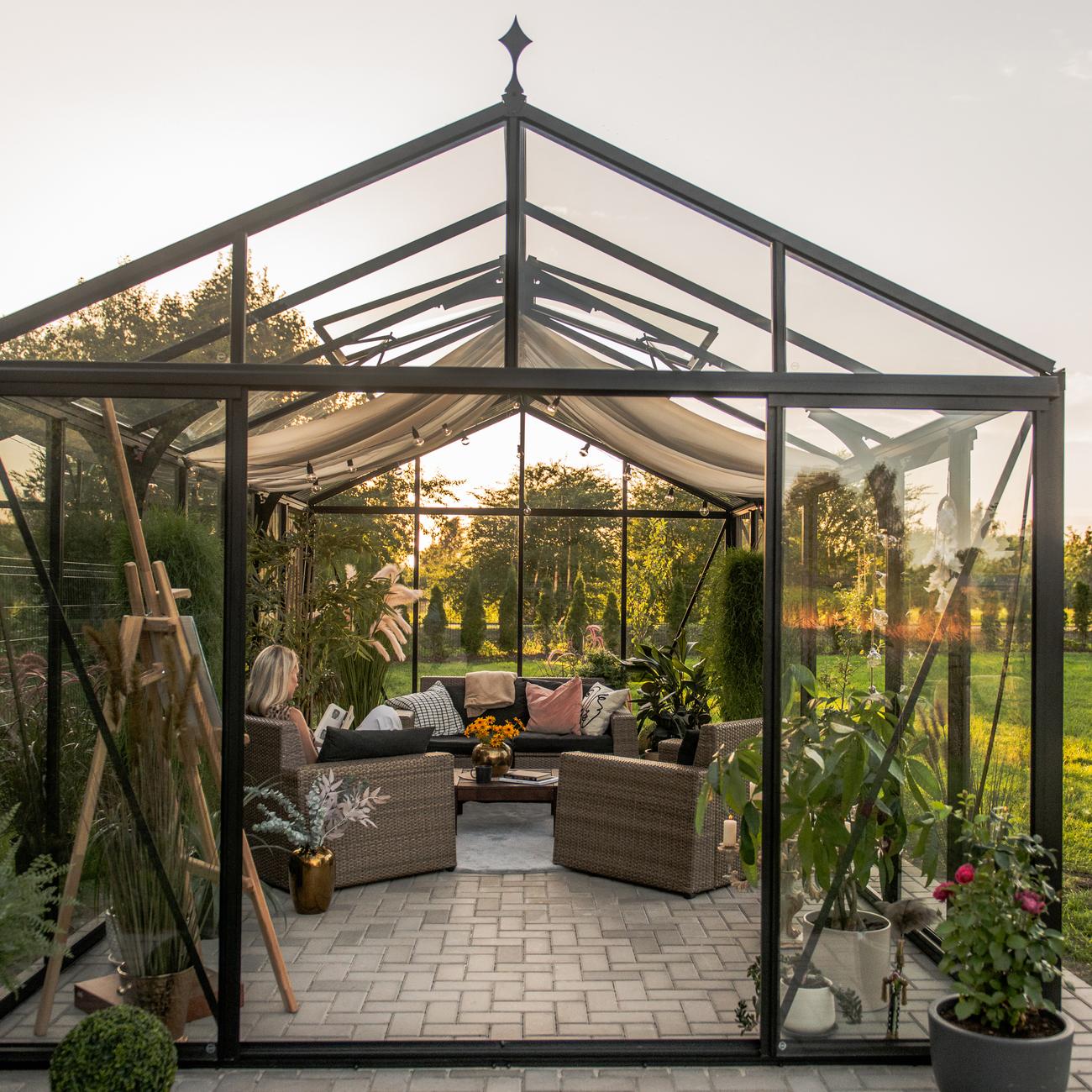
Production lead time is the estimated period required to process and manufacture a confirmed order before it is ready for dispatch. It does not normally mean the total number of days from an initial enquiry to a completed garden structure.
The starting point must be understood in the context of the individual order. An enquiry, draft quotation or unconfirmed selection is not necessarily a production instruction. Production can be scheduled only after the required order steps have been completed and the relevant configuration information has been accepted. Consult your order confirmation rather than assuming that the clock started when you first contacted Bloomcabin.
Lead times are planning estimates unless the order documentation explicitly states otherwise. They help customers organise foundations, access and installers, but they should not be used as the sole basis for inflexible arrangements such as non-refundable contractor bookings or events that depend on a particular completion day.
What can affect the production schedule?
Product family and configuration
Different structures do not necessarily follow identical production routes. A straightforward aluminium classic greenhouse, a larger Bloomcabin orangery and a bioclimatic aluminium pergola may involve different components and planning considerations.
Size, finish, glazing choice, doors, ventilation and other selected elements may also affect the order workflow. Product selection should be completed carefully rather than based on the expectation that every variation can be supplied to the same timetable.
Completeness of the order information
Missing or contradictory information can prevent an order from moving cleanly into production. Check the delivery address, telephone number, chosen model, size, colour or finish, opening positions and all recorded options. If a wall-connected structure is being considered, review the distinction between a wall-mounted or freestanding pergola before confirming the configuration.
Changes after confirmation
A change that appears small to the customer may affect drawings, material allocation, component preparation, packaging or production sequencing. It may also cease to be possible once work has progressed. Submit any requested amendment promptly and wait for written confirmation of whether it can be accepted and whether the anticipated schedule changes.
Do not assume that an email requesting a change has automatically revised the order. The applicable cancellation and amendment position should be checked in the Return and Cancellation Policy and your individual order documents.
Production demand and seasonal activity
Demand for garden structures is not uniform throughout the year. Periods when many households prepare for spring growing or summer outdoor use may generate higher order volumes. Ordering early provides more room for design decisions, site work and transport coordination. It does not, however, remove the need to rely on the estimate supplied for the actual order.
Exceptional interruptions
Unusual events affecting materials, production, transport networks, weather or access can alter an expected programme. When planning a wider landscaping project, include contingency rather than arranging every trade to arrive on consecutive days. A small buffer can prevent one changed milestone from disrupting the entire project.
Production time and delivery time are different
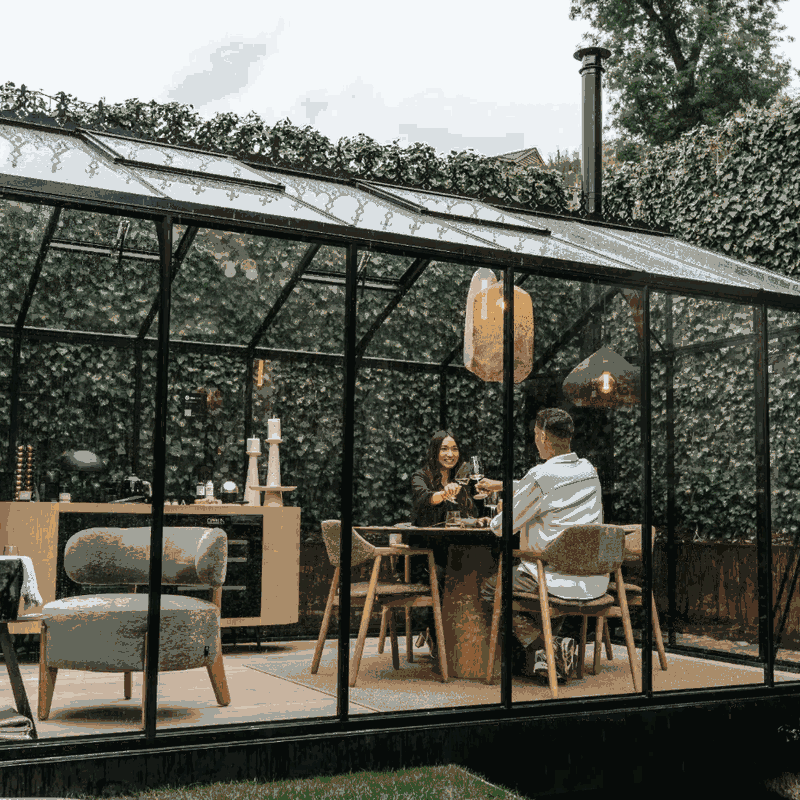
Production ends when the order has been manufactured and made ready for dispatch. Delivery then concerns transport from the dispatch point to the agreed destination. The two periods should be recorded separately in your project plan.
- Estimated production completion: when manufacturing is expected to finish.
- Estimated dispatch: when the packaged order is expected to leave.
- Transport period: the time required to reach the delivery area.
- Delivery appointment or notice: the practical communication used to coordinate receipt, where applicable.
- Installation date: a separate arrangement dependent on site and installer readiness.
Dispatch is not arrival. Arrival is not installation. Installation is not necessarily final setup. Keeping this language precise is particularly important when a landscaper, base contractor and assembly team are all involved.
How product selection affects planning
Choose the structure before finalising the programme for its base. For example, the Premium Classic Plus 384 glass greenhouse, an aluminium limited edition greenhouse and the Prestige greenhouse with metallic base should each be planned from the information applicable to that model, not from a generic greenhouse footprint.
The same principle applies to outdoor living structures. Compare a conventional Bloomcabin pergola with the guidance on a bioclimatic versus standard pergola. The intended roof arrangement, position and relationship with the building influence site preparation and contractor coordination.
Design inspiration can be useful, including guidance to Victorian-style greenhouse design or the orangery and greenhouse comparison, but visual preference should be followed by a technical check of the chosen product and site.
Planning backward from a preferred completion period
If you want the structure ready for a season, growing plan or family occasion, work backwards from a preferred completion period rather than a single immovable day. Begin with the point at which the installed structure needs to be checked and usable, then allow for installation, delivery, transport, production, order confirmation and product selection.
- Define a realistic completion window.
- Allow time after installation for checks, cleaning and internal setup.
- Discuss installer availability without committing solely on an early estimate.
- Allow for receipt, inspection and secure storage of delivered components.
- Use the order-specific production and dispatch information.
- Complete configuration decisions and ordering requirements promptly.
- Build in contingency for weather, groundworks and coordination.
For greenhouse growing, crop timing can inform the preferred period. The guides to growing lettuce in a greenhouse and managing greenhouse temperature and humidity can help with later use, but plants should not be ordered on the assumption that an estimated dispatch date is a completed-installation date.
Site preparation during production
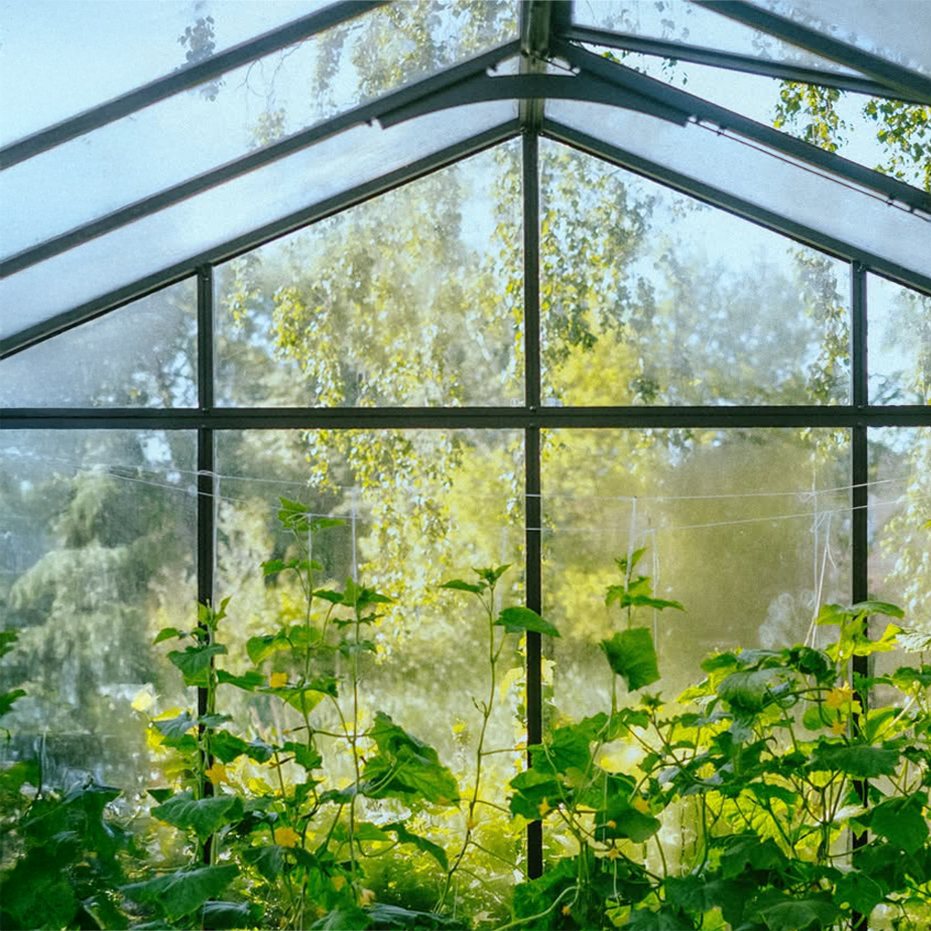
The production period is the best time to progress work that does not depend on the delivered components. Confirm the exact location, clear vegetation and obstructions, investigate access and arrange the appropriate foundation. Use dimensions and technical information for the ordered configuration rather than measurements taken from a photograph or another installation.
For pergolas, consult the guidance on how to prepare a foundation for a pergola and check the relevant aluminium pergola dimensions. Ground conditions and local requirements vary, so an appropriate local professional should assess anything outside the supplied product information.
- Confirm boundaries, underground services and overhead obstructions.
- Check whether the site can be reached by the expected delivery vehicle.
- Create a level, stable and correctly positioned base suitable for the ordered structure.
- Provide drainage so that water does not collect around the completed installation.
- Keep a dry, secure area available if components cannot be installed immediately.
- Check applicable planning, building, property and neighbourhood restrictions locally.
The UK planning position depends on the property, location and proposed work. The greenhouse and pergola planning overview is a useful starting point, but the customer remains responsible for confirming the requirements that apply to the site.
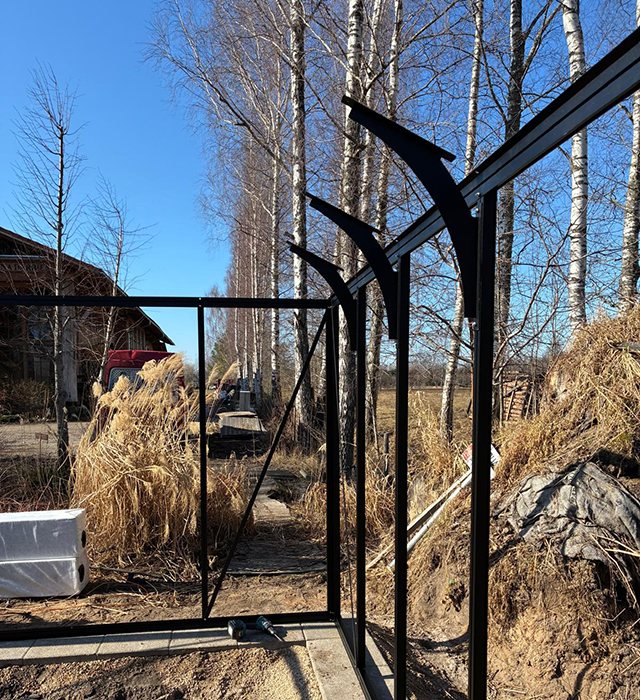
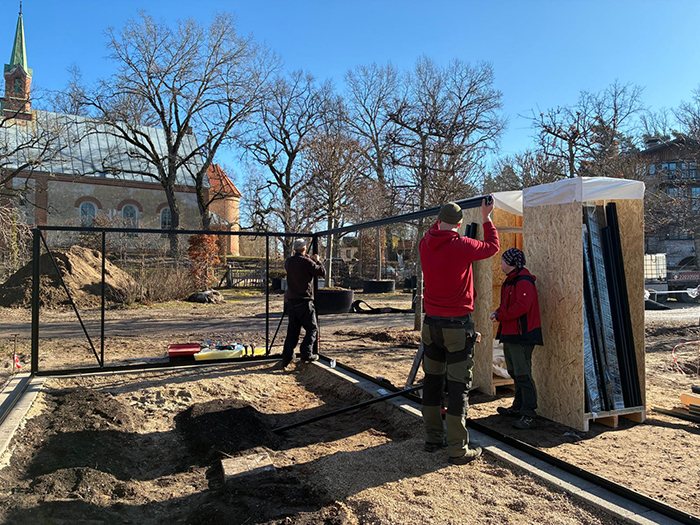
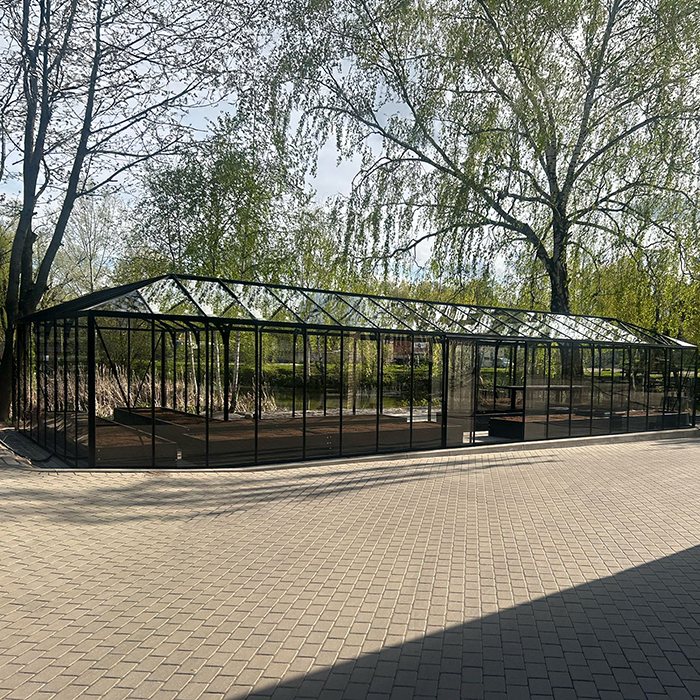
Anna Koku Skola: one installation sequence
The Anna Koku Skola images associated with this guide document one real installation sequence. They should be read as consecutive stages of the same project, not as examples taken from unrelated sites. The sequence illustrates an important planning point: a finished structure is the outcome of connected steps.
Site readiness comes first, followed by organised handling of the delivered parts, assembly of the main structure, installation of the remaining elements and completion checks. Progress at each stage depends on what has already been prepared. Even when production and transport proceed as expected, an unsuitable base, restricted access or missing installation resources can delay the point at which the structure is usable.
The sequence is illustrative rather than a promise of installation duration. Site conditions, product configuration, working methods, weather and installer arrangements differ between projects.
Delivery readiness checklist
- Address: confirm the delivery location and postcode shown on the order.
- Contact: ensure the nominated recipient can be reached.
- Access: identify narrow roads, gates, parked vehicles, low branches and restricted turning space.
- Unloading: understand who must be present and what arrangements apply to the order.
- Storage: prepare a secure, suitable area for components awaiting assembly.
- Site: keep the delivery route and installation area clear.
- Documents: have the order details available when checking the shipment.
- Installer: provide updates, but avoid treating an unconfirmed estimate as a fixed appointment.
If access is unusual or has changed since ordering, contact Bloomcabin before dispatch through the contact page. Early information is more useful than discovering an obstruction when the shipment is at the property.
What to do when the shipment arrives
Receive the order methodically. Follow the delivery instructions applicable to the shipment, inspect the external condition and compare the delivered packages with the available documentation. Record any visible concern promptly and accurately. Photographs of packaging, labels and the affected area can help establish what was observed at receipt.
Do not discard packaging or move potentially affected parts into installation before following the reporting instructions. Equally, do not assume that every separate component can be identified by appearance alone. Large structures may be packed in several groups intended for a coordinated assembly sequence.
If installation will not begin immediately, protect the shipment from unauthorised access, impact and unsuitable storage conditions. The delivery area should not block public access, neighbouring property or contractors who still need to finish the base.
Coordinating installers and other contractors
Give contractors a planning window and update it as the order moves through confirmed milestones. A foundation contractor may need product-specific information before starting, while the assembly team should know when the base has been completed and when all components are physically on site.
Do not book an installer solely from an indicative production-completion or dispatch estimate. A safer approach is to discuss provisional availability, then confirm the working date when delivery and site readiness are sufficiently certain. If electrical work, drainage, paving or building connections are required, use suitably competent local contractors and check the requirements applicable to the property.
For roof and weather-use expectations, the article asking whether louvred pergolas are worthwhile can support early discussions. These decisions are easier to coordinate before surrounding landscaping has been completed.
How to reduce avoidable delays
- Choose the correct model and configuration before confirming the order.
- Read the quotation and order confirmation carefully.
- Reply promptly when clarification is requested.
- Avoid late configuration changes.
- Prepare the site from product-specific information.
- Resolve permissions and local restrictions early.
- Report unusual delivery access before dispatch.
- Keep flexible contractor arrangements until key milestones are confirmed.
- Inspect the shipment according to the applicable instructions.
- Allow contingency between delivery, installation and intended use.
Customer experiences can help with product choice, and Bloomcabin provides greenhouse reviews. Reviews do not, however, establish the timetable for a new order. Different products, configurations, seasons and destinations can produce different schedules.
After installation: timing for setup and maintenance
After assembly, inspect the completed structure and follow the relevant operating and care guidance before filling it with furniture, staging or plants. Keep drainage routes and moving elements clear, remove assembly debris and address any installation queries promptly.
Greenhouse owners should read the guidance on maintenance of an aluminium greenhouse. Those using polycarbonate should also understand the material principles in the greenhouse polycarbonate guide. Retain order documents and consult the applicable warranty information.
Frequently asked questions
Does lead time include delivery?
Not necessarily. Production lead time generally concerns the period before the order is ready for dispatch. Transport and delivery should be treated as separate stages unless your order-specific documentation clearly combines them.
When does production begin?
The relevant starting point depends on completion and acceptance of the required order steps. Do not calculate it from the first enquiry or an early quotation. Check the confirmed order information supplied to you.
Can Bloomcabin guarantee installation by my preferred date?
A preferred date can guide planning, but production, transport, site preparation and installation are separate dependencies. Do not assume a completion guarantee unless one is explicitly included in your order documentation.
Should I prepare the foundation before ordering?
You may investigate the location, ground and contractor availability beforehand, but final foundation work should use information for the confirmed product and configuration. Building too early from assumed dimensions can create costly corrections.
Can I change my configuration after placing the order?
Request the change immediately, but do not assume it is possible. Production progress may limit amendments, and an accepted change may affect price or schedule. Wait for written confirmation.
Can I book my installer using the estimated dispatch date?
Use it for provisional discussion, not as proof that the complete order will be delivered and ready for assembly that day. Confirm the installer when transport, receipt and site readiness are sufficiently clear.
What happens if my site is not ready when the product arrives?
Installation may need to be postponed, and suitable secure storage may be required. Any resulting arrangements or costs depend on the circumstances and applicable terms. This is why base and access work should be monitored during production.
What if I see damage at delivery?
Follow the delivery instructions, record the condition clearly and report it promptly through the stated channel. Retain packaging and supporting photographs until advised about the next steps.
Are all greenhouse models produced on the same schedule?
No general assumption should be made. Model family, configuration, selected components and current production demand can differ. Use the estimate for your confirmed order.
Does seasonal demand affect when I should order?
It can affect general production activity, while weather and contractor demand can also influence site work. Ordering with adequate planning time is preferable to relying on a last-minute date before spring or summer.
Can customer reviews tell me how long my order will take?
Reviews describe individual experiences and may help you assess products or service. They cannot predict the schedule for a different configuration, destination or ordering period.
Who is responsible for local site requirements?
The customer must check the requirements applicable to the property and proposed installation. These may concern permissions, boundaries, ground conditions, services, drainage or connections. Seek local professional advice where needed.
Final planning advice
Treat the project as a chain of confirmed milestones: choose carefully, complete the order information, prepare the site during production, distinguish dispatch from delivery, inspect the shipment and coordinate installation only when the necessary dependencies are ready.
Keep contingency in the programme and base decisions on your own order documentation rather than another customer's timeline. For further purchasing and ownership guidance, visit the Useful Information library or explore the full range of greenhouses and conservatories.
