



COMPARE
Long-Term Cost of Ownership: Why Durability Matters
The lowest purchase price does not necessarily deliver the lowest lifetime cost. This practical guide explains how durability, installation, maintenance and repairability affect the long-term value of a greenhouse or pergola.
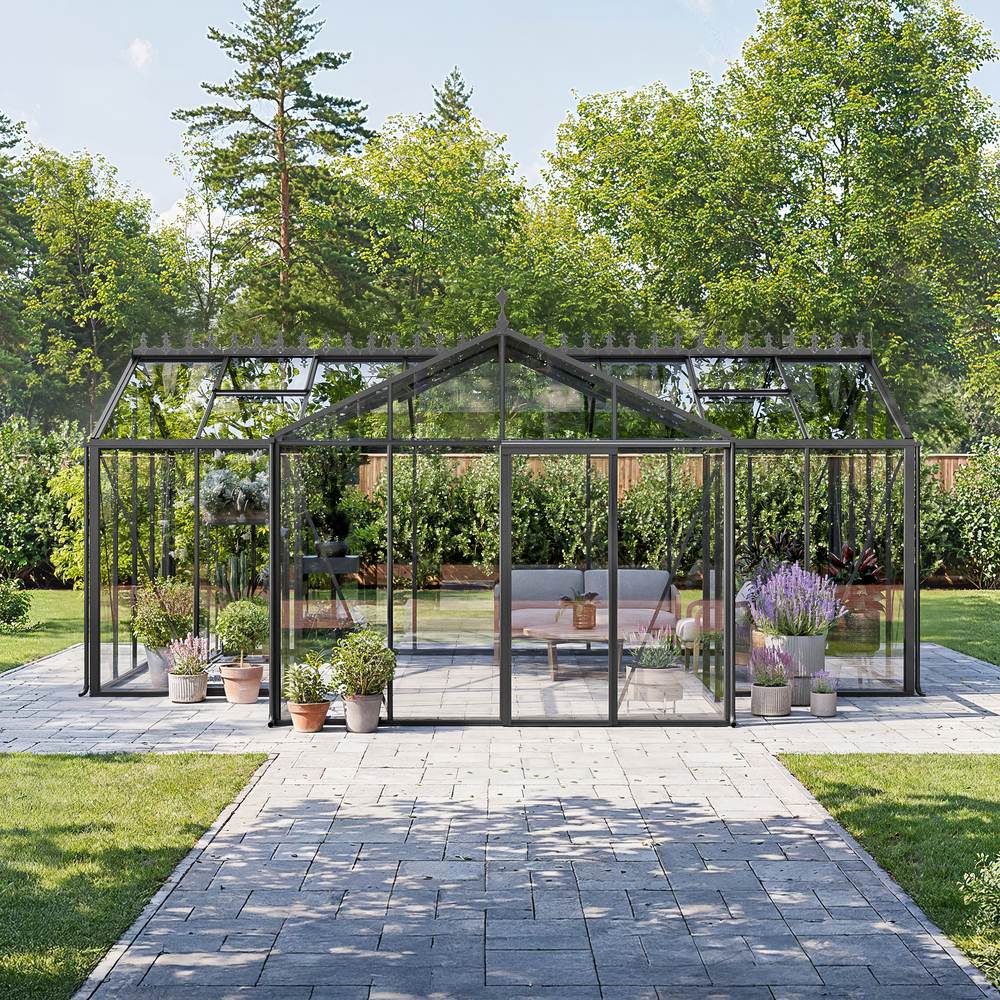
A greenhouse, orangery or pergola is a long-term addition to a property. Its real cost is therefore not simply the amount shown on the initial quotation. Foundations, delivery, assembly, maintenance, repairs and the length of useful service all influence whether the structure ultimately represents good value.
Durability matters because it reduces disruption as well as expenditure. A structure that remains stable, functional and straightforward to maintain can provide more years of dependable use without repeated major work. However, durability is not a single product feature. It is the combined result of appropriate materials, sound design, suitable foundations, careful installation and ongoing care.
Purchase price is not the same as long-term cost
A lower-priced structure may be perfectly suitable for a modest requirement, but it should not automatically be described as the least expensive option. If it needs more frequent surface treatment, replacement panels, foundation corrections or difficult-to-source components, the saving can diminish over time.
The opposite assumption can also be misleading. A more expensive model is not necessarily better value if its size, roof form or maintenance needs are poorly matched to the property. Long-term value comes from selecting a structure that can be installed correctly and used as intended.
Begin with the expected purpose. A seasonal growing space has different priorities from an extensively used Bloomcabin orangery, while an open seating area may require a different assessment from a roofed Bloomcabin pergola. Compare each option against the same realistic use case.
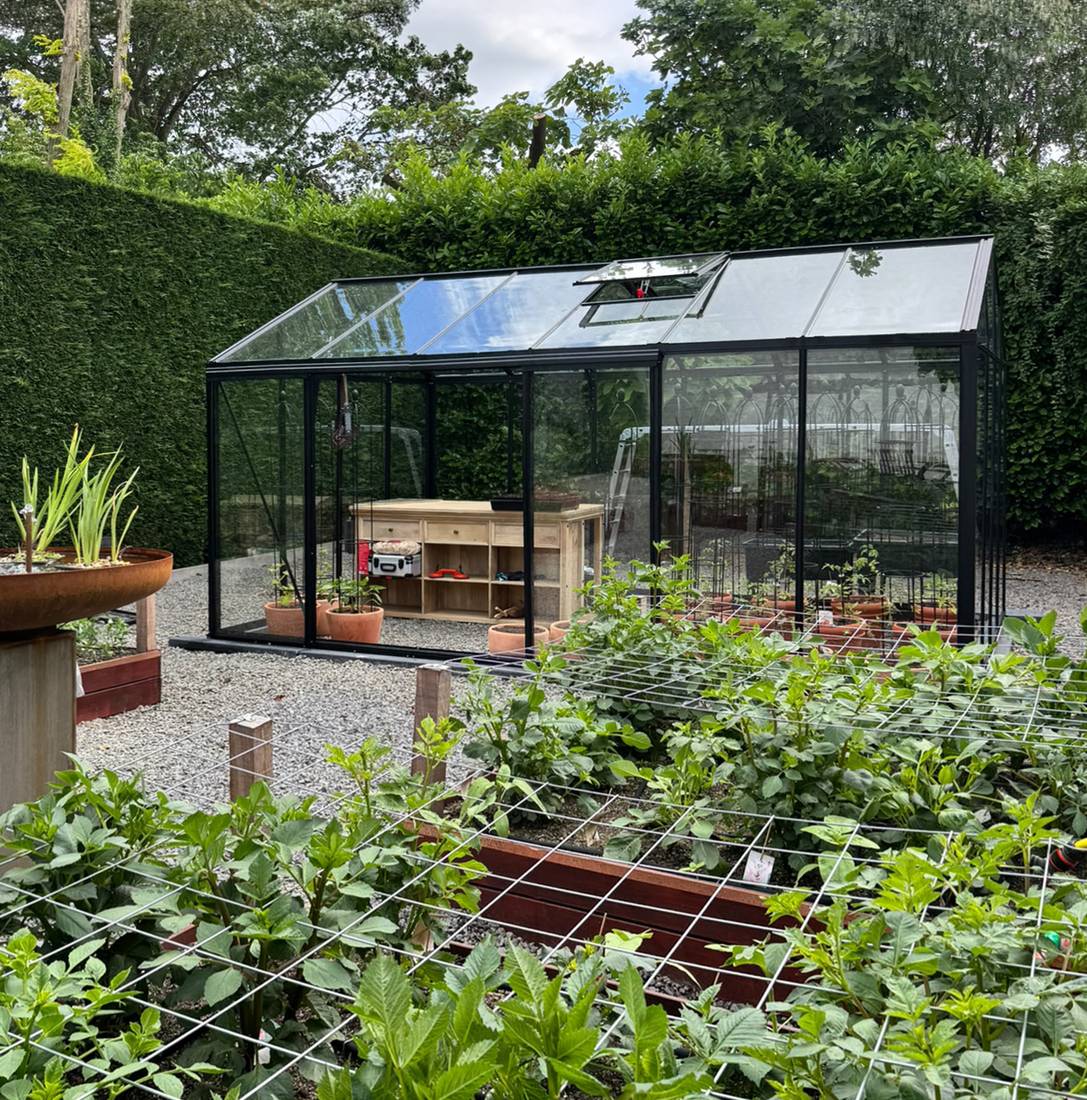
What belongs in a total cost of ownership calculation?
Total cost of ownership, often shortened to TCO, is a structured estimate rather than a promise of an exact future figure. It should cover all reasonably foreseeable costs over a chosen comparison period.
| Cost area | Items to consider | Questions to ask |
|---|---|---|
| Purchase | Structure, glazing, doors, vents, base and selected accessories | Are all essential components included? |
| Site preparation | Surveying, clearance, excavation, drainage and foundations | Is the quotation based on actual ground conditions? |
| Delivery | Transport, unloading arrangements, access and safe storage | Who is responsible at each stage? |
| Installation | Labour, equipment, fixings and specialist trades where needed | Does the installer understand the specified system? |
| Routine care | Cleaning materials, inspection time and minor adjustments | Can the owner perform these tasks safely? |
| Repairs | Replacement panels, seals, moving parts and labour | Are individual components identifiable and accessible? |
| End of period | Remaining useful condition, adaptation or removal | Is the structure likely to remain serviceable? |
Use the same period and assumptions for every quotation. Record costs that are known and mark uncertain items as estimates. The relevant purchase and delivery terms should be read before figures are finalised.
How durability creates practical value
Durability is valuable when it keeps the structure safe, weather-resistant and useful with a manageable level of care. It should be assessed as a complete system rather than attributed to one component.
Fewer major interventions
Routine cleaning and adjustment are expected parts of ownership. Repeated dismantling, extensive surface restoration or correction of structural movement are different: they consume labour, materials and usable time. A durable system reduces the likelihood of such major interventions when it is correctly specified and installed.
For an overview of the ownership rationale behind metal construction, see long-lasting, low-maintenance aluminium greenhouses. “Low maintenance” should still be understood as requiring inspection and sensible care, not as needing no attention.
More value from installation work
Groundworks and assembly represent a meaningful part of a project. If a poorly chosen structure has to be replaced prematurely, some or all of that work may need to be repeated. A suitable long-lived structure allows the value of good foundations and careful installation to be spread over a longer service period.
Greater continuity of use
Reliability has practical value even when it does not appear on an invoice. A greenhouse unavailable during sowing or overwintering can disrupt growing plans. A pergola awaiting a roof repair may interrupt use of a seating or dining area. Consistent service makes it easier to plan how the space will be used throughout the year.
Material choice: compare maintenance systems, not labels
Broad labels such as aluminium, timber or steel do not tell the whole story. Compare the complete construction: profiles, joints, fasteners, surface finishes, seals, drainage details and the way glazing is retained. Exposure, workmanship and care can be as influential as the headline material.
Aluminium does not require the same recurring decorative treatment generally associated with exposed timber, but it still benefits from cleaning and inspection. The guide to maintenance of an aluminium greenhouse explains the practical approach. For a balanced comparison, review the characteristics of wooden greenhouses and conservatories rather than assuming that one material is universally superior.
The best choice is the material system whose care requirements suit the owner, site and intended lifespan. A finish that can be cleaned easily and components that remain accessible may be more valuable than a material claim considered in isolation.
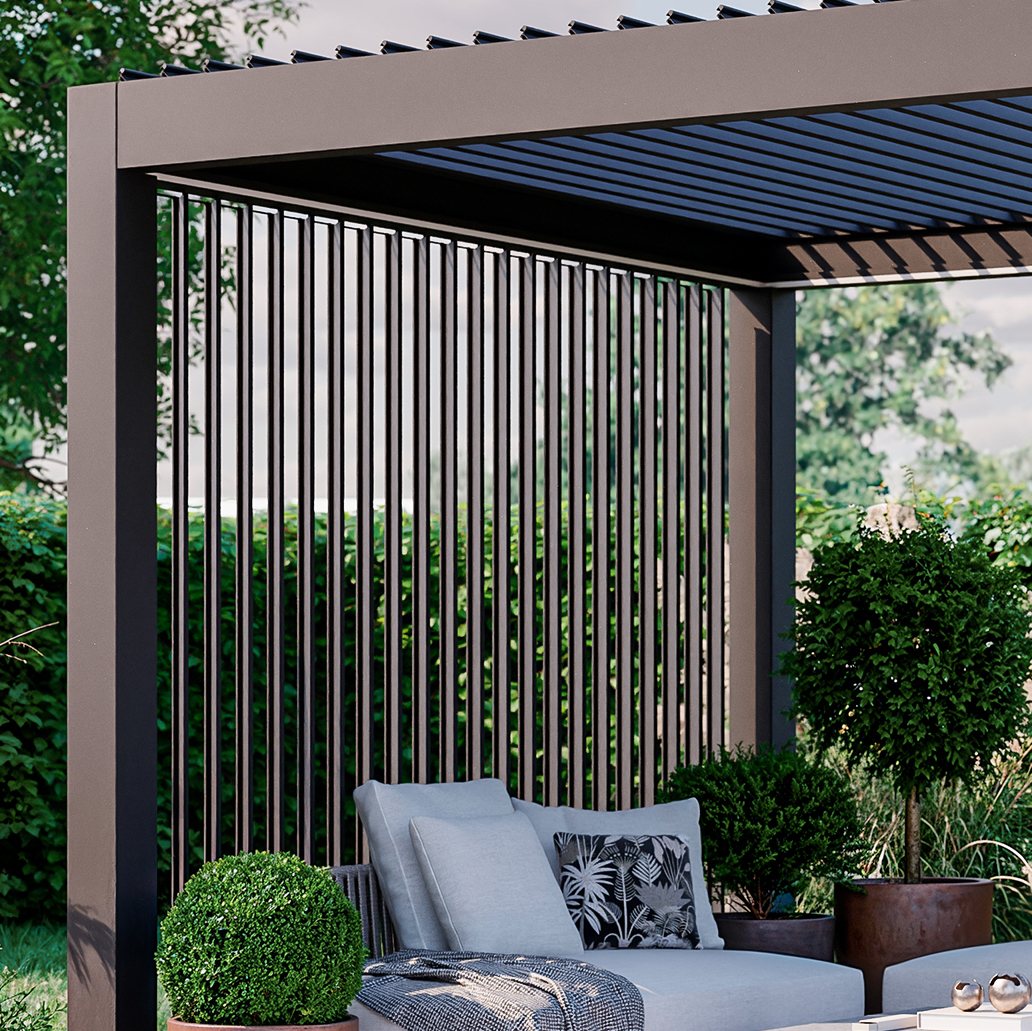
Glazing and roof systems affect lifetime costs
Glazing influences light, insulation, appearance, weight, cleaning and replacement work. Glass and polycarbonate each exist in different forms, so comparison should be based on the specified panel and retention system. The UK greenhouse polycarbonate guide provides useful background on panel construction and insulation considerations.
Ask how individual panes or panels are fitted, whether they can be replaced without dismantling large sections, and how water is directed away from joints. Roof elements deserve particular attention because access may require suitable equipment or professional help.
For product comparison, examine the whole assembly of an aluminium classic greenhouse alongside a specified glass model such as the Premium Classic Plus 384 glass greenhouse. Product names alone do not establish lifetime cost; configuration, siting and care remain important.
Choose a form that fits the property
Shape and scale influence more than appearance. They affect foundations, access, cleaning, drainage, internal circulation and exposure to weather. A compact structure that fits the site properly can deliver better lifetime value than a larger one squeezed into an unsuitable position.
Allow practical working room around elevations that need cleaning or repair. Check door movement, paths, boundaries, trees, overhead obstructions and the route from the delivery point. A greenhouse intended for active cultivation should also support the ventilation and environmental control required by its crops; the greenhouse temperature and humidity guide helps connect design choices with use.
Style can be part of enduring value when it suits the property. Buyers considering traditional proportions may find the overview of Victorian-style greenhouse design helpful. Always check whether planning permission, other consent or additional approval applies locally. The UK guide to planning permission for greenhouses and pergolas is a starting point, but the requirements applicable to the particular property must be confirmed.
Site preparation is part of durability
A robust frame cannot compensate indefinitely for unsuitable or moving foundations. The base must be appropriate for the structure, ground and local conditions. Drainage, levels, frost effects, existing services and nearby slopes all deserve consideration before work begins.
Measure the site rather than relying solely on an estate plan. Check diagonals and levels at the relevant stages, and confirm the product’s required base dimensions from its current documentation. If ground conditions are uncertain, seek suitably qualified local advice. The principles in preparing a foundation for a pergola illustrate why setting out and support are integral to the finished structure.
- Provide a stable, correctly positioned support appropriate to the specified fixing method.
- Plan where roof and surface water will go without creating persistent pooling.
- Keep access available for assembly, glazing and future maintenance.
- Identify buried or overhead services before excavation or drilling.
- Check boundaries and required consents before committing to the position.
For an attached outdoor structure, the supporting building also needs assessment. The comparison of a wall-mounted or freestanding pergola explains why the property itself can affect the choice.
Receiving and installation: protect the investment from day one
Delivery is a handover stage, not merely a transport charge. Before ordering, establish vehicle access, unloading responsibilities, package handling and the protected storage area available. Read the current ordering guidance and applicable terms rather than making assumptions.
On receipt, follow the instructed checking procedure. Keep components supported and dry as appropriate, retain labels, and avoid mixing fixings from different packages. Report an apparent shortage or damage through the stated process. Do not conceal a questionable component inside the build simply to maintain progress.
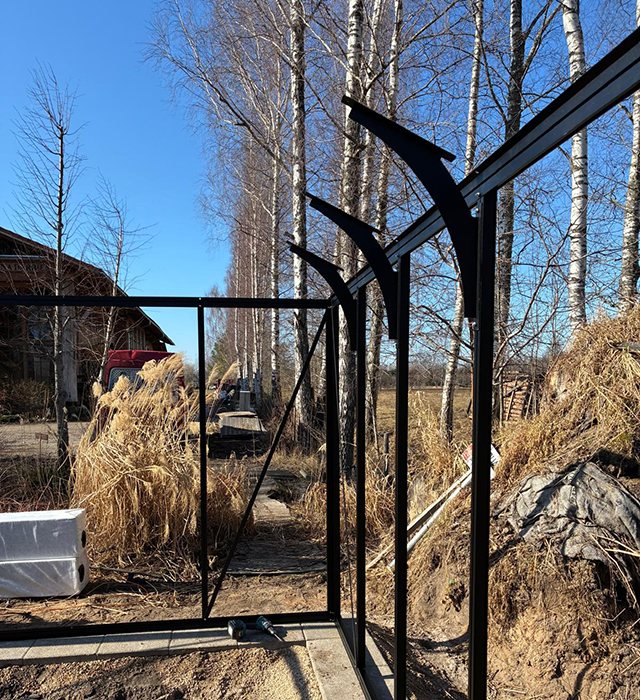
Assembly should follow the current manual for the exact model and configuration. Check the foundation first, then verify orientation, squareness, fastener placement, glazing retention, door operation and drainage details at the relevant stages. Alterations made without appropriate technical confirmation can complicate maintenance and warranty questions. Review the published warranty information and retain the project records.
A manageable maintenance plan lowers ownership cost
A simple scheduled plan is usually more economical than waiting for a small issue to become disruptive. Frequency should reflect the site, weather, nearby vegetation and intensity of use. Work at height, glazing work and electrical tasks should only be undertaken by people with appropriate competence and equipment, with applicable local requirements checked.
Regular visual check
Walk around and through the structure periodically. Look for obstructed gutters or drainage paths, loose visible fittings, displaced seals, damaged glazing, unexpected movement and doors or vents that no longer operate normally. Note changes rather than relying on memory.
Periodic cleaning
Remove leaves and debris before they retain moisture or obstruct water flow. Clean frames and glazing with methods suitable for their specified materials and finishes. Avoid unapproved abrasive tools or harsh substances. Cleaning is also an inspection opportunity because joints and panel edges become easier to examine.
Event-based inspection
Inspect after unusually severe weather, accidental impact, nearby building work or noticeable ground movement. The purpose is to identify a change early, not to assume that damage has occurred. If there is any concern about structural stability or overhead glazing, keep people clear and obtain suitable advice.
- Record the date and reason for the inspection.
- Photograph the overall structure and any area of concern.
- Check doors, vents, drainage and visible fixings without forcing components.
- Identify the relevant model documentation and component.
- Arrange repair promptly where continued use could worsen the issue.
Repairability can matter as much as resistance to damage
No outdoor structure is immune to every accident or weather event. Lifetime value therefore depends partly on what happens after damage. A repairable design allows an affected pane, seal or moving component to be identified and addressed without unnecessarily replacing sound sections.
Ask whether parts are individually identifiable, how they are accessed and what information must be retained to request them. A clear assembly manual, package list, order confirmation and photographs can save substantial diagnostic time years later. Independent greenhouse reviews can reveal ownership experiences, but should be read critically because sites, installation quality and expectations vary.
How to compare two quotations fairly
Place competing quotations side by side and normalise their scope. A cheaper quotation may omit a base, delivery activity, glazing option or assembly work included elsewhere. Do not compare totals until every inclusion and exclusion is understood.
| Comparison question | Why it matters |
|---|---|
| Is the model and configuration clearly identified? | Prevents unlike sizes or systems being compared. |
| What is included in the structural package? | Reveals omitted bases, doors, vents or essential fixings. |
| What site work is assumed? | Exposes allowances that may not reflect actual ground conditions. |
| Who unloads, stores and assembles? | Clarifies labour, access and risk responsibilities. |
| What maintenance is expected? | Shows likely recurring time and material costs. |
| Can common components be repaired separately? | Indicates how localised damage may be managed. |
| Which terms and warranty conditions apply? | Prevents informal statements being mistaken for contractual terms. |
Compare suitable product forms as well as prices. An aluminium limited-edition greenhouse and a Prestige greenhouse with metallic base may represent different configurations and priorities. Likewise, the ownership case for an adjustable roof should be considered using the practical comparison of louvred pergolas and alternative roof systems.
Common false economies
- Choosing by price alone: an incomplete package can cost more once essential work is added.
- Reducing foundation quality: savings below the structure can lead to alignment, drainage or movement problems.
- Ignoring access: difficult delivery and maintenance routes create avoidable labour and handling costs.
- Buying more space than the site supports: an oversized structure may be awkward to use and care for.
- Skipping receiving checks: unidentified issues become harder to resolve once components are unpacked or installed.
- Assuming “maintenance-free” means no inspections: debris, impact and moving parts still require attention.
- Discarding records: missing model and component information can make a future repair slower.
- Starting work before checking permissions: applicable local planning, property and other requirements must be established first.
If an order no longer suits the project, consult the current return and cancellation policy promptly rather than relying on general assumptions.
Frequently asked questions
Does a durable greenhouse always have the lowest lifetime cost?
No. It must also suit the site, intended use and owner’s ability to maintain it. An unnecessarily complex or poorly positioned structure may cost more to own even if its materials are durable.
How many years should I use in my cost calculation?
Choose a period that reflects how long you realistically expect to use the property and structure. For fair comparison, apply the same period to every option and test how the result changes under shorter and longer scenarios.
Is aluminium maintenance-free?
No outdoor structure should be treated as maintenance-free. Aluminium generally avoids recurring decorative treatment associated with some other materials, but frames, joints, drainage, glazing and moving parts still need cleaning and inspection.
Is glass always the most durable glazing?
Not automatically. The glass type, panel size, retention method, exposure, handling and risk of impact all matter. Polycarbonate also varies by panel specification and support system. Compare the complete glazing assembly and its repair process.
Can I reduce cost by assembling the structure myself?
Potentially, if self-assembly is offered for the selected product and you have sufficient people, time, competence, tools and safe access. Include the value of that time and any equipment hire. Incorrect assembly can create costs that exceed the initial labour saving.
Why should delivery be included in ownership planning?
Access restrictions, unloading, handling and temporary storage can affect both cost and condition. Planning these activities protects components and reduces the chance of delay or damage before installation begins.
Does a warranty prove how long a product will last?
No. A warranty sets out specific terms, scope, conditions and remedies; it is not a universal prediction of service life. Read the actual warranty and maintain records showing the product, purchase and installation details.
Should appearance be part of lifetime value?
Yes, when appearance influences whether the structure will remain wanted and used. A design that fits the house and garden may be less likely to be replaced for aesthetic reasons. Appearance should not, however, override practical siting and maintenance needs.
What records should I keep?
Keep the order confirmation, quotation, invoices, delivery records, manual, component lists, warranty information, foundation details and photographs of installation. Add dated maintenance and repair notes. Store digital copies where they can be found even if the property changes hands.
Where should I start if several Bloomcabin models appear suitable?
Define the available footprint, use, preferred form, access, foundation constraints and maintenance expectations. Then explore the greenhouses and conservatories range, consult the wider useful information library, and compare like-for-like configurations. If details remain unclear, use the Bloomcabin contact page before ordering.
The durable choice is the one you can use and care for well
Long-term value is created by a chain of sound decisions: a suitable form, an appropriate material and glazing system, properly prepared foundations, protected delivery, accurate installation and manageable maintenance. Weakness in any one stage can reduce the benefit of strength elsewhere.
Rather than asking only which structure is cheapest or strongest, ask which complete system fits the property and can be maintained realistically. Record the assumptions behind the decision, compare quotations over the same period and retain the information needed for future care. That approach turns durability from a marketing word into practical, measurable ownership value.
