



PROCESS
Delivery Day Guide: Access, Unloading and Receiving Your Order
A practical UK guide to planning vehicle access, organising a safe unloading area, checking packages and storing greenhouse or pergola components correctly before installation.
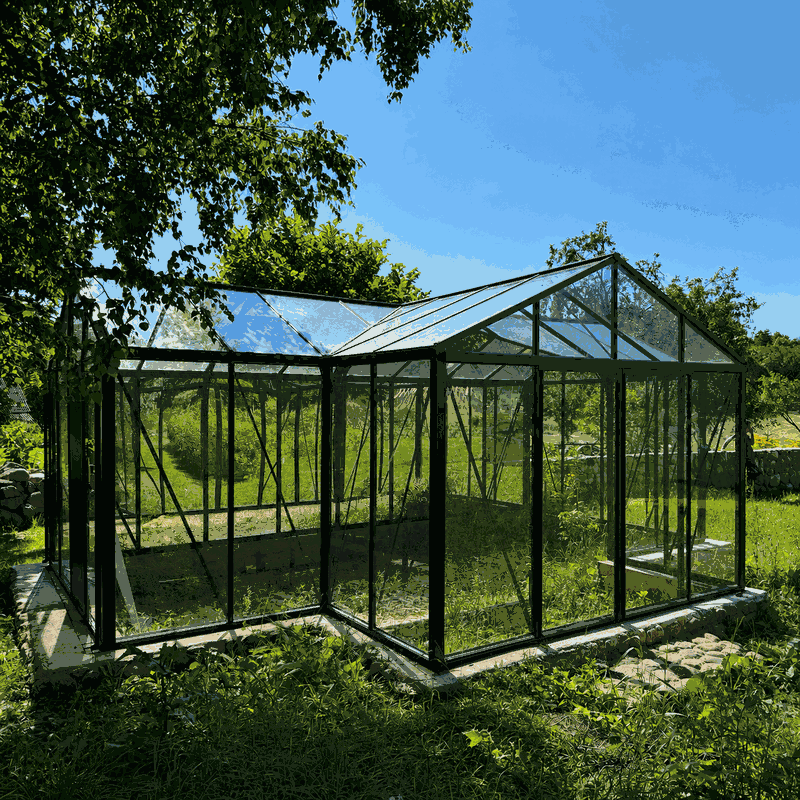
A greenhouse, orangery or pergola normally arrives as a collection of long, heavy, fragile or carefully finished components rather than as one assembled structure. Successful delivery therefore depends on more than knowing the expected date. Vehicle access, unloading space, available help, temporary storage and package control should all be considered in advance.
This guide explains how to receive a Bloomcabin order in a controlled way. It applies general delivery-planning principles, but your booking confirmation and the applicable Terms of Purchase & Delivery should always take priority. Delivery arrangements can vary according to the product, destination, carrier, vehicle and services included with the order.
Delivery planning at a glance
Work through the following points before delivery day:
- Confirm the delivery information. Check the address, contact number, expected delivery arrangements and any instructions supplied by Bloomcabin or the carrier.
- Assess vehicle access. Look for narrow entrances, weak surfaces, tight bends, low branches, overhead cables, parked vehicles and restricted turning space.
- Select an unloading area. It should be firm, level enough for controlled handling and separated from traffic, children and pets.
- Plan the route to storage. Measure gates, passages and corners rather than assuming that long packages will fit.
- Arrange sufficient help. Do not rely on the driver providing labour beyond the agreed delivery service.
- Prepare storage. Packages may need to remain protected until the base and installation team are ready.
- Inspect and record. Count packages where documentation permits, photograph their condition and report concerns through the appropriate process.
If you are still selecting a model, its format will influence delivery planning. An aluminium classic greenhouse, a larger Bloomcabin orangery and a Bloomcabin pergola may involve different package shapes and handling requirements.
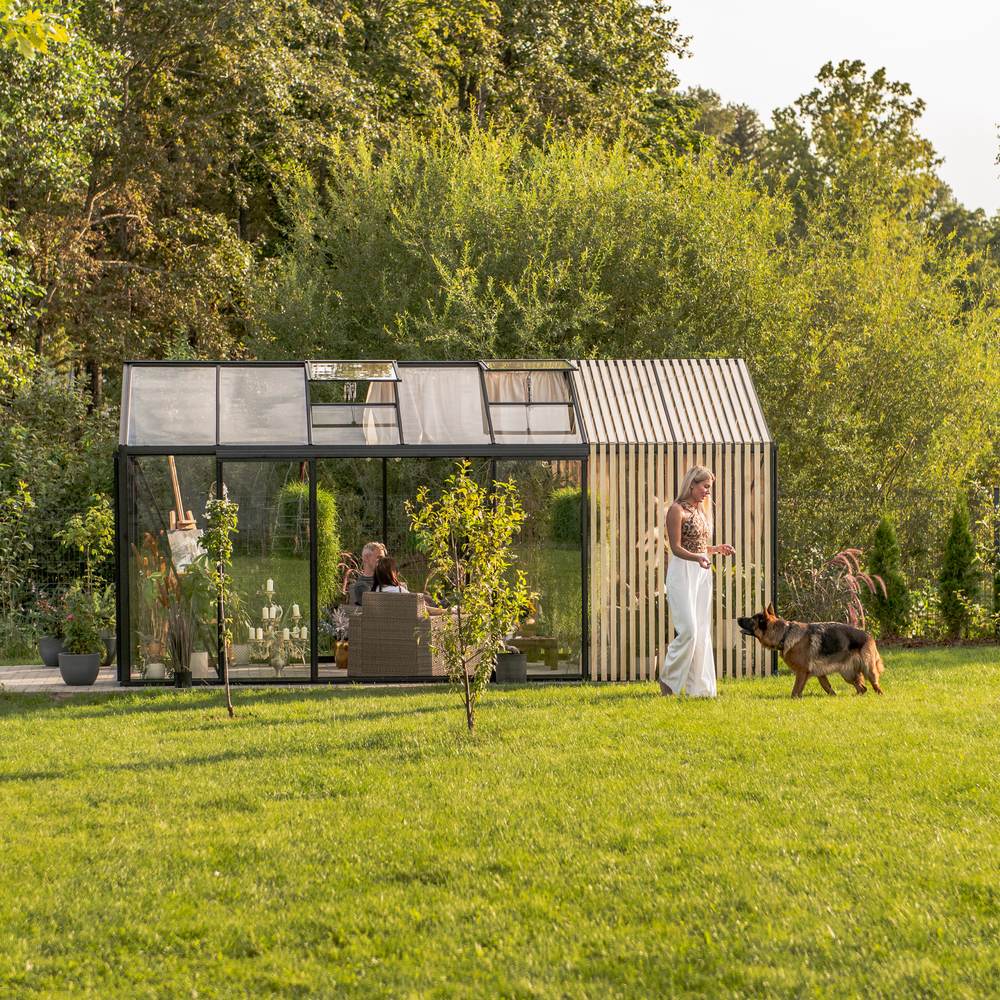
1. Check access before placing the order
Access should be investigated while choosing the product, not after dispatch. A vehicle that can reach the street may not necessarily be able to enter the drive, turn safely or stop without obstructing other road users. Consider the complete approach from the public road to the proposed unloading point.
Measure the narrowest entrances and note sharp changes of direction. Long packages need considerably more turning room than their width alone suggests. Check for gateposts, walls, hedges, balconies, eaves, low branches and overhead services. Do not move or work close to electrical cables; where an overhead service may affect access or unloading, obtain appropriate advice before delivery.
Surface condition matters as well. Soft verges, loose gravel, steep slopes, drains, cellar covers and recently laid paving may be unsuitable for a delivery vehicle or handling equipment. Weather can turn an otherwise usable grass track into an unsafe surface. If access is uncertain, provide accurate details when following the ordering process rather than expecting the driver to solve the problem on arrival.
Property access checklist
- Is the delivery address and postcode correct?
- Can the expected type of vehicle enter and leave safely?
- Are there width, height, weight, time or parking restrictions?
- Are gate openings and private roads genuinely usable for long loads?
- Can parked cars, bins and trailers be moved before arrival?
- Is there a firm place where the vehicle can stop legally and safely?
- Are neighbours, estate managers or gate staff expecting the delivery?
- Will temporary access codes, keys or permits be available?
- Is there a separate contingency point if the preferred area becomes unusable?
For larger installations, read the orangery greenhouse guide or review the layout of the Premium Classic Plus 384 glass greenhouse early enough to relate the chosen structure to the practical limits of the property.
2. Choose the unloading and staging areas
The unloading point is where packages first leave the vehicle. The staging area is where they are counted, sorted or held temporarily. These may be the same place, but separating them can be useful when the driveway is narrow.
Choose a firm area with sufficient room to handle long components without striking buildings, vehicles or other packages. Keep it away from the public highway wherever possible. Do not create unstable stacks simply to save floor space. Glass, panels, aluminium profiles, fixings and accessory cartons may require different handling, so follow package markings and the supplied instructions.
Plan a clear pedestrian route between unloading and storage. Remove garden furniture, tools, hoses, toys and trailing cables. Protect vulnerable paving where appropriate, but do not use loose sheets or boards that could slide underfoot. Good lighting is essential if there is any possibility of reduced daylight.
The final installation position is not automatically the best unloading point. A prepared base must not be damaged by vehicle wheels, pallet handling or uncontrolled stacking. Guidance in the UK greenhouse foundation guide can help you coordinate base preparation with delivery without confusing the two stages.
3. Coordinate people, equipment and responsibilities
Establish what the contracted delivery service includes. Unless explicitly confirmed, do not assume that the driver will carry packages through a house, move them to the garden, operate customer-supplied equipment or wait while every carton is opened.
Arrange enough capable adults for the planned handling method. The correct number depends on package weight, length, fragility, route and any mechanical assistance available; it should not be guessed from appearance. Nobody should attempt an awkward lift simply because the vehicle has arrived. Use only suitable, serviceable equipment operated by people competent to use it.
Assign these delivery-day roles
- Delivery contact: keeps a charged telephone available, speaks with the carrier and checks documents.
- Access controller: opens gates, keeps the route clear and prevents children, pets or bystanders entering the working area.
- Unloading lead: agrees the sequence, watches clearances and stops activity if conditions become unsafe.
- Package recorder: checks labels or package numbers, takes photographs and notes visible concerns.
- Handlers: move items using the agreed method and place them in the correct staging or storage area.
One person may perform more than one administrative role, but the unloading lead should remain focused on safe movement. Avoid several people giving conflicting instructions. Anyone who does not understand the plan should stay outside the handling zone.
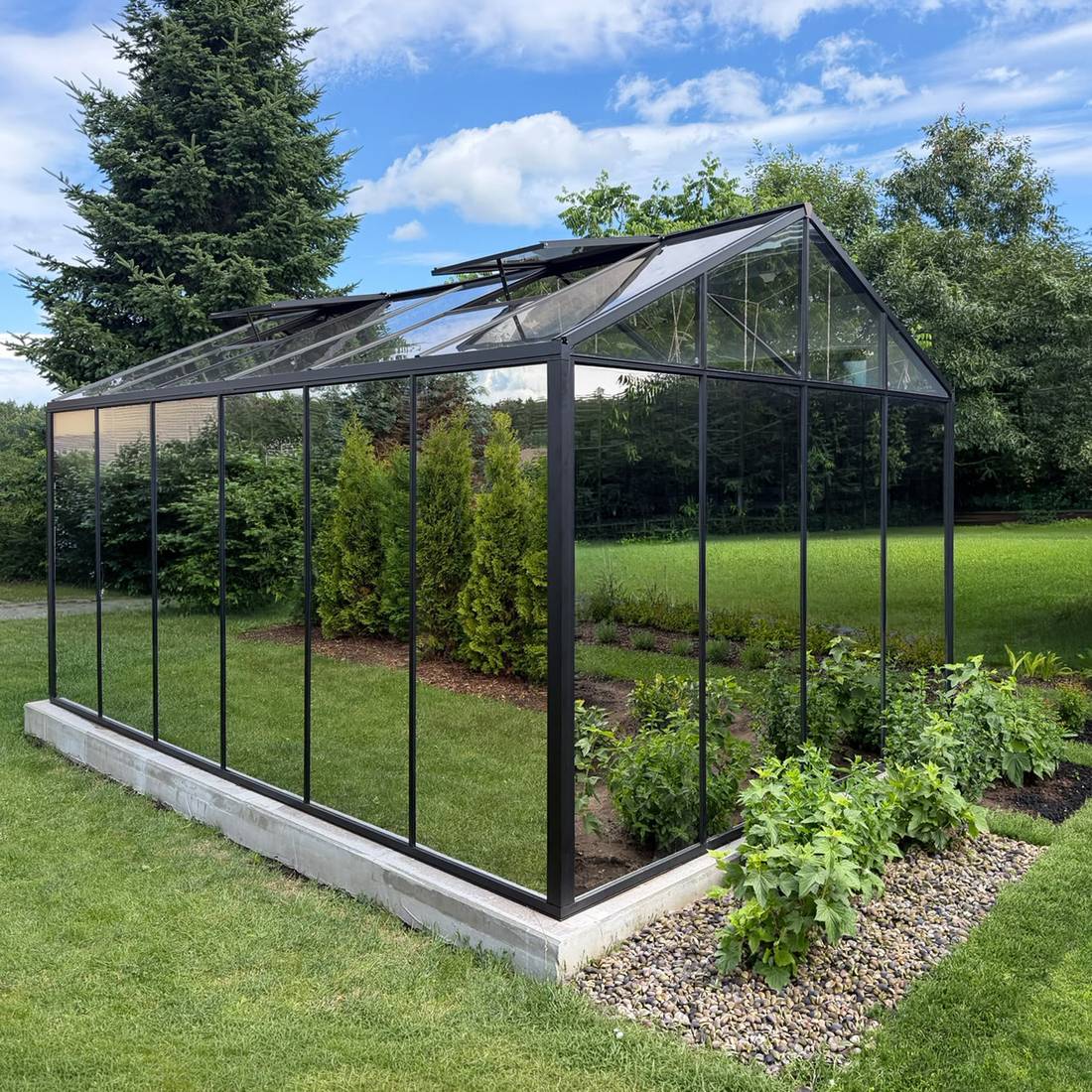
4. Prepare during the days before arrival
Review delivery messages promptly and advise the relevant contact if important access information is missing. Check the weather forecast, although forecasts should not replace a safe contingency plan. High winds, ice, heavy rain or waterlogged ground can make long or fragile packages difficult to control.
- Finish clearing the access route and trim vegetation where this can be done safely.
- Move vehicles before the delivery window begins.
- Prepare dry, secure storage and suitable supports.
- Print or save the order information and package documentation.
- Charge telephones and keep a camera available.
- Confirm that helpers know the expected time and handling plan.
- Keep protective gloves and appropriate footwear available.
- Postpone unrelated building or garden work in the unloading area.
If circumstances have changed, contact the appropriate party rather than waiting for arrival. The Return and Cancellation Policy explains the relevant policy framework, but it should not be treated as a substitute for timely delivery communication.
5. Follow a controlled arrival process
When contacted by the driver, provide concise, factual directions. Meet the vehicle at the agreed point where practical. Before it enters private land, reassess whether parked cars, roadworks, mud, ice or new obstructions have altered the plan.
- Pause other activity. Keep people and pets away from the approach and unloading zone.
- Confirm the stopping position. The driver remains responsible for the vehicle; do not pressure anyone to use access they consider unsuitable.
- Identify yourself and the order. Have the relevant details ready without displaying personal documentation unnecessarily.
- Review the load and unloading method. Confirm where packages are to be placed and who is doing what.
- Check conditions. Stop if the surface, wind, visibility or available space does not support controlled unloading.
- Begin systematically. Move one package or defined group at a time and maintain a record.
Do not allow urgency to replace judgement. A delivery vehicle may have a schedule, but hurried handling can damage components, property or people. If the planned method cannot be used safely, discuss the available options with the carrier and Bloomcabin.
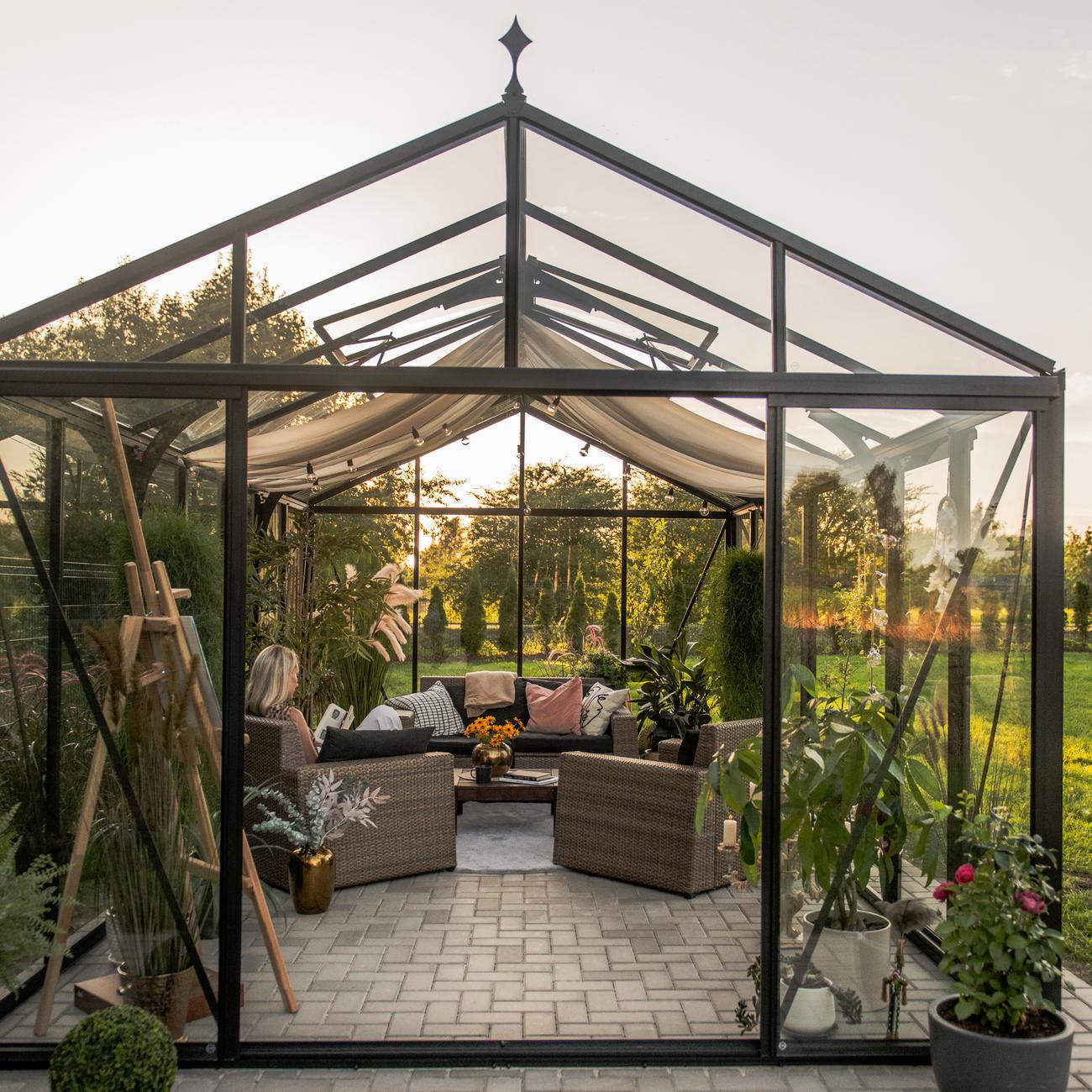
6. Unload without losing package control
Packages should remain identifiable throughout unloading. Read handling symbols and labels before moving items. Avoid dragging finished aluminium profiles, dropping cartons onto corners or placing heavy items over fragile panels. Keep fixings and smaller accessory cartons together so that they are not mistaken for general packaging.
Long components can swing at the opposite end when turned. Nominate one person to coordinate movement, use clear verbal instructions and ensure that every handler knows the intended destination. Never stand where a shifting package could trap someone against a wall, gate or vehicle.
Do not remove protective packaging merely to make an item easier to grip unless the instructions specifically require it. Packaging can help protect finishes and keep related parts together. If an item must be opened for inspection, preserve labels and packaging until its condition and identity have been recorded.
Stop unloading if any of these conditions occur
- A package becomes unstable, bows unexpectedly or begins to slip.
- The available helpers cannot control its weight or length.
- Wind catches a panel, sheet or long wrapped component.
- Handling equipment is damaged, unsuitable or used beyond its intended purpose.
- The route becomes blocked by a person, pet, vehicle or fallen item.
- A crate or package appears structurally damaged and may collapse when moved.
- Visibility, communication or footing is no longer adequate.
If there is doubt, place the item in a stable position if this can be done safely, clear the area and reassess. Do not improvise with unsuitable lifting points or untrained equipment.
7. Inspect and document the delivery
Inspection at delivery is intended to create an accurate record, not to complete a full installation audit at the roadside. Start by comparing the package count and identifiers with the available delivery documentation. A package may contain many components, so the number of packages is not the same as the number of individual parts.
Walk around accessible sides of the load before unloading and photograph its general condition. During unloading, record crushed corners, punctures, torn wrapping, broken restraints, moisture exposure or visible deformation. Take both context photographs and close views, including the relevant label where possible. Do not climb onto the vehicle or enter an unsafe area to obtain a photograph.
If damage or a shortage is apparent, note it accurately on the delivery documentation where the process allows. Avoid vague wording, but do not state that concealed contents are undamaged when they have not been checked. Follow the reporting instructions supplied with the order and retain packaging, labels, photographs and correspondence. The Warranty page provides related information, although delivery damage and warranty matters may involve different procedures.
After the vehicle leaves, carry out a more detailed check against the supplied component information in a safe, dry area. The assembly-manual library provided with this page can help identify the correct documentation. Models such as the aluminium Limited Edition greenhouse and the Bloomcabin Prestige greenhouse with metallic base have model-specific content, so do not use another structure’s package expectations as your checklist.

8. Store components correctly after receiving them
Use a secure, dry and access-controlled location until installation. Keep components in the orientation indicated by their markings and instructions. Support long packages sufficiently to prevent distortion, and do not lean unstable packages where they could fall. Fragile panels or glazing require particular care and should be protected from impact.
Keep packages off wet ground and away from standing water, fertilisers, cement dust, corrosive materials and active building work. Do not cover damp packages so tightly that moisture is trapped. At the same time, a loose outdoor sheet is not reliable weather protection and may become a hazard in wind.
Preserve labels and group parts logically without mixing components from different packages. Restrict access by children and pets. For longer-term care after installation, consult maintenance of your aluminium greenhouse.
9. Move from delivery to installation in the right order
Delivery completion does not mean the structure is ready to assemble immediately. First reconcile the received packages with the documentation and report significant discrepancies. Read the correct manual from beginning to end, identify the tools and people required, and confirm that the foundation is complete, suitable and allowed to reach any required condition before loading it.
The recommended sequence is:
- Secure and document the received packages.
- Check package identifiers against the order and correct manual.
- Investigate visible damage or shortages through the stated process.
- Confirm the site dimensions, levels, diagonals and anchoring plan required for the selected structure.
- Check applicable local planning, boundary, drainage and other site requirements.
- Organise components in the assembly sequence without removing every label.
- Begin installation only in suitable conditions with the correct assistance.
A compact layout still needs proper planning; the small greenhouse guide covers placement considerations. Material and panel choices also affect handling. See the greenhouse polycarbonate guide and information about wooden greenhouses and conservatories rather than assuming all structures should be handled alike.
Pergola projects need the same discipline. Confirm the relevant aluminium pergola dimensions, review how to prepare a foundation for a pergola, and distinguish between a wall-mounted or freestanding pergola. Wall connections, foundations and local requirements must be assessed for the actual property.
10. Common delivery-day mistakes to avoid
- Assuming kerbside access guarantees garden access: the route beyond the vehicle needs separate planning.
- Leaving measurements until arrival: visual estimates are unreliable for long packages.
- Depending on the driver for extra carrying: only the confirmed delivery service should be expected.
- Signing without recording visible concerns: inspect what can be checked safely and document facts.
- Opening everything in the driveway: loose parts and labels can quickly become mixed or lost.
- Stacking packages on the prepared base: this can obstruct checks or damage finished work.
- Rushing into assembly: package verification, documentation and base checks come first.
- Discarding packaging too early: retain it until contents and condition have been appropriately checked.
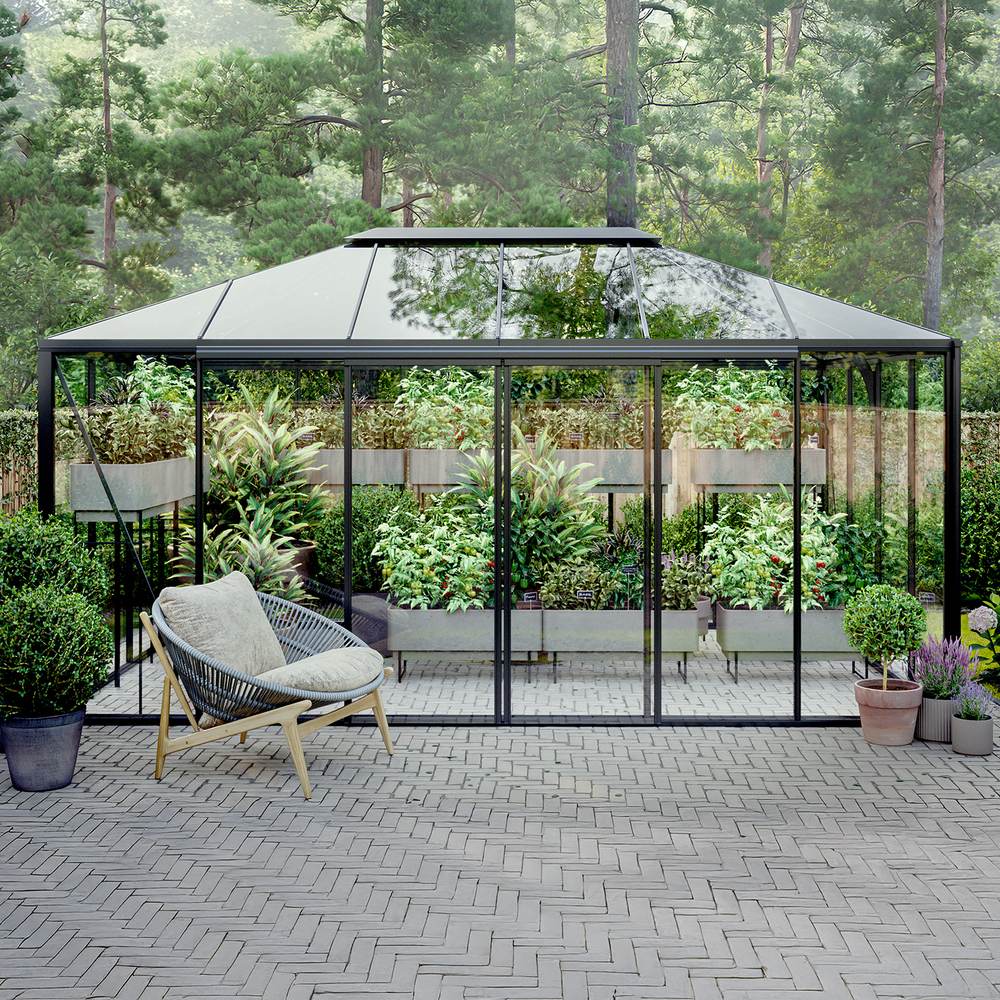
Preparing for greenhouse use after installation
Once installation is complete, check that doors, vents, glazing or panels and fitted accessories operate as intended under the supplied instructions. Remove installation debris, establish safe paths and plan ventilation, shading, irrigation and internal layout before filling the greenhouse.
Growing conditions should be managed for the crops rather than for human comfort alone. The UK greenhouse temperature and humidity guide explains the main variables. Practical crop guidance is also available for growing lettuce, growing basil and growing peppers and chillies.
For pergola planning, compare a bioclimatic and standard pergola, explore what a bioclimatic pergola is, or view the Bloomcabin bioclimatic aluminium pergola. The aluminium versus wood pergola guide provides further material context.
Frequently asked questions
Do I need to be present for delivery?
Follow the arrangements confirmed for your order. In practice, a responsible adult should normally be available whenever access, unloading, receipt or documentation requires customer involvement. Do not leave this to a neighbour unless the arrangement has been accepted and that person has the necessary information and authority.
Will the delivery driver carry packages to the greenhouse site?
Do not assume so. The delivery point and level of assistance depend on the service confirmed for the order. Plan your own suitable labour and equipment for movement beyond that point unless an additional service has been explicitly agreed.
How much space should I provide for unloading?
There is no universal area because package dimensions, vehicle type and handling method vary. Allow space for the vehicle, package length, turning movements, handlers and a stable staging area, with a safety margin around obstacles. Ask for clarification before delivery if your property has restricted space.
Can delivery take place on grass or an unpaved driveway?
Only if the carrier considers access appropriate and the surface safely supports the vehicle and unloading method in the actual conditions. Rain, slope, loose material and hidden edges can change suitability. Provide advance information and maintain a firm contingency unloading point.
What should I do if a package looks damaged?
Do not place yourself at risk. Photograph the overall package, affected area and label; record the concern accurately on available delivery documentation; retain the packaging; and follow the reporting instructions promptly. Do not repair, discard or install a questionable component before receiving appropriate guidance.
Should I open every package while the driver waits?
Usually, the practical priority is to count identifiable packages and record visible external condition. A detailed component check can then be completed safely in a dry area using the correct documentation. Follow any order-specific inspection instructions, as they take precedence over general guidance.
Can I store greenhouse packages outdoors?
Outdoor storage should not be assumed suitable. Rain, condensation, wind, uneven ground and unauthorised access can damage packages or create hazards. Use secure, dry storage and follow package markings and model instructions. Contact Bloomcabin if suitable storage cannot be arranged.
Can installation begin as soon as unloading is complete?
Only after the delivery has been checked, the correct manual reviewed, the foundation verified and suitable labour, tools and weather conditions confirmed. Resolve significant damage or package discrepancies first. Applicable local requirements must also be checked for the actual site.
Where can I learn more about Bloomcabin greenhouses?
Explore the Greenhouses & Conservatories range, browse the central Useful Information library or learn more about Bloomcabin. The Bloomcabin blog contains additional growing, design and material guides.
Final receiving checklist
- Delivery information and contact details checked
- Vehicle approach, restrictions and stopping point assessed
- Unloading, staging and storage areas cleared
- Helpers briefed and responsibilities assigned
- Suitable equipment and protective items ready
- Order documents and camera available
- Packages counted or identified where documentation permits
- Visible condition photographed and concerns recorded
- Packages stored securely with labels preserved
- Correct manual and foundation requirements reviewed
- Damage or discrepancies reported through the stated process
- Installation delayed until the site, components and conditions are ready
