



COMPARE
Buying Direct from the Manufacturer: What Are the Advantages?
Buying directly from a manufacturer can provide clearer product information, a broader choice within one product family and a more continuous record from quotation to after-sales support. This guide explains the advantages, limitations and questions UK buyers should consider.
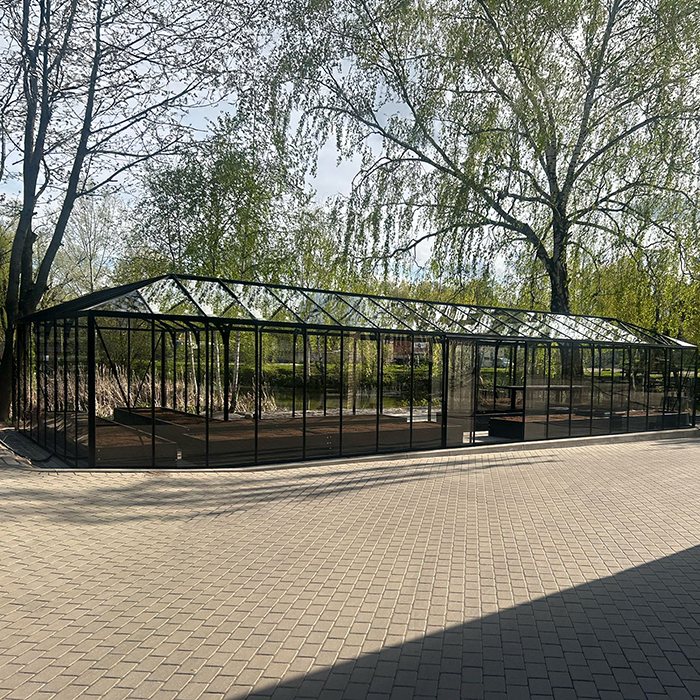
Buying a greenhouse, pergola or other substantial garden structure is different from ordering an ordinary household item. The product must suit its intended use, the available space, the foundations and the access to the property. Delivery, assembly, drainage and future maintenance also need to be considered. Buying directly from the manufacturer can make these decisions easier, but only when the responsibilities of both buyer and supplier are understood.
This guide explains what direct purchasing normally means, how it differs from using a dealer or local contractor, and what to check before accepting a quotation. It is intended to help you compare routes to purchase rather than suggest that one route is right for every project.
What does buying direct from the manufacturer mean?
Buying direct normally means that the business responsible for the product range is also the business that advises you, prepares the quotation and accepts the order. Communication does not have to pass through an independent retailer before reaching the product team.
However, “direct” does not necessarily mean that every part of the project is completed by one company. Manufacturing, transport, groundworks and assembly are separate activities. A manufacturer might organise some of these services, use specialist partners or supply the structure for installation by others. The quotation and current Terms of Purchase & Delivery should identify what is included.
Before ordering, learn about the company through its About Us information and confirm where order-related questions should be sent. Direct purchasing is most useful when there is a clear route for technical, delivery and after-sales communication.
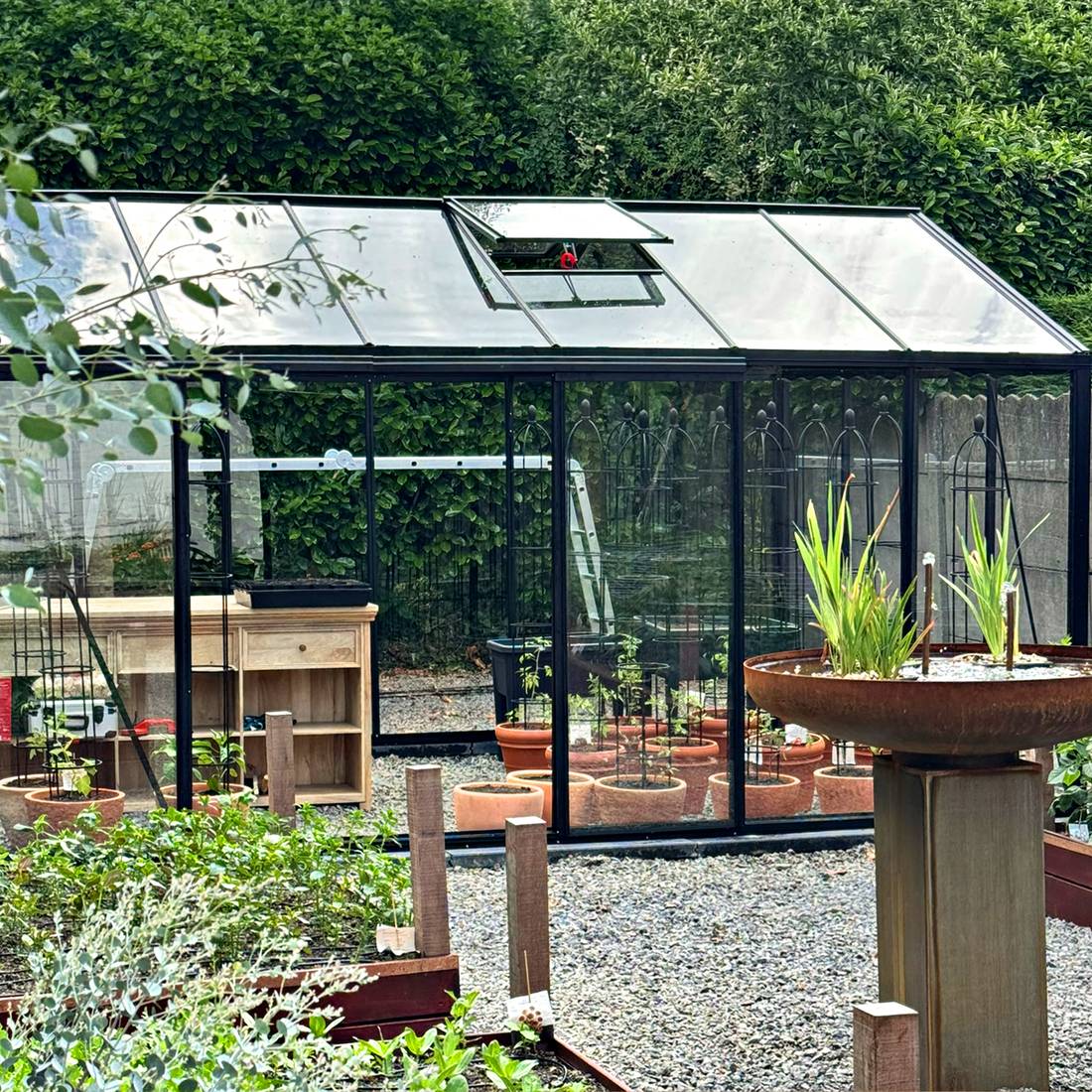
Direct manufacturer, dealer or local contractor?
| Buying route | Potential strength | Point to clarify |
|---|---|---|
| Direct manufacturer | Close access to product-family knowledge and ordering records | Whether surveys, foundations, unloading and assembly are included |
| Independent dealer | Local contact and the opportunity to compare several brands | How technical questions and after-sales cases are passed to the manufacturer |
| Local contractor | May coordinate groundwork and assembly as one local project | Whether the contractor is supplying the structure, installing it, or both |
A dealer can be valuable when you want to see products locally or compare different manufacturers. A competent contractor may be the better lead contact where landscaping, retaining work, paving or wider building work dominates the project. Buying direct is particularly useful when the choice depends on details within one manufacturer’s range.
Whichever route you choose, ask who is contractually responsible for the product, who handles transport questions, and who should receive photographs if a component is missing or damaged. A local installer should not be assumed to represent the manufacturer unless that relationship is confirmed.
The main advantages of buying direct
1. A clearer source of product information
A manufacturer can explain how models within its own range differ and which choices affect the order. This is helpful when comparing an aluminium classic greenhouse, an aluminium limited-edition greenhouse and a Prestige greenhouse with metallic base.
Direct information should still be checked against the written quotation and order documents. Conversations are useful for understanding choices, but the final specification should state exactly what is being purchased.
2. Broader comparison within one product family
A direct buyer can often compare several formats without beginning again with a different retailer. For example, the priorities behind a compact growing space differ from those behind a larger Bloomcabin orangery. The small greenhouse guide and greenhouse buying guide can help you define your priorities before discussing models.
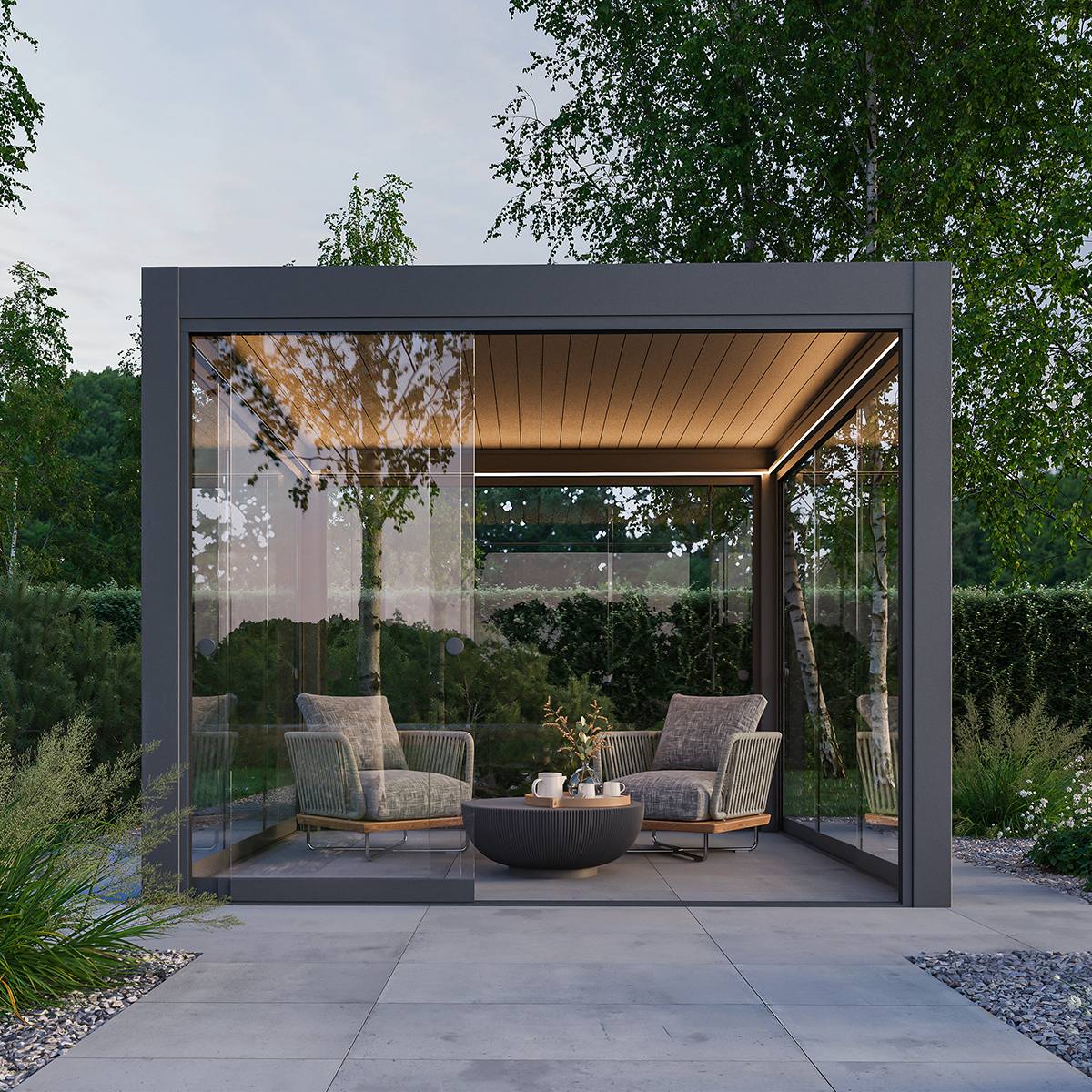
The same principle applies to pergolas. Start by considering whether a wall-mounted or freestanding pergola suits the property. You can then compare a standard Bloomcabin pergola with a bioclimatic aluminium pergola.
3. Better alignment between use, design and budget
Price comparisons are meaningful only when the structures being compared meet the same need. A greenhouse intended mainly for seedlings has different practical requirements from a glazed garden room used for sitting and entertaining. Likewise, a fixed pergola roof and an adjustable louvred roof provide different forms of control.
Describe how you expect to use the structure, how often it will be occupied and which features are essential. If growing is the priority, the UK greenhouse growing calendar helps turn a general ambition into a more realistic plan. For pergolas, read the UK guide to bioclimatic pergolas before paying for functions that you may not need.
4. Fewer interpretation gaps
Every additional handover creates an opportunity for information to be shortened or misunderstood. A request such as “place the door on the convenient side” is not precise enough. The convenient side must be identified on an agreed drawing, with the viewing direction clearly stated.
Direct communication makes it easier to resolve terminology before an order is confirmed. It does not remove the buyer’s responsibility to review dimensions, colour, glazing or roofing choice, openings, accessories and orientation. Written confirmation remains essential.
5. A continuous record for later questions
When quotation, order and after-sales communication remain with one supplier, it is easier to retain a continuous project record. That record can help identify the ordered model, finish and selected options years later. It may also simplify questions about replacement components or appropriate maintenance.
Keep the final quotation, invoice, order confirmation, drawings, assembly information and delivery photographs together. Also retain the applicable warranty information; warranty scope and conditions should never be inferred from a sales conversation.
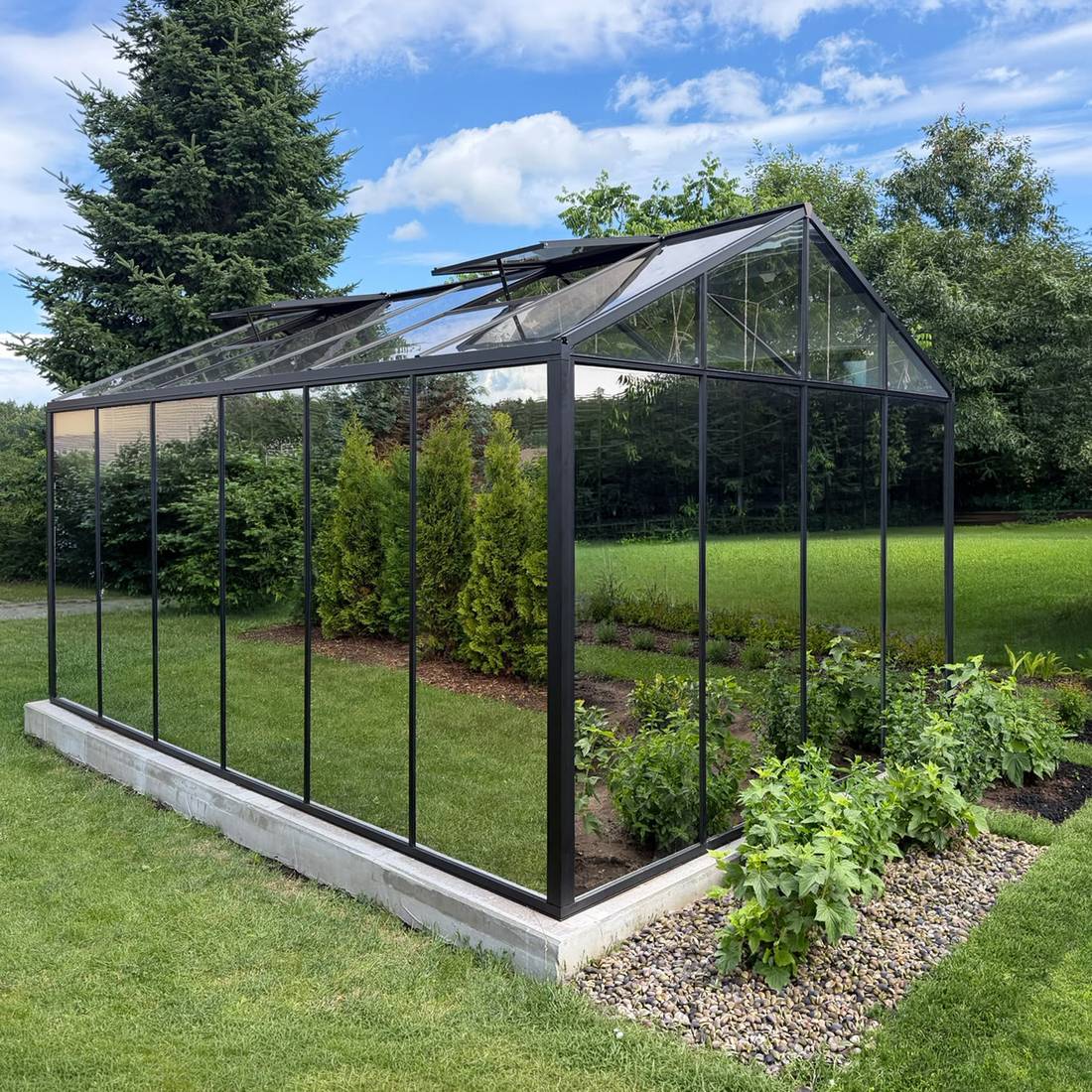
What to decide before requesting a quotation
A useful quotation begins with a useful brief. Before contacting the manufacturer, decide or investigate the following:
- Purpose: growing, shelter, dining, relaxation, display or a combination of uses.
- Location: the intended position, orientation, nearby walls, trees, boundaries, drains and underground services.
- Available area: the structure’s footprint plus working room for access, assembly, cleaning and door operation.
- Ground conditions: the existing surface, level changes and the likely foundation approach.
- Access: road restrictions, gates, steps, narrow passages, overhead obstructions and the distance from unloading point to site.
- Configuration: model, approximate size, colour, doors, vents, glazing or roof arrangement and required accessories.
- Responsibilities: who will prepare the base, receive the delivery, move components and assemble the structure.
- Budget: the whole installed project rather than the structure alone.
For greenhouse glazing comparisons, consult the greenhouse polycarbonate guide. If architectural appearance matters, the guide to Victorian-style greenhouses may help define the look you want. A particular aesthetic should not override practical access, ventilation and maintenance needs.
Questions a direct buyer should ask
Ask questions early and request written answers where they influence price or site preparation:
- What exact model and configuration does the quotation cover?
- Which items, fittings and accessories are included, and which are optional?
- Are external dimensions and any base dimensions clearly identified?
- What foundation or supporting surface is required?
- Who is responsible for checking the site measurements?
- What are the delivery vehicle, unloading and access requirements?
- Does the price include assembly, or is the structure supplied for self-assembly or installation by a third party?
- What must be inspected at delivery, and how should an issue be reported?
- Which documents will be supplied for assembly and maintenance?
- What order changes are possible before production or dispatch, and could they affect price or timing?
The manufacturer’s How to order page provides the starting process, while the contact page provides the appropriate route for project-specific enquiries. For pergolas, verify the chosen size using the information on aluminium pergola dimensions rather than estimating from photographs.
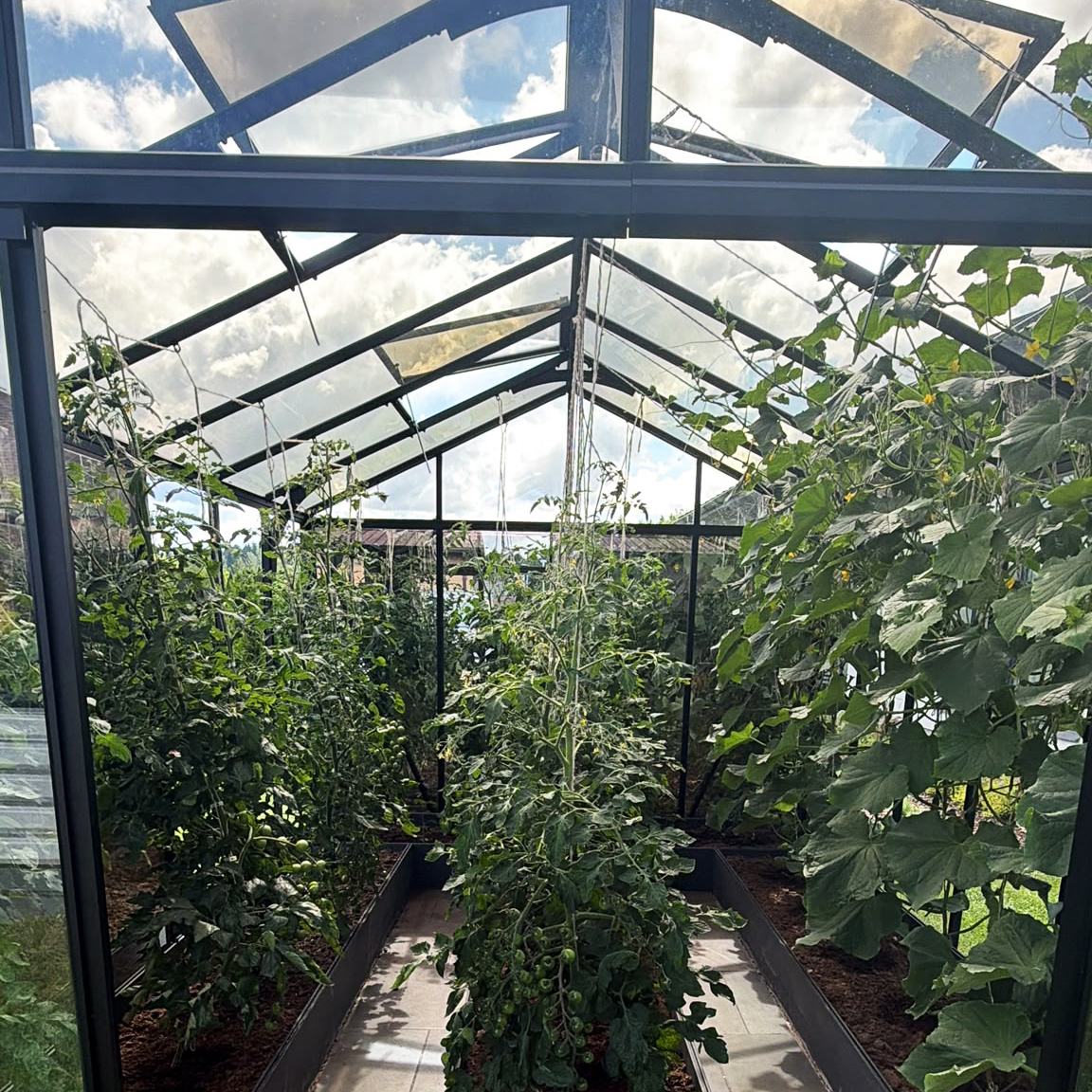
Receiving a direct shipment responsibly
Delivery is a planned stage of the project, not merely the arrival of a parcel. Large structures may consist of multiple packages containing long, heavy, fragile or finish-sensitive parts. The number and form of packages vary, so follow the order-specific instructions rather than assuming how delivery will work.
- Confirm the delivery address and contact details before dispatch.
- Tell the supplier about restricted roads, weak access surfaces, low branches, gates or other obstacles.
- Arrange suitable people and equipment if unloading is the buyer’s responsibility.
- Prepare a secure, dry and level temporary storage area.
- Check the package count against the delivery documents where possible.
- Inspect packaging before moving or opening it and photograph any visible damage.
- Record concerns on the delivery documentation where the process allows.
- Report issues promptly through the stated channel, retaining packaging and labels until advised otherwise.
Do not start assembly simply to investigate a visibly damaged package unless instructed to do so. Opening, moving or using components can make it harder to establish when damage occurred. Follow the supplier’s current reporting procedure and the terms applying to your order.
Installation still requires local planning
Buying from a manufacturer does not replace assessment of the property. The owner remains responsible for ensuring that the intended location is suitable unless a written agreement assigns a specific assessment to another party.
The base must match the requirements for the ordered structure. It should not be improvised after delivery. Pergola buyers can begin with the guide on preparing a pergola foundation, but local ground conditions may require professional advice.
Planning permission, building regulations, listed-building controls, conservation-area restrictions, lease conditions and restrictive covenants can vary by property and location. The overview of UK planning permission for greenhouses and pergolas is a useful introduction, but the applicable local requirements must be checked before work begins.
Wall-mounted structures need particular care because the host wall, fixings, waterproofing, thresholds and drainage must be assessed. Any electrical, heating, lighting or water installation should be designed and completed in accordance with the applicable UK requirements by appropriately competent people.
Maintenance advantages of a direct relationship
A direct supplier may be better able to connect a maintenance enquiry with the original product record. This is useful when identifying finishes, seals, fasteners or model-specific parts. It does not mean that every part will remain available indefinitely or that all maintenance is covered by a warranty.
Routine care still belongs to the owner. Read the guidance on maintenance of an aluminium greenhouse, follow the documents supplied with the product and avoid unapproved alterations. When asking for help, provide the order reference, overview photographs and clear close-ups of the relevant area.
When buying direct may not be the best fit
Direct purchasing is not automatically the best route. A local dealer may suit someone who wants to view several unrelated brands in one place. A contractor-led purchase may be more practical when the garden needs extensive excavation, drainage, walls, paving or coordinated building work before the structure can be installed.
Direct supply may also be unsuitable if you expect a full site survey and turnkey installation but the quotation covers supply only. The correct response is not to rely on assumptions; it is to compare the scope of each offer. Include groundwork, access preparation, unloading, assembly, services, finishes and future maintenance when comparing total project cost.
A practical direct-buying checklist
- Define the intended use and essential features.
- Measure the site and record access constraints.
- Compare suitable models within the same product family.
- Check foundations, drainage and local permissions.
- Obtain an itemised written quotation.
- Confirm what is excluded as well as what is included.
- Review drawings, orientation, finish and options before ordering.
- Assign responsibility for delivery, unloading and assembly.
- Prepare secure storage before the shipment arrives.
- Inspect and photograph packaging at delivery.
- Keep all project documents and order references together.
- Follow the supplied maintenance guidance after installation.
For further planning material, browse the Useful Information library and the full range of greenhouses and conservatories. Product photographs and descriptions are valuable for shortlisting, but the accepted quotation and order documents define what you are buying.
Frequently asked questions
Is buying direct always less expensive?
No. A shorter sales route does not guarantee the lowest total project cost. Compare equivalent specifications and include delivery, foundations, unloading, assembly, services and maintenance. A cheaper supply price can become a more expensive project if important work has been omitted.
Does buying direct mean the manufacturer installs the structure?
Not necessarily. Direct supply and installation are separate services. Check whether the quotation includes assembly, identifies an installation partner or supplies the product for assembly by the buyer’s chosen contractor.
Can the manufacturer decide where the structure should go?
The manufacturer can explain product requirements, but it cannot normally assess unseen ground conditions, boundaries, services or local restrictions. Unless a site assessment is explicitly included, the buyer must establish that the position is suitable.
Should I choose a greenhouse or a pergola?
Choose according to the primary use. A greenhouse creates an enclosed growing environment, while a pergola principally provides a defined outdoor living area and varying degrees of shelter. If both gardening and seating matter, list which activity takes priority throughout the year.
Are wall-mounted products easier to plan?
Not automatically. They may use space efficiently, but connection to an existing building introduces questions about the wall, fixings, roof junction, drainage, doors and windows. A freestanding design avoids attachment to the house but still needs suitable foundations and positioning.
Can I change my order after placing it?
Possibly, but it depends on the product and the order stage. Changes may no longer be practical once preparation, production or dispatch has started. Ask immediately and do not assume that a requested change has been accepted until it is confirmed in writing.
What should I do if delivery packaging looks damaged?
Photograph the packaging, labels and affected areas before moving or opening them. Note the concern during delivery where possible and report it promptly using the supplier’s stated procedure. Keep the packaging and do not discard potentially relevant evidence.
Can a general builder assemble the greenhouse?
A competent builder may be able to assemble it, but general construction experience does not automatically equal familiarity with a particular system. Provide the complete instructions in advance and ask the builder to confirm that the base, tools, handling arrangements and assembly sequence are understood.
What information helps with an after-sales question?
Provide the order number, product model, installation date if known, a concise description and photographs showing both the whole structure and the detail concerned. Identify relevant components from the supplied documents where possible. This is more useful than sending only a very close photograph without context.
What is the biggest advantage of buying direct?
The principal advantage is continuity of product information. The same supplier can connect the initial choice, agreed configuration, order record and later enquiry. That continuity reduces interpretation gaps, although careful site planning, written confirmation and responsible installation remain essential.
