



COMPARE
How to assess European manufacturing and quality control
A European origin label cannot establish quality by itself. Examine the design, component checks and traceable documentation alongside delivery, assembly and maintenance. This guide explains practical ways to verify the claims.
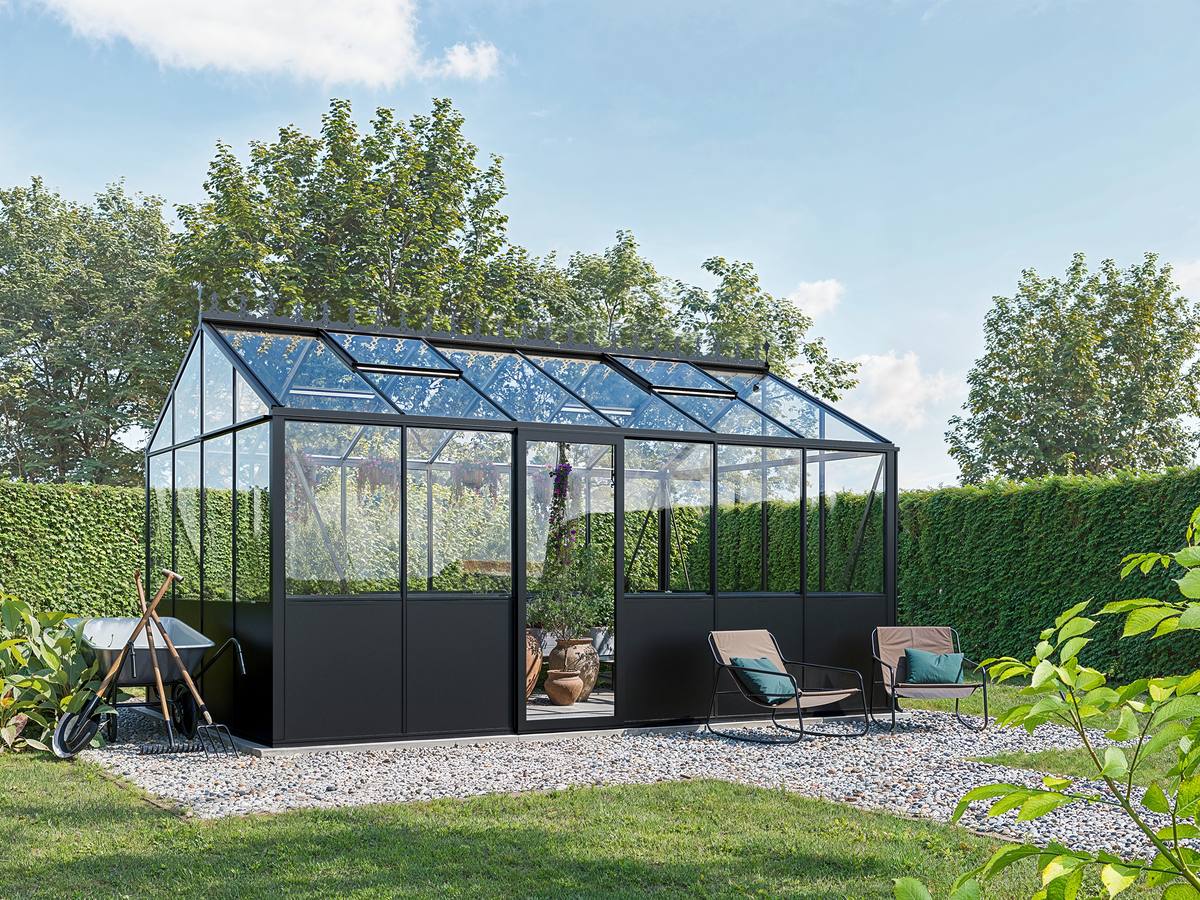
European manufacture can mean shorter supply chains, coordinated processes and accessible quality control, but still needs technical verification. Durable greenhouses, pergolas and outdoor saunas depend jointly on sound design, suitable materials, manufacturing, packaging, assembly and ongoing maintenance.
Buyers need more than a manufacturing address. Check component compatibility, available documentation and practical assembly at your site. The following steps separate verifiable quality indicators from loosely worded advertising.
Recognising European production quality
Good factory control reveals itself through a collection of modest details rather than one impressive feature. Profiles can be identified without confusion; holes and joining points correspond with the design; finishes are consistent; and components meet without makeshift alteration. A complete parts schedule, clear assembly guidance and packing that shields vulnerable pieces in transit are just as significant.
Aluminium quality checks cover cutting, connection machining, surface preparation and the hardware supplied. Glass and panels also need checks on dimensions, edges and markings. Sauna timber requires different controls from powder-coated pergola profiles: assess each product on its own terms.
To explore the main structure categories, start with Greenhouses and conservatories and the Sauna range. Background about the company and its products appears on the About us page.
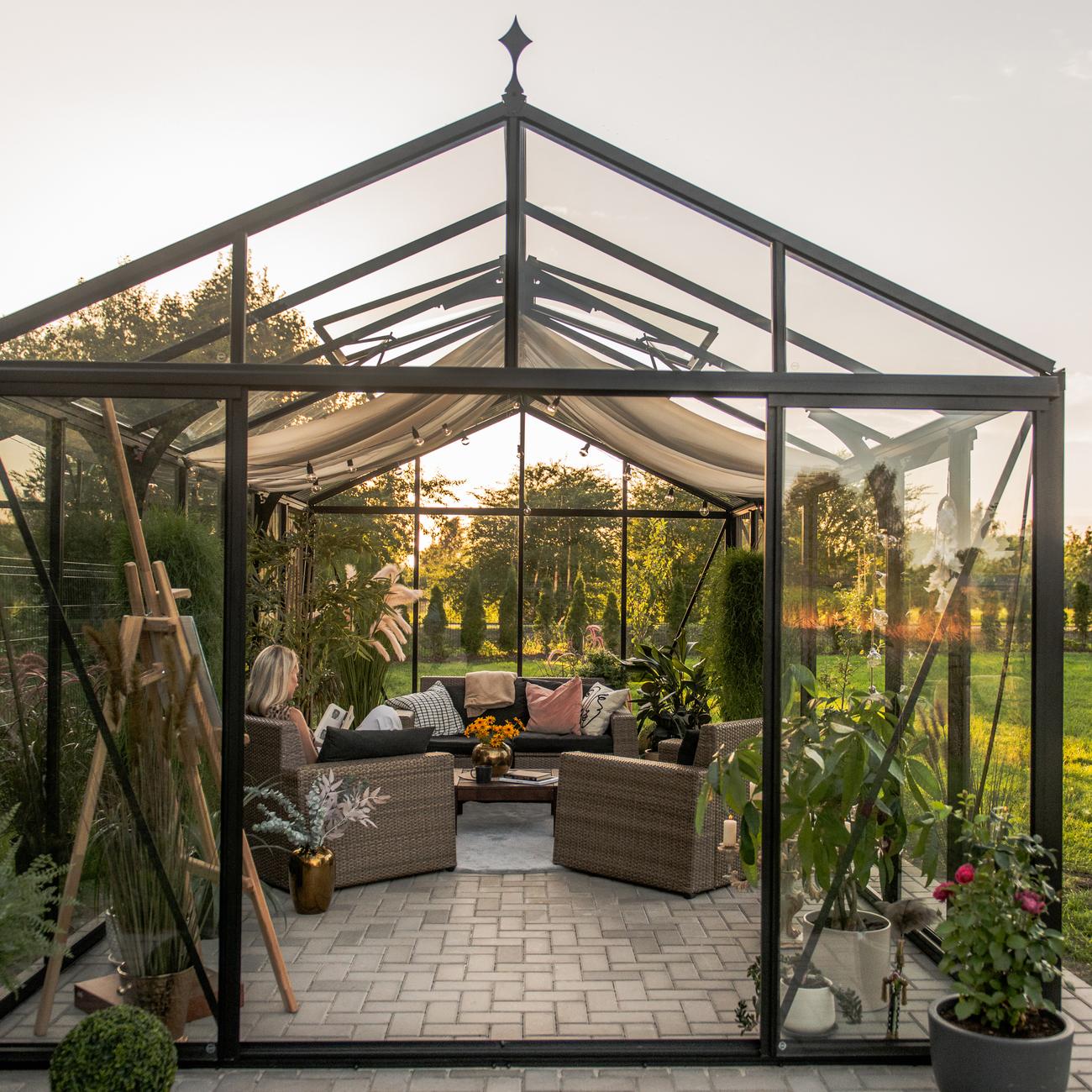
Separate factory quality from installation quality
Even a properly produced kit may suffer if its foundation is unsuitable, components are assigned to the wrong locations or connections are tightened unevenly. Equally, excellent assembly cannot remedy defective design or a damaged part. Keeping these responsibilities separate makes fault-finding more effective.
| Area | Signs to examine | Likely problems |
|---|---|---|
| Planning | Appropriate design, assessed site, confirmed connections | Wrong dimensions, inadequate room, unresolved site conditions |
| Manufacture | Correct machining, all parts present, protected finishes | Omissions, mixed components, machining or packing faults |
| Transport | Secure packing with clearly identifiable consignments | Damage from impact, compression or damp |
| Foundation | Level, suitably positioned and able to carry loads | Twisting, uneven load transfer, fitting difficulties |
| Installation | Instruction-led work with dimensions checked throughout | Misplaced parts, forced assembly, coating damage |
| Use | Scheduled checks and material-appropriate cleaning | Clogged drainage, loosened joints, avoidable deterioration |
Foundations commonly form the boundary between the supplied product and work completed on site. The pergola foundation guide outlines the main considerations. The final foundation still needs to suit the soil conditions, selected product, individual site and any requirements established for that project.
Start with structural differences, not quality labels
Matching floor areas do not establish equivalent structures. Loads travel differently through freestanding frames and building-attached systems; louvred roofs also serve a different purpose from fixed roofs. A greenhouse design must coordinate its shape, glazing, openings, entrance, ventilation and intended interior activities.
Begin by asking whether the quotations address the same purpose. Relevant reading includes bioclimatic and traditional pergolas, guidance on choosing between attached and freestanding pergolas and the practical guide to pergola sizing.
Greenhouse glazing also deserves more than a comparison of cost or sheet thickness. The discussion of polycarbonate, multiwall sheets and insulation sets the principal distinctions in context. Buyers considering a more formal architectural style can also consult the guide to orangery greenhouses and the history of Victorian-style greenhouses .
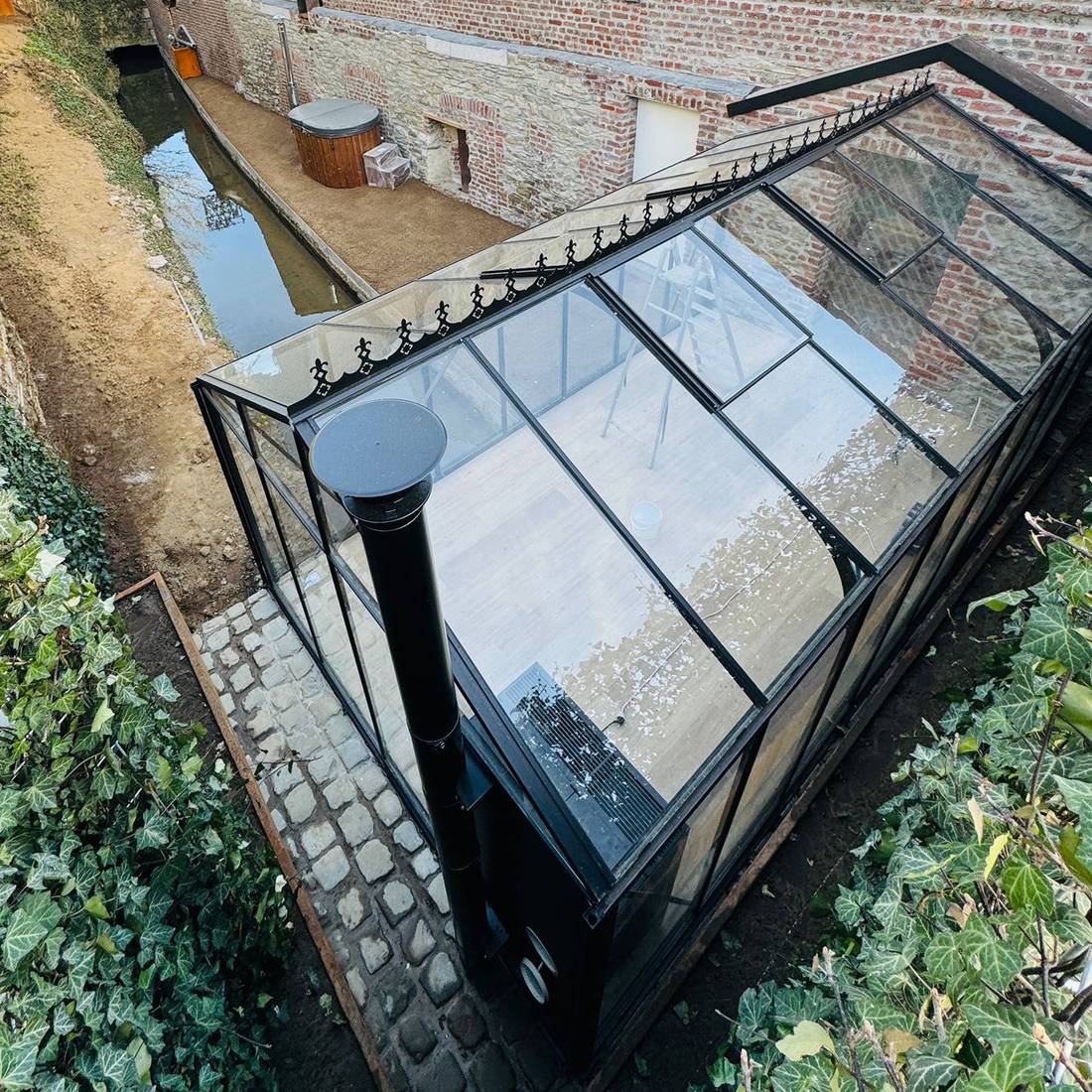
Quality checks to make before ordering
A methodical review before purchase says more than scattered superlatives in a listing. Write down anything that remains uncertain, then obtain answers before placing the order.
- Set the purpose: Decide whether the structure will shelter plants, provide cover for a sitting area or operate as a sauna. Note the doors, ventilation arrangements and access points the intended use requires.
- Survey the location: Measure usable ground and heights, then consider paths, property boundaries, gradient, drainage and whether delivery and assembly crews can reach the site.
- Compare like designs: Place only products with broadly matching functions side by side. A bioclimatic pergola uses a technical approach that cannot be treated as equivalent to every conventional cover. Further context appears in Is a bioclimatic pergola good value?.
- Confirm what is supplied: Request details of the completed structure, every included component, accessories and fixings, along with any work or items that must be arranged separately.
- Examine the records: Establish whether the ordered configuration has its own assembly instructions, parts or packing list and relevant product information.
- Assess materials separately: Judge profiles, infill, timber pieces and finishes according to the role each performs. No single characteristic of one material can describe the quality of the entire system.
- Plan the foundation: Allocate responsibility for foundation design, construction and inspection before assembly. Use the exact product documentation for dimensions and construction details.
- Confirm project requirements: Ask the relevant state or territory authority and local council whether the proposal needs planning or building approval, must observe setbacks or is affected by site-specific controls before work proceeds. Greenhouse or pergola approval guidance can frame the initial questions, but project-specific confirmation is still needed.
- Arrange goods receipt: Review the information about purchasing and delivery and set aside a suitable place for receiving the consignment.
- Retain evidence: Keep the quote, order confirmation, selected configuration and correspondence. Read the information about the commercial warranty that applies to the particular product.
The limits of factory quality control
Factory inspection can uncover machining mistakes, absent pieces, visible finish defects and inconsistencies in how an order has been assembled. Such checks lower risk rather than eliminating it. The product must still pass through packing, transport, temporary storage, foundation construction and installation after its final factory review.
Factory inspection does not resolve inaccurate garden measurements, unsuitable soil, subsequent building alterations, unidentified buried services or assembly contrary to instructions. Planning and use must account for exceptional exposure and local forces. Assess the particular site to establish its requirements.
Nor does an excellent finish resist every form of physical contact. Dragging powder-coated profiles across an abrasive surface, using unprotected tools or leaving metal swarf nearby can cause damage. Glass, sheet products and timber each require handling suited to that material.
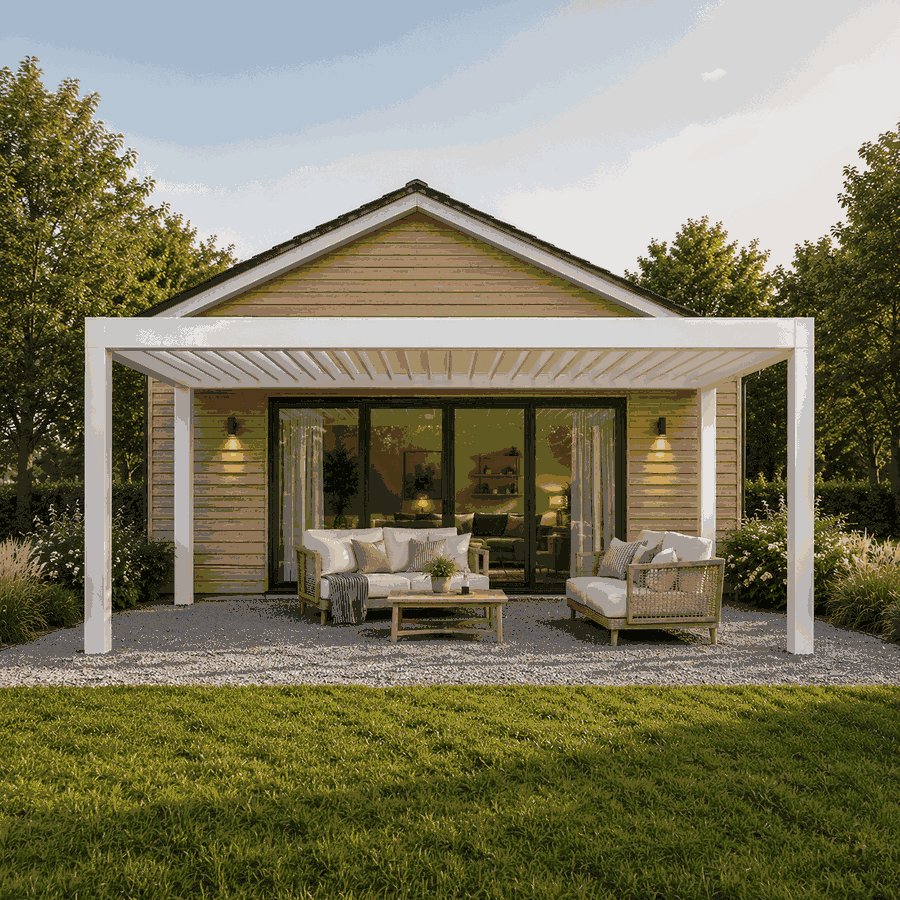
How to receive and inspect an order
Checks while delivery is taking place
Make receiving the goods a planned stage of the project. Before anything is opened or relocated, inspect the consignment from the outside. Reconcile the quantity and labels of the delivered units with the delivery paperwork available to you.
- Look for torn or punctured wrapping, compressed areas, moisture and distorted packaging.
- Photograph each concern at once, including the whole package, affected point, label and its location on the package.
- Note what was observed at handover using the required receipt procedure.
- Avoid dismantling compromised packaging in an uncontrolled way.
- Keep packages level, dry and restrained so they cannot fall.
If anything is unclear, ask Bloomcabin promptly through the Contact page. Damage to the wrapping does not by itself establish damage to the item inside. In the same way, apparently sound outer packaging cannot completely rule out a concealed problem.
Checking the full inventory
Work through the consignment in a controlled order using its packing and parts schedules. Opening every package together makes identification harder. Group pieces by assembly section, and leave their labels attached or available until construction has finished.
- Distinguish profiles using their identifier, shape, length and machined features.
- Place fittings and fasteners in labelled containers rather than spreading them loosely.
- Use appropriate lighting when examining glazing, panels and exposed finishes.
- Peel off protective film only when the specified assembly stage is reached.
- Record absent or questionable components with their part identifier and a clear photograph.
- Do not redrill, trim or straighten anything until its intended position has been verified.
Lookalike components may be handed opposites or intended for different positions. Small holes, drain openings or machined ends often distinguish them. Never assume that visual resemblance makes parts interchangeable.
Preserving factory quality on site
Good site organisation avoids many preventable marks and defects. Keep profiles off paving, bare soil and wet lawn. Rest them on clean, cushioned supports and stop coated pieces rubbing together. Separate and organise the areas used for aluminium, glazing, panels and timber.
- Inspect the foundation: Verify its dimensions, location, level and relevant datum heights before any part of the structure is placed on it.
- Read the complete manual: Understand the order of work and flag any stage that may need several people or specialised lifting equipment.
- Square the frame first: Where later adjustment is required by the instructions, do not tighten the connections permanently too early.
- Measure throughout assembly: Repeatedly verify diagonals, verticals, straight lines, apertures and connections as work advances.
- Select tools carefully: Correct driver bits, covered supports and an uncluttered work zone help prevent scratches and damaged fastener heads.
- Pause if parts resist: When a component needs considerable force to fit, stop and verify its identity, orientation and the assembly work completed immediately beforehand.
Unapproved modifications may change operation, drainage, structural behaviour, corrosion protection and the handling of a later claim. Cutting, drilling extra holes or substituting fasteners should occur only when the product instructions expressly allow it or a competent adviser has approved it for that configuration.
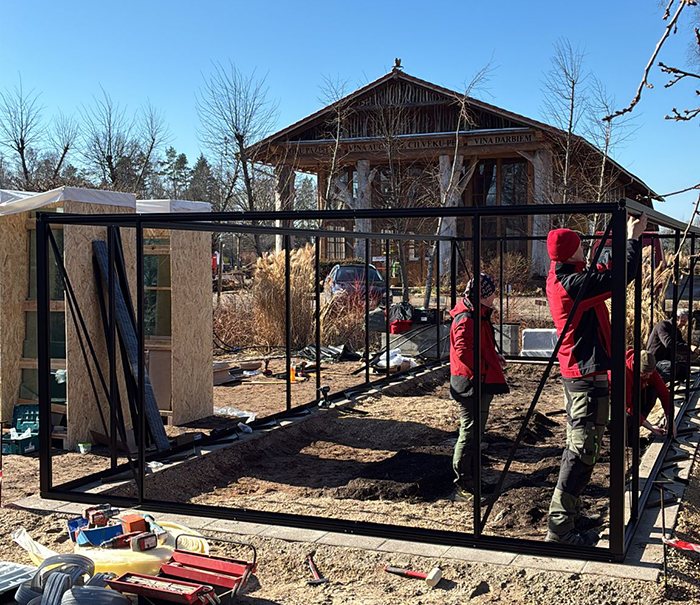
Reading the Anna Koku Skola installation sequence
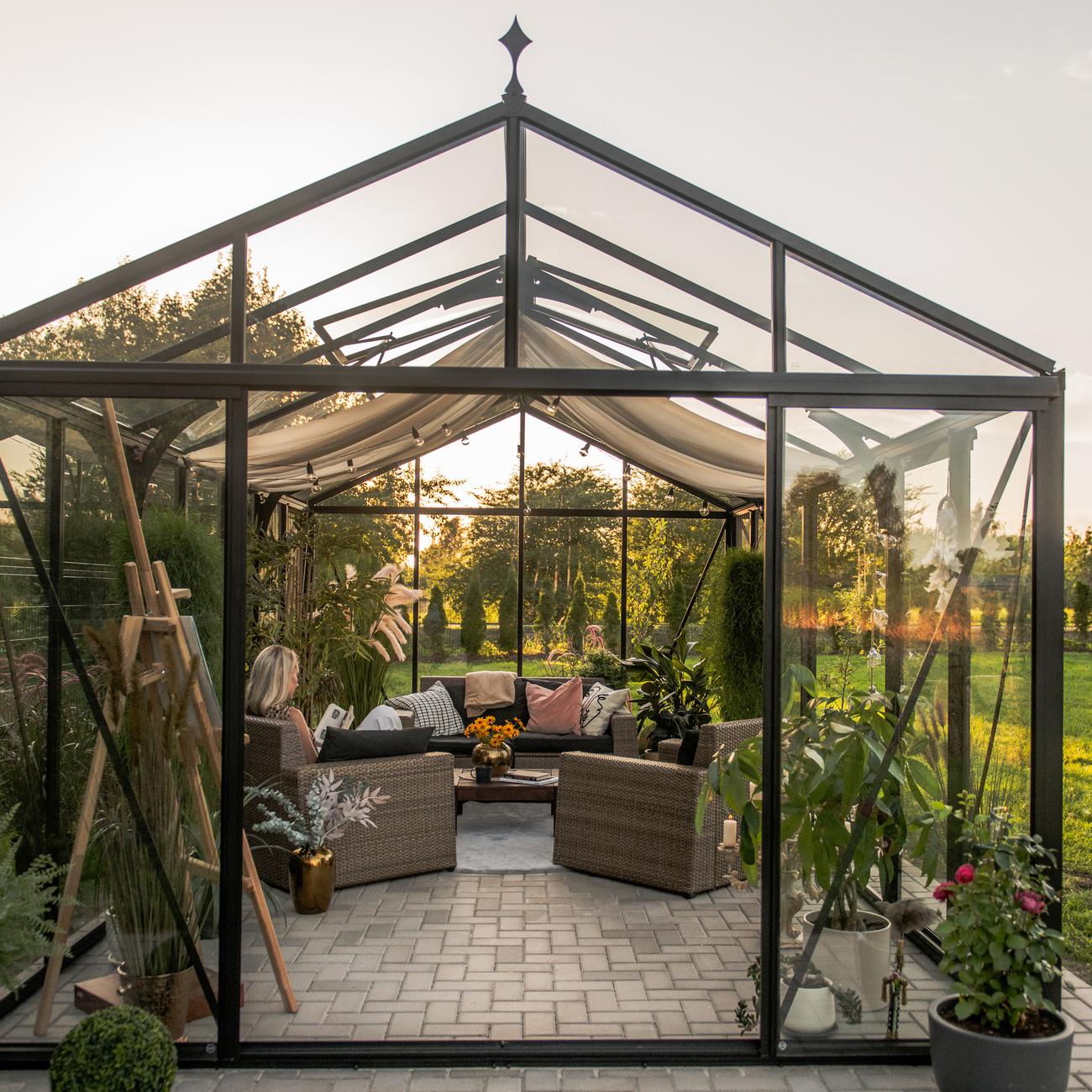
Treat Anna Koku Skola as one documented installation, not a collection of separate reference projects. Its sequential photographs connect site preparation, frame construction and completion. That continuity is precisely what makes the sequence useful when assessing workmanship and quality.
The completed image is not the only useful part of such a series. Consider what happens between stages: how materials are arranged, when alignment occurs, whether workers retain access to each area and at what point vulnerable finishes are exposed. Although photographs rarely reveal every fixing, they can demonstrate the reasoning behind a disciplined order of assembly.
Use photographs alongside, never instead of, the assembly instructions and parts list. Lighting, viewpoint and cladding can hide construction details. A photograph alone cannot establish measurements or technical properties.
Care and operation after completion
After assembly, operate moving components gently: doors, windows, louvres and similar parts should not be forced. Leave drainage routes clear. A further visual check after initial use can reveal accumulated dirt or assembly-related irregularities.
Greenhouse owners can consult the advice on maintaining an aluminium greenhouse for practical care steps. Managing conditions inside is also part of correct operation; the guide to temperature and humidity in greenhouses explains how ventilation relates to use.
For an outdoor sauna, follow its documentation when caring for wooden finishes, air paths, doors and technical equipment. Designs such as the Elma S outdoor sauna and the HC150 thermowood barrel sauna, require their own maintenance checks; do not assume identical routines. Apply the location-specific and product-specific requirements to electrical connections and other technical work.
Put quality language into context
Without context, labels like “premium”, “European” or “handcrafted” offer little evidence. For every quality promise ask three questions: which part does it concern, how can you verify it, and what performance or work is excluded?
Customer reviews may contribute observations about purchasing, construction and use. They cannot replace technical comparison because the site, chosen configuration and people completing the work can differ. Treat reviews of greenhouses as another source of perspective rather than the sole reason for choosing a product.
Compare everything included in the proposal: structure, equipment, supplied items, documentation, preparatory work and assembly requirements. The page explaining the ordering process can assist with planning, while the broader Information library provides more topic-based guidance.
Common questions
Does European origin guarantee superior quality?
No. A place of manufacture does not prove that the design or every individual component is sound. Better evidence comes from unambiguous part identification, accurate machining, the condition of finishes, complete documentation and an inspection process that can be followed and understood.
Do all Bloomcabin greenhouse ranges use identical production and assembly methods?
No blanket assumption is appropriate. Product ranges, material combinations, dimensions and equipment choices may each change the factory and on-site sequence. Refer to the documents issued for the precise configuration ordered.
Is price enough to compare a pergola with a greenhouse?
No. The two product types perform different jobs and connect with their surroundings in different ways. Compare purpose, dimensions, roofing or infill, foundation needs, inclusions and assembly demands before deciding whether their prices offer a meaningful comparison.
How should visibly damaged packaging be handled?
Record the unopened package photographically: include its identifier, an overall image and close-ups. Then inspect the contents carefully and report anything unusual through the designated channel.
How can I distinguish two similar-looking components?
Check identifiers, hole patterns, treated ends, profile cross-sections and installation direction against both the parts schedule and manual. Never test a possible match by forcing it. Mirror-image pieces may be distinguished by only a small feature.
Can an installer modify a component so it fits?
Only when the product documentation permits that modification or competent advice confirms it for the particular situation. Drilling, shortening, bending or substituting parts without approval may compromise operation, surface protection and structural performance.
Does factory inspection include a perfectly built foundation?
No. Foundation design and construction take place at the destination as a separate part of the project. Product records state relevant requirements, while soil, drainage, project controls and the standard of the completed work need assessment on site.
Can construction details be proved by product images?
Photos help you recognise the arrangement, but cannot prove hidden joints, precise sizes or the supplied variant. Check those against the description, chosen configuration, drawings and installation documentation.
What prevents surface damage during assembly?
Provide clean, padded supports, remove dirt and metal filings, and never slide profiles along the ground. Keep protective material in place until the nominated stage. Ladders and tools should have no unprotected contact with coated parts.
What project records are worth keeping?
Retain the quote, confirmation, configuration, delivery papers, parts schedule, manual, arrival photographs, correspondence and proof of installation or specialist work. If possible, also photograph the foundation and important points in the assembly sequence.
Does better manufacture eliminate ongoing maintenance?
No. A well-produced structure still requires cleaning, visual inspection and unobstructed drainage or ventilation routes. Moving and technical elements should be checked and maintained in the manner stated in the documentation for that product.
What comes first when I have not chosen a structure?
Begin with the proposed use, site conditions, space available and equipment wanted. Next, identify suitable product categories and resolve technical uncertainties before committing to an order. Seeking advice through Bloomcabin Contact helps avoid changing an already ordered structure.
