



SUPPORT
Check deliveries and document freight damage
A disciplined receiving check can reveal obvious or hidden freight damage, absent packages and incorrectly supplied items early. This guide explains inspection, photography, reporting and secure interim storage.

Why inspecting delivery matters
Greenhouse, pergola and outdoor-sauna kits combine varied parts: lengthy aluminium profiles, glazing or roofing elements, timber components, fittings, fasteners and, in some cases, factory-assembled sections. Freight may use several pallets plus separate cartons, so a neat, compact load can still hold numerous assembly-specific pieces.
Checking the consignment at handover establishes a clear baseline: the quantity received, packaging condition and signs of mechanical impact. Thorough records then help distinguish superficial damage to wrapping or cartons from an issue that calls for a replacement component or assessment by a technical specialist.
Do not treat the receiving check as a complete assembly audit. Some pieces can only be recognised after the cartons are opened and their contents reconciled with the parts list and instructions. While the driver remains, however, you can immediately note obvious damage, movement within the load or an unexpected package total.
For the usual process, see also Ordering and delivery. For Australian orders, review the separate guidance on ordering a greenhouse for delivery to Australia.

Get ready for the arrival
Choose a suitable receiving and storage area
Decide before arrival where the delivery vehicle can stand and the freight can be unloaded. Consider access, gate clearance, surface condition, gradients, parked cars, overhanging branches and other obstructions. The selected position must safely bear the consignment. If either access or unloading is doubtful, raise the matter beforehand using the contact details supplied with your order.
Choose a flat, firm, adequately lit inspection space with sufficient room. Support long profiles along their length so they neither project dangerously nor sag over isolated supports. Secure glass, panels and assembled sections against falling. Keep every package away from vehicle routes, wet surfaces and roof-water discharge points.
Remove obstacles in advance and prepare a mobile phone or camera, pen and paper, work gloves and, where useful, a torch. Arrange another person for bulky or heavy freight, and never lift awkward pieces unaided. Include receiving-space needs in early project planning, perhaps by consulting the pergola size guide.
Keep relevant documents handy
Keep a digital or printed order confirmation, delivery documentation and any stated package quantities available. Write down the order number, recipient and address. If somebody else will receive the order, ask them to count every package, examine its condition, describe discrepancies precisely and take photos.
Nobody should sign without checking simply because the driver is waiting. A precise entry—such as “long carton crushed at upper-right corner; strap broken”—is more useful than “damaged packaging”. For an overview of the purchase process, read How to order. Other resources for planning and operation appear under Useful information.
Core receiving sequence
- Start with safety: Look for tilting, instability or damage before anything is unloaded. Stay well back wherever an item might move.
- Record the whole load: Take views from several directions, preferably on the vehicle and again as soon as the freight is set down.
- Confirm the package total: Reconcile all delivered pallets and cartons with the shipment details you have. Include loose parcels and items strapped on separately rather than counting pallets alone.
- Examine the exterior: Review corners, edges, bases, protective film, carton faces, bands and securing points.
- Pinpoint each concern: Concentrate on dents, splits, punctures, wet areas, rubbing and signs that contents have shifted.
- Write down variances: Ask for each visible defect or absent package to be described in the available delivery record or the carrier’s electronic system.
- Retain the record: Photograph any electronic or written entry, or keep your copy. Never endorse wording that misrepresents what can be seen.
- Open packages methodically afterwards: Carefully expose areas of concern while disturbing labels, packing and affected components as little as possible.
- Reconcile the parts: Use the packing list and assembly guide to identify everything. Send prompt details of damage, shortages or wrong items through Contact or the order-specific communication channel.
This orderly method is valuable when numerous profiles look alike. Carton quantity bears no direct relationship to the number of listed components inside. Work through each package separately, complete its inspection and leave identifying marks attached.
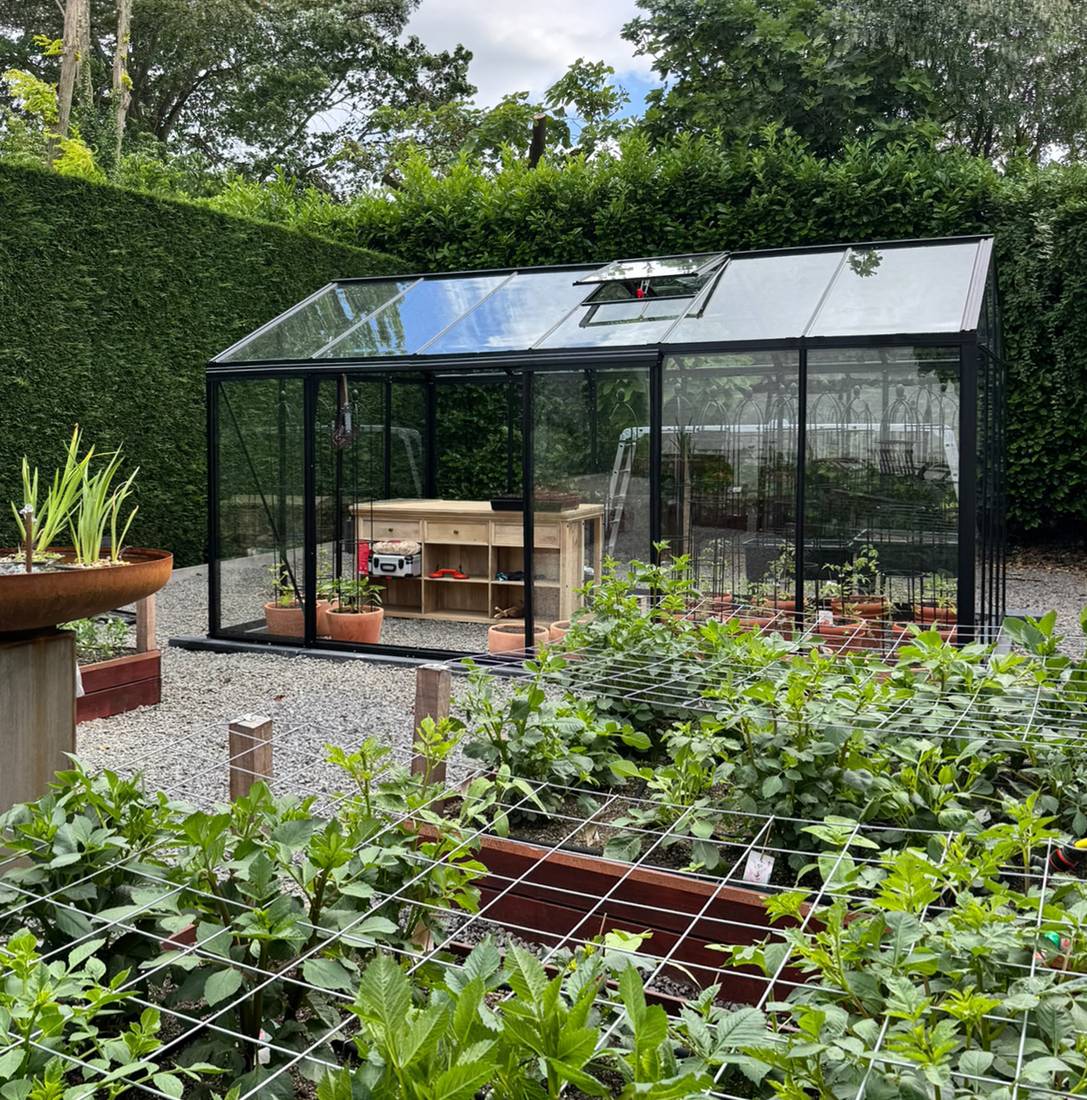
Checks to make before the driver leaves
| Area | Warning sign | Recommended evidence |
|---|---|---|
| Load orientation | Leaning pallet, displaced parcels or poor support | Wide shot before anything moves |
| Cartons and film | Split, puncture, heavy compression, abrasion or separated seam | Context image plus detailed photo |
| Bands | Snapped, slack, embedded in packaging or apparently changed | Show the band, fastener and damaged edge |
| Water exposure | Saturated board, staining or moisture beneath plastic film | Show wet sections beside unaffected material |
| Rigid pieces | Bent profile tips, fractured panels or impaired frames | Capture the defect without stressing the piece |
| Shipment quantity | More or fewer units than specified | Show all freight and each identifying label |
A sound-looking upper surface does not rule out damage below. Forklift contact, an edge strike or pressure focused on one point may affect the base. Do not enter the space beneath lifted or unstable freight; no inspection justifies putting anyone in danger.
Should damaged freight be accepted?
A torn or crushed wrapper does not by itself make the whole order unusable, while tidy outer packaging cannot prove that everything inside is sound. Consider the visible defect’s nature and severity, whether the load remains stable and the receiving directions provided for that particular order.
If exterior damage is minor and unloading and storage remain safe, receipt accompanied by a detailed record may be appropriate. Describe exactly where the problem appears and what it is instead of relying on a vague reservation. General wording is not a substitute for images and a timely notification.
When a load is plainly unstable, important assemblies have severe damage or unloading would be hazardous, do not attempt your own rearrangement or restraint work. Take photos from a protected position and contact Bloomcabin. Decide on complete or partial refusal by consulting the order’s delivery documents and the relevant contact; the correct response depends on the circumstances.
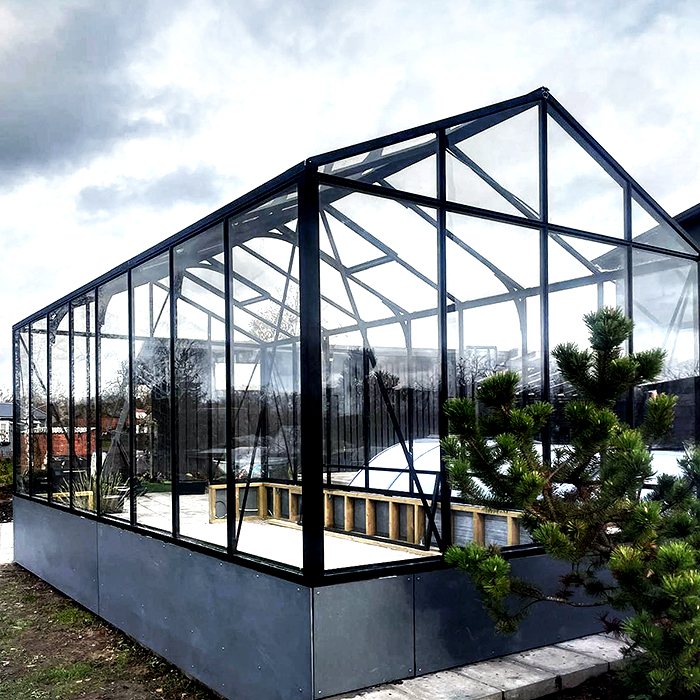
Create useful photographic evidence
The aim is evidence, not an artistic image. Each photo should connect the damage to an identifiable consignment, establish its location and convey its scale. Use balanced lighting and review every shot for focus before moving on.
- Context shot: the entire pallet or parcel in its immediate setting.
- Position shot: the affected place beside an identifiable edge, corner or package code.
- Detail shot: a clear view of any split, dent, fracture, scratch or distortion.
- Identification label: make the shipping or parcel label legible, while avoiding unnecessary public disclosure of private information.
- Inside the carton: record where the affected piece sits before lifting it out.
- Part identifier: place the existing code or item reference in the same frame as the defect.
A straight, unstressed reference object or ruler may clarify distortion. Position it without increasing the bend or marking a delicate finish. Keep the source photos free from filters, drawing and other edits. Annotated duplicates can aid an explanation, provided the untouched originals are also retained.
Classifying damage, shortages and wrong items
Damage apparent at handover
Some freight damage is evident before acceptance is finished. Warning signs include split cartons, compressed ends, fractured panels, distorted frames and unsecured parts. Photograph the condition before opening the package and request an entry in the delivery record. Unwrap it cautiously afterwards so the relationship between the outside impact and affected contents remains clear.
Damage revealed after opening
Other defects are concealed until a carton is opened. Examples include a profile bent within the box, coating damage, a fractured element or a misshapen connector. Pause when you reach the problem, capture how the component was originally packed, and retain both the carton and protective material. Notify the relevant contact promptly, following the documents supplied for the order.
Identify greenhouse panels carefully, as packing impressions or removable protective film can be confused with damage to the panel itself. For an explanation of the material, read polycarbonate for greenhouses. Broader project examples are also available among the greenhouses and conservatories.
Absent packages and individual components
Establish whether an entire package or only one component is absent. A pallet or standalone carton listed for delivery but not received should be noted during handover. A missing screw, fitting or profile within an delivered parcel will generally emerge only when its contents are checked against the parts list and assembly guide.
Work methodically through every related carton. Small fittings may be secured to a larger piece or tucked into accessory boxes and hollow sections. Report the reference, description and required quantity rather than writing only “missing parts”. Early use of the assembly guide also helps distinguish mirrored components, optional equipment and pieces intended for a later stage.
Items supplied in error
Two components may initially seem identical. Check the identifier, hole arrangement, connection profile, material, finish and illustrated location. Leave the suspect item unmodified and uninstalled. Place it beside its label for a photo, then specify both the item ordered and the one actually received.
Use the same approach for products including a classic or bioclimatic pergola, either a freestanding pergola or one fixed to a wall , as well as more involved sauna kits.
Prepare a complete damage notification
Supply the following information
- the order reference, recipient and delivery address,
- the arrival date and, if relevant, when the issue was discovered,
- the received totals for pallets and other packages,
- a precise account of the external packaging,
- identifiable part references or item numbers involved,
- the nature, position and severity of every defect,
- whether it was apparent during handover or uncovered later,
- images covering the shipment, wrapping, labels and affected components,
- a retained image or copy of delivery annotations,
- confirmation that the component remains in its documented condition.
Organise multiple concerns by parcel and part reference wherever possible. A single structured notification is easier to assess than unrelated messages sent separately. Keep matters such as warranty separate from the evidence documenting freight condition.

Leave suspect parts uninstalled and unrepaired
Trying to straighten a distorted profile, refinish a coating or test-fit a cracked panel alters the evidence. A visual check alone cannot establish whether the connections, dimensions or structural performance remain sound. Until technical feedback arrives, avoid drilling, cutting, bonding, sanding, heating or otherwise working on the disputed component.
Routine care described in aluminium greenhouse maintenance is different from rectifying freight damage. If the enclosure, cable or connection of an electrical or heated outdoor-sauna component looks abnormal, do not connect it as a test. Have a suitably qualified local professional assess the technical and electrical requirements that apply before use.
Safeguard everything else
Finding one defect does not justify exposing the remaining order. Keep inspected and uninspected parcels apart, either physically or with removable markers. Unless the instructions direct otherwise, lay profiles flat with support distributed along them. Secure delicate frames and panels so that knocks, wind, water and movement around the work area cannot harm them.
Retain the original packing while the issue is being considered. If damp outer material must be removed to avert additional harm, photograph it first. Replace it with an appropriate dry cover that does not seal moisture inside. Keep labels, cushioning and relevant carton pieces available in case they assist identification or technical review.
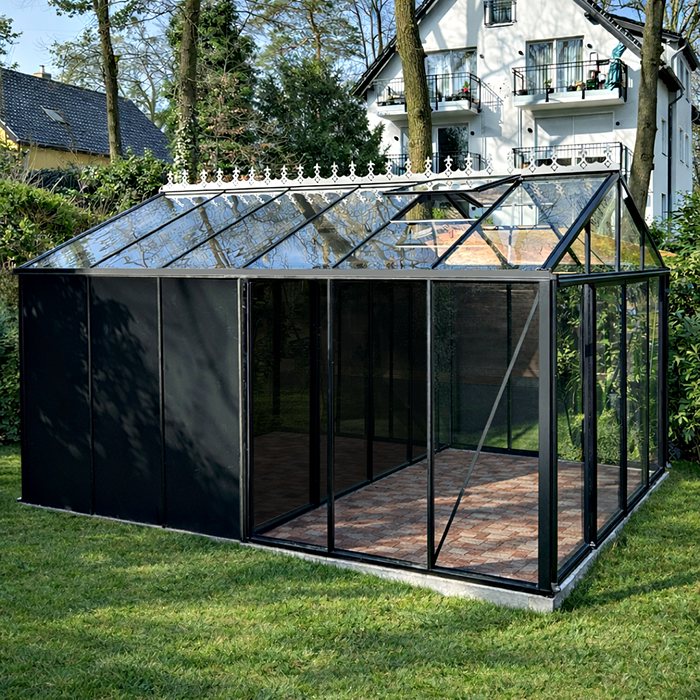
Receiving different kinds of outdoor structures
Greenhouses: Provide long profiles and clear elements with a tidy, flat support surface. Decorative or period-style projects, illustrated in our guide to Victorian greenhouses , can include many frame pieces that appear alike. Do not remove their identifiers until each has been conclusively matched. A proposed orangery also needs adequate, orderly storage.
Pergolas: Long posts, beams and roofing pieces may carry considerable weight. Place them where they will not cover prepared footing positions. The pergola foundation guide can help arrange the work area. Roof selection is a separate design decision, considered in Should you choose a bioclimatic pergola?.
Outdoor saunas: Store substantial timber sections and frame members on a dry, stable surface protected from dirt. With products such as the Elma S outdoor sauna, the Elma L or the HC150 barrel sauna , choose and prepare the receiving space before unloading begins. Browse further products and advice in the sauna section.
For every structure, investigate the controls that apply to its proposed location and design. Our guide to planning approval for greenhouses and pergolas sets out the questions to raise. In Australia, confirm applicable state or territory rules, council controls and site-specific requirements before proceeding.
Fast handover review
- Are vehicle access, the set-down point and secure storage ready?
- Do you have order details, shipment information and a camera?
- Was load stability assessed before unloading began?
- Have you counted pallets, cartons and separately attached parcels?
- Were packaging bases and edges examined as well as the top?
- Do your photos cover context, details and identifying labels?
- Are discrepancies described precisely in the delivery record?
- Were suspect cartons opened cautiously and their contents identified?
- Have affected parts been left in their documented condition?
- Was one complete notification sent promptly?
Questions about receiving freight
Does torn packaging prove that the product is damaged?
No. Packaging may absorb an impact while protecting everything inside. Even so, photograph the affected place and open it with care. A dependable conclusion is possible only after examining the corresponding component.
What should I do if hidden damage appears after the driver leaves?
Pause at the point of discovery. Capture the component, its packed position, inner protection, outer carton and identification label. Preserve all of those materials, then notify the relevant contact promptly with the order reference and part number. The absence of a handover annotation does not prevent you from documenting damage that was concealed.
Can packaging be discarded once every component has been checked?
Keep it while any damage, shortage or wrong item is still being investigated. The carton, labels and protective material can establish where a component sat and which parcel contained it. Undamaged packaging may also protect components during interim storage.
Can I repair or straighten a distorted piece?
Wait for technical advice. Attempted straightening may cause further dimensional change and obscure the condition as delivered. First provide identifying details and clear images. Avoid independent work involving force, tools or heat.
What if all packages arrived but one component did not?
Review the complete parts list and assembly guide. Without harming anything, inspect accessory boxes, hollow spaces and attachments on larger pieces. Then identify the absent item by its exact reference and required quantity; a message saying only that a fixing is missing will rarely identify it sufficiently.
Is freight-damage reporting also a return or warranty claim?
No. The report establishes condition and completeness at delivery. Warranty and return pathways are separate, and this documentation does not limit applicable rights under Australian Consumer Law. Begin with an objective account of when the discrepancy became apparent and how it was found.
How many images are useful?
Provide the views needed to establish the item, defect position and scale, but avoid sending many near-duplicates. One issue will usually need a context shot, a location image, detail, the label and its position within the packing. Where several components are involved, make each reference individually recognisable.
May work continue with unaffected parts?
Proceed only where doing so cannot compromise assessment or obstruct the eventual fitting of the disputed piece. Pause when the problem involves structural, connecting or dimension-critical components. Avoid a construction sequence that hides the defect or leads to avoidable dismantling.
How should I respond to a load that seems dangerous?
Stand clear, direct everyone away from the hazard and never enter a space beneath or between unstable parcels. Do not use your hands to restrain heavy items that have moved. Photograph the condition from a protected location, then coordinate what happens next with the driver and the contact responsible for the order.
What matters most during handover?
Before completing acceptance, establish the exterior condition and confirm how many packages have arrived. Precise written observations and well-framed images provide better evidence than memory. Afterwards, unpack systematically, match every piece to its reference and submit a prompt, organised notification.
Explore further growing and technical articles in the Bloomcabin Blog, including advice about greenhouse temperature and humidity. Those operating considerations come later, once receipt, foundation preparation and assembly are correctly finished.
