



Easier-care garden structures: the practical jobs that remain
Low upkeep does not mean maintenance can be forgotten. For a greenhouse or pergola, a garden building or an outdoor sauna, the actual workload depends on material choices, position, access, drainage and correct installation. This guide examines those factors.
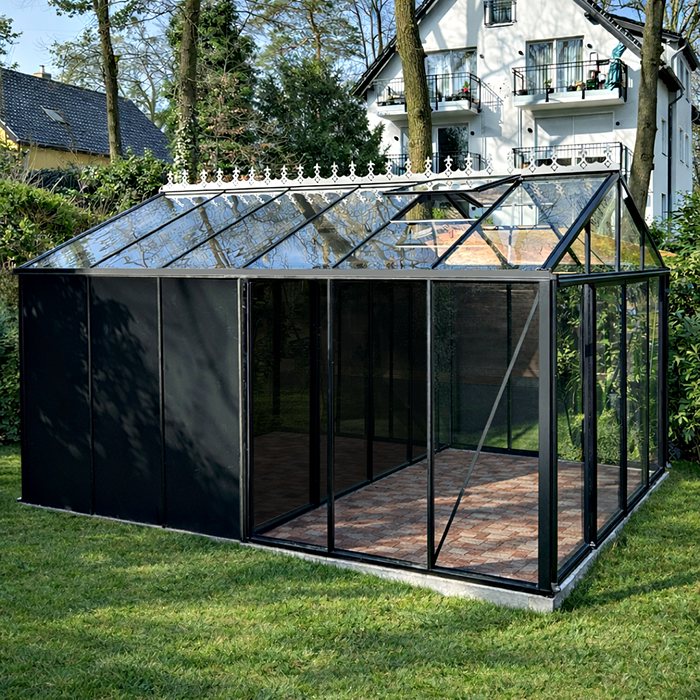
Years of straightforward ownership begin with a structure whose material, position, base and use work together. Even then, cleaning, inspections and small adjustments remain necessary. The practical test is whether each task is accessible, foreseeable and achievable without elaborate specialist measures.
Understanding easier upkeep
Looking after a structure extends beyond the surfaces you can see. Water outlets, hardware that moves, fasteners, junctions and the surrounding ground all require attention. Easier-care designs combine hard-wearing materials with reachable components and a location where leaf litter, moisture and encroaching vegetation are manageable.
Untreated timber may need recurring finishes; aluminium generally does not. Even so, glazing and infill panels require washing to preserve light, views and deliberate run-off. Reliable operation of windows, doors and louvres also depends on clean hinges and tracks. More detail appears in the aluminium greenhouse care guide.
No material is automatically easy-care. Appropriate design, accurate assembly and small jobs performed regularly create that outcome.
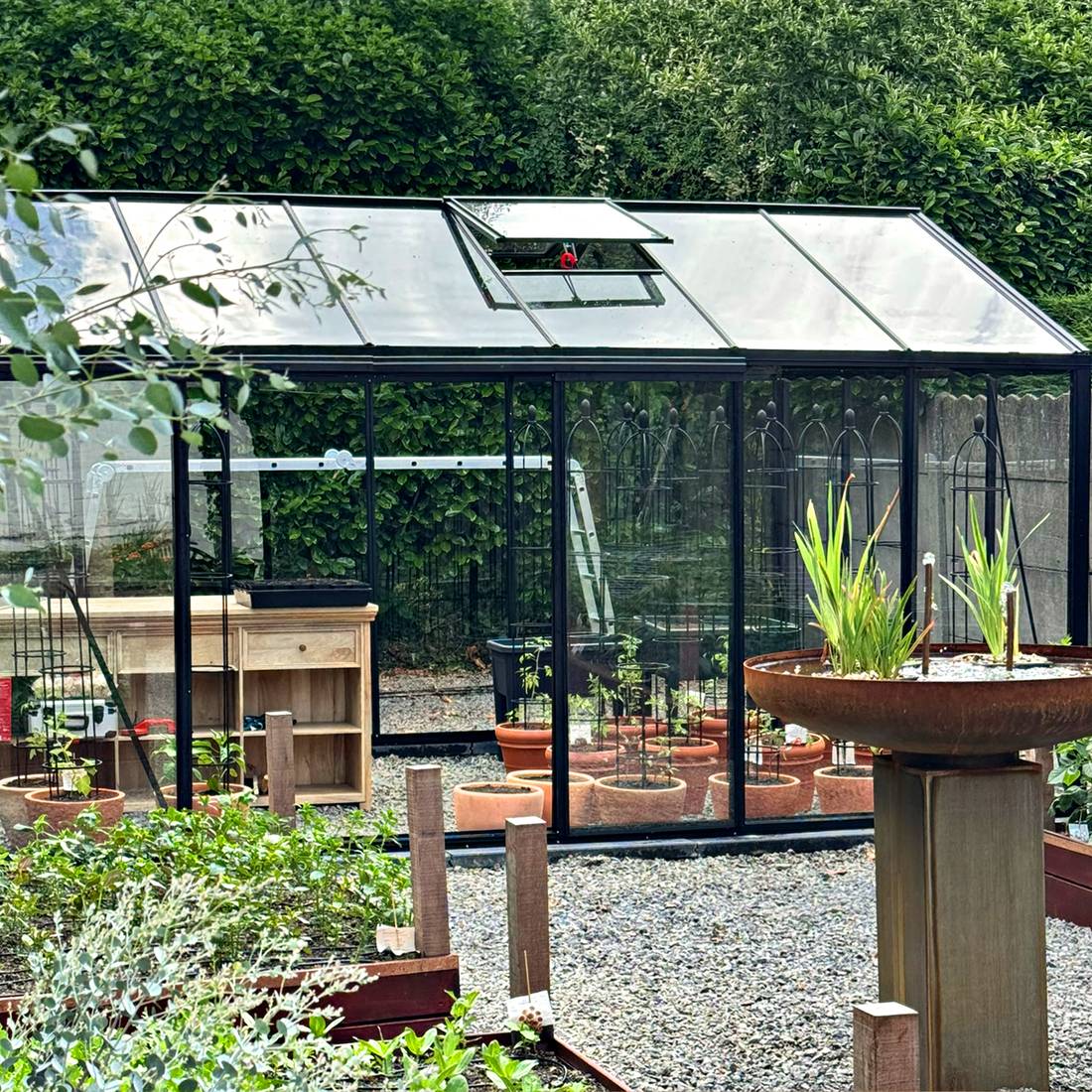
Common garden structures compared
| Structure type | Typical care points | Key considerations |
|---|---|---|
| Aluminium greenhouse | Glazing, gutters, door and window mechanisms, fixings | Clear drainage, ventilation and undamaged glass or panels |
| Timber garden shed | Cladding, end grain, connections, roof and base area | Moisture protection and, where needed, renewed surface treatment |
| Pergola | Roof, louvres, gutters, downpipes, post bases and moving parts | Unobstructed drainage routes and cleaning suited to the structure |
| Outdoor sauna | External shell, roof, door, ventilation areas and interior | Moisture management, drying and care appropriate to the material |
The better comparison is not simply which material demands less attention, but which set of jobs suits your habits. Aluminium removes some finishing work; timber can call for closer monitoring of coatings and damp. Sauna upkeep also reflects frequency of use, airflow and drying. Browse examples under Greenhouses and conservatories, Garden sheds and Saunas.
Within each group, upkeep varies too. Greenhouse routines change with the form, glazing and quantity of openings. The guide to Polycarbonate in greenhouses discusses other selection factors. With an outdoor sauna, examine access to its exterior and service areas as well as the shape. Consider this when weighing up the Elma S outdoor sauna, the Elma L outdoor sauna or the HC150 thermowood barrel sauna.
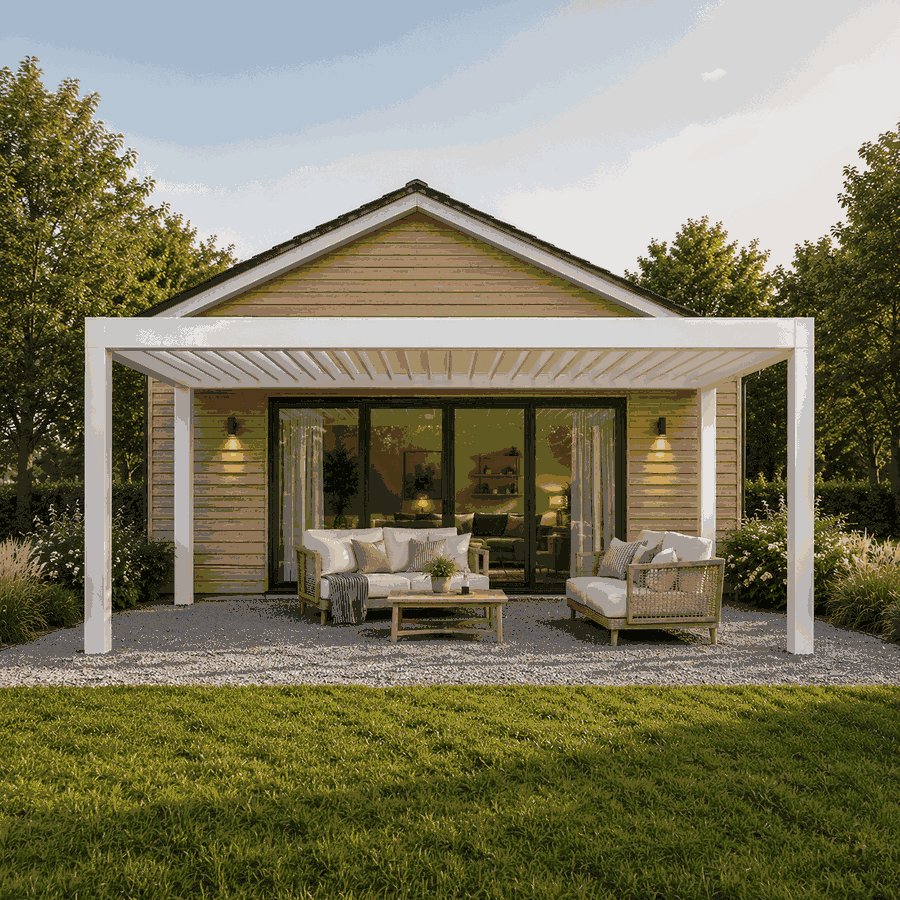
Points to resolve before selecting a structure
How will the structure be used?
Intended activities determine the sources of dirt, moisture and physical wear. Greenhouse tasks involving growing media, watering and leftover plant matter differ from care beneath a pergola. Vegetable cultivation needs paths that clean easily and unobstructed ventilation openings. Practical guidance is provided in our articles on greenhouse-grown lettuce and Greenhouse temperature and humidity.
Consider the pergola’s primary purpose: providing shade, sheltering a dining area or linking frequently used space to the home. For a sauna, use intensity, ventilation and drying opportunities influence maintenance more than its footprint alone.
Can every care area be reached?
Leave sufficient working space between the structure and nearby hedging, fencing or walls. Maintenance access to external surfaces, guttering and connections should not depend on unsafe improvisation or repeated damage to plants. Plan how to inspect the roof safely, including a suitable access route. Only walk on a roof when that particular model expressly permits it.
Size alone does not determine upkeep: a larger building with good access may be simpler to maintain than a small one squeezed beside planting or boundaries. Allow maintenance space as well as useful floor area. Advice for planning a pergola is in the Size guide can assist with early planning.
Does the material suit your preferred care routine?
Aluminium often appeals when regular sanding and refinishing are unwelcome. Choosing timber for its natural character also means checking the surface and details vulnerable to damp. Heat-modified timber behaves differently from untreated wood, yet it is still a natural material. Always rely on the individual model’s care guidance. For another view of this construction style, read about Outdoor barrel saunas.
Delivery planning supports easier ownership
Organise delivery to avoid improvised storage and prevent unnecessary damage. Before ordering, inspect vehicle approaches, narrow sections, slopes, gates, trees and the route from unloading to assembly. Allocate someone to receive the goods and arrange dry, level storage that follows the component handling instructions.
Have the work area ready before delivery: clear the carrying route, complete or firmly schedule the base, and leave room to assemble. Do not let packaged parts sit outdoors for long merely because the footing or approvals remain undecided. Process details are under Buying and delivery and How to order. For Australian delivery coverage, including territories and islands, see Greenhouse delivery across Australia .
In NSW, exempt development avoids planning and building approval only when every applicable standard is satisfied. For any Australian site, ask the relevant state or territory authority and council whether approval, notification or certification applies, and check boundary and drainage controls before work starts. An introductory overview appears in Greenhouse and pergola approvals.
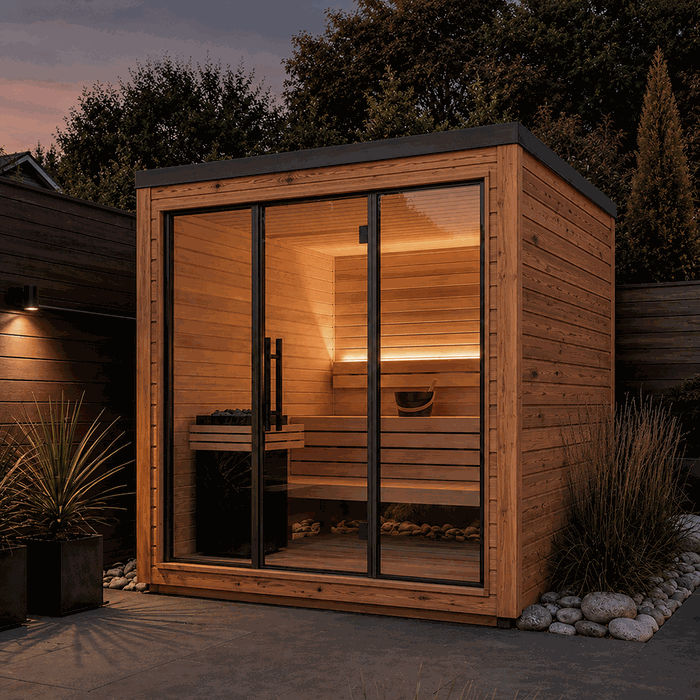
Assembly choices with lasting effects
Prepare the site first
Unsuitable groundwork creates future costs. Settlement or poor alignment can affect windows, doors, glazing and drainage. Choose a foundation appropriate to the product, ground and location. Before building, check size, flatness, anchoring and water removal. When planning a pergola, the Pergola foundation guide helps with preparation; model-specific information remains decisive.
Choose the rainwater discharge route as well. Avoid persistent ponding at the base and uncontrolled flow towards adjoining land, and check the drainage requirements for the site.
Follow the sequence for your model
Similar-looking kits may use different profiles, fasteners and build orders. Work only from the correct model manual; review the parts, tools and stages first. Never substitute connectors by instinct, because a change may compromise alignment, operation or support later.
Set checkpoints through the build: base and square, frame, roof, glazing or cladding, openings, then final operation. Problems are easier to correct before subsequent pieces obstruct them.
Test operation before furnishing
Before adding shelves, pots or furniture, cycle every door, window, vent and louvre several times. Review clearances, closure, drainage paths and exposed fixings; adjustment is far simpler while the interior remains empty.
Fit accessories only at model-approved positions, especially heavy shelving, suspended items, lights and heaters. Before undertaking electrical work or connections, ask a locally licensed electrician which state or territory requirements, certificates and installation conditions apply at the site.
A realistic maintenance plan
Rather than relying solely on dates, combine routine visual reviews with checks after relevant events. Local climate, vegetation, exposure and usage should set the timing.
- Ongoing: Clear soil, plant matter and stray items from tracks, vents and drainage channels.
- Seasonally: Wash exterior surfaces, clear gutters and outlets, operate doors and windows, and look for lingering damp around the base.
- After severe weather: Review the roof, glazing, fixings, outlets and overhanging branches promptly; do not defer any damage until a scheduled inspection.
- Before intensive use: Review technical equipment, accessories and fit-out against their own instructions.
Cleaning aluminium and glazing
Remove loose dirt with water or a soft implement before using a mild, compatible cleaning agent and a soft sponge or cloth. Harsh tools, abrasive cleaners and strong chemicals risk damaging glasswork, seals and surfaces. Always consult care guidance for the individual product. If compatibility is uncertain, test a concealed spot first.
Clear greenhouse glazing admits more light, but washing it cannot manage the growing climate. Shading, watering and ventilation still need separate attention. For an assessment of access and use in larger decorative forms, consult Choosing an orangery can also help assess use and accessibility.
Timber needs a different approach
Moisture, sunlight and detailing all affect timber. Pay particular attention to end grain, joints, low sections and pockets that dry slowly. The species, previous finish, exposure and maker’s directions determine if and when another treatment is due, so no single interval suits every structure.
Durability starts with design measures: drainage that stays open, separation from continually wet plants and sound roofing details. No timber structure should remain wet because soil, mulch or objects have been heaped against it. For individual sauna options, useful details include those for the HC 180 barrel sauna or HCF 225 barrel sauna .
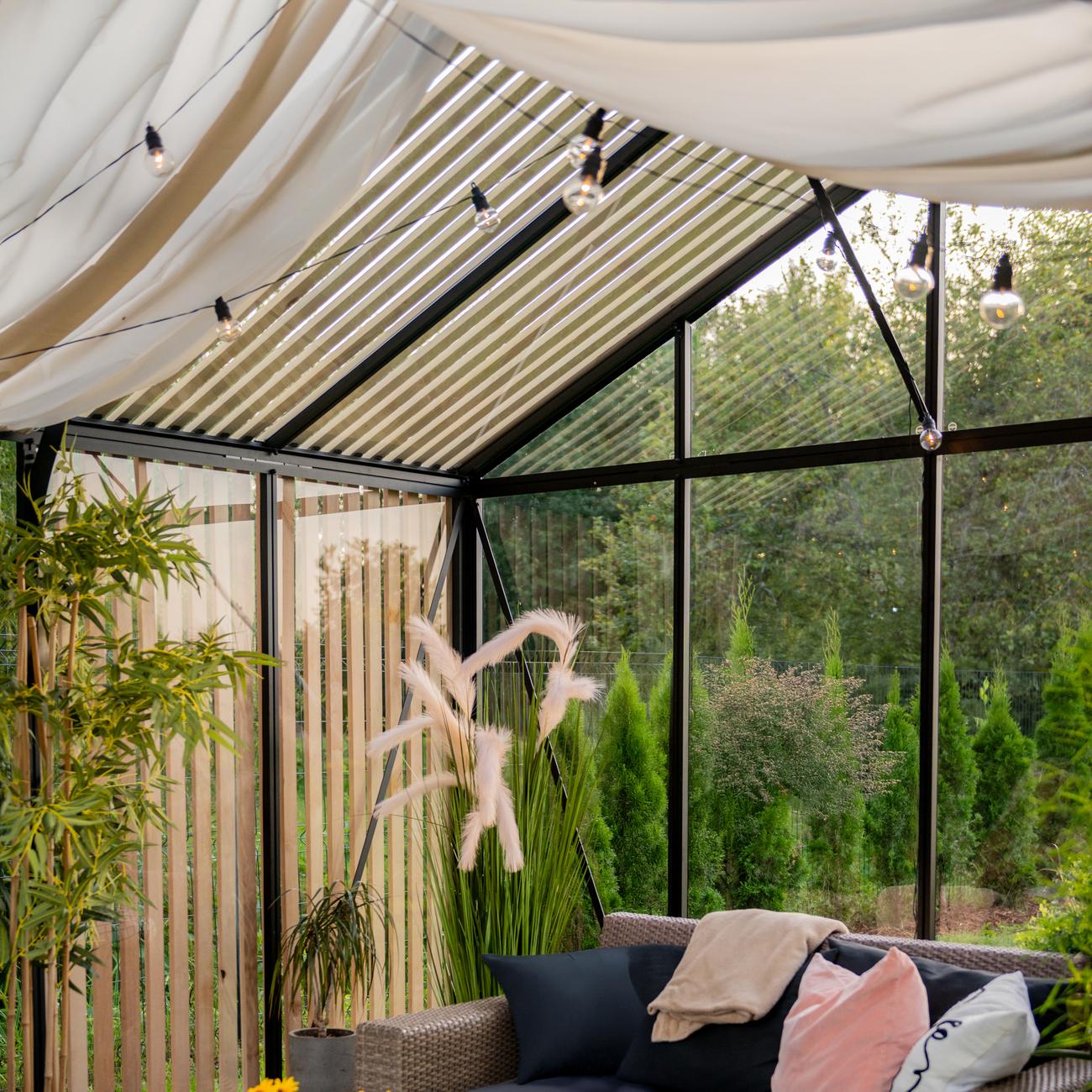
Pergolas: simple care, consistent water management
Pergola attention centres on the roof or louvres, gutters, outlets, feet and mechanical hardware. Seeds and foliage may obstruct flow. Check after storms, local leaf fall where relevant, or a long idle spell. Service, adjust or lubricate mechanisms exactly as the relevant model manual directs.
Wall attachment creates junctions unlike those on a freestanding unit. The comparison Pergola fixed to a wall versus a freestanding design sets out that choice. Roof-system differences appear in Bioclimatic or classic pergola. The companion article Bioclimatic pergola and glass roof explains further practical considerations.
Instructions, records and support
Store the build manual, order records, component lists and finished-installation photos in one place, noting accessories added afterwards. Images of hidden wiring routes and attachment points can assist with later work.
Record any problem with both a wide photograph and a detailed view before modifying components. Have your order information and model identity available when seeking assistance. For general information, visit Useful information; for specific questions, contact Bloomcabin . The relevant paperwork defines the conditions and extent of any promised cover; consult Warranty. Buyer experiences can highlight practical details, although neither the model instructions nor an assessment of your site can be replaced by reviews. Read Greenhouse reviews.
Checklist for a low-maintenance purchase
- Does the chosen design match its planned purpose?
- Does its material align with the cleaning and upkeep you prefer?
- Will the roof, cladding, drainage routes and mechanisms remain accessible?
- Will sufficient clearance remain from hedges, walls and boundaries?
- Is the base prepared for the specific model?
- Is there a managed outlet for rainwater?
- Are vehicle access, unloading, temporary storage and assembly space organised?
- Have you asked relevant authorities about consent, setbacks and site drainage?
- Are the model-specific instructions available?
- Will the structure accept the proposed shelves, heaters, lighting or suspended fittings?
- Can inspections after storms, local frosts or alpine snowfall be completed safely?
- Where will you keep the manual, proof of purchase and maintenance records?
Common questions
Is an aluminium greenhouse effectively maintenance-free?
No. Aluminium avoids some finishing work, but the structure still needs care. Keep glazing, gutters, runners, openings, fasteners and the base junction clean and operational. Frequent brief inspections reveal blockages or poor alignment early.
Is caring for a smaller greenhouse necessarily easier?
No. There is less surface to wash, but tight aisles and cramped outside clearances may hinder access. The decisive factors are layout, reach, ventilation and workable room on every side.
Which requires less care: a timber shed or an aluminium greenhouse?
Aluminium greenhouse frames usually avoid recurring timber finishes, though glazing and ventilation still require attention. A timber shed needs closer monitoring for damp and surface condition, yet sound detailing and steady care can keep it useful long term. Choose the routine that suits you.
Can garden structures be cleaned using a pressure washer?
Only where the care manual for that model permits it. High-pressure water may harm seals, finishes, joints, timber or fragile glazing, or drive moisture into junctions. Soft tools and a gentle wash usually offer better control.
What deserves attention after damaging weather?
Inspect glazing and roof elements, louvres, visible fixings, opening doors and windows, and all guttering and drainage outlets. Remove fallen branches or debris only when safe. Do not operate or load a visibly damaged area until the appropriate response has been established.
Can planting sit right against a greenhouse or shed?
Leave some separation. Thick growth prolongs surface dampness, reduces airflow and obstructs washing or inspection. Attach climbers to cladding, gutters or frame profiles only after checking that the planned support is suitable.
Is a freestanding or wall-attached structure the better choice?
Wall-mounted structures can integrate well with pathways and terraces, provided the existing building is suitable and connections are carefully designed. A freestanding structure offers more choice of position but needs secure support and drainage on every side. In either case, check accessibility and local requirements.
Could shelving, heaters, lighting or suspended accessories be added later?
The construction, available fixing locations and manufacturer’s guidance must permit them first. Do not attach additional weights to roofing or frame profiles without checking. For heaters and electrical appliances, consider moisture, ventilation, required separation distances and applicable local technical rules as well.
How much annual maintenance time is realistic?
No standard annual total applies because dimensions, planting, weather, material and patterns of use differ widely. Plan several brief inspections, a deeper clean suited to the local season, and extra checks after exceptional conditions.
What makes the structure straightforward from the outset?
Select a position with good access, finish the base before arrival and follow the assembly manual precisely. Preserve clear drainage, arrange the fit-out so openings remain reachable, and begin a basic care log early. Low effort comes mainly from planning rather than later remedies.
