



COMPARE
Manufacturer-Direct Purchasing: Benefits and Boundaries
Ordering from the maker can shorten the route to technical answers, make alternatives easier to assess and simplify future spares or upkeep enquiries. Even so, settle who handles site checks, the foundation, permissions, unloading and assembly before committing.
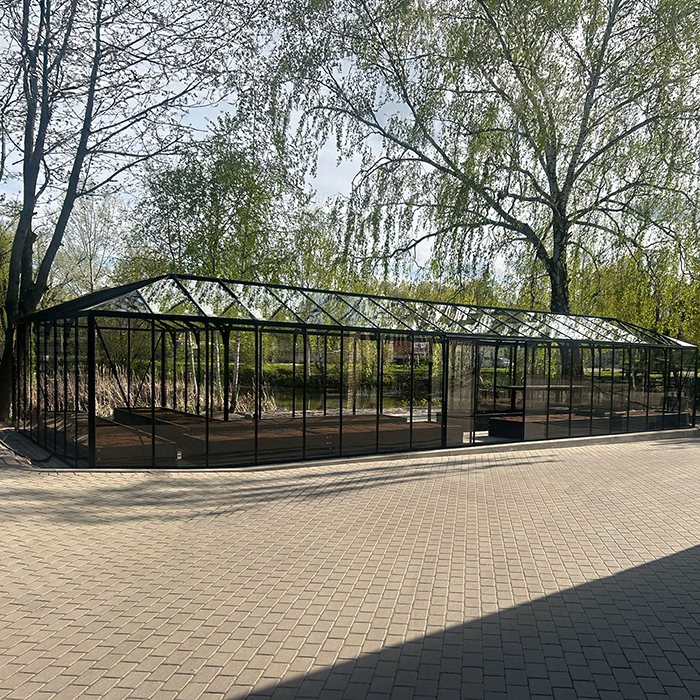
People commonly anticipate a keener price when buying a greenhouse, pergola or outdoor sauna from its maker. Price is not the sole consideration, however. Dependable specifications, intelligible options, defined responsibilities and orderly records from quotation to future maintenance may be just as valuable.
Direct ordering still calls for a site assessment and local planning for permission and assembly. The strongest decisions combine product expertise with professional knowledge of the location.
What counts as a manufacturer-direct purchase?
In a direct sale, the buyer contracts with the manufacturer or the manufacturer’s own sales organisation, without a separate retailer reselling the structure. Information about models, configurations and accessories consequently comes from the organisation responsible for documenting and understanding the product system.
One sales contact does not make manufacture, transport, unloading, foundations, assembly, electrical work and official liaison a single service. Before purchase, the written quotation must divide included work from duties assigned to the buyer or local trades.
Nor should “factory direct” be read as full project supervision on site. Direct sales can support an informed product choice, but ground conditions, slope, access, boundaries, utility routes and exposure to wind or snow must still be examined for the location.
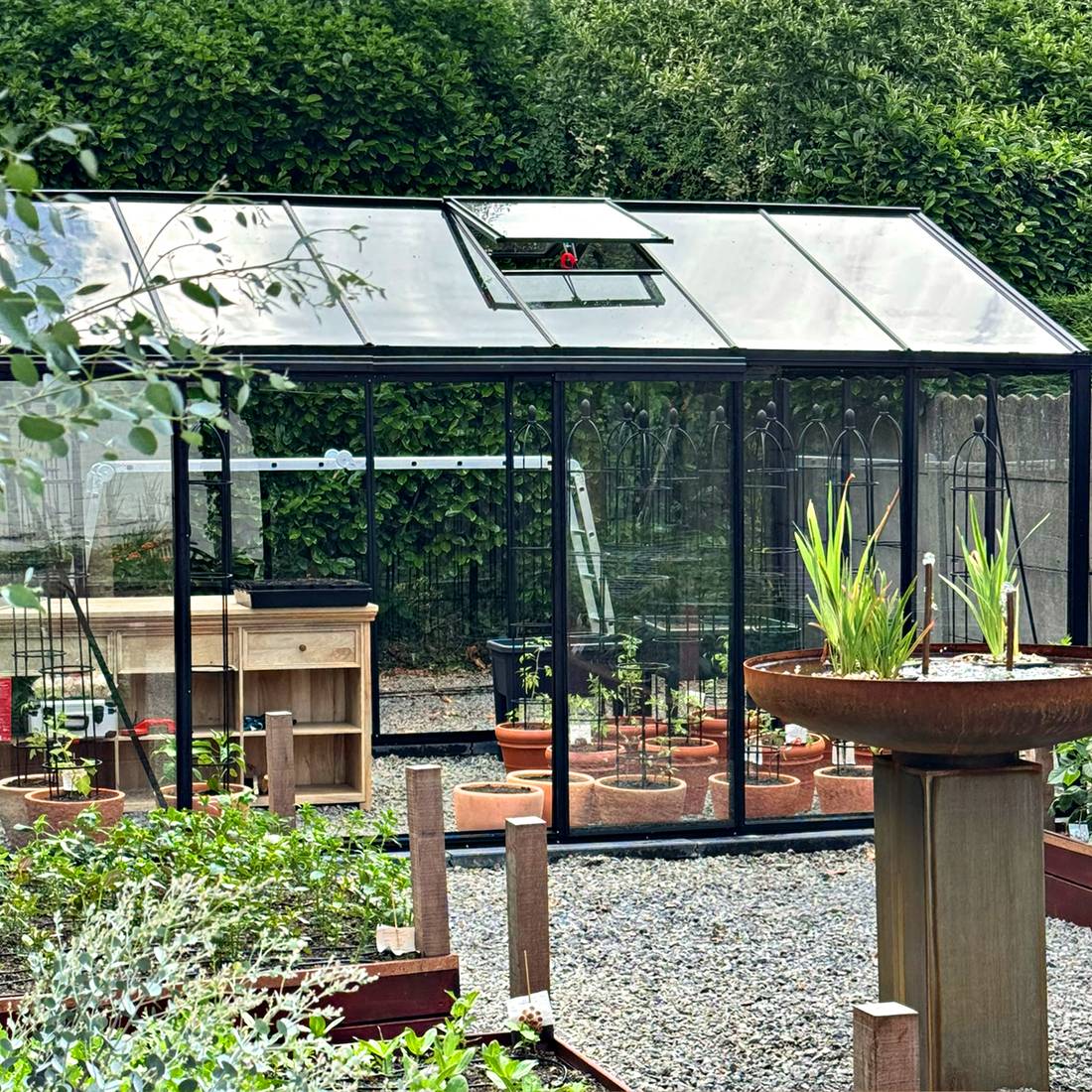
Maker, retailer or local contractor?
None of these three routes is automatically superior. Each addresses a different need, so examine responsibilities and exclusions alongside the final total before choosing.
| Route to purchase | Usual advantage | Question to resolve |
|---|---|---|
| Order from the maker | First-hand product knowledge and easier comparison across the range | Who checks the location and manages unloading and assembly? |
| Use a retailer | A nearby contact, sometimes with several makes available for comparison | Who answers each technical query: the retailer or the maker? |
| Appoint a local specialist | Property inspection, building work and coordination at the site | Which product system is offered, and how are spares obtained? |
A nearby specialist can be especially helpful when excavation, foundations, drainage or connections are needed. Questions about model relationships, compatible parts and the intended build sequence are generally best directed to the maker. Many Irish projects therefore pair direct supply with a clearly specified package of local work.
To learn who we are or get in touch directly, visit About Us and Contact. Businesses purchasing for trade or managing projects may also consult our Dealers section.
Where ordering at source can help
1. Product answers with a clearer origin
Garden structures with technical assemblies involve linked choices: dimensions, roof shape, glazing, doors, ventilation, anchoring, accessories and base conditions. Passing details through several parties can introduce ambiguity. Direct discussion lets the product team address a query in the context of the exact model and configuration.
That context is useful where products appear similar yet use different construction or functions. When preparing a greenhouse brief, consult our material on greenhouse and conservatory planning, multiwall sheets and polycarbonate and Victorian-style greenhouses . They highlight different design and planning priorities.
2. Better perspective across one range
The maker can compare several options from one series or product family instead of considering a single item alone. Buyers can then identify which distinctions affect the intended use and which primarily reflect a preference in style.
For a pergola, first decide which approach fits: classic or bioclimatic pergola suits the setting. Then assess form and dimensions through our comparison of attached and freestanding pergolas and the guide to choosing pergola size. You can also explore whether a glazed roof or bioclimatic pergola best fits the intended use.
3. Fit between purpose, appearance and cost
Define the purpose before selecting size. A propagation house, ornamental garden room, sheltered seat or personal sauna creates different needs for access, layout, ventilation, privacy and siting.
A direct conversation helps separate essential requirements from desirable extras. It guards against both an undersized structure that limits future use and an elaborate specification whose additions bring little benefit. Anyone planning conventional greenhouse growing can refine the brief through topics including greenhouse temperature and humidity or lettuce growing under cover can turn general aims into more precise requirements.
4. Fewer details lost in relay
With fewer handovers, technical questions, alterations and special requests have a shorter communication route. Drawings, photographs and written requirements can be recorded against the relevant purchase without being relayed through a chain of unrelated firms.
Direct communication cannot eliminate misunderstandings, so precise records remain important. Give every dimension with a unit, datum and orientation. Identify the building elevation used for any wall connection. Colours, door locations and accessories should appear clearly in both the quotation and order confirmation, not merely in telephone discussions.
5. A coherent file for later enquiries
Keeping an auditable record of the model, specification, accessories and date of purchase supports focused maintenance and parts enquiries later. This joined-up history has particular value for structures intended to serve for many years.
File the quotation, order confirmation, invoice, packing records, assembly instructions, delivery images and relevant correspondence together. Guidance on aluminium greenhouse maintenance plus the relevant warranty terms also belong in this project file.
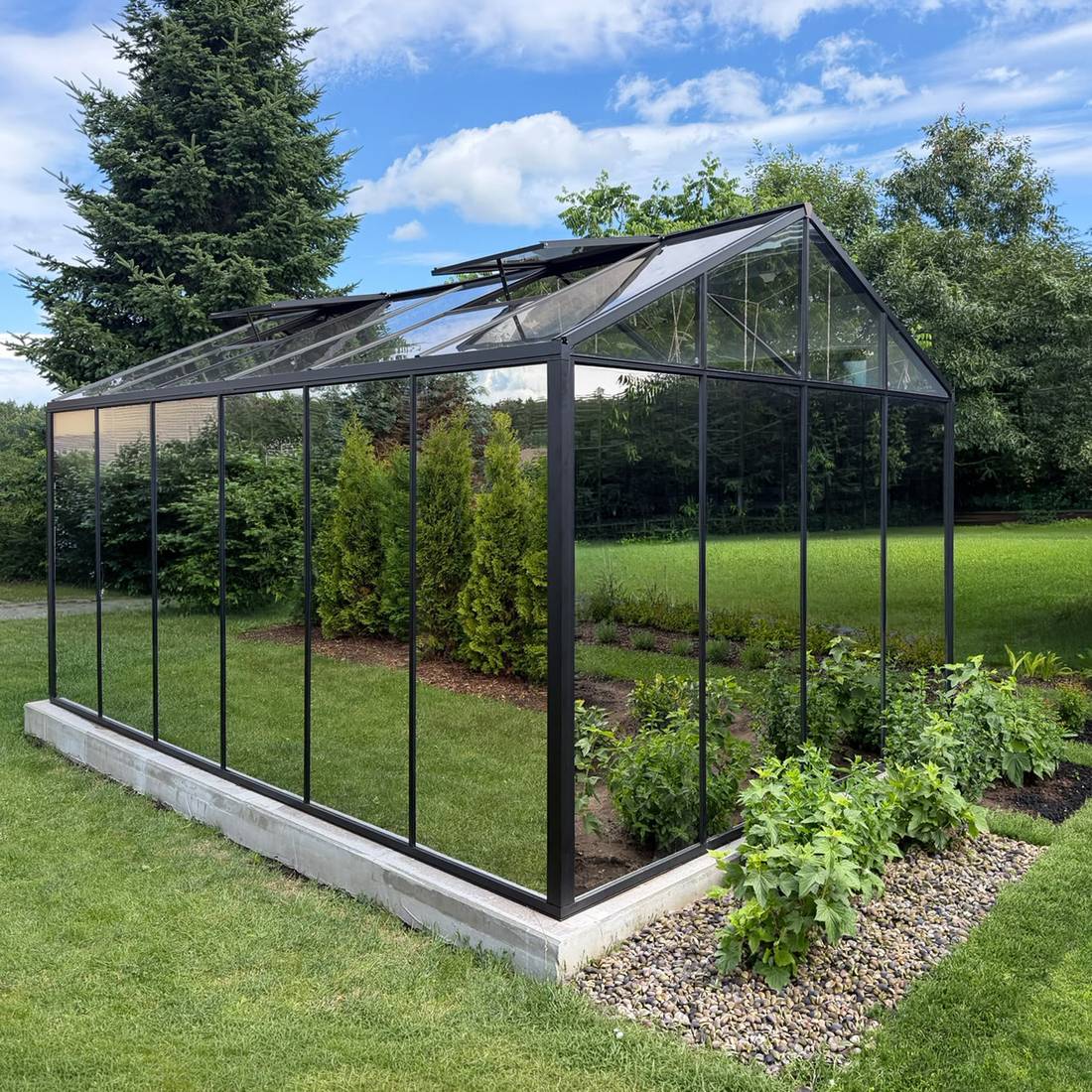
Information to gather before requesting a quotation
Accurate starting details allow a more dependable quotation. The first enquiry need not contain a finished construction plan, but try to establish the following points:
- Structure and principal purpose: cultivation, sheltered relaxation, private wellness or a mixture of uses.
- Space available: the usable footprint plus clearance for access, upkeep and construction work.
- Proposed position: attached or freestanding, together with aspect, shading, gradient and existing finishes.
- Delivery route: carriageway and entrance widths, gates, sharp bends, trees, overhead cables and the distance goods must be moved.
- Existing base: undisturbed soil, paving, a terrace, an existing concrete slab or a foundation yet to be built.
- Desired timing: Treat it as a target, never a confirmed delivery date.
- Assembly plan: construction by the customer, a nearby contractor or installation quoted separately.
- Overall budget: allow for freight, unloading, the foundation, assembly and any related site work.
Bring the base into pergola planning from the outset. Our guide to bases for pergolas summarises the main considerations. For a substantial greenhouse proposal, reading about the orangery may also help define the intended function and appearance.
Points to resolve with the supplier
A useful quotation defines exclusions as clearly as supplied items. Resolve at least these matters before approving the purchase:
- What drawings and documents relate to this particular model?
- Does the quoted scope list every component and accessory?
- What preparation does the base or foundation require?
- Who manages freight, unloading and movement across the property?
- What site preparations must be finished for delivery day?
- Will the product be assembled, quoted for installation separately or supplied for customer-arranged construction?
- Which site checks and tasks require nearby professional trades?
- What evidence and reporting route apply to visible freight damage?
- At what stage do revisions close, and how could a revision affect the order?
- Which records should accompany a future request for spares or support?
Set these answers alongside our How to order and purchase and delivery guidance .
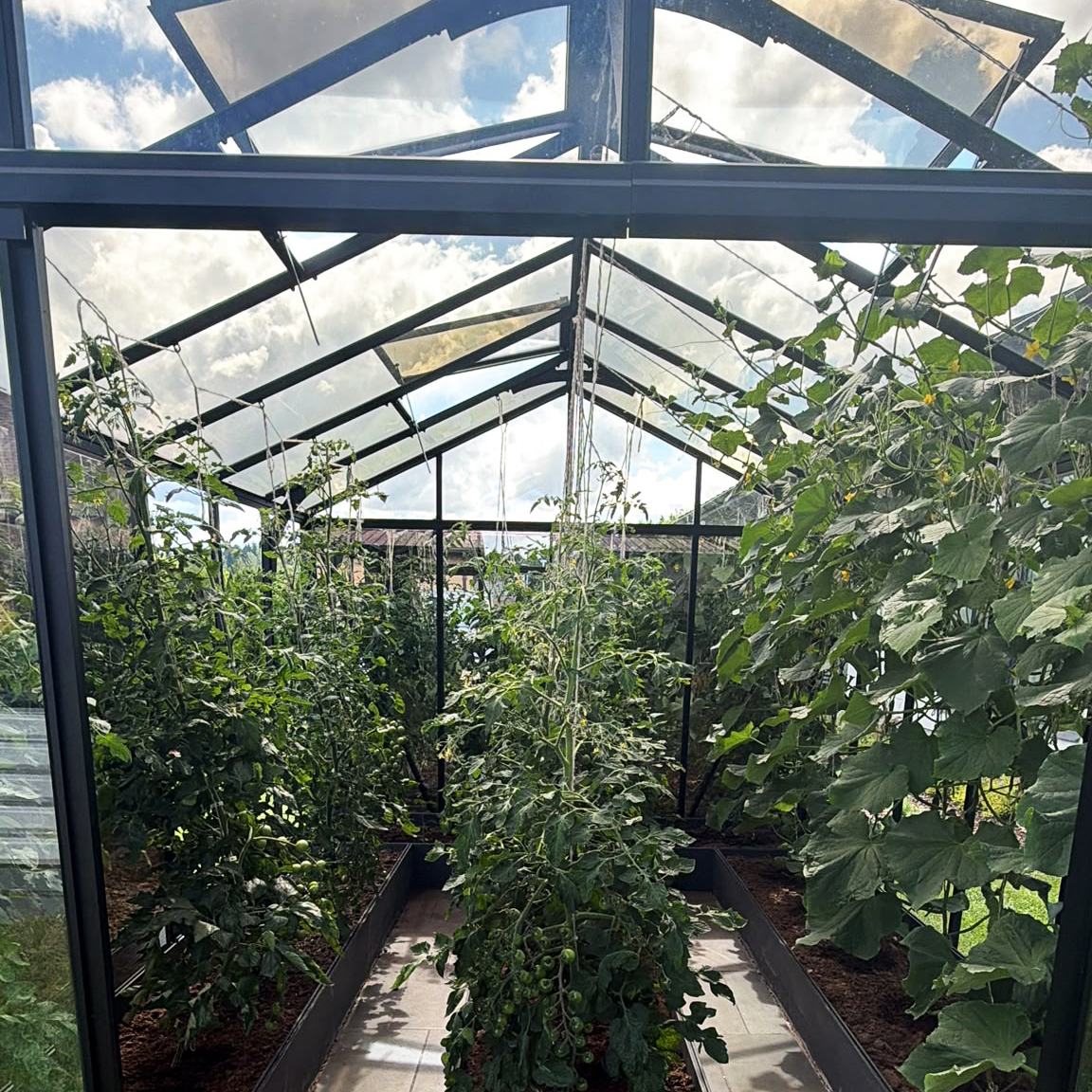
Planning for receipt of a direct shipment
Receiving large structural components calls for more preparation than accepting a normal parcel. Before dispatch, confirm that the approach and chosen set-down point are accessible and ready. The nature of the shipment and the individual site will decide whether lifting equipment, extra people or other aids are required.
Arrange for someone responsible to oversee arrival. Check package numbers and their visible condition against the shipment documents, without spreading components over a road or shared route. Photograph the wrapping, labels and anything unusual. Record apparent shortages or damage under the supplied instructions and report them promptly through the designated channel.
Torn or crushed wrapping does not by itself establish that a component is damaged. It does justify creating a careful, clear record of its condition.
Store the components under cover, securely and with suitable support in accordance with their instructions. Do not improvise storage that bends long profiles, leaves glazing unstable or allows small fittings to go missing.
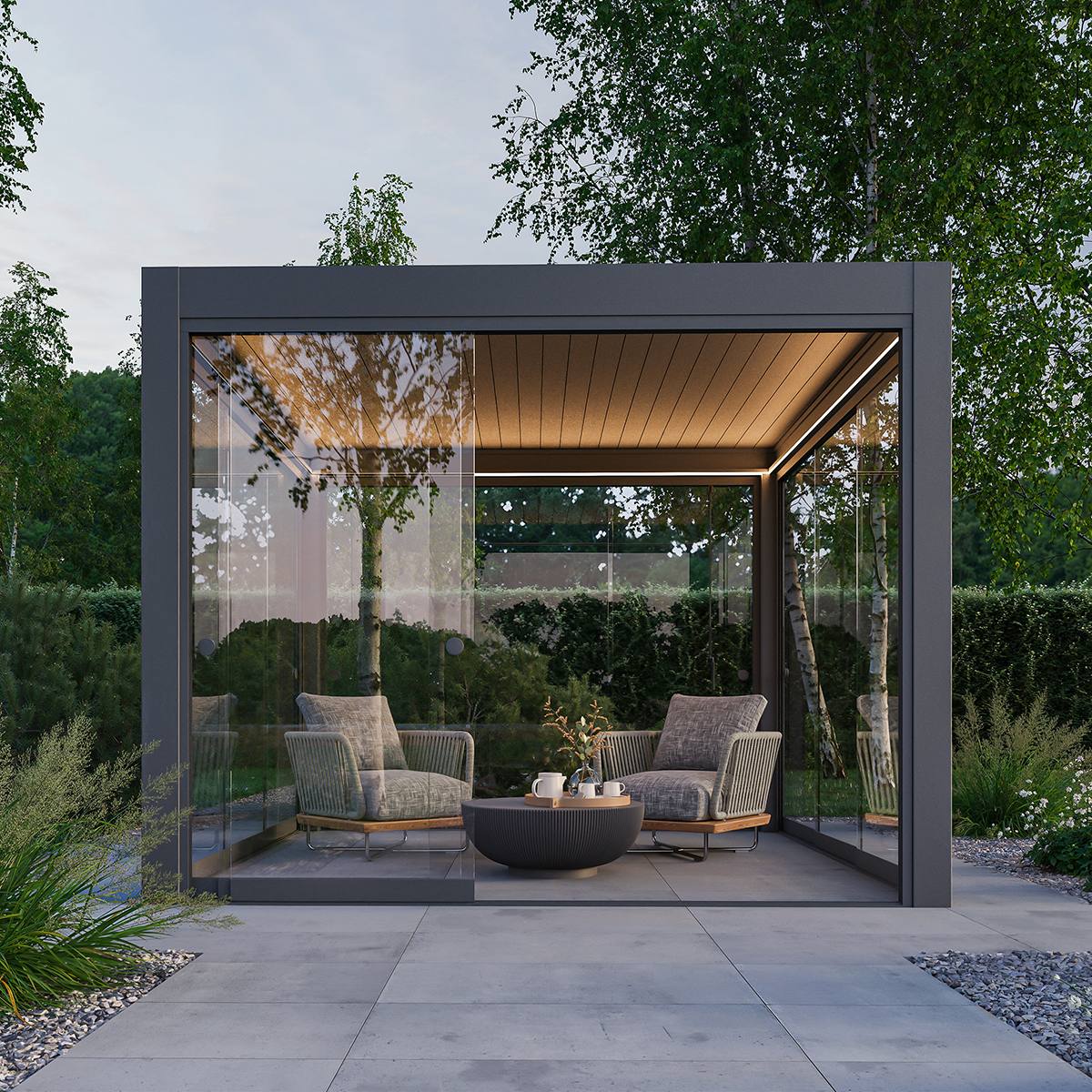
Local preparation remains necessary for assembly
The maker can explain the intended assembly of its system, but reliable information from the property is needed before any position can be judged suitable. Ground conditions, frost, drainage, façades, boundaries and service routes require assessment on site.
In Ireland, planning treatment varies with the proposal, property and constraints affecting the site. Exempt development carries conditions, and heritage or other restrictions may change the outcome; planning status does not determine building-control compliance. Check with the relevant local planning authority before purchase and construction. If uncertainty continues, enquire about the formal declaration procedure. Our related guide considers whether greenhouse and pergola planning requirements ; only the responsible authority can determine the position for a particular proposal.
Use appropriately competent professionals for electricity, water, heaters, stoves, flues and other connections. For fixed electrical work in Ireland, a Registered Electrical Contractor should establish whether the proposed work is restricted and what completion certification applies. Address these matters early when looking at an outdoor sauna Elma S, an HC150 barrel sauna or any other product in the sauna range.
Using direct documentation for upkeep and support
After assembly, the structure enters regular use. Original records help identify parts and relate questions to the delivered specification. Give the exact model, part location and clear photographs instead of reporting only a problem with “the roof seal”.
The operator remains responsible for regular visual checks. According to product type, inspect fasteners, drainage routes, moving parts, seals and finishes. Note any developing irregularity promptly, allowing it to be reviewed before the problem grows. Wider guidance for owners appears under Useful Information for broader ownership advice.
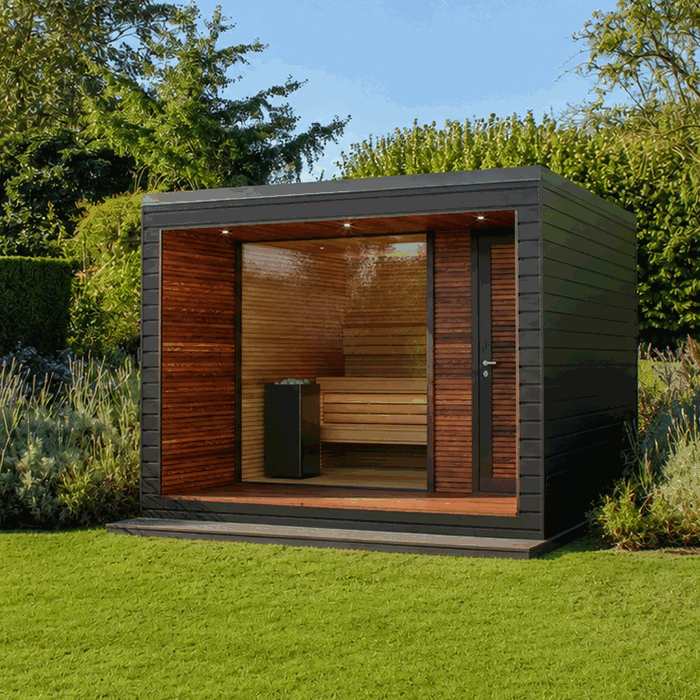
When another buying route may be preferable
Buying directly will not suit every scheme. A local turnkey provider may work better if one party needs to manage measurement, excavation, the foundation, construction and other contractors. Local coordination can also help where access is awkward, the land slopes sharply, connections are extensive or repeated on-site adjustments are likely.
Customers wishing to inspect products from several makers together may prefer a well-equipped retailer. The crucial point is not having the fewest contracts, but defining every interface. Problems are more likely when responsibility is blurred across product supply, groundworks, construction and connections than because of the chosen purchasing channel.
Direct-order planning checklist
- Record the main activity and required type of structure.
- Measure the location, leaving clear working room for construction.
- Photograph the base area, approach and unloading route.
- Compare models against required functions.
- Resolve the base, drainage and anchoring before purchase.
- Verify local permission and boundary requirements.
- Request a written division between supplied and customer-arranged work.
- Plan the set-down point, protected storage and movement of components.
- Allocate assembly and specialist work.
- Read every line of the confirmation before approving the order.
- Create a photographic record at arrival and note visible discrepancies.
- Archive invoices, instructions, packing records and correspondence securely.
Experiences shared by previous buyers may reveal useful practical points, but every property still requires its own assessment. Our greenhouse customer reviews offer one extra perspective during technical research.
Questions commonly raised by direct buyers
Does source-level ordering always save money?
No. Removing a retail stage may affect the product price, but the whole project cost remains the proper comparison. Include delivery, unloading, foundations, construction, connections and any local professional planning. Compare quotations only after matching their scope, exclusions and allocation of responsibility.
Is assembly included when I order from the maker?
Not as a matter of course. Product supply and construction are distinct services. Establish whether assembly forms part of the quotation, can be priced separately or needs local arrangement. Allocate the foundation, anchoring and preparatory tasks as well.
Can the product team select the exact location on my property?
The team can explain the site conditions required by a particular product. The final position must still be assessed for ground, slope, drainage, boundaries, shade, access and service routes. Inspection by a suitable local designer or contractor may therefore be necessary.
Which is more suitable: a pergola or greenhouse?
A greenhouse is primarily for protected cultivation and control of conditions for plants. A pergola creates a covered or adjustable outdoor setting for people. If gardening and leisure are to share the space, decide first how use, ventilation and comfort should be prioritised.
Does fixing a product to a wall make planning simpler?
Not necessarily. Fixing the structure to a building makes the existing façade part of the project. Its construction, anchors, weatherproofing, roof drainage, doors, windows and services all need consideration. Where the wall cannot accommodate these requirements, a self-supporting option may be simpler.
Are revisions possible after order confirmation?
Possibly, subject to the contract and the order’s processing or production stage. Submit the change promptly and secure written confirmation of any effect on price, specification and schedule. Do not assume that a verbal request amended the order.
How should I respond when the packaging arrives damaged?
Photograph the shipment overall, its label and the affected area. Note what is visible in the manner set out by the delivery instructions, then alert the designated contact promptly. Keep the wrapping until the matter is clear, and move or open packages carefully so no extra harm is caused.
May a general building contractor assemble the greenhouse?
It may be suitable if the builder understands the instructions, works precisely and has experience of comparable structures. Before appointment, establish that the firm can prepare the base and complete alignment, glazing and weather sealing correctly. Provide all assembly information specific to the model.
What should accompany a future service enquiry?
Include the order or invoice details, model designation, purchase date, precise location of the part, and an accurate description of what was noticed. Supply clear close-up and wider photographs from several angles. For moving parts, explain the operating sequence, and refrain from alterations that might make the original cause harder to identify.
What is the main value of ordering directly?
The chief advantage is usually continuity, rather than a particular saving. Selection, agreed configuration, records and later enquiries can refer back to the same reliable product information. That benefit is realised only when the buyer gives equal care to the site, Irish requirements, receipt of the goods and assembly.
